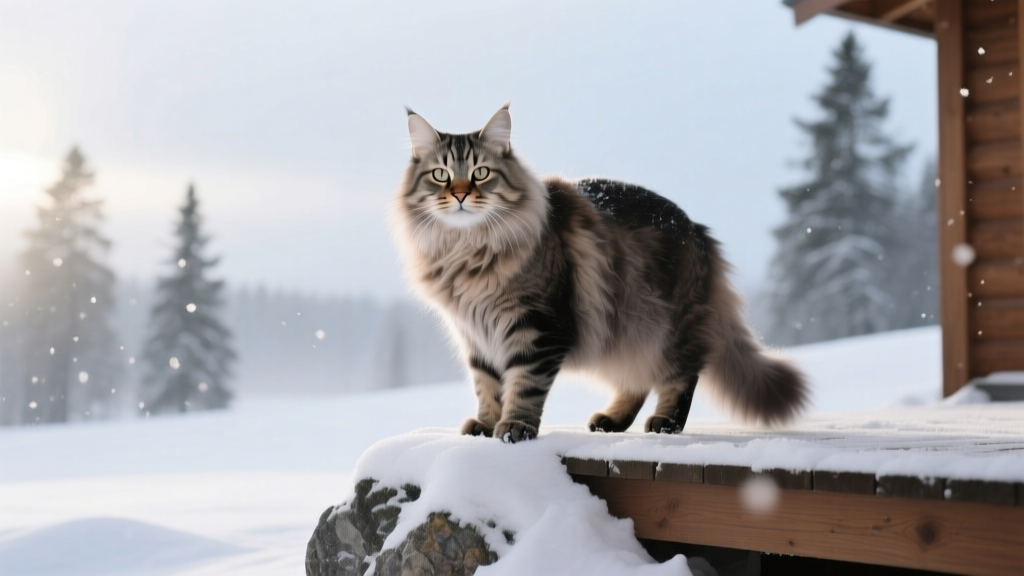
North Cat: Cold-Weather Hardy Breed
If you’ve ever watched a cat trot confidently through fresh snow like it owns the whole winter, you already understand the appeal of a cold-weather hardy breed. The North Cat is that vibe in feline form—built for chilly climates, wrapped in a plush coat, and blessed with the kind of steady, affectionate personality that makes people fall hard and fast.
This is the kind of cat that looks like it could share a cabin with you in the far north, nap by the fire, then follow you around “helping” with everything from chores to movie nights. The North Cat combines rugged, weather-ready features with a surprisingly warm, people-loving temperament—an ideal match for cat enthusiasts who want a companion that’s both striking and easy to live with.
Whether you’re researching hardy cat breeds, looking for a family-friendly longhair, or just daydreaming about a fluffy best friend with winter-proof charm, the North Cat deserves a spot on your shortlist.
Breed History and Origin
The North Cat is a natural, landrace-style breed that developed in cold northern regions where only the most adaptable cats thrived. For generations, these cats lived alongside people in rural homesteads and coastal villages, earning their keep as pest controllers and companions. Harsh winters favored cats with dense coats, sturdy frames, and calm, resilient temperaments.
Unlike breeds created primarily through selective show breeding, North Cats are known for their “function-first” roots—health, insulation, and athletic ability came before aesthetics. As interest in regional, cold-weather cats grew, breeders began documenting consistent traits (coat texture, body type, temperament) and developing breeding programs to preserve that hardy northern look and personality.
Today, the North Cat is celebrated as a cold-climate companion: plush-coated, capable, and famously people-oriented without being overly demanding.
Physical Characteristics
The North Cat is built like a cat that knows what winter is. Everything about them—from the coat to the paws—suggests practicality and comfort in cold weather.
| Feature | Typical Traits |
|---|---|
| Size | Medium to large |
| Weight | Males: 12–18 lb (5.4–8.2 kg); Females: 9–14 lb (4.1–6.4 kg) |
| Body | Sturdy, muscular, slightly rectangular; strong chest and shoulders |
| Coat | Thick double coat; water-resistant guard hairs over a dense insulating undercoat |
| Coat Length | Medium-long to long; heavier ruff in winter; noticeable britches |
| Head | Broad, gently rounded with a strong muzzle |
| Eyes | Large, expressive; common colors include green, gold, and copper |
| Ears | Medium-large with fur tufts; well-furnished inner ears for warmth |
| Paws | Large, rounded, and often furry between the toes (“snowshoe” look) |
| Tail | Long, thick, plush—often used like a scarf when sleeping |
Coat Colors and Patterns
North Cats come in a wide range of colors and patterns. Many breeders favor natural-looking shades that blend with northern landscapes.
- Common patterns: tabby (classic, mackerel, spotted), solid, bicolor, tortoiseshell
- Common colors: brown, black, blue (gray), cream, red, silver
- Often seen: white markings on chest, paws, and face
Distinctive features many fans love include the full neck ruff, tufted ears, and that thick, expressive tail that seems to have its own personality.
Personality and Temperament Traits
The North Cat tends to be a balanced blend of affectionate companion and capable, self-assured feline. They’re not typically clingy 24/7, but they do like being near their people—following you room to room, supervising your day, and settling close when it’s time to relax.
- Friendly and devoted: Many North Cats pick a “favorite person,” but still enjoy the whole household.
- Calm confidence: Usually steady in new situations once they’ve had a moment to observe.
- Playful well into adulthood: They often keep a kittenish sense of fun, especially with interactive toys.
- Smart and curious: Expect them to investigate cabinets, watch birds intensely, and learn routines quickly.
- Talkative style varies: Some are quiet and expressive; others chirp and trill, especially at mealtimes.
They shine in homes where they get daily attention and enrichment. If you enjoy a cat that “participates” in life without being frantic, the North Cat is a lovely match.
Health Considerations and Common Issues
Because the North Cat is associated with hardy, natural development, many lines are robust. Still, any medium-to-large, thick-coated breed can have predictable concerns. A responsible breeder and regular veterinary care make a huge difference.
Common health considerations include:
- Hypertrophic cardiomyopathy (HCM): A heart condition seen in various breeds; reputable breeders may screen breeding cats.
- Hip dysplasia: More common in larger cats; keeping a healthy weight helps reduce strain.
- Dental disease: Plaque buildup can sneak up on any cat—especially if dental care is overlooked.
- Obesity risk: Their fluffy coats can hide weight gain; portion control matters.
- Hairballs: With a dense coat, swallowing loose fur is common, especially during seasonal sheds.
Lifespan: Many North Cats live 12–16 years, and some go beyond with excellent care and genetics.
Care Requirements (Grooming, Exercise, Diet)
Grooming
The North Cat’s coat is one of its biggest joys—and its biggest responsibility. The good news: their fur is often more resistant to matting than ultra-silky longhairs, but it still needs a routine.
- Brushing: 2–3 times per week most of the year; daily during spring/fall shedding.
- Tools that help: Stainless steel comb for the undercoat, slicker brush for the topcoat, and a gentle de-shedding tool used sparingly.
- Hot spots: Focus on friction areas—behind the ears, under the “armpits,” and around the britches.
- Nails: Trim every 2–4 weeks, especially if your cat is mostly indoors.
- Dental care: Daily brushing is ideal; dental treats and vet cleanings can support.
Exercise and Enrichment
North Cats are athletic without being hyper. They do best with short bursts of play and plenty of vertical space.
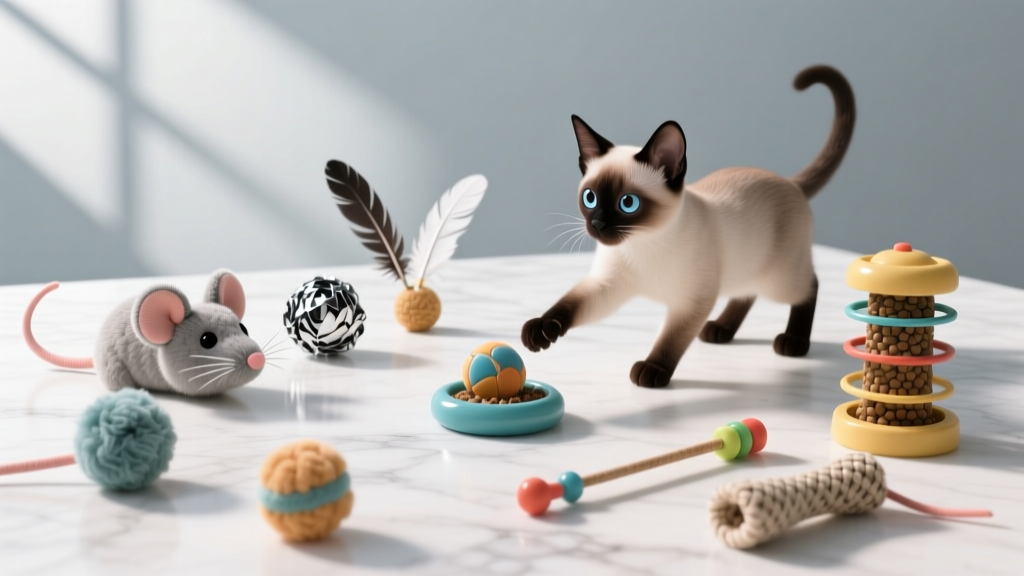
- Interactive play: 10–15 minutes once or twice daily (wand toys, chase games, toss-and-pounce).
- Climbing: Cat trees, shelves, and window perches are practically mandatory.
- Puzzle feeders: Great for smart cats that love “working” for treats.
- Leash training: Many North Cats take to a harness well—start slow and make it positive.
Diet
A hearty frame and thick coat don’t mean endless calories. A North Cat stays healthiest when kept lean and muscular.
- Protein-forward meals: Choose high-quality cat food with animal protein as a primary ingredient.
- Portion control: Use measured meals rather than free-feeding if weight creeps up.
- Hydration: Wet food, water fountains, and multiple bowls can encourage drinking.
- Hairball support: Regular grooming plus vet-approved hairball diets or supplements if needed.
Compatibility with Families, Children, and Other Pets
The North Cat is often a fantastic choice for households that want a sociable, resilient companion. Their calm confidence can make them less easily rattled than more sensitive breeds, especially when properly socialized.
- Families: Typically does well with predictable routines and plenty of attention.
- Children: Often patient with respectful kids; teach children to avoid tail pulling and to give the cat space.
- Dogs: Many adapt well to cat-friendly dogs after slow introductions (scent swapping, baby gates, supervised meetings).
- Other cats: Usually fine with a feline companion, especially if introduced gradually and given enough territory.
If you want a single-cat household, the North Cat can absolutely thrive—as long as they get daily engagement. If you’re away a lot, a compatible pet buddy can help prevent boredom.
Pros and Cons of Owning This Breed
| Pros | Cons |
|---|---|
| Cold-weather hardy with a stunning double coat | Heavy shedding, especially seasonally |
| Affectionate, loyal, and people-oriented | Needs regular grooming to prevent tangles and hairballs |
| Confident temperament; often adaptable | Large size means more food, bigger litter boxes, sturdier cat trees |
| Playful, smart, and fun to train | Can get bored without enrichment and interaction |
| Generally robust when responsibly bred | Potential for hereditary issues like HCM/hip concerns—screening matters |
FAQ: North Cat Breed Questions
1) Is the North Cat hypoallergenic?
No. The North Cat’s thick double coat means they shed and produce dander like most cats. Some allergy sufferers do better with consistent grooming, air filtration, and frequent cleaning, but there’s no guarantee.
2) Can a North Cat live comfortably in a warm climate?
Yes—many do, as long as they live indoors with air conditioning or good ventilation and have plenty of fresh water. Regular brushing helps remove excess undercoat so they don’t feel like they’re wearing a winter jacket year-round.
3) How much grooming does a North Cat really need?
Plan on brushing 2–3 times per week, and more during shedding seasons. Skipping grooming can lead to mats and more hairballs, especially around the belly and hindquarters.
4) Are North Cats lap cats?
Some are dedicated lap sitters, but many prefer to be close rather than glued to you—think “couch buddy” and “room-to-room shadow.” They’re typically affectionate in a calm, steady way.
5) Do North Cats get along with dogs?
Often, yes—especially with slow introductions and a dog that respects boundaries. Provide high perches and safe rooms so your cat can retreat and observe.
6) What’s the best home setup for a North Cat?
A home with vertical space (cat trees/shelves), interactive playtime, scratching posts, and a predictable routine. They love cozy spots, sunny windows, and being included in daily life.
Warm Signoff
The North Cat is a gorgeous, cold-weather hardy breed with the kind of companionable spirit that makes a house feel more like home. With a bit of grooming commitment and a lot of affection to give, you’ll be rewarded with a loyal, fluffy sidekick who’s equal parts rugged and sweet.
Want to compare more cold-climate favorites and discover your perfect match? Explore more breed profiles on catloversbase.com.