Ojos Azules: Blue-Eyed Non-White Cat
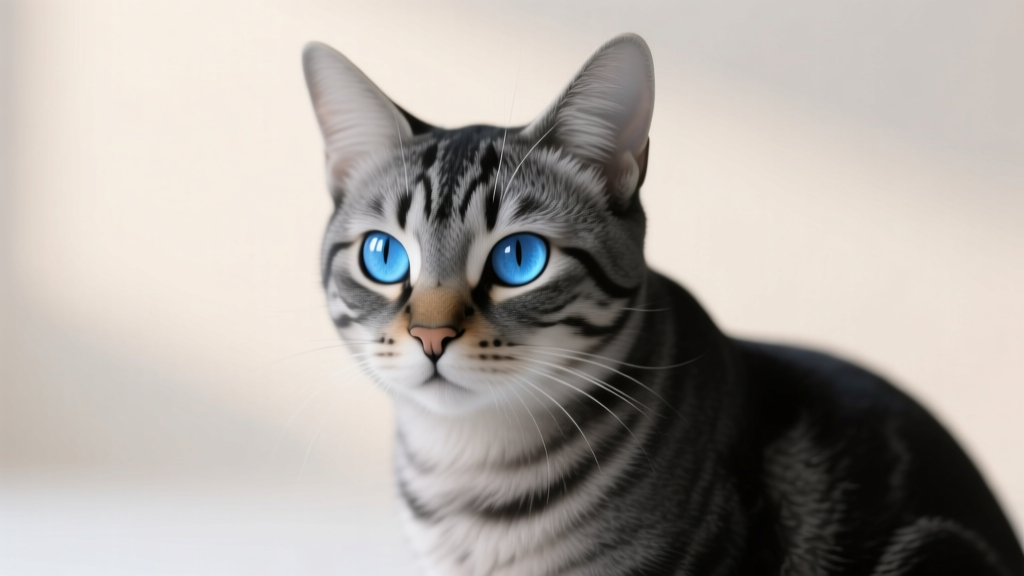
If you’ve ever wished for a cat with sapphire-blue eyes that don’t rely on a white coat, you’re thinking about the Ojos Azules. This rare, almost legendary breed is famous for one striking thing: intensely blue eyes showing up in cats that are otherwise black, tortoiseshell, tabby, or nearly any color you can imagine. It’s the kind of look that makes people stop mid-sentence and lean in for a closer peek.
But the Ojos Azules isn’t just a pretty face. Cat lovers who’ve met them often describe a sweet, people-focused temperament paired with an elegant, athletic body. Unfortunately, the breed’s scarcity and complicated genetics mean most of us will only encounter Ojos Azules in photos, breed research, or the occasional specialty breeding program.
This guide covers what makes the Ojos Azules cat so unique: where they came from, what they look like, what their personalities tend to be like, and what responsible ownership (and breeding) involves for this blue-eyed non-white cat.
Breed History and Origin
The Ojos Azules (Spanish for “blue eyes”) traces back to the American Southwest—specifically New Mexico—in the early 1980s. A striking tortoiseshell cat with vivid blue eyes was discovered in a feral colony. She became the foundation for a breeding effort after it was noticed that her kittens also often had the same dramatic eye color, even when they weren’t white or colorpoint.
This was a big deal in the cat world. Typically, intense blue eyes are strongly associated with:
- Colorpoint patterns (like Siamese/Himalayan), where blue eyes come with the pointed coat pattern
- White spotting or all-white coats, where blue eyes may be linked to different genetic mechanisms
The Ojos Azules presented a different genetic situation: deep blue eyes in a wide range of coat colors and patterns, including non-white cats. Interest grew, and breed development began. The breed was later accepted for registration by some cat registries (notably TICA historically), but it has remained extremely rare.
Why so rare? The gene responsible for the Ojos Azules eye color appears to come with serious complications when breeding two blue-eyed cats together. Reports from early breeding programs indicated that homozygous kittens (inheriting the gene from both parents) could be severely affected, including skeletal and cranial abnormalities, and often did not survive. Because of this, ethical breeding requires cautious pairings (typically a blue-eyed Ojos Azules to a non-blue-eyed cat) and strong oversight—one reason you almost never see this breed widely available.
Physical Characteristics
Ojos Azules cats are medium-sized, graceful, and athletic, with a balanced, slightly longer body that looks built for smooth movement. Their most distinctive feature is, of course, the eye color—an intense, clear blue that can look almost unreal against a dark coat.
| Feature | Typical Ojos Azules Traits |
|---|---|
| Size | Medium (some lines may appear medium-large) |
| Weight | Approx. 6–12 lb (2.7–5.4 kg), with males often larger |
| Body Type | Lean, athletic, slightly longer than tall |
| Coat Length | Can be shorthaired or longhaired |
| Coat Texture | Soft and silky; longhair tends to have a flowing tail plume |
| Colors/Patterns | Wide variety (black, tabby, tortoiseshell, and more); not limited to white or pointed coats |
| Eyes | Vivid blue; may occur with minimal or no white on the body |
Coat Colors and Markings
The Ojos Azules is often described as “blue-eyed non-white cat” because the signature eye color can appear in cats with dark or richly patterned coats. Many examples in early reports included tortoiseshell and black cats with bright blue eyes. Some cats may have small white markings, but full white coats are not required for the blue eye trait.
Distinctive Features
- Intense blue eyes that stand out even in low light
- Balanced wedge-like head (not extreme), with gentle contours
- Elegant body with a sleek tail; longhairs may have a dramatic plume
Personality and Temperament Traits
Because the Ojos Azules is so rare, broad temperament claims should be taken with a little flexibility—individual cats and breeding lines vary. That said, the breed has often been described as affectionate, people-oriented, and playful without being overwhelmingly demanding.
Commonly reported Ojos Azules personality traits include:
- Warm and bonded with their favorite humans
- Curious and bright, interested in household activity
- Playful into adulthood, enjoying interactive games
- Gentle and companionable, often happy to lounge nearby
If you love a cat that follows you from room to room—more “soft shadow” than clingy—this temperament profile is often what enthusiasts admire about the Ojos Azules.
Health Considerations and Common Issues
Health is the topic where responsible information matters most with Ojos Azules cats. The breed’s hallmark trait is linked to a genetic factor that has been associated with severe problems when inherited from both parents.
Key Health Concern: Breeding-Related Genetic Risk
- Homozygous blue-eye gene risk: Early breeding reports associated double-inheritance of the Ojos Azules gene with serious developmental abnormalities (including cranial and skeletal defects) and non-viable kittens.
- Ethical breeding approach: This is why careful, informed breeding practices are essential—typically avoiding pairing two strongly expressing blue-eyed Ojos Azules together.
Are Ojos Azules Cats Deaf?
Blue eyes are sometimes associated with deafness in all-white cats due to specific genetics around white coat color. The Ojos Azules is different: the blue eye trait isn’t dependent on a white coat. As a result, deafness is not considered a defining breed issue in the same way it can be for some white, blue-eyed cats. Still, any individual cat can have hearing issues for other reasons, so reputable breeders and rescues should be transparent about health screening.
General Cat Health Needs
Outside breed-specific concerns, Ojos Azules cats need the same preventive care as any cat:
- Annual or twice-yearly vet checkups (especially for seniors)
- Dental care (home brushing + professional cleanings as recommended)
- Parasite prevention as advised for your region and lifestyle
- Keeping vaccinations current based on indoor/outdoor status
Care Requirements (Grooming, Exercise, Diet)
Ojos Azules cats aren’t typically described as high-maintenance in day-to-day care. Their needs depend mostly on coat length and the cat’s energy level.
Grooming
- Shorthair: Weekly brushing usually keeps shedding under control and helps distribute skin oils.
- Longhair: Brush 2–3 times per week to prevent tangles, especially around the ruff, behind the legs, and the tail plume.
- Nail trimming: Every 2–4 weeks (or as needed).
- Ear and eye checks: Quick weekly look for wax buildup or irritation. Blue-eyed cats aren’t automatically more sensitive, but regular checks catch issues early.
Exercise and Enrichment
Plan on daily interactive play—these cats tend to thrive when they can engage their brains and bodies.
- 10–20 minutes of wand-toy play once or twice a day
- Puzzle feeders or treat balls for mental stimulation
- Cat trees and window perches for climbing and surveying
- Rotation of toys to keep things fresh
Diet
There’s no “Ojos Azules-specific” diet, but a quality nutrition plan makes a noticeable difference in coat condition and long-term health.
- Choose complete and balanced food (wet, dry, or a combination) appropriate for the cat’s life stage.
- Prioritize protein from reputable animal sources.
- Watch calories—medium-sized athletic cats can still gain weight indoors if overfed.
- Hydration helps: wet food, water fountains, and multiple water stations can encourage drinking.
Compatibility with Families, Children, and Other Pets
When socialized properly, the Ojos Azules is often described as a friendly companion cat that fits into family life. Because the breed is rare, you’ll want to evaluate each individual cat’s temperament and background rather than relying solely on breed reputation.
- Families with children: Typically good with respectful kids who understand gentle handling. Teach children to let the cat choose interaction and to avoid grabbing or chasing.
- Other cats: Often adaptable with slow introductions. Provide multiple resources (litter boxes, food stations, high perches) to reduce stress.
- Dogs: Can do well with calm, cat-savvy dogs. Introductions should be gradual, supervised, and always give the cat escape routes.
If you’re hoping for a social, affectionate household cat with a bit of playful sparkle, the Ojos Azules temperament profile is an appealing match.
Pros and Cons of Owning This Breed
| Pros | Cons |
|---|---|
|
|
FAQ: Ojos Azules Cats
Are Ojos Azules cats truly blue-eyed even if they’re black or tortoiseshell?
Yes. The defining feature of the Ojos Azules is vivid blue eyes appearing in cats that are not necessarily white and not necessarily colorpoint. That’s what made the breed so unusual and fascinating in the first place.
Is the Ojos Azules breed recognized by major cat associations?
Recognition has been limited and has changed over time. The breed has been registered historically in some organizations, but it remains rare and not widely seen in the show world. If you’re researching pedigrees, always verify registry status and documentation.
Do Ojos Azules cats have higher rates of deafness because of their blue eyes?
Not in the same way seen in some all-white, blue-eyed cats. The Ojos Azules blue-eye trait isn’t tied to a white coat gene. Deafness isn’t considered the breed’s hallmark problem, but any cat can have hearing issues, so individual evaluation matters.
Why are Ojos Azules cats so hard to find?
The breed is scarce partly because responsible breeding is challenging. Pairing two strong blue-eyed Ojos Azules cats has been associated with severe developmental issues in kittens. That risk dramatically limits breeding options and availability.
What should I look for if someone claims to sell an Ojos Azules kitten?
Ask for transparent pedigree documentation, health information, and a clear explanation of breeding practices. Be cautious with vague claims like “rare blue-eyed cat” without proof. Ethical sources will welcome questions and provide records.
A Warm Signoff for Blue-Eyed Cat Lovers
The Ojos Azules cat is one of the most captivating “what if?” stories in the cat fancy—a blue-eyed non-white cat with an unforgettable gaze and a companionable spirit. While the breed’s rarity and genetic complexities mean it isn’t a common choice for most households, learning about it is a reminder of how wonderfully diverse—and sometimes mysterious—our feline friends can be.
If you loved meeting the Ojos Azules, there’s a whole world of remarkable cats waiting for you. Explore more breed profiles and cat-lover guides at catloversbase.com.