Persian Cat: The Ultimate Guide to Ownership
If you’ve ever dreamed of sharing your home with a cat that looks like it stepped out of a storybook, the Persian cat is probably already on your radar. With that iconic plush coat, round “doll-like” face, and calm, luxurious vibe, Persians have a way of turning ordinary evenings into cozy, elegant moments.
But living with a Persian isn’t just about admiring their beauty (though you will—daily). This breed has very specific needs: regular grooming, thoughtful health care, and a home that suits their laid-back personality. If you’re researching the Persian cat breed or considering bringing one home, this guide will walk you through everything you’ll want to know—warmly, honestly, and with a whole lot of cat-lover admiration.
Let’s meet the Persian in full: history, temperament, grooming, health, and what day-to-day life is really like with one of the world’s most beloved longhaired cats.
Breed History and Origin
The Persian cat’s story blends real history with a little mystery. Longhaired cats were brought to Europe from the East as far back as the 1600s. Early accounts often mention cats from Persia (modern-day Iran) and Turkey. Over time, these longhaired cats captured attention in Italy, France, and especially Britain, where selective breeding began to shape the Persian into a distinct type.
By the late 1800s, Persians were a star at cat shows in England, and the breed’s popularity spread rapidly. In the United States, Persian cats became one of the most cherished pedigreed breeds, known for their sweet nature and unforgettable looks.
Modern Persian cats are typically associated with a rounder head, shorter nose, and heavier coat than their early ancestors. Some Persians have a more traditional face (often called “doll-face”), while others have a flatter face (“peke-face”), especially in show lines.
Physical Characteristics
Persian cats are the definition of plush. They’re medium to large cats with sturdy bodies, short legs, and a “cobby” build—meaning compact, broad, and substantial. Combined with that long, dense coat, they often look even bigger than they actually are.
| Feature | What to Expect |
|---|---|
| Size | Medium to large; compact and solid (“cobby”) |
| Weight | Typically 7–12 lbs (some can be larger) |
| Coat | Long, thick, fine undercoat with abundant topcoat; very plush |
| Head & Face | Round head, full cheeks; face can be traditional (doll-face) or flat-faced (peke-face) |
| Eyes | Large, round, expressive; color often relates to coat color |
| Ears | Small, rounded tips, set low and wide |
| Tail | Short to medium, thick, carried low with a full plume |
Coat Colors and Patterns
The Persian cat comes in an incredible range of colors and patterns. If you’re searching for “Persian cat colors,” you’ll find almost a full rainbow—plus dramatic patterns that look like living artwork.
- Solid: white, black, blue (gray), cream, red
- Tabby: classic, mackerel, patched tabby
- Bi-color: white paired with another color (like black & white)
- Calico & tortoiseshell: especially popular for their bold patterning
- Shaded & smoke: luminous coats with lighter bases and darker tipping
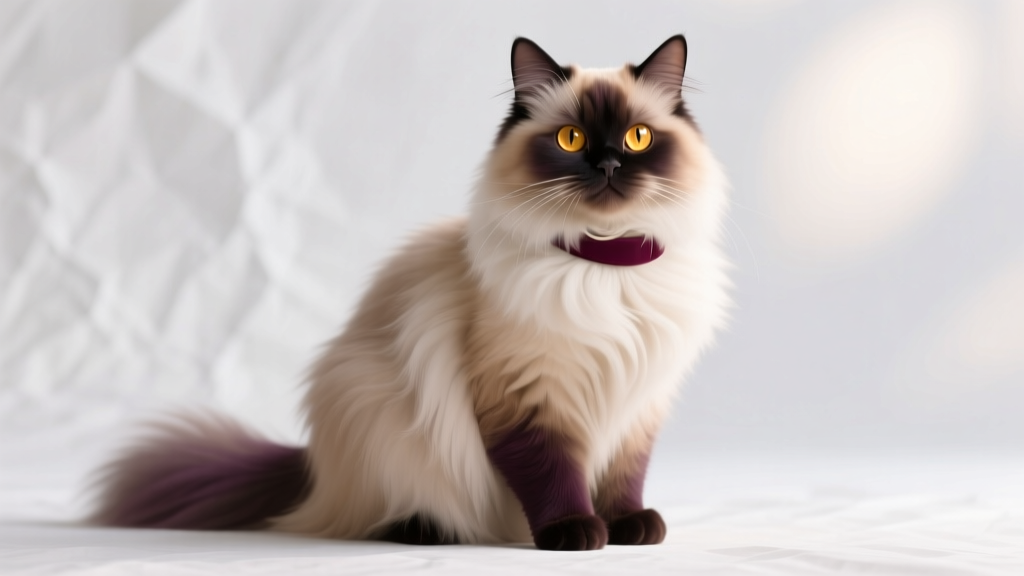
- Colorpoint (Himalayan type): point coloration similar to Siamese (often recognized in some registries as a division/type related to Persians)
Distinctive features Persians are famous for include their thick ruff around the neck, plush “britches” on the hind legs, and that signature sweet expression that melts hearts in seconds.
Personality and Temperament Traits
Persian cats are classic homebodies: affectionate, calm, and happiest in a predictable environment. If you want a cat that enjoys peaceful companionship more than acrobatic chaos, the Persian temperament is a wonderful match.
- Gentle and sweet: Many Persians form close bonds with their people and enjoy being nearby.
- Quiet communicators: They tend to be soft-voiced rather than chatty.
- Low to moderate energy: Short bursts of play, then a long nap in a favorite spot.
- Routine-loving: They thrive when feeding, grooming, and household rhythms are consistent.
- Affectionate (but not usually clingy): Cuddles are welcome, but many prefer calm handling over constant carrying.
They’re often described as “furniture with feelings” in the most affectionate way—always present, always comforting, and always ready to make your home feel more serene.
Health Considerations and Common Issues
Because the Persian cat breed has been selectively bred for certain facial and coat traits, responsible ownership includes staying aware of health concerns. Working with a reputable breeder or adopting from a rescue that provides veterinary records can make a huge difference.
Common Persian cat health issues can include:
- Brachycephalic airway issues: Flat-faced Persians may have narrowed nostrils and breathing challenges, especially in heat or stress.
- Eye tearing and staining: Their facial structure can lead to watery eyes that need gentle daily cleaning.
- Dental crowding: Shorter jaws can mean more dental issues; regular dental care helps.
- Polycystic kidney disease (PKD): A hereditary condition found in some Persian lines. Ethical breeders often screen breeding cats via DNA testing or ultrasound.
- Hypertrophic cardiomyopathy (HCM): A heart disease seen across many breeds, including Persians; screening can be helpful.
- Skin and coat problems: Mats can cause skin irritation; some may be prone to dermatitis if grooming is inconsistent.
Comfort tip: Persians generally do best in cool, well-ventilated homes. Their thick coat and (in some lines) shortened airway can make them sensitive to heat.
Care Requirements (Grooming, Exercise, Diet)
Grooming: The Heart of Persian Cat Care
If you’re researching “Persian cat grooming,” here’s the truth: grooming isn’t optional. Their long coat mats easily, and mats can pull painfully on skin and trap moisture. The good news? Many Persian owners find grooming time becomes a bonding ritual.
- Daily brushing: A stainless-steel comb and quality slicker brush help prevent tangles and mats.
- Eye cleaning: Wipe gently with a soft, damp pad (vet-approved wipes are great) to manage tearing and staining.
- Regular baths: Many Persians do well with a bath every 3–6 weeks, especially if you want that “show coat” fluff. Use cat-specific shampoo.
- Sanitary trims: Keeping the rear area tidy helps prevent mess and discomfort.
- Nail trims and ear checks: Every couple of weeks, with routine ear cleaning as needed.
If daily grooming sounds intimidating, consider a professional groomer schedule and ask about a “lion cut” for comfort (especially in summer). Many Persians are perfectly happy with a shorter trim, and it can be a practical choice for busy households.
Exercise and Enrichment
Persians aren’t typically marathon runners, but they still need gentle activity to stay healthy and avoid weight gain.
- Short play sessions: 10–15 minutes, 1–2 times per day, is often plenty.
- Best toys: Feather wands, slow-rolling balls, kick toys, and puzzle feeders.
- Low climbing options: Sturdy cat trees with lower platforms and steps suit their build.
- Window perches: Perfect for “soft entertainment” (bird-watching without too much effort).
Diet and Feeding
Because Persians can be less active, weight management matters. A high-quality, portion-controlled diet helps keep them sleek under all that fluff.
- Choose quality protein: Look for meat-first ingredients in wet or dry food.
- Wet food benefits: Helps support hydration, which is valuable for urinary and kidney health.
- Portion control: Measure meals; free-feeding can lead to slow, sneaky weight gain.
- Hairball support: Regular grooming is #1, but hairball-formula diets or vet-approved supplements may help some cats.
If your Persian has a very flat face, you may find they prefer certain bowl shapes or kibble sizes that are easier to pick up. Wide, shallow dishes can be a game-changer.
Compatibility with Families, Children, and Other Pets
Persian cats often make wonderful companions for people who enjoy calm, affectionate pets. They’re typically happiest in a home where their boundaries are respected and their coat care is consistent.
- With families: Great for relaxed households; they love being part of daily life without being the center of chaos.
- With children: Best with gentle, cat-savvy kids who can handle them softly and avoid rough play.
- With other cats: Often compatible with friendly, non-dominant cats, especially with slow introductions.
- With dogs: Can do well with calm, cat-safe dogs that won’t chase or overwhelm them.
Persians generally don’t love constant commotion. If your home is loud and busy, they may still adapt—but they’ll appreciate quiet “safe zones” like a bedroom retreat or a peaceful cat room.
Pros and Cons of Owning a Persian Cat
| Pros | Cons |
|---|---|
| Beautiful, luxurious long coat and iconic look | High grooming needs (often daily) |
| Sweet, calm, affectionate Persian temperament | Some lines prone to breathing and eye issues |
| Great indoor companion; typically not hyperactive | Can be sensitive to heat due to coat and facial structure |
| Often quiet and gentle with a peaceful presence | May need regular professional grooming/bathing |
| Fits well with relaxed homes and routines | Medical costs may be higher if hereditary issues arise |
FAQ: Persian Cats
Do Persian cats shed a lot?
Yes—Persians are heavy shedders, and their long coat can leave hair everywhere if not groomed regularly. Daily combing reduces shedding around the home and helps prevent mats and hairballs.
Are Persian cats friendly and cuddly?
Most Persian cats are friendly, gentle, and affectionate. Many enjoy sitting beside you (or on you) for long stretches, though they usually prefer calm cuddles over rowdy handling.
How often should you groom a Persian cat?
Plan for daily brushing/combining to prevent mats. Eye wiping is often needed daily as well, especially for flatter-faced Persians. Baths every 3–6 weeks can help keep the coat clean and fluffy, depending on lifestyle and coat condition.
Do Persian cats have breathing problems?
Some do, especially very flat-faced (brachycephalic) Persians. Breathing issues can range from mild snuffling to more significant airway trouble. Keeping them cool, avoiding stress, and working with a vet experienced in brachycephalic breeds helps a lot.
Are Persian cats good for first-time cat owners?
They can be, if you’re prepared for the grooming commitment and potential extra vet care. If you love routines and don’t mind daily coat care, a Persian can be an amazingly rewarding first cat.
How long do Persian cats live?
Many Persian cats live around 12–15 years, and some live longer with excellent care, healthy breeding lines, and regular veterinary checkups.
Warm Signoff
A Persian cat brings a special kind of magic to a home: soft companionship, gentle affection, and that unmistakable “living plush toy” charm. They’re not the lowest-maintenance breed—but for people who enjoy a calmer pace and don’t mind turning grooming into quality time, Persians are deeply lovable, loyal little royals.
If you’re ready for the brushing, the bonding, and the blissful naps, a Persian might just be your perfect match. Want to keep exploring? Check out more breed profiles and cat care guides on catloversbase.com and find the feline that fits your life like a purrfect little heartbeat.