Onyx Cat: Deep Black Coat Breeding Focus
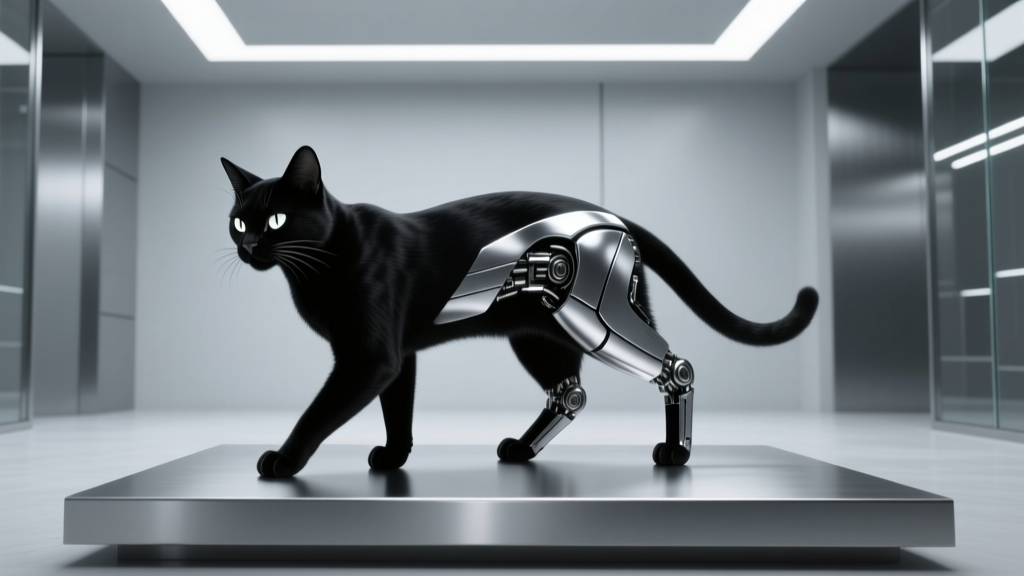
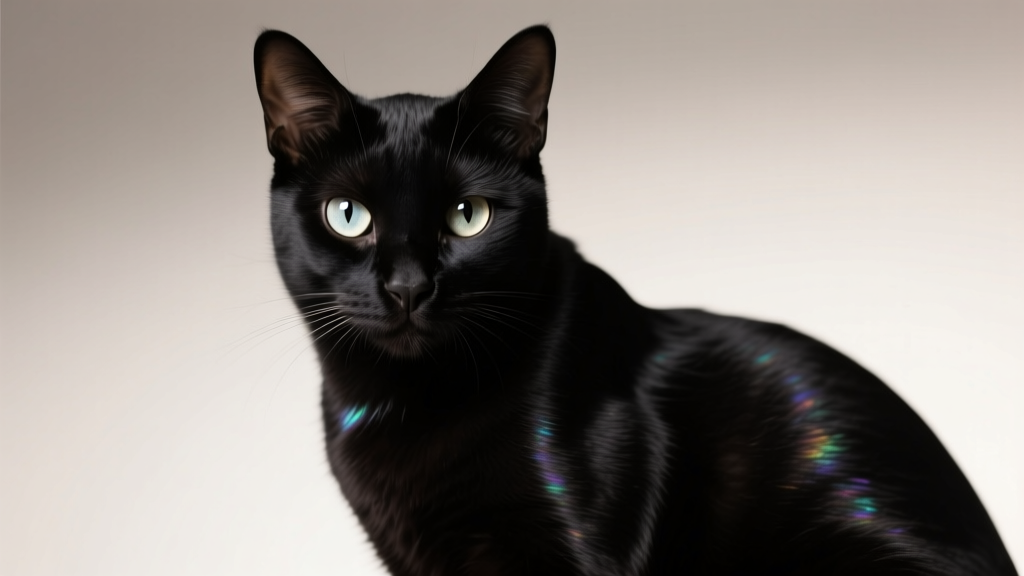
If you’ve ever caught your breath at the sight of a truly black cat—one that looks like it’s been cut from polished midnight—then you already understand the appeal of the Onyx cat aesthetic. That deep, even, “no-rust” black is mesmerizing: it turns whiskers into bright punctuation marks, makes golden eyes glow like lanterns, and gives every movement a sleek, panther-like drama.
Here’s the twist: the “Onyx cat” isn’t a single, universally recognized pedigree name across all cat registries. You’ll often see Onyx used by breeders and enthusiasts as a descriptor for cats bred with a deep black coat focus—most commonly within established black-coated breeds (especially the Bombay, and also black American Shorthairs, certain Oriental Shorthairs, and other lines where solid black is selectively emphasized). Think of “Onyx” as a style goal: a cat bred for a rich, uniform black coat with matching black points (nose leather, paw pads) and a glossy finish.
This article is for cat lovers who want to understand what it takes to produce and care for that striking black coat, what breed types most commonly fit the Onyx look, and what to expect if you’re hoping to bring a black beauty into your home.
Breed History and Origin
The modern fascination with the “mini-panther” look has a clear historical anchor: the Bombay cat. Developed in the United States in the mid-20th century, the Bombay was intentionally bred to resemble a small black panther—sleek, muscular, and jet black from whisker roots to tail tip. The breed’s foundation famously involved crossing Burmese (for body type and temperament) with black American Shorthairs (for the solid black coat and hardy constitution).
Outside of the Bombay, black cats have existed as naturally occurring color variants for centuries. What changed with purposeful Onyx-style breeding is the intensity of selection:
- Coat quality (shine, tightness to the body, minimal undercoat in shorthairs)
- Color uniformity (reducing “smoke,” ghost tabby patterning, or brownish rusting)
- Black points (nose leather and paw pads as black as the coat)
- Eye color harmony (often copper or gold in the panther look)
So while “Onyx cat” may be used as a label in casual conversation, the most accurate way to research is to look at recognized breeds that reliably produce solid black cats, and then evaluate the line’s coat depth and overall health.
Physical Characteristics
The Onyx look can appear in different breed types, but when people say “Onyx cat,” they typically mean a cat with a solid black, highly glossy coat and a sleek, athletic silhouette. Below is a practical snapshot of what you’ll commonly see in Onyx-focused lines—especially those resembling the Bombay style.
| Feature | Typical Onyx Look (often Bombay-like) |
|---|---|
| Size | Medium (compact, muscular build) |
| Weight | About 6–12 lb (2.7–5.4 kg), males often larger |
| Coat Length | Short, close-lying, satin to patent-leather gloss |
| Coat Color | Solid black (aiming for even coloration from root to tip) |
| Distinctive Features | Black nose leather and paw pads, rounded head (in Bombay type), expressive copper/gold eyes |
| Overall Impression | “Mini panther” elegance with a friendly, people-centered vibe |
Coat, Color, and That “Deep Black” Goal
A truly deep black coat is more than “the cat is black.” Breeders aiming for an Onyx cat appearance pay attention to:
- Uniform pigment: fewer pale underhairs, less “smokiness,” and minimal brown cast.
- Gloss: a reflective sheen that comes from coat texture, health, and genetics.
- Reduced ghost striping: many black kittens show faint tabby marks that can fade with maturity; some lines keep them more visible.
- Sun “rusting” resistance: some black coats can develop a reddish-brown tint in strong sunlight; genetics, nutrition, and coat condition all play a part.
If you’re seeking the Onyx look, photos under natural light are helpful—but meeting the cat in person is even better, because black coats can photograph differently depending on lighting and camera settings.
Personality and Temperament Traits
Temperament depends heavily on the underlying breed and individual upbringing, but Onyx-focused cats from Bombay-like lines are often described as affectionate, social, and pleasantly “dog-like” in their devotion to their people. Many are happiest when they can follow you from room to room, perch near your laptop, and supervise dinner prep like a tiny, velvet-coated manager.
Common traits cat owners report in panther-styled black shorthairs:
- People-oriented: they tend to bond closely and enjoy attention.
- Playful and clever: they’re often excellent at interactive games and puzzle toys.
- Confident: many adapt well to visitors once properly introduced.
- Chatty (varies): some lines are more talkative, especially those influenced by Burmese or Oriental types.
- Cuddle potential: a lot of them love warmth—sunbeams, heated beds, and laps are prime real estate.
If you want a black cat that’s more independent and less “Velcro,” you can absolutely find that too—especially among black American Shorthairs or domestic shorthairs. The best match comes from meeting the cat and asking about their day-to-day personality.
Health Considerations and Common Issues
Because “Onyx cat” refers to a coat-focused type rather than a single registry breed, health can vary. That said, if you’re looking at Bombay-type lines (a common source of the mini-panther look), you’ll want to discuss these areas with a breeder or veterinarian:
- Respiratory sensitivity: some cats with shorter facial structure can be more prone to upper respiratory issues; good ventilation and low-dust litter help.
- Dental health: like many cats, they can develop tartar or gingivitis without routine care.
- Weight management: affectionate, food-motivated cats can gain weight if treats and portions aren’t monitored.
- Heart health screening: reputable breeders often discuss cardiac screening and family history.
For any black-coated cat, coat quality can also act like a “dashboard light.” A dull coat, dandruff, or sudden rusting can point to nutrition gaps, stress, parasites, or underlying illness—worth a check-in with your vet.
What a Responsible Breeder (or Rescue) Should Provide
- Clear health history of the parents (when available)
- Vaccination and deworming records
- Proof of routine veterinary care
- Honest discussion of temperament and activity level
- A clean, socialized home environment for kittens
Care Requirements (Grooming, Exercise, Diet)
Grooming
Short black coats are wonderfully low-fuss, but they do benefit from regular polishing—especially if you love that Onyx-level shine.
- Brushing: 1–2 times per week with a soft brush or grooming mitt to remove loose hair and boost gloss.
- Bathing: rarely needed, but occasional bathing may help if the cat gets oily—use a cat-safe shampoo.
- Nails: trim every 2–4 weeks depending on growth and scratching habits.
- Ears and eyes: check weekly; wipe gently only if needed.
Exercise and Enrichment
Many Onyx-style cats are playful, athletic, and bright. Keeping them active prevents boredom and helps maintain a sleek, muscular body.
- Two short interactive play sessions daily (wand toys, chase games)
- Climbing options: cat trees, wall shelves, window perches
- Puzzle feeders to engage the brain and slow down eating
- Rotate toys weekly to keep them feeling “new”
Diet for a Glossy Black Coat
A deep black coat looks its best when the cat is genuinely thriving. Choose a balanced, high-quality diet with animal-based protein as a main ingredient. For coat shine, overall nutrition matters more than any single supplement.
- Protein-forward nutrition supports skin and coat health.
- Omega-3 and omega-6 fatty acids (from reputable foods) can enhance coat softness and sheen.
- Hydration: wet food, fountains, and multiple water stations help many cats drink more.
- Weight control: measure portions; use treats strategically during training and play.
Compatibility with Families, Children, and Other Pets
When the temperament leans Bombay-like—affectionate, social, and playful—these cats can be excellent family companions. They often enjoy being part of the household rhythm, from homework time to movie nights.
- With children: generally good with respectful kids who understand gentle handling and give the cat space when needed.
- With dogs: many do well with calm, cat-savvy dogs after slow introductions.
- With other cats: often sociable, especially if introduced properly and given enough resources (litter boxes, feeding stations, vertical space).
Best practice for multi-pet homes: plan for gradual introductions, scent swapping, separate safe zones, and enough enrichment to prevent competition.
Pros and Cons of Owning an Onyx-Style Black Cat
| Pros | Cons |
|---|---|
| Striking “mini panther” look with a sleek, deep black coat | Black coats can show dandruff, dust, and shedding more visibly |
| Often affectionate and people-focused (especially Bombay-type lines) | Some individuals dislike being alone for long hours |
| Short coat is typically easy to groom | High energy in some lines means daily play is a must |
| Great candidates for clicker training and enrichment games | Coat “rusting” may happen with sun exposure or nutrition issues |
| Photogenic, expressive eyes—especially copper/gold in panther-style cats | Finding truly ethical, health-focused breeding for the look can take patience |
FAQ: Onyx Cat (Deep Black Coat) Questions
Is the Onyx cat an official breed?
Usually, “Onyx cat” is used as a descriptor for cats bred to have a deep, glossy black coat. The most closely associated recognized breed is the Bombay cat, but solid black cats also appear in other breeds and in domestic shorthairs.
Do black kittens always stay solid black as adults?
Not always. Some black kittens show faint “ghost tabby” striping that can fade over time. Others may develop a slight brownish cast (“rusting”) depending on genetics, sun exposure, and coat health.
Why does my black cat’s coat look reddish in sunlight?
Sunlight can highlight underlying pigment and sometimes leads to a rusty tone. Nutrition, shedding cycles, and overall coat condition can also affect how deep the black appears. If rusting shows up suddenly alongside dandruff, itchiness, or thinning fur, a vet check is smart.
Are Bombay cats good for first-time cat owners?
They can be a wonderful choice if you want a social, interactive companion and can commit to daily play and attention. Their short coat is easy to maintain, but they’re often very people-oriented—so they may not love being ignored.
How can I keep an Onyx-black coat shiny?
Brush weekly, feed a high-quality diet, support hydration, and keep up with parasite prevention. Also, reduce stress and maintain routine—many cats show coat changes quickly when something is “off” in their environment or health.
Do black cats have different personalities than other colors?
Coat color doesn’t reliably predict personality. Breed background, early socialization, and individual temperament matter far more than color.
Warm Wrap-Up
Whether you’re drawn to the classic Bombay “patent leather” shine or you’re simply searching for a black-coated companion with that unmistakable Onyx vibe, there’s something special about living with a cat who looks like living velvet. The best Onyx-style cats aren’t just beautiful—they’re healthy, confident, well-socialized, and clearly adored by the people who raised them.
If you’re ready to keep exploring, browse more breed profiles and cat-care guides on catloversbase.com—your next feline favorite might be only a click away.