Atlas Cat: World-Traveler Adapted Breed
If you’ve ever wished for a cat who looks like they’ve trekked across mountains, lounged in seaside towns, and somehow picked up a little extra confidence in every port—meet the Atlas Cat. This is a rare, travel-hardened, people-aware breed type (and increasingly recognized as a modern “landrace-to-breed” project) admired for its athletic build, weather-ready coat, and adaptable temperament. Atlas Cats have a reputation among enthusiasts as the kind of companion who settles into new homes smoothly—like they’ve been there before.
The “world-traveler adapted” label isn’t just marketing fluff. The Atlas Cat is valued for traits that make life easier for active households: a sturdy constitution, bright curiosity, and a coat that handles climate swings better than many delicate, ultra-fine-coated breeds. Whether you live in a city apartment, a breezy coastal area, or a place with chilly winters and hot summers, this breed tends to roll with it—provided you meet their needs for enrichment and connection.
Let’s explore what makes the Atlas Cat special, from origin story to grooming routine, and why so many cat lovers describe them as “the cat that can keep up.”
Breed History and Origin
The Atlas Cat is best described as a modern standardized breed inspired by North African landrace cats, particularly the hardy populations historically found around the Atlas Mountains region and busy trade routes nearby. For centuries, local cats in Morocco and surrounding areas developed naturally—selected by environment and human settlement patterns rather than formal registries. These cats thrived in varied terrain: mountain foothills, agricultural edges, urban medinas, and ports where merchants and travelers moved constantly.
In recent decades, a small number of breeders and preservation-minded enthusiasts began documenting cats that consistently shared a recognizable “Atlas type”:
- Medium-to-large, athletic bodies with excellent jumping ability
- Dense, weather-resistant coats suited to temperature shifts
- Balanced temperament: social and confident without being clingy
- High adaptability to new places and routines
Because “Atlas Cat” is still emerging in the wider cat fancy, you may see it described as a breed-in-development or a regional landrace type depending on the organization and the breeder’s program. For prospective owners and researchers, that means one thing: choose sources carefully. Look for transparent health practices, well-socialized kittens, and clear lineage documentation—especially if you’re seeking a cat marketed specifically as an Atlas Cat rather than a general “North African type.”
Physical Characteristics
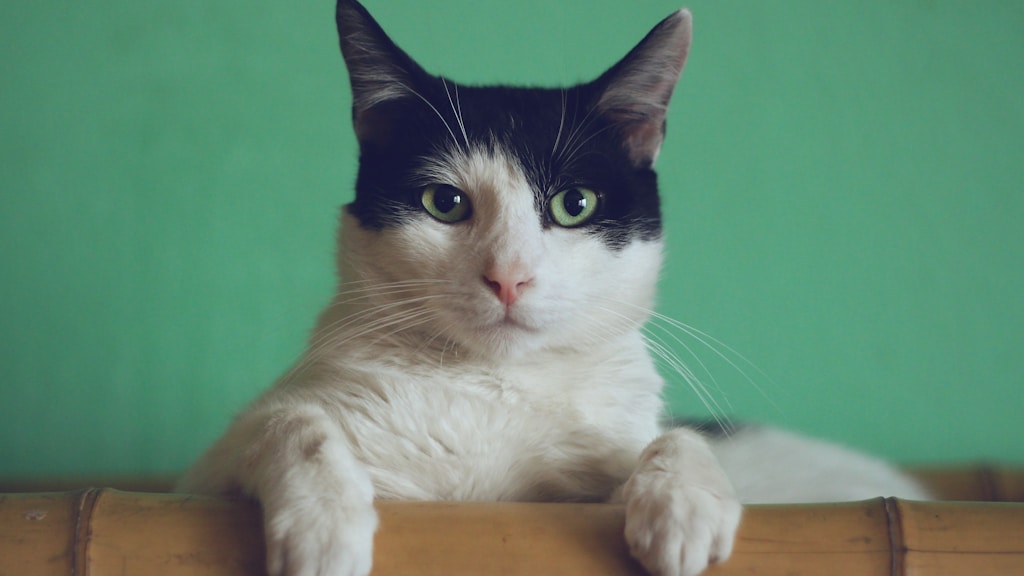
The Atlas Cat is built like a confident explorer: strong, agile, and proportionate. They’re not cobby like some plush-coated breeds, and they’re not extreme in any one feature. Instead, the Atlas look is about functional beauty—everything shaped by movement, weather, and survival.
| Feature | Typical Atlas Cat Traits |
|---|---|
| Size | Medium to large; athletic and long-limbed |
| Weight | Females: ~7–11 lb (3.2–5 kg); Males: ~10–15 lb (4.5–6.8 kg) |
| Body Type | Muscular, flexible, balanced; strong hindquarters for jumping |
| Coat | Short to medium; dense, resilient, often with a slightly “springy” texture |
| Colors/Patterns | Common: brown tabby, black tabby, classic tabby, solid black, bicolor; also seen: dilute, tortoiseshell; less commonly: colorpoint depending on lineage |
| Head | Moderate wedge with gentle curves; not extreme; strong jaw |
| Eyes | Large, alert; shades of green, gold, amber; expressive “watchful” look |
| Ears | Medium-large, upright; often slightly wide-set; may have small tufts |
| Tail | Medium to long; tapering; used for balance during athletic movement |
Distinctive Features
- Weather-savvy coat: Not quite plush like a Persian, not sleek like an Oriental—more like a practical outdoor jacket.
- “Ready-to-go” posture: Atlas Cats often sit tall, attentive, and poised, as if they’re tracking the room.
- Strong feet and legs: They tend to be confident climbers and capable jumpers (cat trees become prime real estate).
Personality and Temperament Traits
If you’re looking up Atlas Cat personality because you want a companion who can handle real life—visitors, routine changes, kids coming and going—you’re in the right place. Atlas Cats are typically known for a friendly, stable temperament paired with genuine curiosity. They often form strong bonds without demanding constant lap time.
Many owners describe them as:
- Adaptable: Moves, schedule changes, and new rooms are met with investigation rather than panic.
- Social-but-not-needy: Enjoys being near you; not always glued to you.
- Smart and observant: Learns household patterns fast (including where treats are stored).
- Playful and athletic: Likes chase games, climbing, and interactive toys.
- Confident with strangers: Often warms up quickly if introductions are respectful.
That “world-traveler” vibe shows up in how they process new experiences. A well-socialized Atlas Cat might follow you from room to room when guests arrive—not to hide, but to see what’s happening. They’re typically happiest when they have a role: lookout, play partner, supervisor of dinner prep.
Health Considerations and Common Issues
Because the Atlas Cat draws from landrace foundations, many lines are valued for overall hardiness. Still, no cat is maintenance-free, and any developing breed can show variability across different breeding programs. Health outcomes depend heavily on responsible selection, early care, nutrition, and lifestyle.
Potential concerns to discuss with a breeder or veterinarian include:
- Dental disease: Like many cats, Atlas Cats can develop tartar and gingivitis if dental care is ignored.
- Obesity: Their athletic build can hide weight gain at first; indoor Atlas Cats need play and portion control.
- Parasites (especially in imported or rescue-origin lines): Ensure proper screening, deworming, and flea control.
- General hereditary screening: Reputable programs will track heart health and overall genetic diversity, especially as breed standards evolve.
What to ask breeders:
- Do you provide veterinary records, vaccination schedule, and parasite prevention history?
- What health issues have appeared in your lines (even if rare)?
- How do you socialize kittens (noise exposure, handling, visitors, other pets)?
- Do you offer a health guarantee and return policy?
Care Requirements (Grooming, Exercise, Diet)
Grooming
The Atlas Cat coat is designed by nature to be practical. Most have a short-to-medium dense coat that doesn’t mat easily, but regular grooming keeps shedding manageable and skin healthy.
- Brushing: 1–2 times per week (more during seasonal shedding)
- Nails: Trim every 2–4 weeks
- Ears: Check weekly; clean only if dirty and with vet-approved products
- Teeth: Brush several times weekly if possible; dental treats can help but don’t replace brushing
Exercise and Enrichment
Think “athlete with a curious brain.” Atlas Cats do best when you provide both physical outlets and mental variety.
- Daily play: 15–30 minutes, split into 2 sessions (wand toys, chase, fetch-style games)
- Climbing space: Tall cat tree, shelves, or a safe window perch
- Puzzle feeders: Great for slowing meals and engaging their problem-solving skills
- Safe outdoor options: Catio or harness training for confident individuals
Diet
A quality, protein-forward diet supports the Atlas Cat’s lean muscle and active metabolism. The best diet depends on your cat’s age, activity level, and health status.
- High-quality wet food often helps hydration (many cats don’t drink enough water)
- Measured portions to prevent gradual weight gain
- Slow feeding tools if your cat eats too fast
- Fresh water access in multiple spots; many cats love a fountain
If your Atlas Cat is especially active, your vet may recommend a slightly higher-calorie plan. For calmer indoor cats, focus on satiety and lean protein to keep weight stable.
Compatibility with Families, Children, and Other Pets
The Atlas Cat often shines in busy households because they tend to handle stimulation well—when introduced thoughtfully.
- Families: Usually a strong match; they enjoy being part of daily routines.
- Children: Generally good with respectful kids; teach gentle handling and give the cat escape routes.
- Dogs: Many Atlas Cats can coexist with calm, cat-savvy dogs after slow introductions.
- Other cats: Often social, especially if raised with feline companions; proper introductions matter.
Because they’re confident and curious, Atlas Cats may be more likely to approach other pets rather than hide. That can be a plus—just make sure early meetings are controlled so confidence doesn’t turn into stress for the other animal.
Pros and Cons of Owning an Atlas Cat
| Pros | Cons |
|---|---|
| Adaptable temperament; often handles change well | Needs enrichment; boredom can lead to mischief |
| Athletic, playful companion; great for interactive homes | Climbing/jumping skills require “cat-proofing” fragile items |
| Generally easy grooming compared to long-haired breeds | May become restless if left alone too long without stimulation |
| Often friendly with guests and can do well with kids | Rare/variable: harder to find consistent, reputable lines |
| Hardy, practical body type and coat for many climates | Like all cats, still needs regular vet care and dental upkeep |
FAQ: Atlas Cat
Are Atlas Cats a recognized purebred?
Atlas Cats are often described as a breed-in-development or a standardized type inspired by North African landrace cats. Recognition can vary by registry and region. If someone is selling an “Atlas Cat,” ask for documentation, health records, and details about the breeding program’s goals.
How big does an Atlas Cat get?
Most Atlas Cats are medium to large. Females commonly range from about 7–11 lb, and males from about 10–15 lb, though individual size can vary with lineage, diet, and activity.
Do Atlas Cats like to travel?
Many have a reputation for adaptability, but that doesn’t automatically mean they enjoy car rides or new hotels. With slow harness training, positive carrier practice, and calm experiences, some Atlas Cats handle travel better than average.
Are Atlas Cats hypoallergenic?
No. There is no truly hypoallergenic cat breed. Atlas Cats may have a practical coat, but they still produce allergens (especially Fel d 1). If allergies are a concern, spend time with the cat first and talk to your allergist.
What kind of home is best for an Atlas Cat?
A home that offers vertical space, daily play, and companionship fits them well. They can do fine in apartments if you provide climbing options and interactive routines.
Do Atlas Cats talk a lot?
They’re often communicative without being nonstop vocal. Many use a mix of chirps, trills, and clear body language to “check in” with their people, especially around mealtimes and play.
Warm Signoff
The Atlas Cat is the kind of companion that makes everyday life feel a little more adventurous—alert eyes in the window, confident paws on the cat tree, and a personality that seems ready for whatever your household brings. If you love athletic, adaptable cats with a natural, functional beauty and a people-friendly spirit, the Atlas Cat may be the perfect match.
Want to compare more breeds and find the best fit for your lifestyle? Explore more cat breed profiles on catloversbase.com.