Plume Cat: Feather-Tail Breed Characteristic
If you’ve ever watched a cat stroll past with a tail that looks like it belongs on a snow fox or a fancy feather duster, you already understand the magic of the “plume” look. That dramatic, flowing tail can make an ordinary moment—like hopping onto a windowsill—feel like a tiny royal procession.
Here’s the twist, though: there isn’t a single, officially recognized purebred cat called the “Plume Cat”. Instead, “plume cat” is a popular nickname cat lovers use for breeds (and sometimes mixes) known for a feather-like, plumed tail—a hallmark of many longhaired and semi-longhaired cats. So if you’re researching “plume tail cat breed” traits, you’re really looking for the breeds most famous for that lush tail and the care that keeps it glorious.
This guide walks you through the most common feather-tail cat breeds, what creates that plume effect, and what it’s like to live with a cat whose tail is basically a statement piece.
Breed History and Origin
Because “Plume Cat” isn’t a single registry breed, the history depends on which plumed-tail breed you’re talking about. The plume tail shows up most strongly in cold-climate and forest type cats—breeds shaped by environments where a thick coat and a big tail helped conserve warmth. Over time, humans fell hard for the look and began selectively breeding cats with especially full tails and water-resistant coats.
Many of the world’s most famous plume-tailed cats trace back to natural populations:
- Maine Coon (United States): Developed from hardy working cats, prized for their rugged build and extravagant tail.
- Norwegian Forest Cat (Norway): A natural breed adapted to Scandinavian winters, with a weatherproof coat and dramatic tail.
- Siberian (Russia): Another natural cold-weather breed with a plush coat, strong body, and full plume.
- Turkish Angora (Turkey): Elegant, silky-coated cats known for their fine-boned grace and flowing tail.
- Ragdoll (United States): A more modern breed with a soft semi-long coat and a fluffy tail, developed for a gentle temperament.
- Persian (Iran/Persia, developed widely in Europe/US): Famous for a long coat everywhere—including a showy tail—though the look is more “full cloud” than “feather.”
So when people say “I want a plume cat,” they’re often picturing a Maine Coon-style feather tail or the silky Angora plume. Different breed, same wow factor.
Physical Characteristics
A plume tail is a combination of tail length, coat length, and the way the fur “fans” outward. Some breeds have a thick, brushy plume (think: winter scarf). Others have a lighter, silky feather effect (think: soft fringe).
Typical Size and Weight (by common plume-tail breeds)
| Breed (common “Plume Cat” types) | Adult Weight | Build | Tail Style |
|---|---|---|---|
| Maine Coon | 10–25 lb (4.5–11.3 kg) | Large, muscular | Long, full, bushy plume |
| Norwegian Forest Cat | 9–16 lb (4–7.3 kg) | Strong, athletic | Thick plume, often carried proudly |
| Siberian | 8–17 lb (3.6–7.7 kg) | Powerful, rounded | Very fluffy, winter-ready |
| Ragdoll | 10–20 lb (4.5–9.1 kg) | Large, plush | Soft, fluffy plume |
| Turkish Angora | 5–10 lb (2.3–4.5 kg) | Fine-boned, elegant | Long, silky feather plume |
| Persian | 7–12 lb (3.2–5.4 kg) | Cobby, compact | Long and full (more “cloud” than “feather”) |
Coat Type and Texture
- Longhair & semi-longhair coats are most associated with the plume-tail look.
- Double coats (guard hairs + undercoat) appear in many “forest” types like the Norwegian Forest Cat and Siberian, giving the tail extra volume.
- Silky single coats (often lighter undercoat) are common in Turkish Angoras, producing a feathered, flowing plume rather than a dense brush.
Colors and Patterns
Plume-tailed cats come in an enormous range of colors and patterns, depending on breed. Common options include:
- Solid (black, white, blue/gray, red/cream)
- Tabby (classic, mackerel, spotted)
- Bi-color and van patterns
- Colorpoint (notably in Ragdolls)
The plume tail often looks even more dramatic in tabbies (striped “feathering”) and colorpoints (darker tail tip with a soft halo of lighter fur).
Distinctive Features Beyond the Tail
Many plume-tail breeds share other charming extras:
- Ear furnishings: tufting in or on the ears (especially Maine Coons and Norwegian Forest Cats)
- Toe tufts: furry feet that look like built-in slippers
- Neck ruff: a lion-like collar in winter months
- Big paws and sturdy legs: common in cold-climate breeds
Personality and Temperament Traits
Temperament varies by breed, but many cats known for a feather tail share a people-friendly, confident vibe. They tend to be visually impressive and emotionally rewarding—often affectionate without being clingy.
Here are common personality traits you’ll see across many “plume cat” breeds:
- Social and present: They like being near the action—your kitchen, your desk, your couch.
- Playful into adulthood: Forest-type cats often keep a kittenish curiosity for years.
- Smart and trainable: Many learn routines, puzzle toys, and even leash walking.
- Gentle but confident: Ragdolls and Angoras can be especially sweet; Maine Coons and Siberians are often outgoing “host” cats.
If your dream is a cat who greets guests with a fluffy tail held high like a flag, you’re definitely in plume-cat territory.
Health Considerations and Common Issues
Because “plume cat” includes multiple breeds, health risks depend on genetics and breeding quality. A reputable breeder (or a rescue with good veterinary records) makes a world of difference. Still, some concerns show up often among longhaired and large-bodied cats.
- Hypertrophic cardiomyopathy (HCM): Seen in several breeds, including Maine Coons and Ragdolls. Screening and responsible breeding help reduce risk.
- Hip dysplasia: More common in larger cats (Maine Coon, Norwegian Forest Cat). Watch for stiffness, reluctance to jump, or “bunny hopping.”
- Polycystic kidney disease (PKD): Historically associated with Persians and related lines. Genetic testing is available.
- Hairballs: Long coats mean more swallowed fur. This is manageable with grooming and diet.
- Dental disease: Not plume-specific, but common in pet cats. Brushing and dental checkups matter.
Typical lifespan varies by breed and care, but many plume-tail cats live 12–16+ years, with some reaching their late teens.
Care Requirements (Grooming, Exercise, Diet)
Grooming: Keeping the Feather Tail Fabulous
A plume tail is gorgeous, but it’s also a magnet for tangles—especially if the cat has a thick undercoat. Grooming isn’t just for looks; it helps prevent mats, skin irritation, and hairball overload.
- Brushing frequency:
- Semi-longhair (Maine Coon, Norwegian Forest Cat, Siberian, Ragdoll): 2–4 times per week
- Longhair (Persian): daily is often best
- Silky coats (some Angoras): 2–3 times per week, but watch friction areas
- Tools that help:
- Wide-tooth comb for the tail and “pants”
- Slicker brush for surface fluff and gentle detangling
- Dematting tool used carefully (or a pro groomer for tight mats)
- Tail tip rule: Be gentle—cats can be sensitive about tail handling. Start with short sessions and reward calm behavior.
Exercise and Enrichment
Most plume-tail breeds enjoy activity, even if they look like decorative throw pillows.
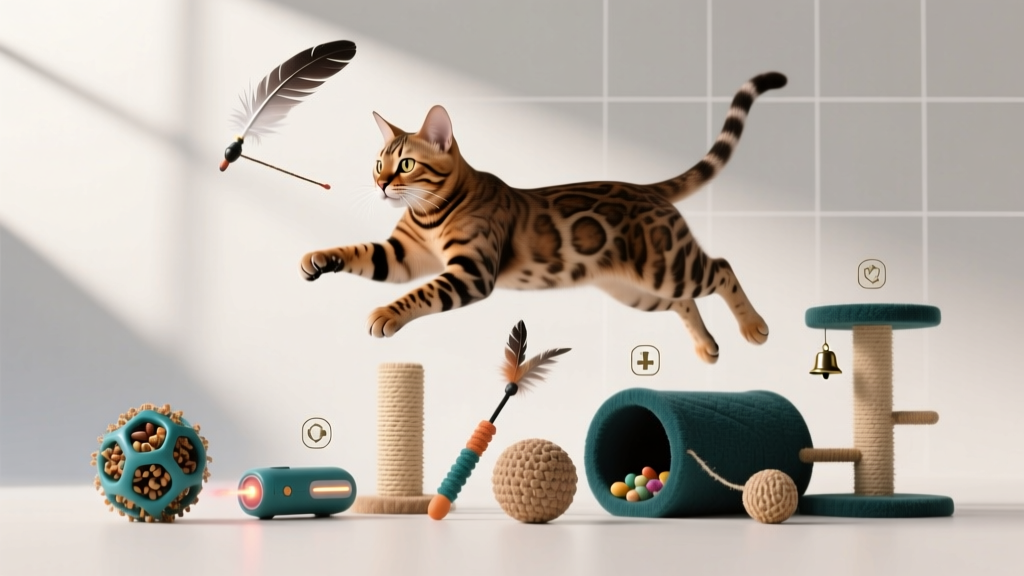
- Daily play: 10–20 minutes, 1–2 sessions (wand toys, chase games, fetch for the retriever-types)
- Climbing: Tall cat trees and wall shelves are perfect for large forest cats
- Puzzle feeders: Great for smart, food-motivated breeds
- Leash training: Often successful with Maine Coons, Siberians, and Norwegian Forest Cats when started patiently
Diet for Coat, Size, and Overall Health
Feather-tail cats look their best with a diet that supports skin and coat health—and larger breeds need careful portion control to protect joints and heart health.
- Protein-forward nutrition: Cats thrive on animal-based protein for muscle and coat quality.
- Omega-3 fatty acids (EPA/DHA): Can help coat shine and skin comfort (talk to your vet before supplementing).
- Hairball control: Some cats benefit from hairball-formula foods or added fiber—grooming still does the heavy lifting.
- Fresh water: Many longhaired cats do well with a fountain to encourage drinking.
Compatibility with Families, Children, and Other Pets
Many plume-tail cats are wonderfully suited to family life, especially when well-socialized. The key is matching the breed’s energy level and sociability to your home.
- With children: Ragdolls, Maine Coons, and Siberians are often patient and tolerant, especially with respectful kids. Teach children not to grab the tail—even a fluffy one.
- With dogs: Confident, social cats (Maine Coon, Siberian, Norwegian Forest Cat) often adapt well to cat-savvy dogs and proper introductions.
- With other cats: Many do fine, but highly social cats may struggle if they’re left alone too much. A second pet can be a great match.
If you want a plume-tail cat who doubles as a friendly household ambassador, prioritize breeders/rescues who can describe the cat’s temperament and social history clearly.
Pros and Cons of Owning This Breed Type
| Pros | Cons |
|---|---|
| Stunning feather-tail “plume” look that turns heads | More grooming time (and more fur in your life) |
| Often social, people-oriented personalities | Hairballs can be an ongoing project |
| Many are playful, smart, and engaging companions | Large breeds can have higher food/litter costs |
| Great variety of coat colors and patterns | Some breeds have known genetic health risks (screening matters) |
| Cold-weather coats feel plush and comforting | Mats can form quickly if brushing slips |
FAQ: Plume Cat (Feather-Tail) Questions
Is the Plume Cat an official breed?
No. “Plume Cat” is a nickname people use for cats—usually longhaired or semi-longhaired breeds—known for a feather-like, plumed tail. Common examples include the Maine Coon, Norwegian Forest Cat, Siberian, Turkish Angora, Ragdoll, and Persian.
Which cat breed has the most dramatic feather tail?
If you’re after maximum “wow,” many cat lovers point to the Maine Coon for a huge, bushy plume, and the Norwegian Forest Cat for a thick, weatherproof plume. For a lighter, silky feather effect, the Turkish Angora is a standout.
Do plume-tail cats shed a lot?
Most do shed—some seasonally, some year-round. Double-coated breeds (like Siberians and Norwegian Forest Cats) can “blow coat” seasonally, which means extra brushing for a few weeks.
How do I prevent mats in a feather-tail cat?
Comb the tail and “pants” (back legs) a few times a week, increase grooming during shedding seasons, and don’t wait on small tangles. A wide-tooth comb followed by gentle brushing works well for many cats.
Are plume-tail cats good for first-time owners?
They can be, especially if you choose a friendly, easygoing breed type and you’re willing to commit to grooming. First-time owners often do great with social breeds like Ragdolls and well-socialized Maine Coons—just be realistic about coat care.
Can I find a plume-tail cat at a shelter?
Yes. Many mixed-breed longhaired cats have gorgeous feather tails. A “domestic longhair” from a rescue can deliver the plume look without needing a specific pedigree.
Warm Signoff
A feather-tail cat brings a special kind of joy: the soft swish of a plume around your ankles, the elegant curl over a cat tree perch, the way that fluffy tail signals confidence, curiosity, and comfort all at once. Whether your “Plume Cat” ends up being a Maine Coon, a Turkish Angora, a Siberian, or a glorious shelter surprise, the secret is the same—good grooming habits, thoughtful health care, and a home that appreciates a little everyday drama (the fluffy kind).
Want to keep exploring cats with legendary coats, big personalities, and signature features? Browse more breed profiles on catloversbase.com and find the feline that fits your life perfectly.