Selkirk Rex: Curly-Coated Plush Cat
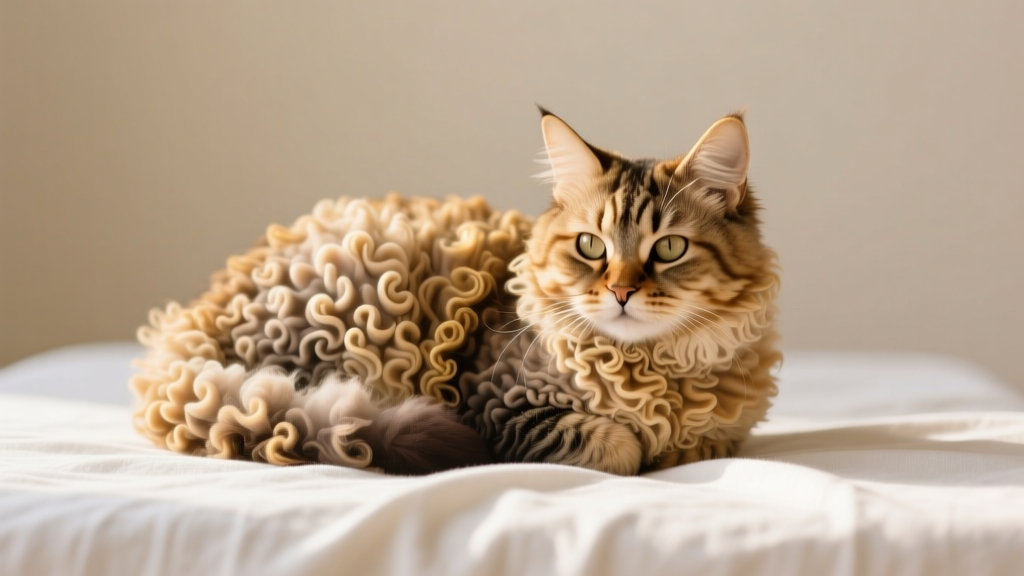
If you’ve ever wished for a cat that feels like a living teddy bear—soft, substantial, and irresistibly snuggle-ready—the Selkirk Rex might be your dream companion. This is the curly-coated plush cat of the feline world: round-faced, sweet-eyed, and wrapped in a coat of loose curls that begs to be touched.
What makes Selkirk Rex cats especially lovable isn’t just their “just rolled out of bed” curls. It’s their gentle, people-friendly nature. Many Selkirks adore being part of everyday life—lounging on the couch with you, supervising chores, and popping over for affectionate check-ins. They’re often described as calm, patient, and quietly hilarious, with a big, soft presence that makes a home feel instantly cozier.
Whether you’re researching Rex cat breeds, looking for a family-friendly cat, or simply captivated by that plush curly coat, the Selkirk Rex is a breed worth getting to know.
Breed History and Origin
The Selkirk Rex is a relatively young cat breed with a delightfully specific origin story. In 1987, in Montana (USA), a rescued cat gave birth to a litter that included one kitten with an unusually curly coat. That kitten, named Miss DePesto of Noface, became the foundation of the breed.
Breeders discovered that the Selkirk Rex curl is caused by a dominant gene—a key difference from the Devon Rex and Cornish Rex, whose curls come from recessive genes. Early breeding programs included outcrosses to breeds such as the Persian, Exotic Shorthair, and British Shorthair, which helped shape the Selkirk’s rounded head, plush body, and easygoing temperament.
The breed’s name is unusual, too. “Selkirk” is taken from the Selkirk Mountains, and it’s one of the only cat breeds named after a person (according to breed lore, the breeder’s stepfather). “Rex” is commonly used for curly-coated animals.
Physical Characteristics
Think: sturdy body, round cheeks, and a cloud of curls. Selkirk Rex cats come in both shorthair and longhair varieties, and both can look adorably tousled.
| Feature | Selkirk Rex Details |
|---|---|
| Size | Medium to large; muscular, heavy-boned, and “solid” feeling |
| Weight | Typically 6–16 lb (females often smaller than males) |
| Body Type | Cobby to semi-cobby; broad chest; sturdy legs |
| Head | Round head with full cheeks; well-defined muzzle |
| Eyes | Large, round, expressive; many eye colors depending on coat color |
| Ears | Medium-sized; may show curls inside |
| Coat | Dense, plush, and curly; both shorthair and longhair varieties |
| Colors & Patterns | Found in nearly all colors and patterns (solids, tabbies, bicolors, torties, colorpoints, and more) |
That famous Selkirk Rex coat
- Texture: Soft and thick rather than fine and sleek; often described as “plush.”
- Curl pattern: Loose curls and waves all over the body; the neck and tail can be especially curly.
- Whiskers: Frequently curly or crinkled—one of the cutest breed details.
- Variety: Kittens can change coat texture as they grow; curls sometimes loosen during adolescence and return later.
Personality and Temperament Traits
Selkirk Rex cats tend to be affectionate without being demanding—social, but not constantly “in your face.” Many settle into family rhythms beautifully, making them popular with cat lovers who want a relaxed, friendly companion.
- Sweet and people-oriented: Often enjoy being near their humans and may follow you from room to room.
- Calm confidence: Usually not high-strung; many Selkirks handle normal household activity well.
- Playful in a gentle way: They’ll chase a wand toy or bat a ball, but aren’t typically nonstop athletes.
- Patient and tolerant: Often a good match for respectful children and multi-pet homes.
- Quietly funny: Their expressions plus that fluffy coat give them a “stuffed animal” vibe that makes everyday moments more charming.
Of course, temperament varies by individual and upbringing. A well-socialized Selkirk Rex kitten raised with kind handling usually grows into a friendly, easy companion.
Health Considerations and Common Issues
The Selkirk Rex is generally a robust breed, but the breed’s development included Persian and British Shorthair lines, so responsible breeders keep a close eye on certain inherited conditions.
- Polycystic kidney disease (PKD): Seen in some Persian-related lines. Ethical breeders use DNA testing and careful selection to reduce risk.
- Hypertrophic cardiomyopathy (HCM): A heart condition found across many breeds (and mixed cats). Some breeders use echocardiogram screening programs.
- Hip dysplasia: Can occur in heavier, sturdier breeds. Maintaining a healthy weight helps reduce strain.
- Skin/coat issues: The plush coat can trap oils; some individuals may get greasy spots or mild irritation if grooming is neglected.
If you’re purchasing a Selkirk Rex, look for a breeder who shares health testing practices openly, offers veterinary records, and prioritizes temperament. For adopters, regular wellness care and early baseline screening with your veterinarian can help you stay ahead of potential issues.
Care Requirements
Grooming
Yes, they’re curly—but grooming is still part of the deal. The goal is to keep the coat clean, comfortable, and tangle-free without over-brushing the curls into frizz.
- Selkirk Rex shorthair: Usually needs a gentle comb-through about 1–2 times per week.
- Selkirk Rex longhair: Often needs 2–3 grooming sessions per week to prevent mats, especially around the collar area, belly, and behind the legs.
- Bathing: Some Selkirks benefit from occasional baths, particularly if their coat gets oily. Use a cat-safe shampoo and follow with thorough drying in a warm room.
- Pro tip: A wide-tooth comb is often better than a slicker brush for preserving curls.
- Ears, nails, teeth: Check ears weekly, trim nails every few weeks, and aim for regular dental care (brushing or vet-approved dental support).
Exercise and enrichment
Selkirk Rex cats typically enjoy interactive play, but they’re not usually “bounce-off-the-walls” cats. A few short play sessions a day can keep them fit and mentally happy.
- Wand toys and feather teasers for gentle chasing
- Food puzzles to slow eating and add mental stimulation
- Cat trees and window perches for climbing and lounging
- Soft toys they can “hunt” and carry
Diet and weight management
Because Selkirks can be sturdy and food-motivated, weight management matters. Extra pounds can stress joints and overall health.
- Choose a high-quality, protein-forward diet appropriate for your cat’s life stage.
- Measure portions rather than free-feeding (unless your vet advises otherwise).
- Use treats strategically—small rewards during training or grooming work best.
- Ask your veterinarian about an ideal body condition score and target weight range.
Compatibility with Families, Children, and Other Pets
The Selkirk Rex is often a wonderful family cat: affectionate, steady, and generally adaptable. They’re not typically “one-person only” cats, though they may form a special bond with a favorite human.
- With children: Commonly tolerant and patient when children are taught gentle handling (no tail pulling, no chasing, no surprise hugs).
- With other cats: Many Selkirks do well with friendly cats, especially with a slow introduction and enough resources (litter boxes, perches, hiding spots).
- With dogs: Often compatible with calm, cat-savvy dogs. Early socialization and safe escape routes make a big difference.
- Home environment: Suits apartments or houses; they typically value comfort and companionship more than huge territory.
If you work long hours, consider whether your Selkirk Rex would benefit from a companion pet, regular playtime, or structured enrichment to prevent boredom.
Pros and Cons of Owning a Selkirk Rex
| Pros | Cons |
|---|---|
|
|
FAQ: Selkirk Rex Cats
Do Selkirk Rex cats shed?
Yes. The Selkirk Rex coat is curly, not non-shedding. They still shed like other cats, and longhair Selkirks can leave more noticeable fluff. Regular gentle grooming helps manage loose hair.
Are Selkirk Rex cats hypoallergenic?
No cat breed is truly hypoallergenic. Some people find certain cats easier to live with, but Selkirk Rex cats still produce common allergens (like Fel d 1). If allergies are a concern, spend time with the breed before committing.
How big do Selkirk Rex cats get?
They’re usually medium to large, commonly around 6–16 pounds. Males tend to be larger and more heavily built, but individual size depends on genetics, diet, and activity.
Does the Selkirk Rex coat require special grooming?
It’s not difficult, but it is different. Over-brushing can make the coat look fluffy and frizzy rather than nicely curled. A wide-tooth comb, gentle handling, and consistent maintenance are your best tools—especially for the longhair Selkirk Rex.
Are Selkirk Rex cats cuddly?
Many are. The breed is known for a sweet, affectionate temperament, and lots of Selkirks enjoy lap time or curling up close by. Like all cats, individual preferences vary.
Is the Selkirk Rex the same as Devon Rex or Cornish Rex?
They’re all Rex breeds with curly coats, but they’re quite different. Selkirk Rex cats are generally heavier, rounder, and plush-coated, while Devon Rex and Cornish Rex cats tend to have leaner bodies and shorter, finer coats.
A Warm Wrap-Up
The Selkirk Rex is the kind of cat that makes visitors stop mid-sentence just to ask, “Is that cat… curly?” Between the plush coat, round features, and famously sweet personality, this breed brings a special kind of comfort to a home—equal parts whimsical and deeply companionable.
If you’re drawn to a gentle, people-loving cat with a one-of-a-kind look, the Selkirk Rex may be a perfect match. Give them good grooming habits, steady playtime, and plenty of affection, and they’ll happily return the favor in cozy, curly-coated style.
Want to keep exploring amazing cat breeds? Visit catloversbase.com for more breed profiles, care guides, and cat-lover favorites.