Fable Cat: Storybook-Inspired Naming Breed
Some cats feel like they’ve stepped right out of a story—glowing eyes in a moonlit hallway, a tail held high like a question mark, and a talent for turning everyday life into a little adventure. That’s the magic people are chasing when they search for the Fable Cat: a “storybook-inspired naming breed” that sounds like it belongs in a library, not a cattery.
Here’s the twist (and it matters if you’re researching breeds): the Fable Cat is not an officially recognized cat breed in major registries like TICA, CFA, or FIFe. Instead, “Fable Cat” is a popular concept used by cat lovers, rescues, and some boutique breeders to describe cats—often mixed-breed companions—chosen and celebrated for their mythic vibe, expressive looks, and, especially, their storybook-inspired names.
If you’re hoping to welcome a “Fable Cat” into your home, you absolutely can. You’ll simply be choosing a cat whose appearance and personality fit that enchanting theme. This guide walks you through what “Fable Cat” typically means, the common physical and temperament traits people associate with it, how to care for one, and how to pick the perfect name worthy of a legend.
Breed History and Origin
Because the Fable Cat isn’t a standardized breed with a single origin story (no closed stud books or official breed clubs), its “history” is more cultural than genetic. The term grew out of:
- Social media naming trends where cats with dramatic coats, striking eyes, or regal posture were paired with fantasy or folktale names.
- Rescue and shelter communities using creative, memorable names to help cats stand out for adoption—think “Nimbus,” “Bracken,” or “Eowyn.”
- Modern cottagecore and fantasy aesthetics that celebrate nature, whimsy, and old-world storytelling.
- Owners’ desire for a “breed-like” identity centered on personality and presentation rather than strict pedigree.
In practice, a “Fable Cat” might be a domestic shorthair with a smoky coat and mysterious eyes, a fluffy domestic longhair that looks like a tiny forest guardian, or a mixed-breed cat with a particularly expressive face. You’re not buying a standardized breed; you’re adopting (or selecting) a cat who fits a storybook archetype.
Physical Characteristics
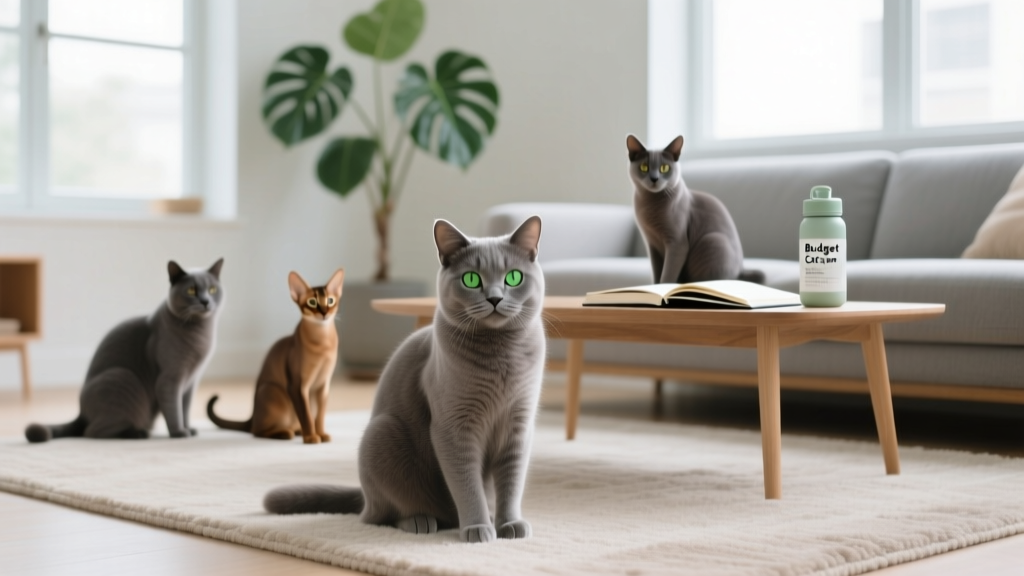
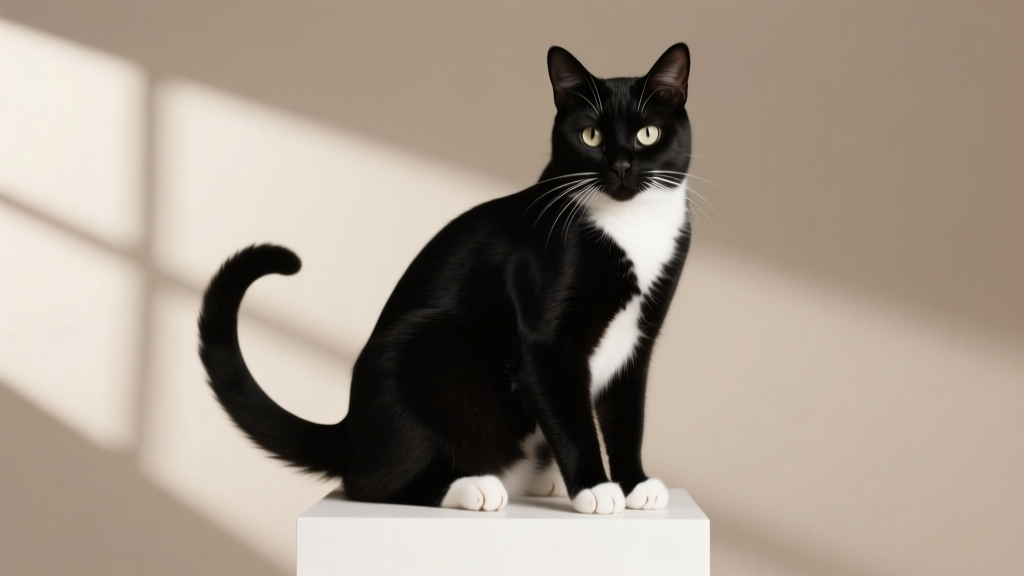
Since “Fable Cat” is a type rather than a recognized breed, physical traits vary widely. Still, cats labeled as Fable Cats often share an overall aesthetic: striking eyes, dramatic coat patterns, and a silhouette that feels a bit “enchanted.”
| Trait | Typical Range for “Fable Cat” Cats | Notes |
|---|---|---|
| Size | Small to large | Most are average-sized adult cats; some have a naturally “regal” presence. |
| Weight | 7–15 lbs (3.2–6.8 kg) | Depends on genetics, sex, and body type. A healthy shape matters more than the number. |
| Coat length | Short, medium, or long | Longer coats often get labeled “fable-like” thanks to their dramatic flow. |
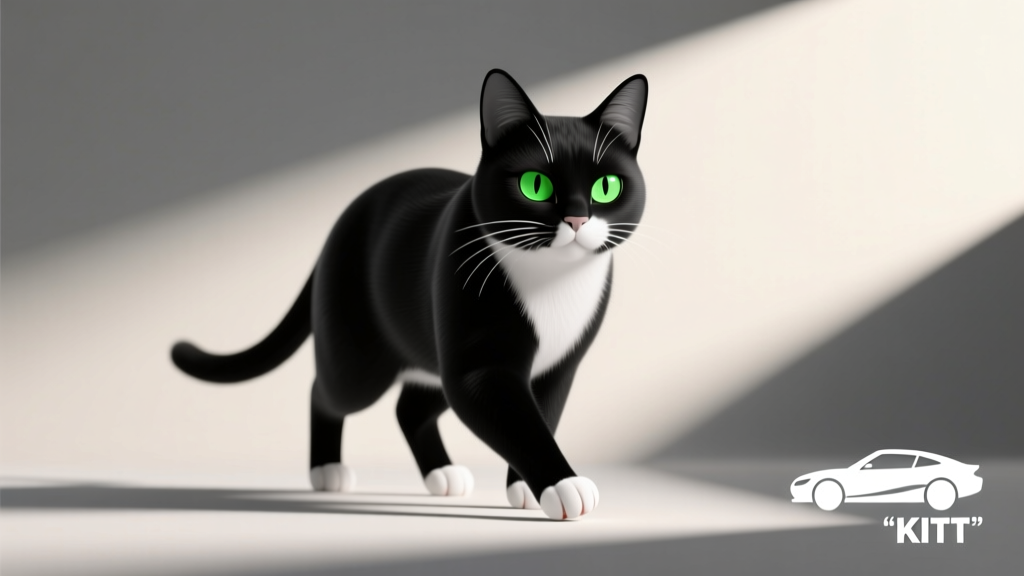
| Colors & patterns | All colors; especially black, smoke, tabby, tortoiseshell, colorpoint | High-contrast patterns and “mystic” shades (smoke, silver, blue) are common favorites. |
| Eyes | Any color; often gold, green, or copper emphasized | Owners gravitate toward cats with bright, expressive eyes. |
Distinctive Features People Associate With the Fable Cat Look
- Tufted ears (more common in longhaired mixes)
- Plumed tail that adds instant “storybook” drama
- Ruff or mane around the neck in fluffier cats
- Bold facial markings (mask-like tabby stripes, tortie splashes, colorpoint contrast)
- “Wise” expression—prominent whisker pads or almond-shaped eyes that read as thoughtful
If you’re searching online for a “Fable Cat breed,” you’ll also see overlap with real breeds and types that naturally fit the theme—like Maine Coon mixes, Norwegian Forest Cat-like longhairs, or cats with colorpoint patterns reminiscent of Siamese ancestry. Just remember: resemblance doesn’t equal pedigree.
Personality and Temperament Traits
The best part of the Fable Cat idea is that it celebrates personality as much as looks. While temperament will vary by individual cat (and early socialization), many “Fable Cats” are described as:
- Curious explorers who want to inspect every box, bag, and bookshelf
- Affectionate on their terms—close by, supervising, then popping in for cuddles
- Playful hunters with a flair for dramatic pounces
- People-aware and responsive to routine (they know when it’s dinner time in every realm)
- Chatty or quietly communicative—trills, chirps, slow blinks, or soft meows
If you want a cat who feels like a companion in your daily “chapter,” look for one that seeks interaction, recovers quickly after mild surprises, and shows relaxed body language around new people. A true Fable Cat energy is less about being fearless and more about being confidently curious.
Health Considerations and Common Issues
Because “Fable Cat” usually means a mixed-breed domestic cat, many have the advantage of broader genetic diversity. That can reduce the risk of certain inherited conditions seen in some pedigreed lines. Still, any cat can develop health issues, and some “fable-looking” cats (especially longhaired or large-bodied mixes) have a few predictable concerns.
Common Health Considerations
- Dental disease (tartar, gingivitis, resorptive lesions) – extremely common in pet cats overall
- Obesity – especially in indoor cats without regular play routines
- Hairballs – more frequent in medium and long coats
- Urinary issues (FLUTD, cystitis) – stress and low water intake can contribute
- Parasites (fleas, worms) – preventable with vet-guided protection
If your Fable Cat resembles a specific breed type (for example, a very large longhair with a square muzzle), ask your vet about screening and prevention for issues sometimes associated with those lines. For mixed cats without pedigrees, focus on practical wellness: weight management, dental care, hydration, and stress reduction.
Recommended Preventive Care
- Annual (or twice-yearly for seniors) wellness exams
- Spay/neuter unless you’re working with a reputable, ethical breeding program
- Vaccinations based on lifestyle (indoor-only vs. indoor/outdoor)
- Dental checkups and at-home tooth brushing when possible
- Routine bloodwork for adult cats and especially seniors
Care Requirements (Grooming, Exercise, Diet)
Fable Cats thrive on cozy routines and a home that lets them express their inner hero (or mischievous imp). Care needs depend mostly on coat length and activity level.
Grooming
- Shorthaired Fable Cats: Brush 1x per week to remove loose fur and reduce shedding.
- Medium/longhaired Fable Cats: Brush 3–5x per week. Focus on the ruff, belly, and behind the legs where mats love to form.
- Nails: Trim every 2–4 weeks.
- Ears: Check weekly; clean only if your vet recommends and you see wax/debris.
- Hairball support: Regular brushing plus hydration helps more than any “miracle” product.
Exercise and Enrichment
If a Fable Cat had a job title, it might be “Curator of Household Mysteries.” Give them outlets for that curiosity:
- Two play sessions per day (10–15 minutes each) with wand toys or chase games
- Cat trees and window perches for surveying their “kingdom”
- Puzzle feeders or treat balls to keep the mind busy
- Rotation of toys weekly to keep things feeling fresh
Diet
There’s no single “Fable Cat diet,” but there is a recipe for a healthy, glossy-coated companion:
- High-quality complete diet (wet, dry, or a vet-approved combo) appropriate for your cat’s life stage
- Portion control based on body condition score, not just label directions
- Hydration support via wet food, water fountains, and multiple water stations
- Slow transitions when changing foods to avoid stomach upset
For longhaired “storybook” fluffballs, keeping them lean isn’t just about looks—it reduces matting, supports joint health, and makes grooming easier for everyone.
Compatibility With Families, Children, and Other Pets
Most cats that get called Fable Cats are chosen because they’re socially appealing—friendly, confident, and expressive. With that said, compatibility depends on the individual cat’s comfort and early experiences.
- Families: Great match if the household respects cat boundaries and provides routine.
- Children: Often wonderful with gentle kids who know “pet, don’t grab.” Teach children to avoid chasing and to let the cat walk away.
- Dogs: Many do well with calm, cat-savvy dogs after slow introductions. Provide vertical escapes (cat trees, shelves).
- Other cats: Typically fine with proper introductions and enough resources (multiple litter boxes, food stations, resting spots).
For multi-pet homes, the secret is setting the scene: separate spaces at first, scent swaps, short visual meetings, and lots of rewards. A confident “fable” personality often blossoms when the cat feels in control of their environment.
Pros and Cons of Owning a Fable Cat
| Pros | Cons |
|---|---|
| Unique, enchanting look and vibe—every one feels one-of-a-kind | Not a recognized breed, so traits aren’t predictable like a standardized pedigree |
| Often mixed-breed health advantages due to genetic diversity | Temperament varies widely; you must choose the individual cat, not the label |
| Perfect for creative naming—myth, folklore, fantasy, and literature themes | Some longhaired “fable” types need frequent brushing to prevent mats |
| Commonly available through shelters/rescues (adoption-friendly “breed”) | Search results can be confusing because “Fable Cat” is more aesthetic than lineage |
| Great conversation starter for cat enthusiasts and breed researchers | May be misrepresented by unethical sellers—always verify health and background |
FAQ: Fable Cat Breed Questions
Is the Fable Cat a real breed?
The Fable Cat is best described as a storybook-inspired naming and aesthetic category, not an officially recognized cat breed in major registries. People use it to describe cats with a magical vibe—often mixed-breed domestic cats.
How do I find a Fable Cat?
Start with local shelters and rescues, where you can meet cats in person and choose one whose personality feels like a match. If you’re seeking a specific look (very fluffy, smoke coat, dramatic eyes), tell counselors what you love and be patient—your “character” will show up.
Do Fable Cats have special care needs?
Care needs depend on coat length and lifestyle. Longhaired cats need frequent brushing, and all cats benefit from daily play, a balanced diet, and regular vet care. There’s no unique requirement tied to the “Fable” label itself.
Are Fable Cats good with kids?
Many are, especially confident, social cats. The key is teaching children gentle handling and giving the cat safe retreat spaces. A calm, respectful home brings out the sweetest side of most cats.
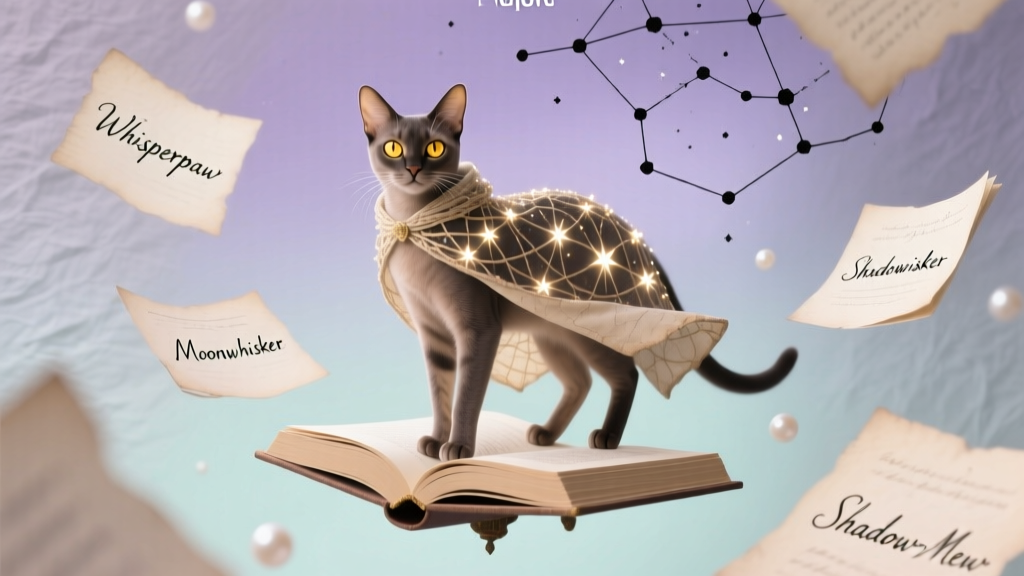
What are good storybook-inspired Fable Cat names?
Try names that feel like they belong in a forest, a myth, or a well-worn novel. Popular Fable Cat name styles include:
- Folklore: Brigid, Puck, Selkie, Rowan
- Nature-mystic: Nimbus, Thistle, Ember, Wren
- Classic storybook: Pip, Matilda, Darcy, Wendy
- Mythic: Atlas, Freya, Orion, Nyx
Choosing Your Own “Fable Cat” (What to Look For)
If you’re drawn to the Fable Cat breed idea, you’ll be happiest if you choose based on temperament and health first, then let the storybook theme be the ribbon on top.
- Bright, relaxed body language: soft eyes, tail carried comfortably, curiosity without panic
- Social potential: approaches for pets or play, engages with toys, recovers quickly from small noises
- Healthy basics: clear eyes, clean ears, good coat condition, normal breathing, steady appetite
- Coat you can maintain: if you love long fur, commit to brushing—your future self will thank you
The real charm of a Fable Cat is that they become the main character in your home—whether they’re a daring adventurer, a cozy librarian, or a mischievous sprite who steals socks and hearts.
Warm Signoff
If your dream cat is less “cookie-cutter breed standard” and more “once upon a time,” the Fable Cat concept might be exactly your style. Choose a healthy, well-socialized cat, build a routine full of play and comfort, and then give them a name that sounds like it belongs on the spine of a favorite book. That’s how a regular day turns into a tiny legend.
Looking for more whiskered heroes and breed deep-dives? Explore more cat breed profiles on catloversbase.com.