Ocicat: Wild Looks Without the Wild Genes
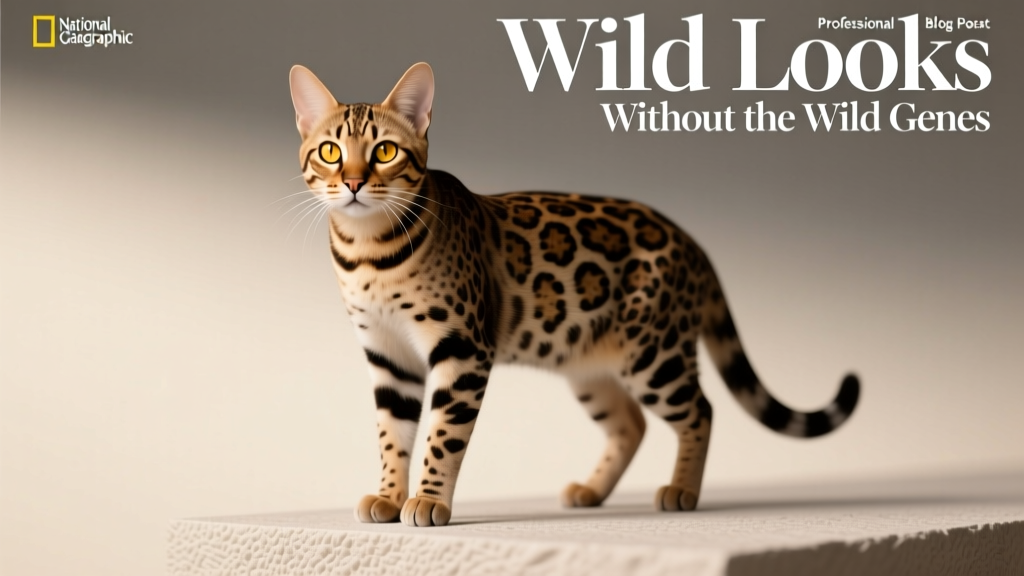
If you’ve ever wished you could share your home with a spotted “mini wildcat” without the unpredictability of hybrid breeds, the Ocicat may be your dream come true. With bold leopard-like markings, an athletic build, and a confident strut, this breed turns heads everywhere it goes—yet it’s 100% domestic cat. No serval, no leopard cat, no wild DNA required.
What really wins people over, though, isn’t just the Ocicat’s dramatic coat. It’s the personality: outgoing, interactive, and often described as “dog-like” in the best way. Many Ocicats follow their people from room to room, learn tricks quickly, and insist on being part of the action—whether that’s supervising dinner prep or “helping” you answer emails.
This guide covers Ocicat history, appearance, temperament, health, daily care, and what it’s like to live with one—so you can decide if this striking spotted cat is the right match for your household.
Breed History and Origin
The Ocicat’s origin story is a happy accident with a very stylish outcome. The breed began in the United States in the 1960s when breeder Virginia Daly set out to create an Abyssinian-pointed Siamese. In 1964, a spotted kitten appeared in a litter—unexpected, memorable, and reminiscent of an ocelot. That kitten, Tonga, inspired the name “Ocicat” (even though the breed has no wild ancestry).
As interest grew, additional breeding programs helped establish the Ocicat’s distinctive look and robust temperament. The Abyssinian contributed ticking and warm color tones, the Siamese added refinement and people-focus, and later American Shorthair was introduced to bring in heavier bone structure and the attractive silver color group. Cat fanciers embraced the idea of a domestic cat with wild styling, and the Ocicat became recognized by major registries over time (including widespread recognition in North America).
Today, the Ocicat is celebrated as a carefully developed, purely domestic spotted breed—flashy on the outside, friendly at heart.
Physical Characteristics
The Ocicat is medium to large, solid and athletic rather than delicate. Think “sleek powerhouse”: a cat built for speed, climbing, and confident movement. Their spots aren’t random either—good Ocicat patterning has clear, thumbprint-like spots marching over the body in rows, with strong contrast against the background color.
| Feature | Typical Ocicat Traits |
|---|---|
| Size | Medium to large, muscular and athletic |
| Weight | Typically 6–12+ lbs (females often smaller; males often larger) |
| Body Type | Long, substantial, well-muscled; surprisingly heavy when picked up |
| Head & Face | Modified wedge with gentle curves; strong chin; alert expression |
| Ears | Moderately large, set at a slight angle; sometimes with tufting |
| Eyes | Large, almond-shaped; many shades (often gold/green); typically not blue |
| Coat | Short, sleek, satiny; lies close to the body |
| Pattern | Distinct spots with good contrast; “wildcat” look without wild genes |
Coat Colors and Pattern Details
Ocicats come in a range of beautiful colors, usually described in “spotted tabby” terms. Depending on the cat registry and lineage, you’ll commonly see:
- Tawny (a warm brown base with black/dark brown spotting)
- Chocolate
- Cinnamon
- Blue (a soft slate/gray effect)
- Lilac
- Fawn
- Silver varieties (the same color groups with a bright silvery background)
Distinctive Ocicat features many fans love:
- Thumbprint spots that are ideally well-defined and evenly distributed
- Facial markings typical of tabbies (including eyeliner-like accents)
- A confident, athletic posture—they look ready for adventure
Personality and Temperament Traits
If the Ocicat’s spots get them noticed, their personality seals the deal. This is a social, people-oriented breed that tends to thrive when included in daily life. Many Ocicats greet visitors, “talk” with expressive chirps, and happily participate in play sessions well past kittenhood.
Common Ocicat temperament traits include:
- Outgoing and friendly: Often comfortable with guests and new situations, especially when well-socialized.
- Playful and energetic: They love climbing, chasing, fetching toys, and puzzle games.
- Smart and trainable: Many learn sit, come, high-five, leash walking, and clicker tricks.
- Affectionate without being clingy (sometimes): They enjoy cuddles, but they also like staying busy and involved.
- Confident: Not typically a “hide under the bed” type once settled.
Because Ocicats are so social, they may struggle with long hours alone. If your household is out all day, consider a second pet companion or extra enrichment to keep your Ocicat mentally satisfied.
Health Considerations and Common Issues
Ocicats are generally robust, athletic cats, especially when sourced from responsible breeders who prioritize health and temperament. Like many pedigreed breeds with Abyssinian and Siamese ancestry, there are a few health considerations worth knowing before you bring one home.
- Dental disease: Some lines may be prone to gingivitis and tartar buildup. Regular dental care can make a big difference.
- Heart concerns (screening matters): Hypertrophic cardiomyopathy (HCM) is seen across many breeds and mixed cats. Reputable breeders often screen breeding cats when possible.
- Kidney-related issues: Amyloidosis has been associated with Abyssinian-related ancestry in some populations. Ask breeders what they do to monitor and reduce risk.
- Overall weight and joint stress: Ocicats love food and fun. Keeping them lean protects joints and supports long-term mobility.
Your best preventive strategy:
- Choose a breeder who can discuss health history openly and provides veterinary documentation.
- Schedule routine wellness exams (including dental checks).
- Feed for a healthy body condition and keep playtime consistent.
Care Requirements (Grooming, Exercise, Diet)
Grooming
The Ocicat’s short coat is a gift to busy cat parents. It doesn’t mat easily and typically needs only light maintenance.
- Brushing: Once a week is usually enough to remove loose hair and add shine.
- Nails: Trim every 2–4 weeks, depending on growth and scratching habits.
- Ears: Check weekly; clean gently if waxy (use vet-approved cleaner).
- Teeth: Aim for regular brushing (even a few times weekly helps). Dental treats and water additives can be supportive, but brushing is the gold standard.
Exercise and Enrichment
Ocicats are active cats with a big appetite for games and exploration. A bored Ocicat may invent entertainment—sometimes involving your curtains or counters.
- Vertical space: Provide cat trees, shelves, or window perches for climbing and surveying.
- Interactive play: 15–20 minutes daily (often split into two sessions) with wand toys, balls, or chase games.
- Puzzle feeders: Great for mental stimulation and slowing fast eaters.
- Training: Clicker training and leash training can be excellent outlets for their intelligence.
Diet
There’s no single “Ocicat diet,” but their athletic build does best with high-quality, protein-forward nutrition and portion control.
- Choose a balanced diet: A reputable commercial food that meets AAFCO (or equivalent) standards is a solid baseline.
- Support hydration: Wet food, water fountains, and multiple water stations can help.
- Watch portions: Ocicats can be enthusiastic eaters—measure meals and track body condition.
- Ask your vet: Especially for kittens, seniors, or cats with dental or urinary concerns.
Compatibility with Families, Children, and Other Pets
The Ocicat’s friendly, confident nature often makes them an excellent family cat. They tend to enjoy a lively home and can do very well with respectful children who understand gentle handling.
- With children: Usually a great match, especially when play is interactive (wand toys, fetch) rather than rough handling.
- With cats: Often social, particularly if introduced slowly and given enough resources (multiple litter boxes, feeding stations, and resting spots).
- With dogs: Many Ocicats do well with cat-friendly dogs and proper introductions. Their confidence can help, but supervision is still key early on.
If you want a cat who joins family movie night, supervises homework, and then sprints a victory lap through the hallway, the Ocicat fits right in.
Pros and Cons of Owning an Ocicat
| Pros | Cons |
|---|---|
| Striking wildcat look with no wild genes | Can get bored or lonely if left alone too much |
| Social, affectionate, people-oriented temperament | High energy: needs daily play and enrichment |
| Smart and often trainable (leash, tricks, puzzles) | May become demanding if attention needs aren’t met |
| Low-maintenance short coat | Dental care can be a recurring focus for some lines |
| Often great with kids and other pets | Purchase price may be higher from reputable breeders |
FAQ: Ocicat Cats
Do Ocicats have any wild cat DNA?
No. Despite the ocelot-like spotting, the Ocicat is a fully domestic breed developed from Abyssinian, Siamese, and later American Shorthair lines. The “wild” look is the result of selective breeding, not hybridization.
Are Ocicats good indoor cats?
Yes—Ocicats can thrive indoors as long as they get enough enrichment. Provide climbing space, interactive toys, and daily play. Many also enjoy leash walks or secure outdoor time in a catio.
How big does an Ocicat get?
Most Ocicats are medium to large, commonly around 6–12+ pounds, with males often larger. They’re muscular and can feel heavier than they look.
Do Ocicats like to be held and cuddled?
Many do, especially with their favorite people, but they’re often more “involved companion” than “lap-only cat.” Expect a cat who wants to be near you, interact, and play—then settle in for affection on their own terms.
Are Ocicats hypoallergenic?
No cat breed is truly hypoallergenic, and Ocicats are not considered hypoallergenic. Their short coat may shed less than some long-haired breeds, but allergens come from saliva and skin proteins, not just fur.
How much grooming does an Ocicat need?
Usually minimal: a weekly brush, routine nail trims, ear checks, and consistent dental care. Their sleek coat is one of the easier ones to maintain.
Living with an Ocicat: The Spotted Sidekick You Didn’t Know You Needed
The Ocicat is a standout breed for cat lovers who want drama in the coat and sweetness in the character. You get the bold, spotted “wildcat” aesthetic paired with a bright, friendly companion who’s ready to play, learn, and be included in your everyday routines. If you enjoy an interactive cat—one who meets you at the door, masters puzzle toys, and keeps your home lively—this breed is pure joy.
Wishing you many happy purrs and playful moments with whichever breed you choose. If you’re curious about other unique companions (from sporty athletes to mellow lap cats), explore more breed profiles on catloversbase.com.