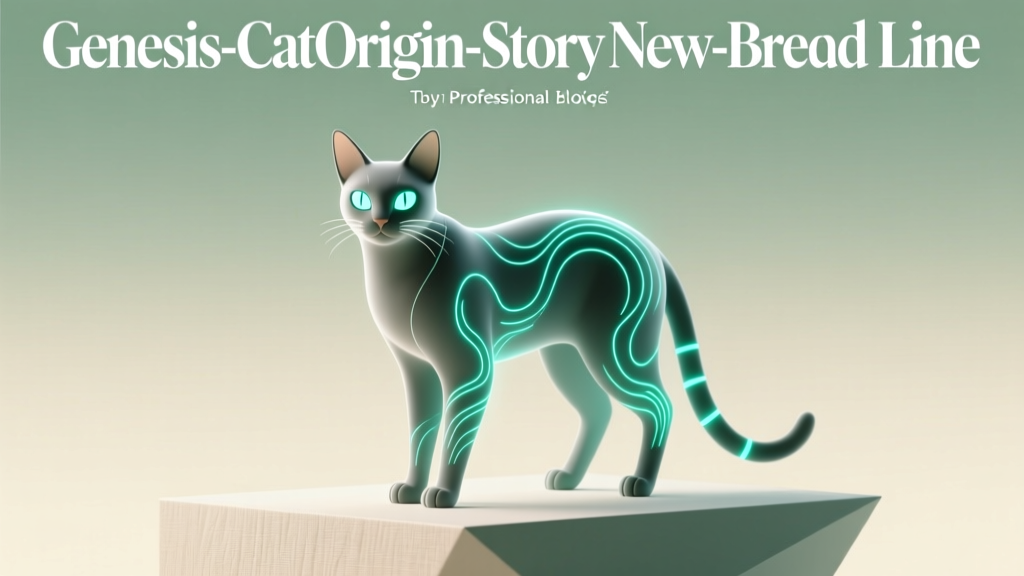
Genesis Cat: Origin-Story New Breed Line
Every so often, a new breed line appears that makes cat people sit up a little straighter—partly from curiosity, partly from the thrill of watching feline history happen in real time. The Genesis Cat is one of those “origin-story” breeds: a modern, still-developing line that has captured attention for its standout look and its promise as a carefully shaped companion cat.
For potential owners, the Genesis Cat is exciting for another reason: you can often meet the breeders, see the foundation cats, and understand exactly what goals are guiding the program. For breed researchers and enthusiasts, it’s a living case study in how new lines form—how traits stabilize, how health is protected, and how temperament is prioritized from the start.
Because the Genesis Cat is a new and emerging breed line, you’ll see some variation between catteries, and you may not find it recognized by every major registry yet. That “new-breed energy” is part of the charm—along with the responsibility to learn, ask questions, and support ethical breeding. Let’s get into what’s known, what to look for, and how to decide whether a Genesis Cat belongs in your home.
Breed History and Origin
The Genesis Cat is best described as an early-stage breed line developed through intentional, tracked breeding rather than an old, naturally occurring landrace. In other words, this is a “built from the ground up” project—hence the name “Genesis,” evoking beginnings and a fresh start.
New breed lines like this typically begin with a small group of foundation cats selected for:
- Distinctive appearance (coat type, color pattern, body style, ear set, head shape)
- Stable companion temperament (people-friendly, confident, adaptable)
- Sound health (strong hearts, healthy joints, good reproduction, robust immune systems)
Depending on the cattery’s goals, early Genesis Cat programs may involve outcrossing to established breeds or carefully chosen domestic lines to widen the gene pool. Over time, breeders work to “lock in” a consistent type while maintaining genetic diversity. That balance—consistent look, healthy variety—is the heartbeat of any responsible new-breed development.
What this means for you: you may encounter Genesis Cats with slightly different looks or coat expressions, and documentation matters. A trustworthy breeder should be able to explain the line’s goals, the cats behind the pedigree, and the health screening plan.
Physical Characteristics
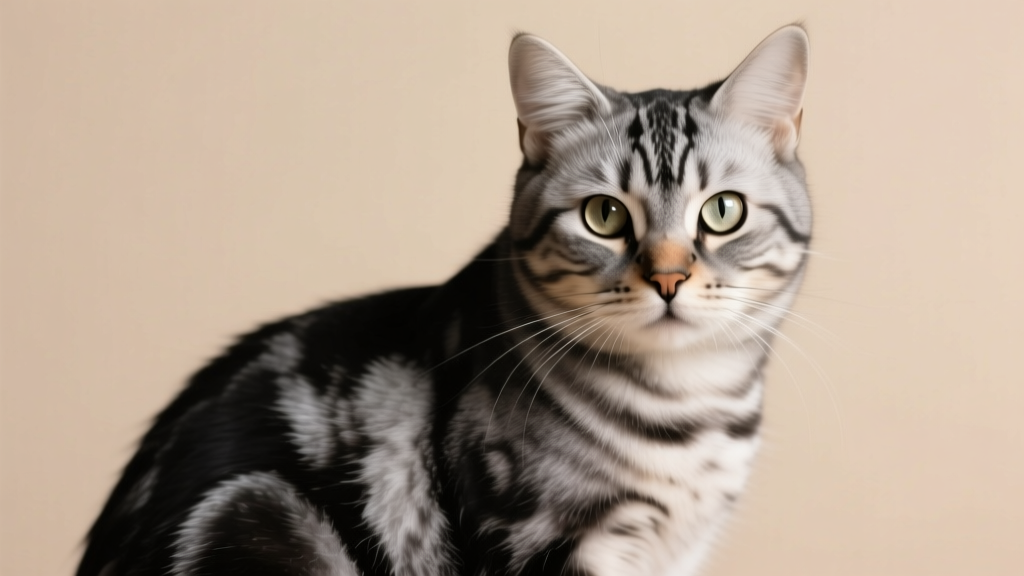
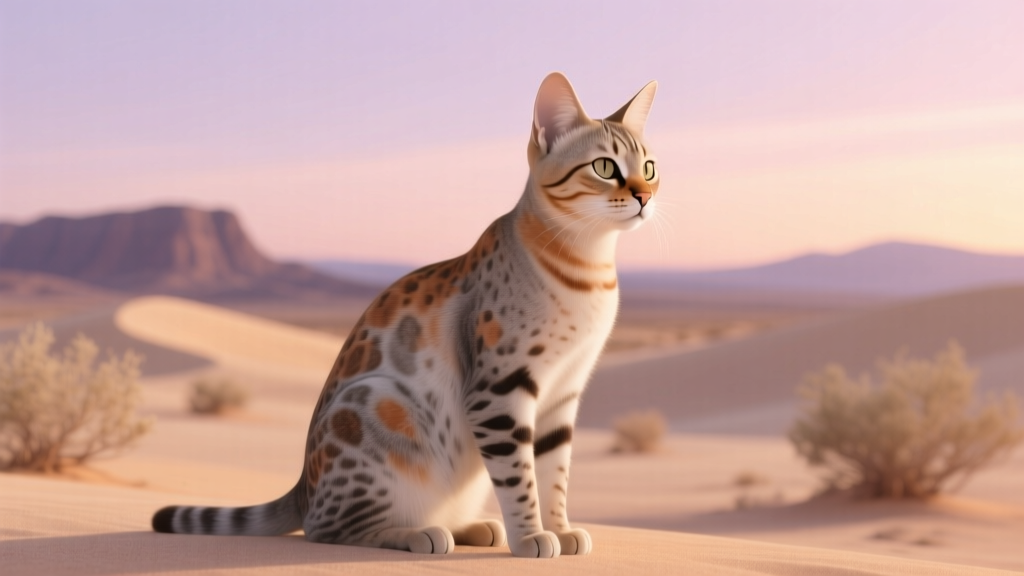
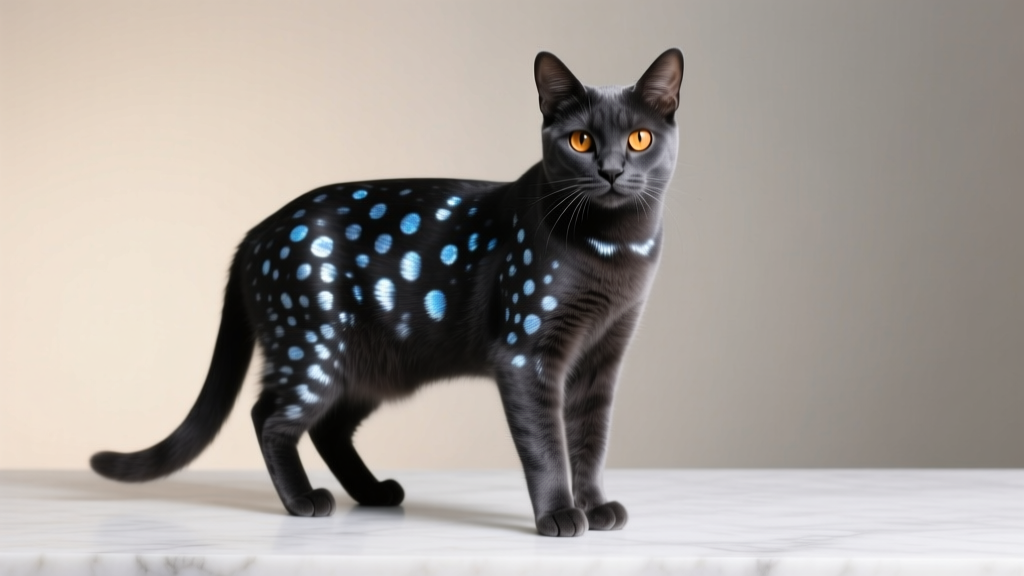
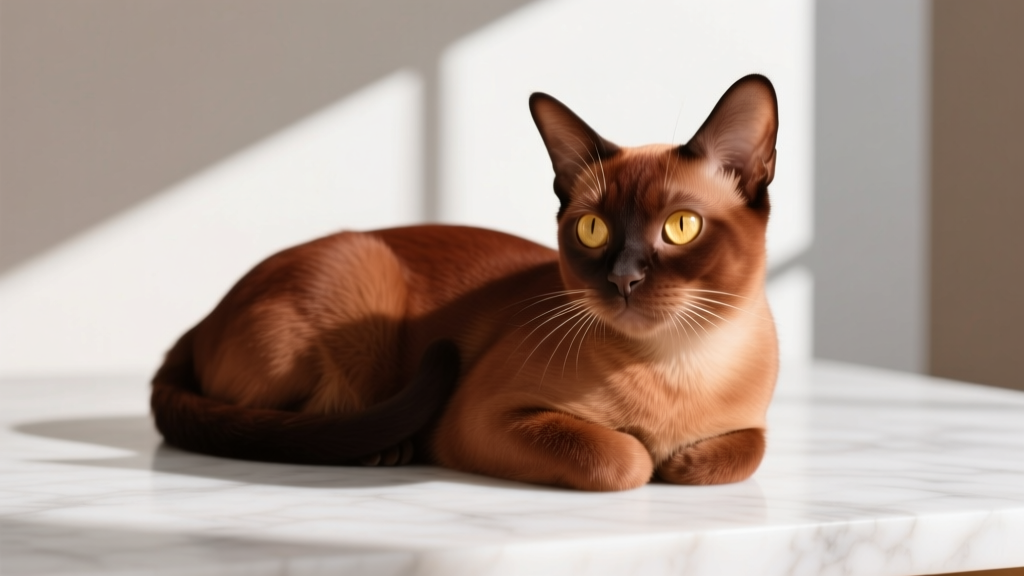
The Genesis Cat is generally promoted as a medium-sized, athletic companion with a striking, modern look. Since it’s a developing line, exact “breed standard” specifics can vary by program, but many Genesis Cats share a few common themes: a balanced body, expressive eyes, and a coat chosen for both beauty and livability.
| Feature | Typical Range/Description |
|---|---|
| Size | Medium (some lines trend medium-large) |
| Weight | Females often 7–11 lb; males often 9–14 lb (varies by line and build) |
| Body | Athletic, balanced; neither extreme cobby nor ultra-svelte |
| Head & Face | Modern wedge-to-rounded wedge; strong muzzle; alert expression |
| Ears | Medium to large; upright and attentive (ear set may vary) |
| Eyes | Large, expressive; color depends on coat genetics |
| Coat | Commonly short to medium; plush, easy-care texture favored |
| Colors/Patterns | Varies by breeding program; may include solids, tabbies, bi-colors, and other patterned coats |
Distinctive features breeders often emphasize include:
- “Designed” balance: a look that feels intentional—clean lines, tidy proportions, a polished silhouette.
- Coat practicality: many Genesis Cats are bred with a coat that feels soft but doesn’t demand constant grooming.
- Expressive presence: bright eyes, alert ears, and a curious posture that makes the cat feel “tuned in” to the room.
If you’re researching Genesis Cat kittens, ask to see adults from the line. Kittens can be misleading—adult structure, coat texture, and head shape tell the real story.
Personality and Temperament Traits
If the Genesis Cat has a “signature vibe,” it’s this: engaged companion. Most Genesis Cat programs aim for a cat that enjoys human company, adapts well to everyday life, and brings a playful, affectionate spirit without being clingy 24/7.
Commonly reported temperament traits include:
- People-oriented: wants to be near you, often following from room to room.
- Curious and confident: the type to inspect deliveries, explore new cat furniture, and “supervise” chores.
- Playful into adulthood: enjoys interactive toys, wand play, and learning simple routines.
- Socially flexible: many do well with respectful kids, cat-friendly dogs, and multi-cat homes when introduced properly.
- Communicative (but not necessarily loud): may “talk” with chirps or trills, especially at mealtime or playtime.
Because new lines can vary, temperament is one of the biggest reasons to choose a breeder carefully. A great Genesis Cat breeder will prioritize confident, affectionate kittens by handling them early, exposing them to normal household sounds, and matching kittens to the right homes.
Health Considerations and Common Issues
A well-bred Genesis Cat should be a sturdy, healthy companion—especially if breeders are intentionally protecting genetic diversity and screening foundation cats. Still, with any developing breed line, health outcomes depend heavily on the program’s standards and transparency.
Health topics to discuss with breeders:
- Cardiac screening: Ask whether breeding cats receive heart evaluations (often via echocardiogram when indicated).
- Orthopedic soundness: Confirm the line isn’t selecting for extreme traits that could compromise mobility or comfort.
- Dental health: Ask about gum disease history and whether the line tends to need extra dental care.
- Parasite prevention and vaccination plan: A solid kitten program includes vet checks, deworming, and a clear vaccine schedule.
- Genetic testing: Depending on any outcrosses used, reputable breeders may test for breed-relevant genetic conditions.
Common “new line” risks aren’t a specific disease as much as inconsistent practices: poorly tracked pedigrees, minimal screening, and overly tight linebreeding. The best protection is choosing a breeder who openly shares health records and explains why each pairing was made.
Care Requirements (Grooming, Exercise, Diet)
One reason cat lovers gravitate toward Genesis Cats is the promise of a highly interactive companion without a fussy care routine. Most coats seen in Genesis Cat lines are designed to be relatively low-maintenance, but these cats still thrive on enrichment and routine.
Grooming
- Brushing: 1–2 times weekly for short to medium coats; more during seasonal shedding.
- Nails: Trim every 2–4 weeks (or as needed).
- Ears: Check weekly; clean only if debris is present and your vet has shown you how.
- Teeth: Brush several times a week if possible; dental treats and water additives can help, but brushing is gold.
Exercise and enrichment
Genesis Cats tend to do best with daily play and a “job” to do. Plan on:
- Two play sessions per day (10–15 minutes each) with wand toys or fetch-style games.
- Vertical space: a tall cat tree, shelves, or a window perch.
- Puzzle feeders: especially if the cat eats fast or gets bored easily.
- Training: many enjoy clicker training, “sit,” target touch, and carrier-friendly routines.
Diet
There isn’t a single “Genesis Cat diet,” but the best approach is classic feline nutrition:
- High-quality protein-forward food (wet, dry, or a combination).
- Portion control to maintain a lean, athletic body condition.
- Hydration support: wet food, water fountains, multiple water stations.
If your breeder recommends a specific brand or feeding schedule, follow it for the first couple of weeks, then transition slowly if you plan to change foods.
Compatibility with Families, Children, and Other Pets
The Genesis Cat’s social, confident nature often makes it a strong candidate for busy homes—provided the household respects cat boundaries and offers routine play.
- Families: Typically excellent for families who want an interactive cat that participates in daily life.
- Children: Often a good match with children who can learn gentle handling and understand when the cat needs space.
- Other cats: Many do well in multi-cat homes, especially with proper introductions and enough resources (litter boxes, perches, feeding stations).
- Cat-friendly dogs: Frequently compatible when introductions are slow and supervised.
Household tip: Provide “yes spaces” (cat towers, hiding cubes, quiet rooms) so your Genesis Cat can choose social time rather than feeling trapped by it. Confidence grows when a cat feels in control of its environment.
Pros and Cons of Owning a Genesis Cat
| Pros | Cons |
|---|---|
| Affectionate, people-focused companion energy | As a developing line, type and traits can vary by cattery |
| Playful, curious, often easy to train | May be hard to find; limited availability and waitlists are common |
| Generally practical grooming needs (often short/medium coat) | Requires daily enrichment; can get bored without interaction |
| Potential for strong health if bred with diversity and screening | Quality depends heavily on breeder transparency and health testing |
| Often adaptable to families and multi-pet homes | Not always recognized by all registries yet (matters to some researchers/show homes) |
FAQ: Genesis Cat Breed Line
Is the Genesis Cat a recognized cat breed?
The Genesis Cat is generally considered a new and developing breed line. Recognition depends on the specific organization and the program’s documentation. If official registry status matters to you, ask the breeder which registries (if any) the cats are recorded with and what that status means.
How much does a Genesis Cat kitten cost?
Pricing varies widely based on region, rarity, and the breeder’s program. Expect costs similar to other purpose-bred kittens from ethical catteries, especially when health screening, vet care, and early socialization are done thoroughly. Always prioritize health documentation and contract terms over “bargain” pricing.
Do Genesis Cats shed a lot?
Most Genesis Cats with short-to-medium coats shed a moderate amount—often more seasonally. Weekly brushing and good nutrition usually keep shedding manageable.
Are Genesis Cats good for first-time cat owners?
They can be, especially if you want a friendly, interactive cat and you’re excited to play daily and provide enrichment. First-time owners should look for a breeder who supports you after adoption and provides clear guidance on routine, diet, and introductions.
Do Genesis Cats get along with other pets?
Many do well with other cats and cat-friendly dogs when introductions are handled slowly. Temperament also varies by individual, so ask the breeder about the kitten’s personality and experience with other animals.
What should I ask a Genesis Cat breeder before committing?
- What are the program goals for temperament, health, and appearance?
- What health tests or screenings are performed on breeding cats?
- Can I see pedigree information and meet at least one parent (or view videos)?
- How are kittens socialized, and what is your return policy?
- What support do you provide after adoption?
Warm Wrap-Up
The Genesis Cat is the kind of breed line that sparks that happy “cat person” feeling: a fresh start, a thoughtfully shaped companion, and a front-row seat to something new. If you’re drawn to a social, playful, modern-looking cat—and you enjoy the idea of partnering with a breeder who can tell you the story behind every generation—the Genesis Cat might be a wonderful match.
As with any emerging breed, your best move is to be curious: ask questions, request health documentation, and choose a breeder who cares as much about longevity and temperament as they do about looks. Wishing you many purrs, headbutts, and cozy couch moments ahead.
Want to keep exploring? Browse more cat breed profiles and feline care guides at catloversbase.com.