Mojave Spotted: Desert-Inspired Domestic Breed
If you’ve ever watched a cat slip through a sunbeam like it was born to hunt the light itself, you’ll understand the appeal of the Mojave Spotted. This desert-inspired domestic breed looks like it stepped out of a warm, sandy landscape—sleek, spotted, and always alert to whatever’s happening in its territory (which, in a home setting, is basically everything you own).
Cat lovers are drawn to the Mojave Spotted for two reasons: the eye-catching spotted coat and the bright, people-friendly personality. It’s the kind of cat that can keep up with playtime, “help” you with chores, and still curl up close when the day winds down. If you want a companion with energy, style, and a dash of wild-cat flair—without sacrificing the affectionate, domestic-cat vibe—you’re in the right place.
This guide covers Mojave Spotted history, appearance, temperament, health, care, and day-to-day living—so you can decide if this desert beauty belongs in your home.
Breed History and Origin
The Mojave Spotted is a modern, intentionally developed domestic cat breed inspired by the look of wild desert felines—particularly the crisp spotting and warm tones you’d associate with arid landscapes. Unlike hybrid breeds (which may involve wild cat ancestry), the Mojave Spotted is best described as a domestic spotted breed refined through selective breeding for:
- Distinct, well-distributed spots rather than classic stripes
- Athletic, medium build with strong hindquarters
- Confident, social temperaments suited to family life
- Short, low-maintenance coats that show pattern clearly
Most Mojave Spotted lines are reported to have been developed in the United States by breeders aiming for a “desert camo” palette—think sand, caramel, copper, and warm brown—paired with high contrast spotting. Because it’s a newer and rarer breed type, recognition can vary by registry, and availability tends to be limited to small, dedicated breeding programs.
If you’re researching the Mojave Spotted as a potential pet, ask breeders detailed questions about their lines, goals, and health testing. With emerging breeds, transparency matters even more.
Physical Characteristics
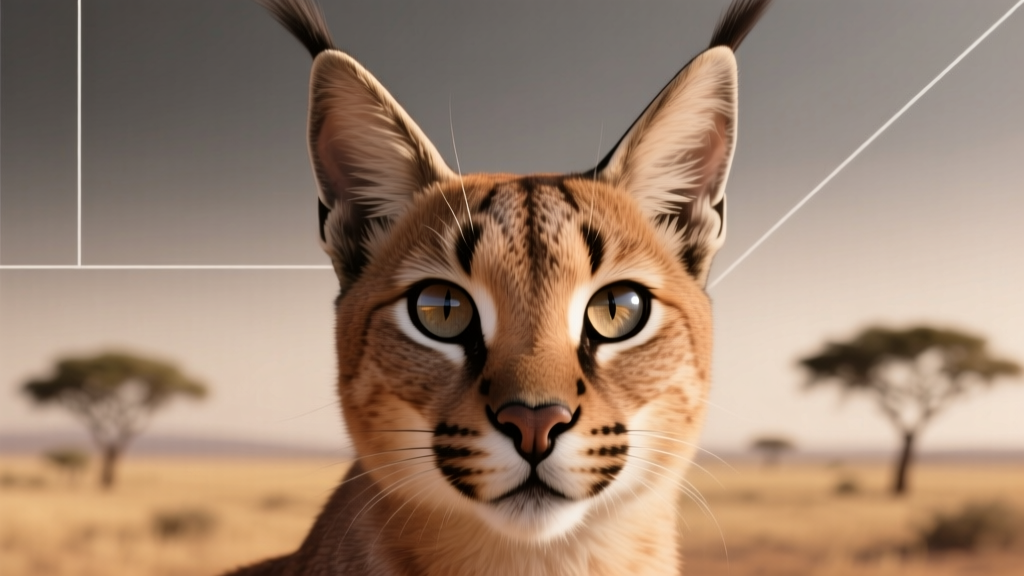
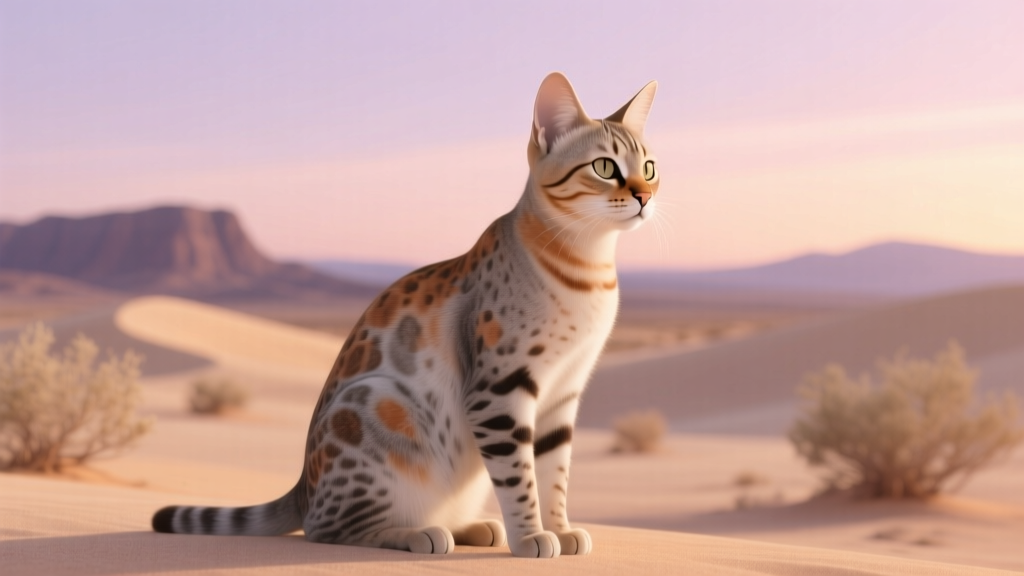
The Mojave Spotted is all about a clean, athletic silhouette and a coat that looks sun-kissed and speckled. It’s a domestic cat with a “mini wildcat” impression—without the bulk or exaggerated features you sometimes see in more extreme show lines.
| Trait | Typical Mojave Spotted Description |
|---|---|
| Size | Medium (some lines trend medium-large) |
| Weight | Females: ~7–11 lb (3.2–5 kg); Males: ~10–15 lb (4.5–6.8 kg) |
| Body | Athletic, lean-muscled, flexible; strong hindquarters |
| Coat length | Short to short-medium; close-lying |
| Coat texture | Silky to slightly resilient; “slick” feel in many cats |
| Pattern | Spotted (solid spots preferred over rosettes in many lines) |
| Eye color | Gold, amber, green; sometimes hazel |
Coat Colors and Patterns
When people search for Mojave Spotted cat colors, they’re usually picturing warm desert tones. Commonly seen palettes include:
- Sand / fawn with dark brown or seal spotting
- Golden brown with high-contrast black or espresso spots
- Copper / cinnamon-leaning tones with chocolate spotting
- Cooler beige or buff with charcoal or deep brown spots
Many Mojave Spotted cats have:
- Clear spotting along the sides (not broken striping)
- Leg barring or subtle striping on limbs
- A banded tail with a darker tip
- Facial markings like “mascara lines” that frame the eyes
Distinctive Features
- Expressive eyes that look intensely focused during play
- Longer, springy stride—these cats love to run and leap
- Spot clarity: the signature look is crisp, separated spots rather than blurry patterning
- Balanced ears (not overly large), often with slightly rounded tips
Personality and Temperament Traits
The Mojave Spotted temperament is often described as curious, interactive, and confident. If you want a cat that vanishes for hours, this may not be your match—many Mojave Spotteds prefer to be near their people, supervising daily life from a cat tree perch or trotting after you from room to room.
Typical personality traits include:
- Playful athleticism (they love chase games and vertical climbing)
- People-oriented affection (often social with familiar visitors)
- High intelligence (quick to learn routines, puzzle toys, even simple tricks)
- “Talk-back” charm (many are moderately vocal, with chirps and trills)
- Confidence rather than skittishness, especially with good early socialization
Because the Mojave Spotted thrives on engagement, they do best in homes that offer daily play, enrichment, and companionship. A bored Mojave Spotted may invent their own hobbies—like redecorating your shelves at 2 a.m.
Health Considerations and Common Issues
As a newer, selectively developed domestic breed, the Mojave Spotted doesn’t have one single “defining” genetic condition across all lines. Health depends heavily on responsible breeding, genetic diversity, and careful screening.
That said, potential concerns seen in many active, medium-sized domestic breeds (and worth discussing with breeders and your vet) include:
- Dental disease: tartar buildup and gingivitis are common in cats overall; regular dental care matters.
- Obesity risk: even athletic cats can gain weight if indoor activity drops or portions creep up.
- Urinary issues: stress, hydration levels, and diet can influence urinary tract health.
- Heart disease screening: ask about family history and whether breeding cats are evaluated for cardiomyopathy.
What to ask a Mojave Spotted breeder (or rescue/rehoming contact):
- Do you have documented health testing for breeding cats (heart, genetic panels where applicable)?
- What is the average lifespan in your lines?
- How do you handle socialization for kittens?
- What support do you offer after adoption (contract, return policy, guidance)?
With good care, many Mojave Spotted cats can enjoy a lifespan similar to other healthy domestic cats: roughly 12–16+ years.
Care Requirements (Grooming, Exercise, Diet)
Grooming
The Mojave Spotted coat is designed by nature (and smart breeding) to be easy to live with. Short fur means less matting and fewer tangles, but regular grooming still helps with shedding and skin health.
- Brushing: 1–2 times per week with a soft brush or grooming glove
- Nails: trim every 2–4 weeks (more often if they’re a big climber)
- Ears: check weekly; clean only if needed and vet-approved
- Teeth: ideally brush several times a week; dental treats can help but don’t replace brushing
Exercise and Enrichment
If there’s one non-negotiable for a Mojave Spotted, it’s daily active play. Think of them as the sporty friend who’s always ready for “one more round.” Great enrichment options include:
- Interactive wand play (10–15 minutes, 1–2 sessions daily)
- Cat trees and wall shelves for climbing and lookout posts
- Puzzle feeders to put that sharp brain to work
- Fetch games (many will happily retrieve small toys)
- Harness training for safe outdoor “desert explorer” walks (start young, go slowly)
Diet
Mojave Spotted cats do best on a high-quality, protein-forward diet sized for their activity level and life stage. Because they’re often energetic, owners sometimes overfeed in an effort to “keep up” with appetite—so portioning matters.
- Choose complete and balanced food (AAFCO or equivalent standards)
- Prioritize hydration: wet food, water fountains, and multiple water stations
- Monitor body condition monthly—ribs should be felt but not seen
- Use treats strategically for training and enrichment (aim for under 10% of daily calories)
Compatibility with Families, Children, and Other Pets
The Mojave Spotted is often a wonderful match for families who want an interactive, upbeat companion. They tend to do best with respectful handling and a home that understands cats aren’t stuffed animals—especially high-energy, athletic ones.
- With children: Usually great with cat-savvy kids who don’t chase, grab, or interrupt resting time.
- With other cats: Often social, especially if introduced slowly; they may enjoy a playful feline buddy.
- With dogs: Can do well with calm, cat-friendly dogs; supervised introductions and safe “cat zones” are key.
- With small pets: Caution. Their prey drive can be strong, so households with birds, rodents, or reptiles need strict separation.
Tip from cat people who live with high-energy breeds: add vertical territory (tall cat trees, shelves) so your Mojave Spotted can observe and retreat when the house feels busy.
Pros and Cons of Owning This Breed
| Pros | Cons |
|---|---|
| Striking spotted coat with desert-inspired colors | Needs daily engagement; boredom can lead to mischief |
| Smart and trainable (puzzle toys, tricks, harness work) | Can be too energetic for very quiet, low-activity homes |
| Generally low-maintenance grooming | May be moderately vocal, especially when under-stimulated |
| Often friendly with families and social when well-raised | Rarer breed; finding a reputable breeder can take time |
| Athletic companion that loves interactive play | Potentially higher prey drive around small pets |
FAQ: Mojave Spotted Cats
Is the Mojave Spotted a wild-hybrid cat?
No. The Mojave Spotted is generally described as a domestic breed developed for a wild-inspired look, rather than a hybrid involving recent wild cat ancestry. Always confirm lineage and documentation with the breeder.
How big does a Mojave Spotted cat get?
Most are medium-sized. Females often range from 7–11 lb, while males commonly fall around 10–15 lb, depending on genetics, diet, and activity.
Do Mojave Spotted cats shed a lot?
They usually have a short coat with moderate shedding. A quick brush once or twice a week helps keep loose fur under control and boosts coat shine.
Are Mojave Spotted cats good for first-time owners?
They can be, as long as the owner wants an interactive, high-play companion. If you enjoy daily play sessions, enrichment toys, and a cat that likes being involved, the Mojave Spotted can be a fantastic first breed.
Do they get along with other pets?
Many Mojave Spotteds do well with other cats and cat-friendly dogs when properly introduced. For small pets (birds, rodents), strict separation is recommended due to prey drive.
What kind of home is best for a Mojave Spotted?
A home with climbing space, daily playtime, and people who enjoy a social cat. Apartments can work nicely if you provide vertical territory, puzzle feeders, and consistent interaction.
A Warm Goodbye (For Now)
The Mojave Spotted brings a special kind of magic: the look of desert wilderness paired with the loving, playful heart of a domestic companion. If you’re searching for a spotted cat breed that’s athletic, clever, and eager to be part of your everyday life, this might be the perfect match.
Ready to meet more remarkable felines? Explore more breed profiles and cat-lover guides on catloversbase.com.