Cedar Cat: Aromatic-Coat Myth Breed
If you’ve ever heard a cat lover swear they met a feline that “smelled like fresh cedar,” you’ve brushed up against one of the coziest cat myths on the internet: the Cedar Cat. In stories, this elusive beauty has a warm woodsy scent, a plush coat that repels damp weather, and a calm, forest-guardian vibe that makes you want to whisper instead of talk.
Here’s the truth—and it’s still fun: the Cedar Cat is a myth breed, not a recognized pedigree. No major cat registry lists a Cedar Cat as an official breed, and there’s no established breeding program with verifiable lineage standards. But the legend persists for a reason. Plenty of real cats can pick up a gentle cedar-like aroma from their environment, and some coat types and color patterns seem to “fit the story” so perfectly that the name sticks.
This profile celebrates the Cedar Cat myth while giving you accurate, practical guidance for cat owners and breed researchers: what the Cedar Cat is (and isn’t), which real breeds and mixes tend to match the classic look, and how to safely enjoy that woodsy vibe without risking your cat’s health.
Breed History and Origin
The Cedar Cat doesn’t have a traceable origin like the Maine Coon or Siamese. Instead, it’s best understood as folklore plus coincidence—a nickname that pops up when certain cats happen to smell pleasantly “woody.” Most references to Cedar Cats cluster around three common scenarios:
- Cats living near cedar chests, closets, or cedar-lined homes where fabrics hold scent and transfer it to fur.
- Outdoor cats lounging on cedar decks, fences, or woodpiles, especially after sun-warming the boards.
- Homes using cedar-based products (moth-repellent blocks, closet fresheners, bedding nearby), which can create a lingering aroma on a cat’s coat.
Online, you’ll also see Cedar Cats tied to “mountain homesteads,” “old cabins,” or “forest cats.” That imagery overlaps with real, rugged-looking breeds—particularly longhaired domestic cats and forest-type pedigrees—so people sometimes assume the Cedar Cat is a rare regional breed.
| Claim | Reality Check |
|---|---|
| Cedar Cat is a recognized breed | No major registry recognizes “Cedar Cat” as a standardized breed. |
| Cedar scent is “natural” to the breed | More likely environmental scent transfer; cats don’t produce cedar aroma. |
| All Cedar Cats look the same | “Cedar Cat” is a nickname—appearance varies widely. |
Physical Characteristics
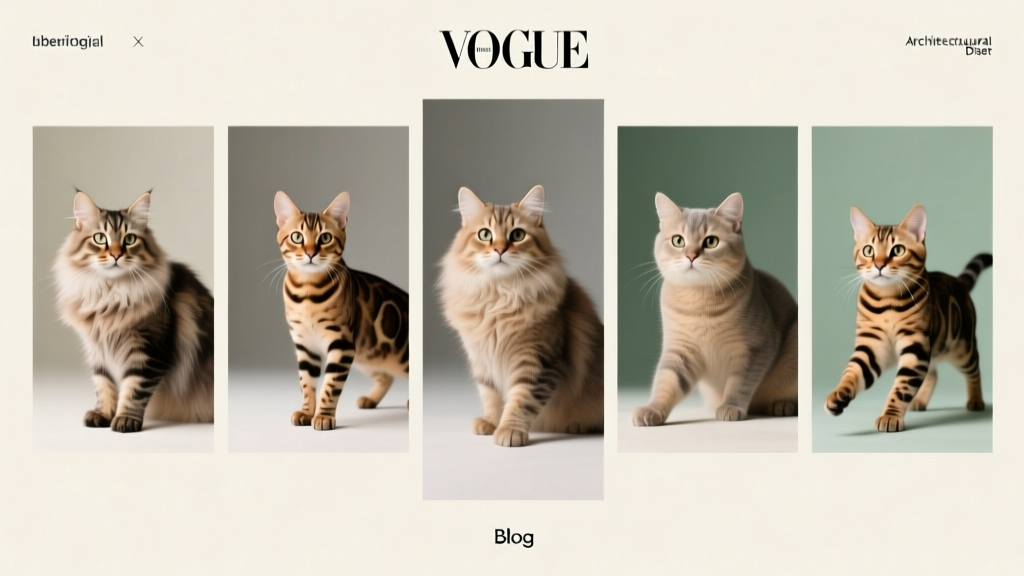
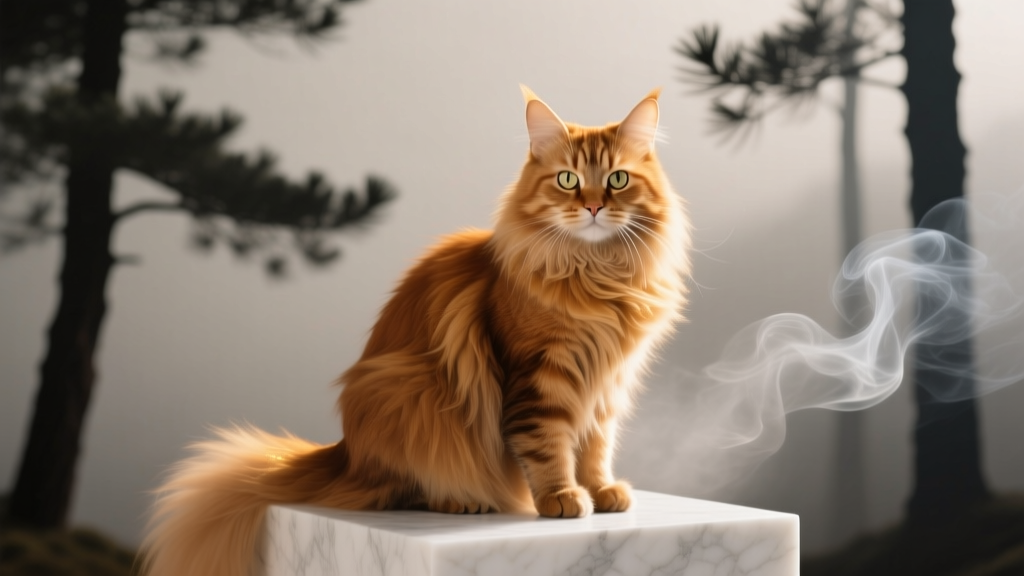
Because the Cedar Cat is a myth breed, there isn’t a single official look. That said, people tend to label a cat a “Cedar Cat” when it matches the classic foresty silhouette: plush coat, sturdy build, tufted features, and earthy colors.
Typical “Cedar Cat” Look (as described by fans)
- Size: Medium to large, often with a solid, outdoorsy build
- Weight: Commonly 8–18 lb (3.6–8.2 kg), depending on sex, genetics, and lifestyle
- Coat: Medium-long to long; dense, sometimes with a “weather-resistant” feel
- Ruff/tufts: Neck ruff, ear furnishings, toe tufts are frequently mentioned
- Tail: Full, plume-like tail is part of the legend
Coat Colors and Patterns
Cedar Cat stories tend to favor colors that look at home among bark and pine needles. The most “on-theme” coats include:
- Brown tabby (classic, mackerel, or spotted)
- Black or black smoke
- Tortoiseshell with warm red-brown tones
- Solid blue/gray (often described as “stormy” or “ash-like”)
- Amber-gold eyes are frequently romanticized, though any eye color can appear
Real Breeds That Resemble the “Cedar Cat” Myth
If you’re searching for a Cedar Cat-like companion, you’ll usually find that the “breed match” is one of these—either purebred or (very often) a mix:
| Breed/Type | Why It Fits the Cedar Cat Vibe | Coat & Grooming Notes |
|---|---|---|
| Maine Coon | Big, tufted, fluffy tail, rugged “forest cat” look | Regular brushing; prone to mats in dense areas |
| Norwegian Forest Cat | Water-resistant double coat, sturdy build, outdoorsy silhouette | Seasonal shedding; comb-throughs help |
| Siberian | Triple coat, plush texture, sweet-but-sturdy temperament | High shed cycles; frequent grooming in spring/fall |
| Domestic Longhair | Most “Cedar Cats” are likely charming longhair mixes | Grooming needs vary; check underarms and belly |
Personality and Temperament Traits
The Cedar Cat legend paints a cat that’s calm, watchful, and quietly affectionate—like a companion who would sit with you on a porch swing while the sun warms the boards. Realistically, temperament depends on genetics, early socialization, and individual personality. Still, many cats labeled “Cedar Cat” tend to share a few traits because the nickname often lands on confident, fluffy, people-friendly cats who enjoy lounging near cozy wood furniture and sunlit rooms.
Commonly reported “Cedar Cat” temperament themes:
- Gentle confidence: Not usually skittish; often curious and steady
- Affectionate on their terms: Likes being near you, may not demand constant holding
- Playful but not frantic: Enjoys hunting games, wand toys, and window-watching
- Observant “guardian” energy: Picks a spot and supervises the household
- Chat level varies: Some are quiet; others “chirp” and trill like forest-cat breeds
Health Considerations and Common Issues
Since there’s no official Cedar Cat gene pool, health risks depend on the cat’s actual breed makeup and lifestyle (indoor vs outdoor, diet, weight, vet care). That said, the cats most often called Cedar Cats—longhaired mixes and forest-type breeds—share a few practical health considerations.
Common Health Topics for Cedar Cat-Like Cats
- Hairballs and digestive upset: More fur means more grooming and more swallowed hair.
- Obesity: Plush cats can hide weight well; steady portion control matters.
- Dental disease: Very common in cats overall; brushing and dental checks help.
- Arthritis as they age: Larger cats and less-active indoor cats can be prone.
Breed-Linked Risks (If Your Cat Is a Forest-Type Pedigree)
- Hypertrophic cardiomyopathy (HCM): Seen in Maine Coons and other breeds; reputable breeders screen, and vets can monitor with exams/echos if indicated.
- Hip dysplasia: Can occur in large-bodied cats; watch for stiffness or reluctance to jump.
- Polycystic kidney disease (PKD): More associated with Persians and related lines, but worth knowing if ancestry is suspected.
Cedar scent safety note: If you use cedar products at home, keep them away from chewing. Some cedar oils can irritate sensitive cats, and concentrated essential oils can be risky. If your cat ever shows drooling, vomiting, wheezing, or skin irritation after exposure, contact a veterinarian.
Care Requirements (Grooming, Exercise, Diet)
To “own” a Cedar Cat—meaning a cat with that plush, outdoorsy look and maybe even a faint woodsy vibe—focus on coat care, enrichment, and a diet that supports a healthy weight and skin.
Grooming
- Brushing: 2–4 times per week for most longhaired cats; daily during heavy shedding.
- Tools: A stainless-steel comb for the undercoat and a soft slicker for surface fluff.
- Hot spots for mats: Behind ears, armpits, belly, base of tail.
- Bathing: Only as needed. Cats are self-cleaners; overbathing can dry skin.
- Nails/ears: Trim nails every 2–4 weeks; check ears for wax and debris.
Exercise and Enrichment
Cedar Cat-like cats thrive when they can climb, perch, and “patrol.” Try:
- Vertical space: Tall cat trees, wall shelves, window perches
- Hunt-play: Wand toys, feather teasers, crinkle tunnels
- Brain games: Puzzle feeders, treat balls, clicker training
- Safe outdoor vibes: Catio or harness walks (only if your cat enjoys it)
Diet
- Protein-forward nutrition: Cats do best with animal-based protein as a foundation.
- Portion control: Measure meals rather than free-feeding if weight creeps up.
- Hydration: Wet food and/or a water fountain can help many cats drink more.
- Coat support: Omega-3s (vet-approved) can support skin and shine.
Compatibility with Families, Children, and Other Pets
A Cedar Cat (or Cedar Cat-like longhair) can be a dreamy family companion when introductions are respectful and the home is set up for feline comfort.
- With children: Often great with calm kids who understand “gentle hands.” Teach children not to grab fluff, tail, or ears.
- With other cats: Many do well with slow introductions and enough resources (multiple litter boxes, feeding stations, and perches).
- With dogs: Works best with cat-savvy dogs. Give the cat escape routes and elevated zones.
- With small pets: Rodents and birds can trigger prey drive. Use secure enclosures and strong boundaries.
If you’re adopting, ask the shelter or foster about the cat’s social style: “lap cat vs sidekick,” tolerance for handling, and how they react to noise and visitors.
Pros and Cons of Owning This Breed
Since the Cedar Cat is an aromatic-coat myth breed, think of these as the pros and cons of owning a Cedar Cat-type cat: a fluffy, foresty-looking companion with potential for that cozy “cedar cabin” association.
| Pros | Cons |
|---|---|
| Gorgeous plush coat and “storybook forest cat” look | More grooming and more shedding than shorthaired cats |
| Often steady, affectionate, and pleasant to live with | Some longhaired cats are prone to mats and hairballs |
| Great “home companion” energy—likes being near you | Large-bodied types can develop weight or joint issues if under-exercised |
| Easy to find Cedar Cat “look-alikes” in shelters (domestic longhairs) | “Cedar scent” isn’t guaranteed—and chasing it with fragrances can be unsafe |
FAQ: Cedar Cat (Aromatic-Coat Myth Breed)
Is the Cedar Cat a real cat breed?
No. The Cedar Cat is not recognized by major cat registries as an official breed. It’s better described as a nickname or myth used for certain cats—often fluffy, foresty-looking longhairs—especially when their coat carries a faint cedar-like aroma from their environment.
Why does my cat smell like cedar?
Most often it’s scent transfer from the home: cedar closets, cedar chests, wood furniture, cedar mulch near entryways, or cedar-based products. If the smell is new or strong, double-check that your cat hasn’t brushed against something irritating (like concentrated oils) and watch for sneezing, drooling, or skin redness.
What breeds look most like a Cedar Cat?
The myth’s “forest cat” look is most similar to the Maine Coon, Norwegian Forest Cat, and Siberian. Many domestic longhair cats also fit the vibe beautifully, especially in brown tabby, black, or tortoiseshell coats.
Are Cedar Cat-like cats good for first-time owners?
Yes—especially calm domestic longhairs or well-socialized forest-type cats. The main adjustment for first-time owners is committing to regular grooming, staying ahead of mats, and managing shedding.
Do cedar products help with fleas or odor?
Cedar is sometimes marketed for pests, but cats are sensitive to many aromatic compounds. Avoid using cedar essential oils on or near your cat. For fleas, use vet-recommended prevention. For odor, focus on litter box hygiene and coat brushing rather than fragrances.
Warm Signoff
The Cedar Cat may be a myth breed, but the feeling it captures is wonderfully real: a cat who looks like they belong in a storybook cabin window—plush coat glowing in the sunlight, quiet paws padding across wooden floors, and a comforting presence that makes home feel even more like home.
If you’re looking for that Cedar Cat magic, your best bet is adopting a fluffy domestic longhair or researching forest-type breeds with reputable sources and ethical breeders. Either way, the real “aroma” you’ll fall for is the sweetest one: the scent of a beloved cat who’s safe, healthy, and totally adored.
Want to meet more fascinating felines? Explore more breed profiles on catloversbase.com.