Pantherette: Toward a Domestic Black Panther
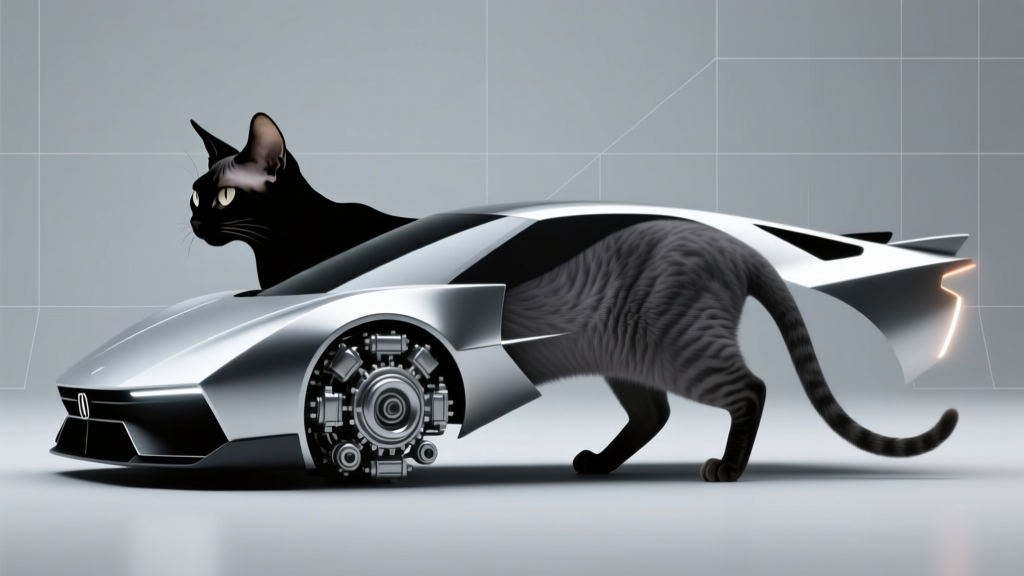
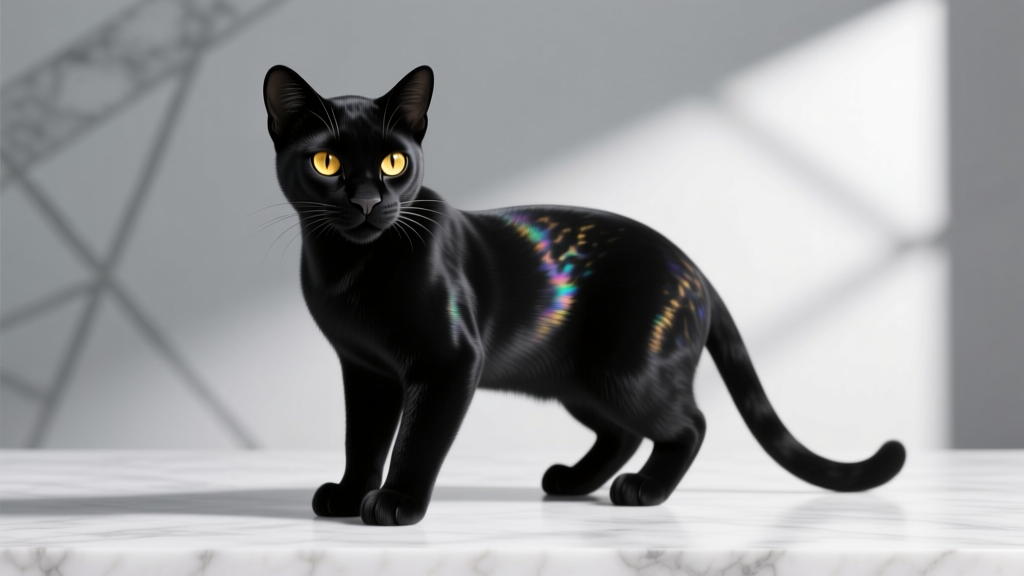
There’s something undeniably magnetic about a sleek black cat that moves like a shadow across the room. The glossy coat, the quiet confidence, the “mini-panther” vibe—cat lovers have been chasing that look for decades. The Pantherette is one of the most intriguing attempts yet: a breeder-created concept aimed at producing a domestic cat that resembles a black panther while keeping the sweet, live-withable temperament of a companion animal.
If you’ve ever wished for a cat that looks like it stepped out of the rainforest but still wants to share your couch, you’re in the right place. This profile covers what the Pantherette is (and isn’t), where the idea came from, what the cats look like today, and what to consider if you’re hoping to welcome a “domestic black panther” into your home.
Quick clarity upfront: “Pantherette” is not widely recognized as an established purebred by major registries like CFA or TICA. You’ll see it used as a project name or niche line describing a panther-like domestic cat type—usually centered on a large, solid-black, short-haired cat with a wild silhouette. Availability can be limited, and traits may vary depending on the breeding program.
Breed History and Origin
The Pantherette’s story is closely tied to a long-standing fascination in the cat fancy: creating a domestic cat that looks wild without using wild cat hybridization. Many cat lovers adore the look of a black jaguar or leopard (“black panther” is a common name for melanistic big cats), but want a companion with predictable domestic behavior, household-friendly size, and straightforward care.
Over time, various breeders and enthusiasts have tried to produce “panther-like” domestic cats by selectively breeding for:
- Solid black coat with a high-gloss finish
- Muscular, athletic build and a low, prowling gait
- Broader muzzle and slightly rounded, powerful head shape
- Striking golden/amber eyes (when possible)
The Pantherette name is typically used for cats intentionally bred toward this “domestic black panther” ideal. In practice, these lines may involve black domestic shorthair types and may be influenced by breeds already known for panther vibes—especially the Bombay (often nicknamed the “parlor panther”) and other short-haired black cats bred for sheen and presence. Because “Pantherette” isn’t a single, registry-defined breed standard, the exact foundation cats depend on the breeder and program goals.
For researchers and serious buyers, this makes one thing especially important: always ask for documentation on lineage, health screening, and the breeder’s stated goals for temperament and structure.
Physical Characteristics
When people search “Pantherette cat,” they’re usually picturing a cat that looks like a small black panther—sleek, muscular, and dramatic. Here’s what the Pantherette type generally aims for.
| Feature | Typical Pantherette Goal |
|---|---|
| Size | Medium to large |
| Weight | Often ~8–15 lb (3.6–6.8 kg), depending on sex and line |
| Build | Muscular, athletic, substantial without being bulky |
| Coat length | Short, close-lying, “patent leather” shine |
| Coat color | Solid black preferred; minimal or no visible patterning |
| Eyes | Gold/amber tones often desired; can vary |
| Head & muzzle | Rounded contours with a strong muzzle; panther-like expression |
| Overall look | “Mini panther”: sleek silhouette, confident posture, fluid movement |
Coat, Color, and That Black-On-Black Glam
The defining feature is the solid black coat. Breeders aiming for the Pantherette look often prioritize a uniform black from nose leather to paw pads, with minimal brownish cast. That said, black coats can “rust” in strong sun or due to nutrition/coat condition—so diet, grooming, and indoor living can influence how jet-black a cat appears.
Distinctive “panther” details people love include:
- Glossy sheen that catches light like satin
- Black whiskers (not always present, but admired)
- Black nose and paw pads
- Low, purposeful walk—more prowl than prance
Personality and Temperament Traits
Because the Pantherette is a concept/type rather than a standardized breed, temperament can vary more than you might see in long-established pedigreed breeds. Still, the typical goal is a cat that offers the mystique of a black panther with the people-friendly nature of a devoted house cat.
Many Pantherette-type cats are described as:
- Affectionate without being clingy 24/7
- Confident—they tend to own the room
- Playful and athletic, enjoying chase games and climbing
- Smart, often quick to learn routines (and how to open cabinets)
- Social with their chosen people
If your dream is a striking black cat who follows you from room to room, naps nearby, and springs into action for a wand toy, the Pantherette idea is built exactly around that fantasy. Just remember: socialization, early handling, and the temperament of the parents matter as much as the “type.”
Health Considerations and Common Issues
A well-bred domestic black cat can be robust, but health risks depend heavily on ancestry and breeding choices. Since Pantherette programs may draw from different lines, you’ll want to discuss screening and veterinary history with the breeder (or rescue group) in detail.
Potential health considerations to ask about include:
- Heart disease (HCM): Hypertrophic cardiomyopathy exists across many cat populations. Ask whether parents have been screened via echocardiogram when appropriate.
- Respiratory structure: If a program selects for a shorter muzzle, confirm the cats breathe comfortably, tolerate play, and show no chronic congestion.
- Dental disease: Common in many cats; regular dental care is essential.
- Obesity: Pantherette-type cats may have hearty appetites and strong food motivation. A muscular build can hide weight gain—keep an eye on body condition.
- Coat “rusting” and skin sensitivity: Not usually a medical issue, but dull coat can signal nutritional imbalance or over-grooming due to stress or fleas.
Best practice for buyers: request vet records, ask what health issues have appeared in the line, and confirm kittens receive age-appropriate vaccinations, deworming, and early socialization.
Care Requirements (Grooming, Exercise, Diet)
Grooming
The short black coat is typically easy to maintain, and the payoff is huge—few cats look as polished with minimal effort.
- Brushing: 1–2 times per week with a soft brush or grooming mitt to remove loose hair and boost shine.
- Nails: Trim every 2–4 weeks; provide scratchers to keep claws healthy.
- Ears & eyes: Check weekly; wipe any debris with a vet-approved cleanser if needed.
- Dental care: Tooth brushing a few times per week (or daily if you’re a superstar) plus dental-friendly treats approved by your vet.
Exercise and Enrichment
A “domestic black panther” look pairs best with panther-ish activity. Pantherette-type cats often thrive with structured play and vertical territory.
- Interactive play (10–15 minutes, 1–2 times daily): wand toys, feather teasers, chase ribbons
- Hunting-style games: treat puzzles, hidden kibble, toy mice
- Climbing: cat trees, wall shelves, window perches
- Training: clicker training, “sit,” “high five,” harness training (many enjoy it with patience)
Diet
Feed for lean muscle and coat quality. High-quality protein is your friend, and portion control helps maintain that athletic silhouette.
- Protein-forward diet suited to life stage (kitten/adult/senior)
- Wet food can support hydration and urinary health
- Measured portions rather than free-feeding if weight gain becomes an issue
- Omega-3s (via vet-approved foods/supplements) may enhance coat sheen
Compatibility with Families, Children, and Other Pets
Many Pantherette-type cats are bred or chosen for friendly, people-centered temperaments, which can make them excellent family companions. Compatibility still depends on the individual cat, early socialization, and how the household is managed.
- With children: Often good with respectful kids. Teach children to avoid chasing, squeezing, or interrupting eating/litter box time.
- With other cats: Frequently fine, especially when introduced slowly and given enough vertical space and resources.
- With dogs: Many do well with cat-savvy dogs. Use scent-first introductions, safe zones, and gradual face-to-face meetings.
Because Pantherette-type cats can be confident and energetic, they typically do best in homes that provide playtime and enrichment. A bored “mini panther” may invent their own fun—like parkour off your bookshelves at 2 a.m.
Pros and Cons of Owning a Pantherette
| Pros | Cons |
|---|---|
| Stunning “domestic black panther” appearance | Not widely registry-recognized; standards vary by breeder |
| Short coat with relatively easy grooming | Availability can be limited; research is essential |
| Often affectionate, social, and people-oriented | Energetic cats can become mischievous without enrichment |
| Athletic and fun to train/play with | Health screening practices may be inconsistent across programs |
| Great conversation-starter (“Is that a panther?”) | Black coats can “rust” or show dandruff if diet/grooming slips |
FAQ: Pantherette Cats
1) Is the Pantherette an official cat breed?
In most cases, Pantherette is used as a niche breeding project name or descriptive type rather than a broadly recognized, registry-standardized breed. Always ask the breeder which registry (if any) their cats are registered with and what standards they follow.
2) Are Pantherette cats hybrids with wild cats?
Typically, the Pantherette goal is a wild look with a fully domestic background. If any breeder claims wild cat ancestry, request transparent documentation and learn about the care, legal requirements, and temperament considerations that can come with hybrid cats.
3) How big does a Pantherette cat get?
Many Pantherette-type cats are medium to large, often around 8–15 lb (3.6–6.8 kg). Size depends on sex, genetics, and conditioning.
4) Do Pantherette cats shed a lot?
They usually have short coats and shed moderately. Weekly brushing keeps loose hair under control and helps maintain that glossy “panther” shine.
5) What should I look for in a Pantherette breeder?
Look for clear health practices (vaccines, parasite control, vet checks), transparency about lineage, a strong socialization plan, and willingness to answer questions. Ask about screening for common issues like HCM where relevant, and meet the parents if possible.
6) Are Pantherette cats good indoor cats?
Yes—indoor life helps protect them from outdoor risks and keeps black coats looking their best. Provide climbing space, interactive play, and puzzle toys to satisfy their active nature.
Warm Parting Thoughts
The Pantherette captures a dream many of us share: a glossy, midnight-black companion that looks like a tiny jungle cat while acting like a best friend. Whether you find a Pantherette from a dedicated program or adopt a panther-like black cat whose presence fills the room, the magic is real—black cats have a special kind of elegance, and they often bond deeply with their people.
If you’re smitten with the “domestic black panther” look, take your time, ask great questions, and choose a cat whose health and temperament fit your household. Then enjoy the shadowy strolls, the golden-eyed stares, and the soft purr that proves your panther is, at heart, a total lovebug.
Want to meet more incredible felines? Explore more breed profiles on catloversbase.com.