Fjord Cat: Norwegian Heritage Breed Line
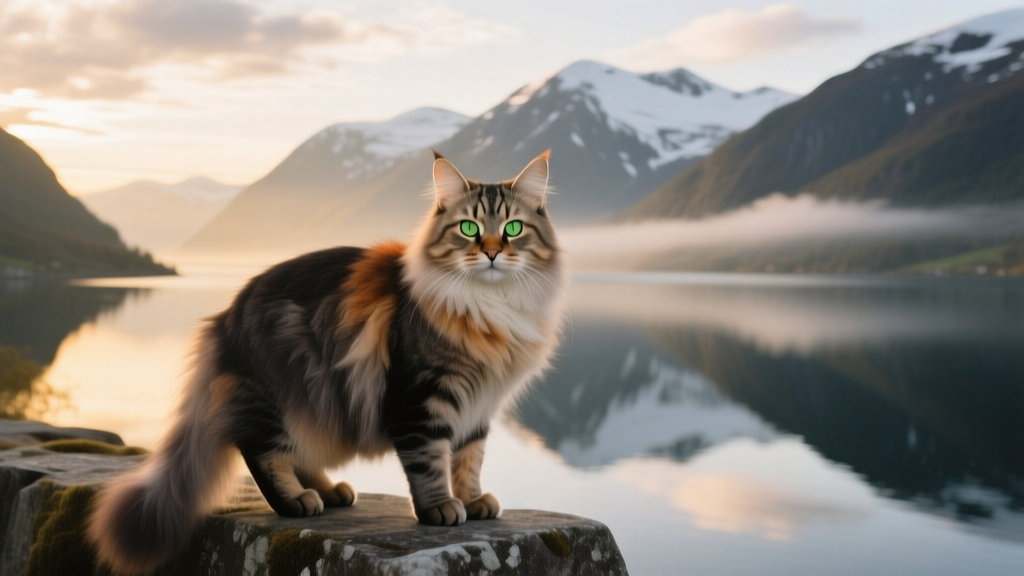
There’s something irresistibly romantic about cats with a northern soul—those sturdy, weather-ready companions that look like they could stroll out of a misty fjord at dawn, whiskers dusted with sea air. The Fjord Cat is exactly that kind of feline: a Norwegian heritage line celebrated for its rugged beauty, affectionate nature, and “built-for-the-elements” coat that seems made for cold climates and cozy couches alike.
If you’ve ever admired the wild, natural look of Scandinavian cats but want a family-friendly companion with a steady, loving temperament, the Fjord Cat checks a lot of boxes. Breed enthusiasts often describe this line as a “living piece of Norway”—a cat shaped by geography, climate, and generations of practical farm-and-fisherfolk companionship.
This guide covers the Fjord Cat’s history, appearance, personality, health, and daily care—plus tips for families and multi-pet homes. If you’re researching Norwegian cat breeds or looking for a natural, hardy housecat with a big heart, you’re in the right place.
Breed History and Origin
The Fjord Cat is a Norwegian heritage breed line—a naturally developed type strongly associated with coastal and inland Norwegian communities where cats had real jobs: controlling rodents in barns, boathouses, and homes. “Fjord cat” is often used by enthusiasts as a descriptive label for cats from Norwegian regions shaped by cold winters, damp air, and rugged terrain. While not always recognized as a standardized pedigree in the way some modern cat registries define breeds, the Fjord Cat is valued as a landrace-style line: a population with consistent traits developed through environment and selective keeping rather than recent designer breeding.
Historically, cats in Norway needed to be:
- Weather-resistant (cold, wet, windy conditions)
- Strong and agile (working in farms, storage buildings, and docks)
- People-friendly (living closely with families)
- Low-maintenance (healthy and self-sufficient by necessity)
This is why the Fjord Cat is often discussed alongside other Norwegian heritage cats—especially the well-known Norwegian Forest Cat—though the Fjord Cat is typically described as a more local, region-linked type rather than a globally standardized show breed.
Physical Characteristics
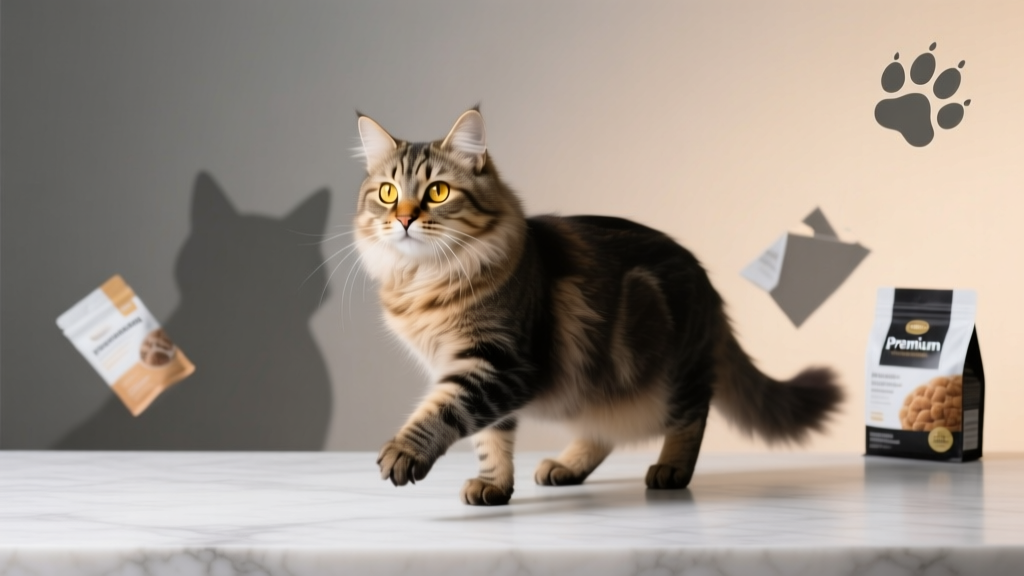
The Fjord Cat’s look can be summed up in three words: natural, sturdy, and plush. These cats tend to have a balanced build—powerful without looking bulky—and a coat that reads “survival gear” even when they’re asleep on your laundry.
| Trait | Typical Fjord Cat Range |
|---|---|
| Size | Medium to large |
| Weight | Females: ~8–12 lb (3.6–5.4 kg); Males: ~11–16+ lb (5–7.3+ kg) |
| Build | Strong-boned, athletic, broad chest |
| Coat type | Dense double coat; water-resistant outer layer with a thick insulating undercoat |
| Head and face | Triangular-to-rounded wedge; sturdy muzzle; alert, open expression |
| Eyes | Large, expressive; colors vary (often green, gold, or copper tones) |
| Tail | Long, well-furred “plume” tail common |
Coat, Colors, and Pattern
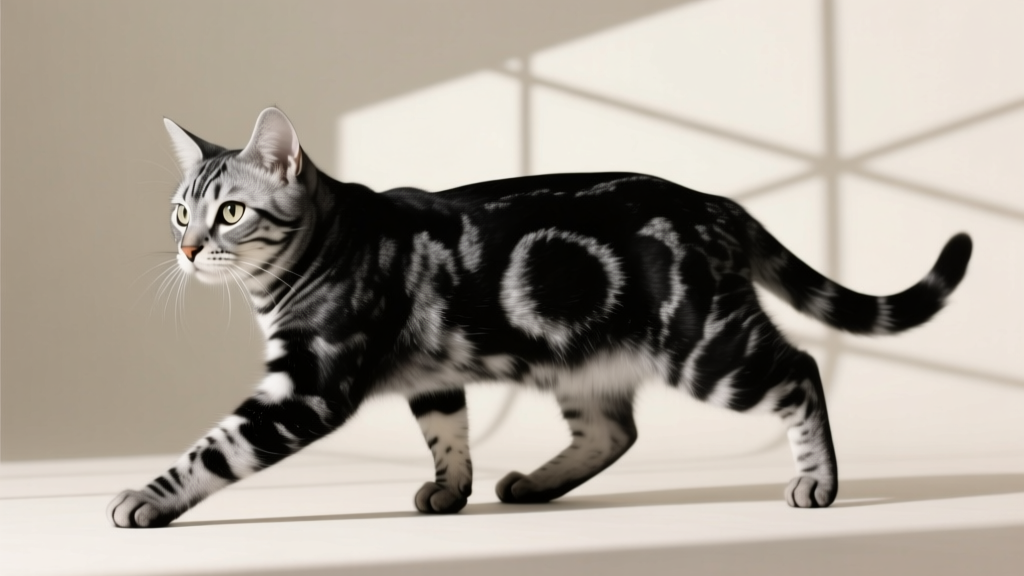
Because the Fjord Cat is a heritage line rather than a narrowly standardized show profile, you may see a wider range of coat colors and patterns. The most common are the classic “Nordic” looks that provide camouflage and practicality:
- Brown tabby (mackerel or classic)
- Black tabby and silver tabby variations
- Solid black, blue, or white (less common depending on local lines)
- Tortoiseshell and torbie (especially in females)
Distinctive features often include:
- Neck ruff or thicker chest fur in winter
- Tufting between toes for traction and warmth
- Ear furnishings (small tufts) in some cats
- Seasonal coat changes—a dramatic “winter coat” is common
Personality and Temperament Traits
Fjord Cats are usually described as affectionate without being clingy. They like being near their people, often following from room to room, supervising chores, and “helping” with anything involving a box or a blanket.
Common temperament highlights include:
- Steady and confident: Not typically skittish once settled.
- People-oriented: Enjoys companionship and tends to bond strongly.
- Playful intelligence: Interested in puzzle toys, wand games, and learning routines.
- Gentle communication: Many are chirpy or trilling rather than loud.
- Natural hunter instincts: Loves stalking toys and watching windows.
They often do best with a household that offers both affection and structure: regular meals, consistent playtimes, and a few favorite nap zones. While many Fjord Cats enjoy being held, they’re not always “carry-me-all-day” cats—more like a loyal companion who wants to be included on their terms.
Health Considerations and Common Issues
As a natural heritage line, Fjord Cats are often praised for robust overall health. That said, any cat can develop health problems, and larger, sturdy-bodied types can be prone to certain issues—especially if they become overweight or under-stimulated indoors.
Potential concerns to watch for:
- Obesity: Dense coats can hide weight gain; regular body-condition checks help.
- Dental disease: Tartar buildup and gingivitis are common in many cats; routine dental care matters.
- Hairballs: That thick coat can lead to more ingestion during shedding seasons.
- Joint strain: Extra weight can stress hips and knees, especially in big males.
Recommended wellness habits:
- Annual veterinary exams (twice yearly for seniors)
- Baseline bloodwork as your cat matures
- Keeping vaccinations and parasite prevention current
- Spay/neuter unless you’re working with an ethical, documented heritage program
Care Requirements (Grooming, Exercise, Diet)
Grooming
That gorgeous Fjord Cat coat is a point of pride—and it’s also a commitment, especially during seasonal sheds. The good news: a well-maintained double coat tends to resist matting better than fine, silky coats, but it still needs regular attention.
- Weekly brushing most of the year
- 2–4 times per week during spring/fall shedding (“coat blow” season)
- Comb the ruff and britches (back of legs) where tangles can form
- Nail trims every 2–4 weeks
- Ear checks weekly; clean only if debris is present (vet-approved cleaner)
Exercise and Enrichment
Fjord Cats thrive when they can climb, perch, and observe. Many have a quiet athleticism: they’re not always hyper, but they love a good sprint, a high cat tree, and a puzzle feeder that makes them think.
Great enrichment options:
- Tall cat trees with stable platforms
- Window perches for birdwatching
- Wand toys (10–15 minutes daily is golden)
- Food puzzles or treat balls
- Clicker training for tricks like “sit,” “high five,” or “go to mat”
Diet
A Fjord Cat’s diet should support lean muscle and coat health without tipping into excess calories. Because these cats can be solidly built, owners sometimes underestimate how quickly indoor life can add pounds.
- High-quality protein as the foundation (check that named meat is a primary ingredient)
- Portion control based on your cat’s ideal weight, not current weight
- Wet food can help support hydration; many cats do well with a mix of wet and measured dry
- Omega-3s (vet-approved) may support skin and coat, especially in dry winters
If hairballs are an issue, talk to your vet about diet tweaks, added brushing, or safe supplements rather than relying on frequent laxative gels.
Compatibility with Families, Children, and Other Pets
Fjord Cats are often a wonderful fit for families because they tend to be patient, social, and resilient. They usually appreciate respectful handling and do best when children are taught “cat manners”—gentle petting, no chasing, and letting the cat choose when to interact.
- With children: Typically good with calm, kind kids; supervise toddlers.
- With other cats: Often friendly if introduced slowly; many enjoy a feline companion.
- With dogs: Can do well with cat-savvy dogs; gradual introductions and safe escape routes are key.
- With small pets: Caution—prey drive may be strong; keep birds/rodents securely separated.
These cats often shine in homes that provide companionship. If you’re gone long hours, consider adopting two compatible cats or ensuring enrichment is plentiful.
Pros and Cons of Owning a Fjord Cat
| Pros | Cons |
|---|---|
| Beautiful natural “Norwegian heritage” look | Heavy seasonal shedding can be intense |
| Affectionate, loyal, and family-friendly | Needs enrichment—can get bored without play and climbing space |
| Typically sturdy, resilient constitution | Can gain weight easily in indoor-only homes if free-fed |
| Smart and trainable (puzzle toys, clicker work) | Prey drive may complicate homes with small pets |
| Coat suited for cooler climates; plush and touchable | Grooming time increases during shedding seasons |
FAQ: Fjord Cat (Norwegian Heritage Breed Line)
Is the Fjord Cat the same as a Norwegian Forest Cat?
They’re closely related in “northern type” look and heritage, but they’re not necessarily the same thing. The Norwegian Forest Cat is a standardized, registry-recognized breed with defined show standards. The Fjord Cat is more often described as a Norwegian heritage line or regional type with naturally consistent traits, sometimes overlapping in appearance.
Do Fjord Cats shed a lot?
Yes—especially seasonally. Expect heavier shedding in spring and fall when the undercoat changes. Weekly brushing (and more during coat blows) helps keep fur manageable and reduces hairballs.
Are Fjord Cats good indoor cats?
They can be excellent indoor cats as long as they get enough climbing space, daily play, and mental stimulation. Many owners add tall cat trees, window perches, and puzzle feeders to keep them satisfied.
How big do Fjord Cats get?
Most are medium-to-large cats. Females commonly range around 8–12 lb, while males often land around 11–16+ lb, depending on lineage, diet, and activity level.
Are Fjord Cats cuddly?
Many are affectionate and love to be near their people. Some are lap cats, while others prefer close-by cuddles—curling beside you, sleeping at your feet, or “supervising” from the sofa back.
What kind of home is best for a Fjord Cat?
A home that offers companionship, routine, and enrichment. They tend to thrive with dedicated playtime, vertical space, and a family that enjoys interacting with their cat daily.
Warm Signoff
The Fjord Cat embodies what so many of us adore about Norwegian heritage cats: a practical, weather-wise body wrapped in a plush coat, paired with a loving nature that fits beautifully into modern homes. If you’re drawn to a natural-looking Scandinavian companion—one that can play hard, nap harder, and follow you around like a fuzzy little shadow—the Fjord Cat may be the perfect match.
Want to keep exploring? Visit catloversbase.com for more cat breed profiles, care guides, and expert tips to help you find your ideal feline companion.