Sphynx Cat: Care for the Hairless Wonder
If you’ve ever met a Sphynx cat in person, you know the moment sticks with you. One second you’re staring at what looks like a tiny, warm-hearted alien in a sweater, and the next you’re being head-butted, cuddled, and claimed as their favorite human. The Sphynx isn’t “just” a hairless cat—it’s a whole personality wrapped in soft, suede-like skin and boundless affection.
This breed has a way of turning curious onlookers into devoted fans. Some people fall for the Sphynx because of the unique look; others stay because the temperament is pure gold: social, playful, and remarkably people-focused. If you’re considering Sphynx cat ownership (or you’re researching the breed for fun), you’re in for a treat—just be prepared to share your lap, your warmth, and maybe a few cozy blankets.
Let’s explore what makes the Sphynx cat such an unforgettable companion—plus the real-world care needs that come with being the proud guardian of a hairless wonder.
Breed History and Origin
The Sphynx cat’s story begins in the 1960s in Canada, when a domestic cat gave birth to a naturally hairless kitten due to a genetic mutation. That hairlessness wasn’t the result of human design at first—it was nature being surprising. Early breeding efforts worked to establish a healthy, consistent line, though progress wasn’t always smooth.
Modern Sphynx cats are most commonly traced back to additional hairless kittens that appeared in the 1970s, including lines from Minnesota (USA) and further development in Canada and Europe. Breeders carefully paired hairless cats with other breeds (notably the Devon Rex in many programs) to broaden the gene pool and strengthen overall health and type.
Today, the Sphynx is recognized by major cat registries, adored worldwide, and celebrated for being both strikingly different and deeply lovable.
Physical Characteristics
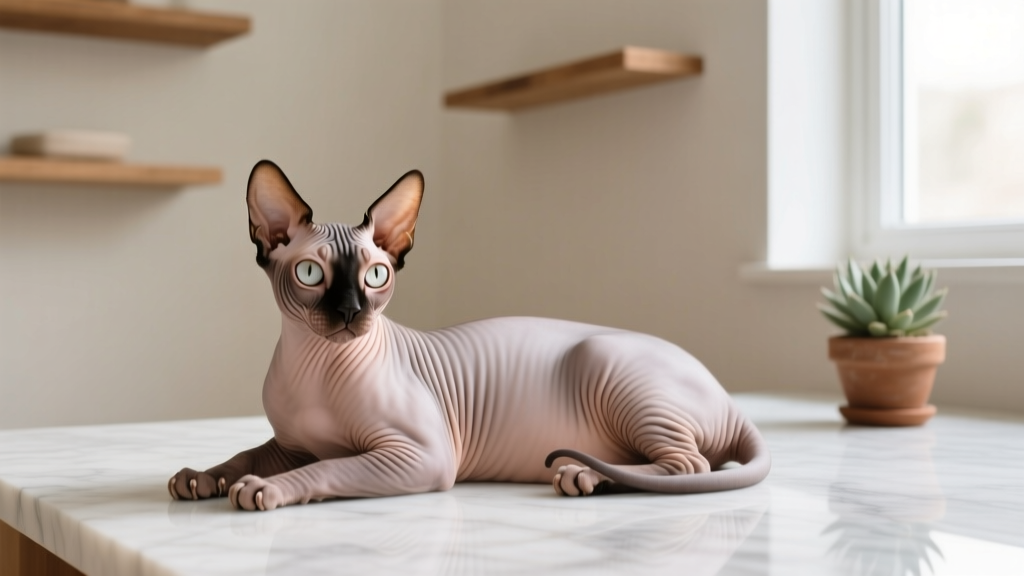
Hairless is the headline, but the Sphynx cat’s appearance is full of details that you only notice up close. They’re muscular, surprisingly hefty for their size, and feel like a warm peach or soft chamois leather. Most Sphynx cats aren’t truly bald—they often have a fine layer of down, especially on the nose, ears, tail, and feet.
| Trait | What to Expect |
|---|---|
| Size | Medium |
| Weight | Typically 6–12 lbs (females often smaller; males often larger) |
| Body Type | Muscular, solid, rounded belly (“pot-bellied” look is common) |
| Coat | Hairless or covered with fine peach-fuzz down |
| Colors & Patterns | All colors and patterns (seen in skin pigmentation) |
| Eyes | Large, lemon-shaped; wide-set; many eye colors |
| Ears | Very large, open, upright—bat-like and expressive |
| Distinctive Features | Wrinkles (especially head/neck), prominent cheekbones, long toes |
Coat, Colors, and Skin Details
Sphynx cat colors can be every bit as varied as coated breeds—it just shows up as skin pigmentation rather than fur. You’ll see everything from solid black, white, blue, and cream to tabby markings, tortoiseshell, pointed patterns, and more.
- Wrinkles: Most noticeable around the forehead, muzzle, and shoulders. Some wrinkling is normal and part of the breed’s charm.
- Warmth: Sphynx cats feel warm to the touch because there’s no fur insulating the heat.
- Whiskers: May be short, broken, sparse, or even absent.
Personality and Temperament Traits
If the Sphynx cat had a motto, it might be: “Where are you going, and can I come too?” This is a famously affectionate, people-centered breed. Many Sphynx cats greet you at the door, follow you from room to room, and insist on being included in everything—laundry folding, laptop time, bedtime, you name it.
Common Sphynx personality traits include:
- Extremely social: Often bonds strongly with family members and may dislike being left alone for long stretches.
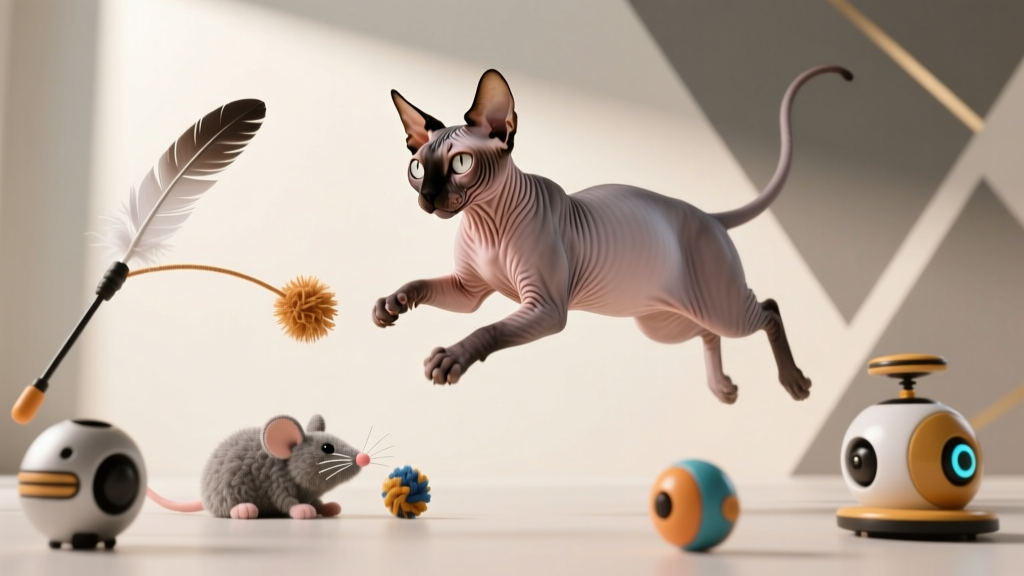
- Playful and energetic: Enjoys interactive toys, climbing, and puzzle feeders.
- Comical and expressive: Big ears, big eyes, big feelings—Sphynx cats “talk” with their faces and bodies.
- Cuddly: Heat-seeking lap cats who love blankets and warm spots.
- Confident: Many are outgoing with guests, which surprises people who expect a shy cat.
They’re often described as “dog-like” because of their devotion and curiosity, but they’re still very much cats—smart, opinionated, and happiest when they can do things on their terms (preferably near you).
Health Considerations and Common Issues
Good breeders prioritize health testing and careful pairing, but like all purebred cats, the Sphynx can have breed-associated health concerns. Regular vet care and responsible breeding go a long way toward keeping your Sphynx thriving.
Common Sphynx cat health considerations include:
- Hypertrophic cardiomyopathy (HCM): A heart condition seen in many cat breeds, including Sphynx. Reputable breeders often screen breeding cats with echocardiograms.
- Skin issues: Oily buildup, blackheads (comedones), yeast or bacterial infections, and irritation if hygiene or products aren’t a good match.
- Dental disease: Like many cats, they can be prone to tartar and gum issues—home dental care helps.
- Temperature sensitivity: Higher risk of getting chilled or sunburned due to lack of fur.
- Earwax buildup: Large ears can accumulate wax more quickly and need routine cleaning.
Work with a veterinarian who’s comfortable advising on skin care, diet, and heart screening. If you’re researching breeders, ask what health testing they do for HCM and what their lines are like health-wise.
Care Requirements (Grooming, Exercise, Diet)
Sphynx cats are often marketed as “low maintenance” because they don’t shed—but their care is simply different. Think skincare and comfort care rather than brushing.
Grooming and Skin Care
Because Sphynx cats don’t have fur to absorb skin oils, oils can build up on the skin and leave smudges on bedding or furniture. Routine bathing helps keep their skin healthy and comfortable.
- Bathing: Often needed every 1–2 weeks, though frequency varies by individual. Use a gentle, cat-safe shampoo.
- Wipe-downs: In between baths, a warm damp cloth can help with light oil buildup.
- Ears: Check weekly. Clean with a vet-approved ear cleaner if wax accumulates.
- Nails: Trim regularly; oil and debris can collect around nail beds.
- Eyes: Some Sphynx cats get mild eye discharge (especially if they have sparse lashes). A soft damp cloth can help.
Sun safety: Sphynx cats can sunburn. Supervised sunbathing is okay, but don’t let them roast in direct sunlight for long periods. If your vet recommends it, use only pet-safe sun protection—never human sunscreen unless your veterinarian approves it.
Exercise and Enrichment
Sphynx cats are athletic and playful. They do best with a home that offers daily engagement.
- Interactive play sessions (wand toys, fetch-style games)
- Cat trees and climbing shelves
- Puzzle feeders to keep the brain busy
- Warm window perches (with shade options to prevent too much direct sun)
Diet and Nutrition
Because they burn calories staying warm and tend to be active, many Sphynx cats have a healthy appetite. That doesn’t mean “free-feed forever,” but it does mean you should take nutrition seriously.
- High-quality, protein-forward diet: Supports muscle and overall health.
- Portion control: Sphynx cats can gain weight if overfed, especially if activity drops.
- Hydration: Wet food can help, and a water fountain encourages drinking.
- Sensitive skin support: If your cat has skin irritation, your vet may suggest specific diets or fatty acid support.
Always transition foods slowly and consult your veterinarian for personalized recommendations, especially if you notice digestive issues or skin flare-ups.
Compatibility with Families, Children, and Other Pets
The Sphynx cat is often an excellent family companion because they genuinely enjoy company. Their affectionate nature makes them a great match for people who want an interactive, “always nearby” pet.
- With children: Usually very good with gentle, cat-savvy kids. Teach children to handle respectfully—no grabbing the tail, and no squeezing (even if the cat feels like a warm plush toy).
- With other cats: Often friendly and open to feline buddies, especially if introduced thoughtfully.
- With dogs: Many Sphynx cats do well with calm, cat-friendly dogs. Their confident temperament can help, but slow introductions are still key.
Because they crave warmth and companionship, Sphynx cats can be especially happy in homes where someone is around often, or where they have a compatible pet friend.
Pros and Cons of Owning a Sphynx Cat
| Pros | Cons |
|---|---|
| Affectionate, loyal, and highly social | Needs regular bathing and skin/ear maintenance |
| Minimal shedding (no fur on furniture) | Not “hypoallergenic” for everyone; allergies vary by person |
| Playful, entertaining, and interactive | Can get lonely if left alone too long |
| Great conversation-starter of a breed | Temperature and sun sensitivity require extra awareness |
| Often friendly with kids and other pets | Potential for breed-linked issues like HCM; health screening matters |
FAQ: Sphynx Cat Care and Ownership
Are Sphynx cats hypoallergenic?
No cat is truly hypoallergenic. Sphynx cats have less fur, but they still produce allergens (primarily Fel d 1) in saliva and skin oils. Some allergy sufferers do better with a Sphynx, others don’t—spending time with the breed before committing is the best test.
Do Sphynx cats get cold easily?
Yes. Without a full coat, Sphynx cats seek warmth. Many enjoy sweaters (as long as they’re soft, clean, and not restrictive), heated beds designed for pets, and plenty of blankets. Keep your home comfortably warm and avoid drafts.
How often should I bathe a Sphynx cat?
Many Sphynx cats do well with a bath every 1–2 weeks, but it depends on the individual’s skin oil production. If you notice greasy buildup, smudges on bedding, or clogged pores, you may need more frequent care. Use gentle, cat-safe products and avoid over-bathing, which can irritate skin.
Do Sphynx cats need ear cleaning?
Often, yes. Their large ears can collect wax and debris faster than some breeds. A weekly check is a good routine; clean only as needed with a veterinarian-approved ear cleaner.
Are Sphynx cats indoor-only?
They’re best kept indoors. Sunburn risk, temperature sensitivity, and general safety concerns make indoor living the safest option. If you want outdoor time, consider a secure catio or supervised harness training.
How long do Sphynx cats live?
Many Sphynx cats live into their teens with good care. Lifespan varies with genetics, diet, preventive vet care, and screening for conditions like HCM.
A Warm Goodbye (and a Cozy Blanket Recommendation)
The Sphynx cat is one of the most affectionate, people-oriented breeds you can bring into your home. They’re equal parts cuddle companion, mischievous entertainer, and devoted shadow. If you love an interactive cat who wants to be involved in your day (and tucked under the covers at night), the Sphynx may feel like the perfect match.
Give them warmth, routine skin care, excellent nutrition, and plenty of attention, and they’ll repay you with endless snuggles and big-hearted companionship. When you’re ready to keep learning, explore more breed profiles and cat care guides on catloversbase.com.