Burmese Cat: Brick-Colored Cuddlers
If you’ve ever wished your cat would act a little more like a devoted sidekick—following you from room to room, hopping into your lap the second you sit down, and “helping” with whatever you’re doing—you’re going to adore the Burmese cat. These compact, silky-coated charmers are famously people-focused, with a warm, affectionate nature that feels almost dog-like (but with all the feline elegance intact).
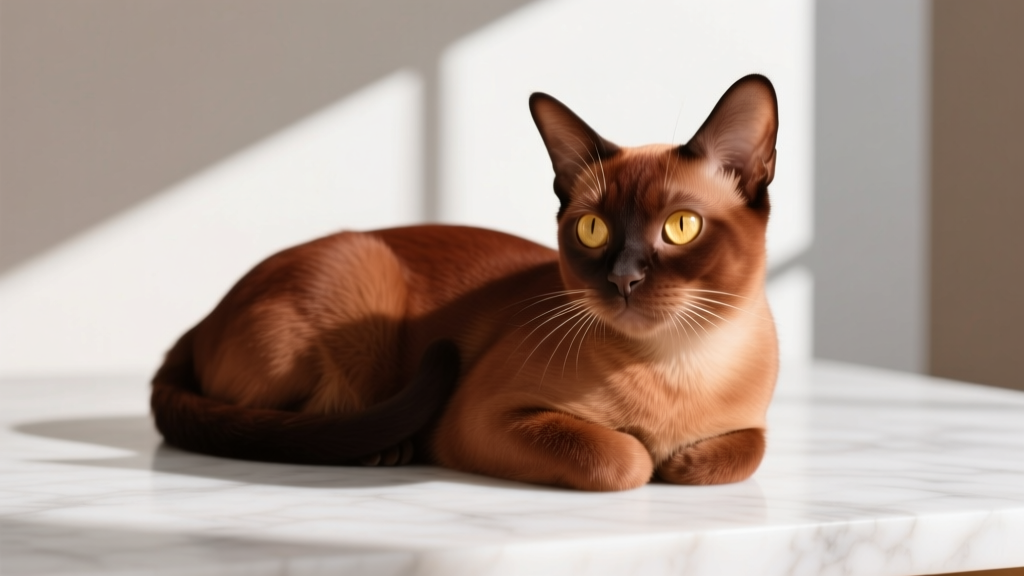
And then there’s the look: that glossy coat, the expressive round eyes, and a solid, muscular body that often surprises first-time Burmese owners. Pick one up and you’ll understand why fans call them “bricks wrapped in silk.” They’re cuddly, yes—but also sturdy, athletic, and full of playful energy long past kittenhood.
Whether you’re researching cat breeds, choosing a new companion, or simply obsessed with learning about the best cuddle cats on the planet, the Burmese is a breed worth knowing deeply. Let’s meet the brick-colored cuddler that’s stolen hearts worldwide.
Breed History and Origin
The modern Burmese cat traces back to the 1930s, when a small brown cat named Wong Mau was brought from Burma (now Myanmar) to the United States. She wasn’t quite like the other cats being bred at the time—her coat and overall look suggested a distinct type. Breeders recognized something special and began a careful breeding program, pairing Wong Mau with Siamese-type cats to develop the rich, solid color and rounded features that would become Burmese hallmarks.
Over time, the Burmese became established as its own breed, loved for its affectionate personality and gleaming coat. Today you may hear people mention two “styles”:
- American Burmese: Often has a rounder head, shorter muzzle, and a more compact, cobby build.
- European (or British) Burmese: Typically a slightly longer wedge to the face and a more moderate overall look.
Both are undeniably Burmese: people-oriented, playful, and irresistibly smooth-coated.
Physical Characteristics
The Burmese cat is medium in size but famously dense and muscular. They tend to feel heavier than they look, with a sleek, satin coat that lies close to the body.
| Trait | Typical Burmese Features |
|---|---|
| Size | Medium, compact and muscular |
| Weight | Often 8–12 lb (some females smaller; males can be larger) |
| Coat | Short, fine, glossy; “satin” feel with minimal undercoat |
| Eyes | Large and expressive; typically gold to yellow (shade can vary) |
| Body | Solid, athletic, surprisingly heavy for their size |
| Head & Face | Rounded contours; full cheeks; short to moderate muzzle (depending on lines) |
Coat Colors and Patterns
When people say “brick-colored cuddler,” they’re often thinking of the classic Burmese coat—rich, warm, and glowing. The Burmese is known for solid coloration, though the overall tone may show subtle shading depending on genetics and lighting.
- Sable (brown): The iconic Burmese color—deep warm brown with a soft sheen.
- Champagne: A warm beige or honey tone.
- Blue: A soft, silvery gray with warmth.
- Platinum (lilac): A pale gray with a rosy cast.
Depending on the cat registry and bloodline, you may also see additional colors such as red, cream, and tortoiseshell varieties more commonly recognized in some regions (especially in European Burmese lines). Whatever the shade, the signature is the same: a sleek, close-lying coat that looks polished even on a lazy day.
Distinctive Features
- “Brick in silk” feel: compact and weighty under that smooth coat
- Soft, rounded contours: head and body tend toward curves rather than angles
- Expressive eyes: bright, alert, and very good at getting what they want
Personality and Temperament Traits
If you’re searching for an affectionate cat breed that truly bonds with people, the Burmese belongs at the top of your list. They’re often described as velcro cats: they want to be involved, included, and close—preferably touching you.
Common Burmese personality traits include:
- Deeply social: They thrive on interaction and can become lonely if left solo too often.
- Playful and curious: Many Burmese stay kittenish well into adulthood.
- People-first: They tend to choose human company over hiding under furniture.
- Chatty (but usually not extreme): Expect sweet commentary and “answers” when you speak.
- Confident: Many Burmese greet visitors like they’re hosting the party.
This is a breed that loves routines—morning greetings, evening couch snuggles, and a predictable spot beside you while you work. If you want an independent “roommate cat,” Burmese may feel like a little too much… but if you want a devoted companion, they’re pure magic.
Health Considerations and Common Issues
Burmese cats are generally robust, but like many purebred cats, they can be predisposed to certain health concerns. Responsible breeders screen their lines and will happily discuss testing and family history.
Potential health issues seen in Burmese cats include:
- Dental disease: Gum inflammation and tartar buildup can happen; regular dental care helps.
- Obesity: Their love of food plus their “solid” build can lead to weight gain if portions aren’t managed.
- Diabetes mellitus: Risk increases with excess weight; keeping them lean is protective.
- Eye issues: Some lines may experience tearing or other eye concerns; routine vet checks are useful.
- Breed-line concerns: Certain inherited conditions have been reported historically in Burmese populations; reputable breeders focus on health screening and avoiding high-risk pairings.
Your best plan: choose a breeder who prioritizes health, get regular veterinary checkups, keep your Burmese at a healthy weight, and stay consistent with dental hygiene.
Care Requirements
The Burmese is a relatively easy-care cat in terms of grooming, but they’re not a “set it and forget it” breed emotionally. Their biggest need is simple: time with you.
Grooming
That short, satin coat is low-maintenance and doesn’t mat easily. A little routine brushing also doubles as bonding time—something Burmese cats never complain about.
- Brushing: 1–2 times per week with a soft brush or grooming mitt
- Nails: Trim every 2–4 weeks
- Ears: Check weekly; clean only if needed with vet-approved cleaner
- Teeth: Aim for regular brushing (even a few times a week helps)
Exercise and Enrichment
Burmese cats are athletic and smart. Without outlets, they may invent their own entertainment—like reorganizing your shelves at 2 a.m.
- Interactive play: Wand toys, feather teasers, and chase games
- Climbing options: Cat trees, window perches, shelving
- Puzzle feeders: Great for mental stimulation and slowing fast eaters
- Fetch-friendly: Many Burmese will happily retrieve small toys
Diet
Because Burmese cats can gain weight easily, a measured, high-quality diet is key. Choose a complete and balanced cat food with strong animal protein sources, and keep treats sensible (even if those golden eyes insist otherwise).
- Portion control: Measure meals rather than free-feeding if weight creeps up
- Protein-forward nutrition: Supports muscle and overall condition
- Wet food: Can help with hydration and satiety
- Monitor body condition: You should feel ribs with gentle pressure, not a soft “padding” layer
Compatibility with Families, Children, and Other Pets
The Burmese cat is often a dream choice for families because they’re affectionate, playful, and typically tolerant of respectful handling. They want to be part of the action, whether that’s family movie night or helping a child build a blanket fort.
- With children: Usually excellent with gentle kids; they enjoy interactive games and attention.
- With other cats: Often social, especially if introduced thoughtfully; they may prefer a friendly companion over being alone.
- With dogs: Many Burmese do well with calm, cat-savvy dogs and proper introductions.
The biggest “compatibility” factor isn’t another pet—it’s your schedule. Burmese cats don’t love long, lonely days. If you work extended hours away from home, consider adopting two compatible cats or ensuring plenty of enrichment and interaction.
Pros and Cons of Owning a Burmese Cat
| Pros | Cons |
|---|---|
| Exceptionally affectionate and people-oriented | Can become lonely or bored if left alone too much |
| Low-maintenance coat with a glossy finish | May be prone to weight gain without portion control |
| Playful, entertaining, and often fetch-friendly | Curiosity can lead to mischief (childproofing helps) |
| Generally good with kids and other pets when introduced well | Needs daily interaction and engagement to thrive |
| Compact, muscular “brick in silk” body—sturdy and cuddly | Like all purebreds, may have breed-line health risks; choose breeders carefully |
FAQ: Burmese Cats
Are Burmese cats good lap cats?
Yes—many Burmese cats are legendary lap cats. They often seek physical closeness and will happily curl up against you (or on you) whenever you sit down.
Do Burmese cats shed a lot?
They’re typically low to moderate shedders. Their short coat doesn’t shed as heavily as many longer-coated breeds, and weekly brushing usually keeps loose hair under control.
How big do Burmese cats get?
Most Burmese cats are medium-sized, often around 8–12 pounds, with a compact, muscular build. They can feel heavier than they look—classic “brick wrapped in silk.”
Are Burmese cats talkative like Siamese?
Many Burmese are chatty and expressive, but they’re often less intense than Siamese. Expect friendly commentary, greeting chirps, and the occasional persuasive “argument” at mealtime.
Do Burmese cats need a companion cat?
Not always, but many do best with company. If your household is quiet or you’re away for long hours, a second friendly cat (or a cat-appropriate dog) can help meet their social needs.
What’s the best home setup for a Burmese cat?
A home with daily interaction, interactive toys, cozy lounging spots near people, and vertical space (cat trees, perches). They love being in the center of the household, not tucked away in a spare room.
A Warm Goodbye (for Now)
The Burmese cat is the kind of companion that makes a house feel more alive: a glossy shadow at your heels, a warm presence on the couch, and a playful spark darting after toys with kitten-like joy. If you want a cat breed that thrives on affection, returns it generously, and looks stunning while doing it, the Burmese may be your perfect match.
Want to meet more amazing feline personalities? Explore more breed profiles on catloversbase.com and find the cat that fits your heart and home.