Maine Coon Care and Temperament
The Gentle Giant of Cat Breeds
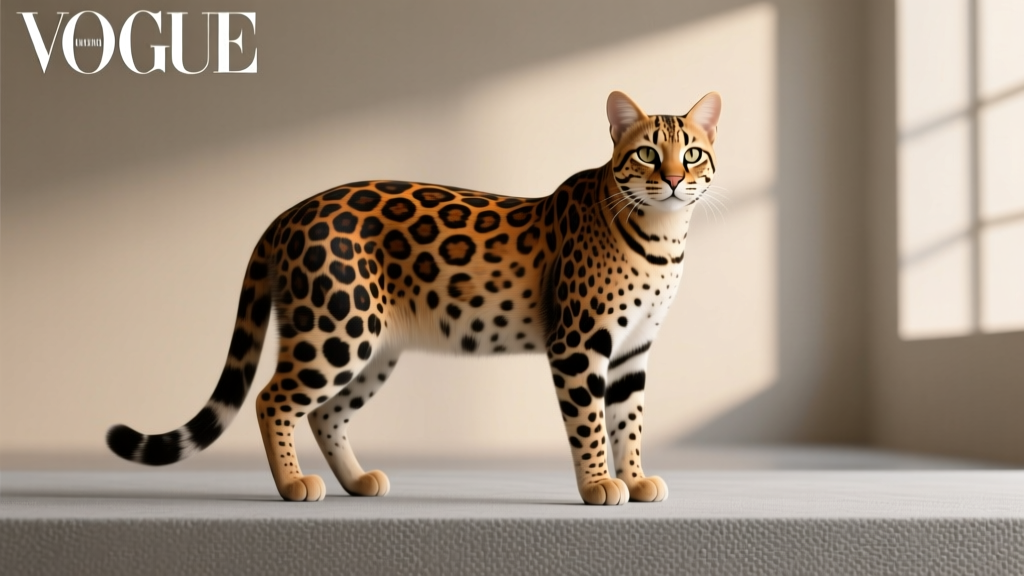
Maine Coons are the largest domesticated cat breed, with males reaching 18-25 pounds and stretching up to 40 inches long. Despite their imposing size, they're known as "gentle giants" with friendly, dog-like personalities.
Temperament Highlights
- Highly social — enjoy being near people without being clingy
- Water-loving — many Maine Coons play with water and even swim
- Vocal — chirps and trills rather than typical meows
- Playful into adulthood — retain kitten-like energy for 3-5 years
- Intelligent — can learn fetch, leash walking, and tricks
Coat Care
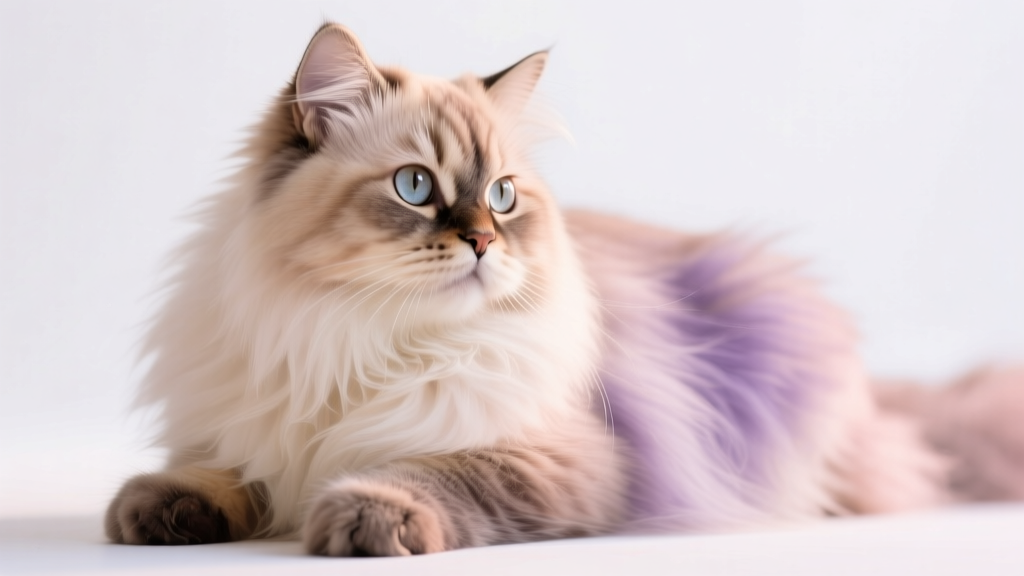
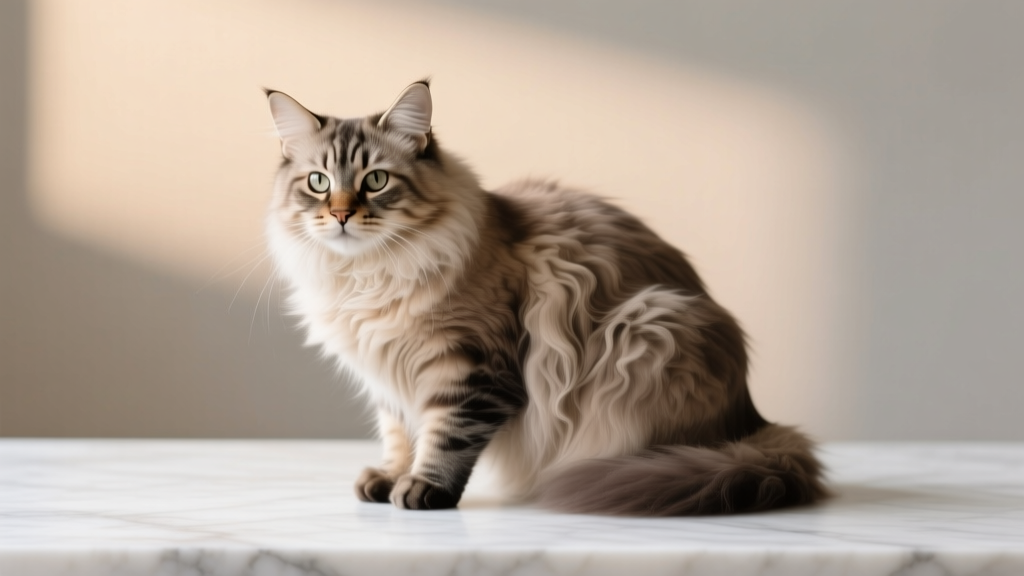
Maine Coons have a thick, water-resistant double coat that requires regular attention:
- Brush 3-4 times per week with a wide-toothed comb followed by a slicker brush
- Pay special attention to the ruff (neck fur), britches (hind legs), and tail
- Matting is common behind ears and in armpits — check these areas weekly
- Seasonal shedding is heavy — daily brushing in spring and fall
- Bathing every 4-6 weeks helps manage oil buildup in the dense coat
Breed-Specific Health Concerns
Hypertrophic Cardiomyopathy (HCM)
Up to 30% of Maine Coons carry the MYBPC3 gene mutation that causes HCM. Annual echocardiograms recommended from age 3.
Hip Dysplasia
Unusual in cats but common in Maine Coons due to their large size. Maintain lean body weight and consider joint supplements.
Spinal Muscular Atrophy (SMA)
A genetic condition causing hindquarter weakness. DNA testing available — responsible breeders test before breeding.
Space and Exercise Needs
- Need more space than average cats — small apartments can feel restrictive
- Sturdy cat trees that can support 20+ pounds
- Interactive toys and puzzle feeders for mental stimulation
- Consider leash training for outdoor exploration
Feeding Considerations
Maine Coons grow slowly (full size at 3-5 years) and need nutrition to support their large frames:
- Kitten food until 12-18 months (longer than most breeds)
- Large kibble size to match their bigger mouths
- Joint-supporting supplements (glucosamine) starting at age 3
- Monitor portions carefully — obesity worsens hip and heart problems