Marble Cat: Swirl-Pattern Coat Breeding
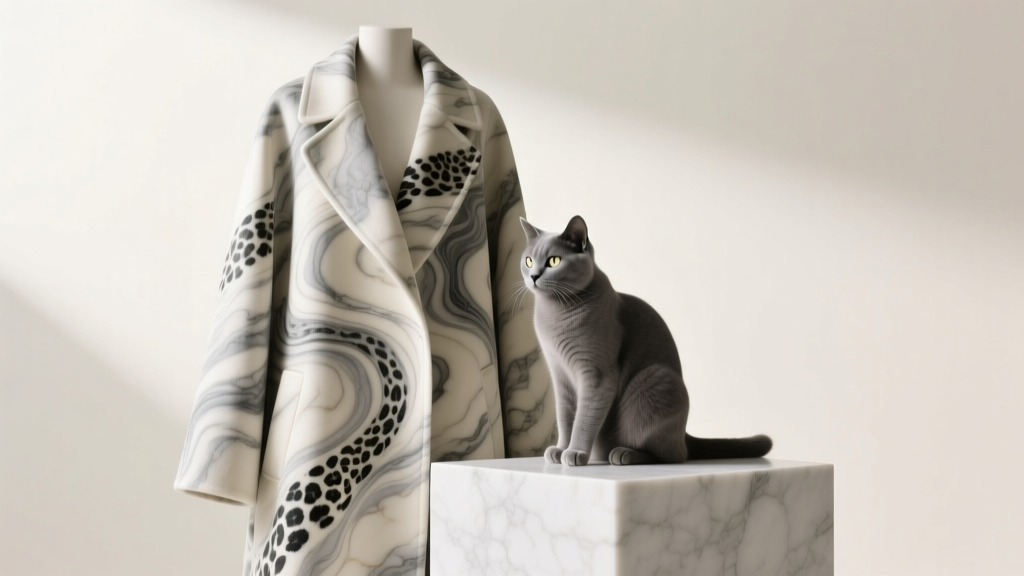
There’s something almost hypnotic about a marbled coat. One moment you’re looking at a cat, the next you’re tracing swirling ribbons of color that look like woodgrain, smoke, or ink poured into water. “Marble cat” is a phrase cat lovers use for cats with that dramatic swirl-pattern coat—most famously the marbled Bengal, but also marbled American Shorthairs, Maine Coons, and other breeds where the classic tabby (blotched) pattern shows up in high style.
This article focuses on the “Marble Cat” as cat enthusiasts commonly mean it: a marbled Bengal-type cat bred specifically for a bold, flowing, high-contrast swirl pattern. If you’re researching swirl-pattern coat breeding, shopping for a marbled Bengal kitten, or simply obsessed with those gorgeous whorls, you’re in the right place. Let’s talk history, genetics (in plain language), personality, health, and what life is really like with a cat that looks like living artwork.
Breed History and Origin
Marbling isn’t a separate breed—it’s a coat pattern that can occur in several breeds. The reason “marble cat” is so often associated with Bengals is that Bengal breeding elevated marbling into a signature look: large, flowing patterns that seem to wrap around the body rather than sitting in neat stripes.
The Bengal cat traces back to crossings between domestic cats and the Asian leopard cat (Prionailurus bengalensis) in the late 20th century. Early breeders aimed for a wild-inspired look paired with a friendly companion temperament. Over time, Bengal lines were developed with consistent domestic temperament and striking coats—both spotted and marbled.
Today, swirl-pattern coat breeding in Bengals focuses on:
- Flow and alignment of the marble across shoulders, torso, and hips
- High contrast between pattern and background color
- Reduced “bullseye” look (a classic tabby bullseye can appear in marbles; many breeders prefer more horizontal, streaming movement)
- Clear color with minimal “muddiness” in the background
Marbled patterns in other breeds (like American Shorthairs) come from the classic tabby pattern. In Bengals, marbling has been selectively refined to look more like swirling “clouds,” “oysters,” or stretched rosettes.
Physical Characteristics
Because “marble cat” most often refers to a marbled Bengal, the details below describe that type: athletic, sleek, glittery coat, and dramatic swirls. Individual cats vary by line and generation, and marbling can also appear in other breeds with different body types.
| Trait | Typical Marble Bengal Range |
|---|---|
| Size | Medium to large; long, athletic build |
| Weight | Females: ~7–10 lb (3.2–4.5 kg); Males: ~10–15 lb (4.5–6.8 kg) |
| Body | Muscular, agile, with a slightly wild “hunter” posture |
| Coat length | Short to medium-short, dense, plush |
| Coat feel | Often described as silky; many lines show “glitter” (sparkly sheen) |
| Eyes | Large and expressive; color varies with coat (greens/golds common) |
| Distinctive feature | Bold swirling marble pattern with strong contrast |
Coat, Colors, and the Marble Pattern
Marble is essentially a variation of tabby patterning. Instead of narrow stripes, you see broader, swirling bands that can form:
- Horizontal flow (ribbons sweeping from shoulder to flank)
- Oyster swirls (rounder whirl motifs)
- Sheet marbling (large patches of pattern with less internal detail)
- Chaos marbling (highly complex, irregular swirls)
Common Bengal marble colors include:
- Brown (black) marble: warm golden background with dark chocolate/black swirls
- Snow marble: lighter cream/ivory backgrounds (often categorized as lynx, mink, or sepia in Bengal color terms)
- Silver marble: cool pale background with dark charcoal patterning
- Charcoal effects: can add a dramatic “mask” and darker cape-like shading along the back in some lines
If you’re researching swirl-pattern coat breeding, you’ll hear breeders talk about contrast, clarity, and flow. A standout marble cat looks like the pattern is painted under glass—clear, bold, and beautifully arranged.
Personality and Temperament Traits
Marble-pattern Bengals aren’t just pretty—they’re famously interactive. Think “cat who wants to be part of the conversation” rather than “decorative couch ornament.” Many are confident, bright, and curious, with a strong desire to explore.
Common temperament traits include:
- High intelligence: quick to learn routines, puzzle toys, and even tricks
- Play-driven: loves chasing, climbing, stalking, and interactive games
- People-focused: often follows favorite humans from room to room
- Vocal communicator: not always loud, but frequently “chatty”
- Water curiosity: some enjoy dripping faucets or “helping” at the sink
That said, Bengals and Bengal-type marble cats can be intense for first-time owners who expect a low-energy lap cat. With the right enrichment, they’re wonderfully affectionate and entertaining. Without it, they may invent their own fun—usually involving cabinets, curtains, or a daring leap to the top of the fridge.
Health Considerations and Common Issues
Responsible swirl-pattern coat breeding isn’t only about pattern and color—it’s also about health screening and stable, friendly temperament. Marble cats (especially marbled Bengals) can be generally robust, but some lines carry known concerns.
Health issues seen in Bengal lines may include:
- Hypertrophic cardiomyopathy (HCM): a heart condition; reputable breeders often screen breeding cats with cardiac ultrasounds
- Progressive retinal atrophy (PRA-b): an inherited eye disease; DNA testing can identify carriers
- Pyruvate kinase deficiency (PK-def): can cause anemia; DNA testing is available
- Patellar luxation: kneecap instability in some cats
- Sensitive digestion: some individuals do better with consistent, high-quality diets
When choosing a marbled Bengal kitten, look for a breeder who can clearly explain:
- Which DNA tests have been done (and provide results)
- What cardiac screening is performed for HCM (and how often)
- How kittens are socialized in the home
- What they do to support temperament alongside coat goals
Care Requirements (Grooming, Exercise, Diet)
Grooming
The good news: most marble cats with Bengal-type coats are relatively easy to groom. Their short, plush fur doesn’t usually mat.
- Brushing: 1–2 times a week to reduce shedding and keep the coat shiny
- Nails: trim every 2–4 weeks, especially for active climbers
- Teeth: dental care matters—brush when possible or use vet-approved dental options
- Ear checks: quick weekly peek for wax or irritation
Exercise and Enrichment
Marble Bengals thrive with daily play. If you want the coat to look like a showpiece and the cat to feel content, give them an outlet for that athletic brain and body.
- Interactive play: wand toys, fetch games, laser play (always end with a “catch” toy)
- Vertical space: tall cat trees, wall shelves, window perches
- Puzzle feeders: great for boredom prevention
- Leash training: many take to a harness with patient practice
Diet
There’s no single “marble cat diet,” but active, muscular cats often do best with high-quality, protein-forward nutrition.
- Choose a balanced diet (commercial complete food that meets AAFCO or equivalent standards)
- Wet food can support hydration, especially for cats that don’t drink much
- Keep treats reasonable, especially with food-motivated Bengals
- Monitor weight: they’re athletic, but they can still gain excess weight if bored and overfed
If your marble cat has recurring tummy troubles, ask your vet about gradual diet changes, novel proteins, and whether a sensitive-stomach formula makes sense.
Compatibility with Families, Children, and Other Pets
Marble cats with Bengal-type temperaments can be fantastic family companions—especially for households that enjoy an active, interactive pet.
- With children: often great with respectful kids who like to play (wand toys and fetch are big hits). Teach children not to grab or chase.
- With other cats: many do well if introductions are slow and both cats have enough space and resources.
- With dogs: can coexist nicely with cat-savvy dogs; some marble Bengals are confident enough to become the “boss.”
- With small pets: caution. Their prey drive can be strong, so birds, rodents, and fish tanks need secure setups and strict supervision.
For multi-pet homes, plan for plenty of enrichment to prevent boredom-driven troublemaking. Two well-matched cats can be a great solution—many high-energy cats do best with a playmate.
Pros and Cons of Owning This Breed/Type
| Pros | Cons |
|---|---|
| Stunning swirl-pattern coat with serious “wow” factor | High energy; needs daily play and mental stimulation |
| Smart, trainable, and engaging | Can be mischievous if bored (they will find a project) |
| Often social and people-oriented | Not always a quiet, all-day lap cat |
| Short coat is generally easy to maintain | Health screening matters; poor breeding can lead to avoidable issues |
| Great fit for active homes and cat hobbyists | May have strong prey drive; needs careful pet compatibility planning |
FAQ: Marble Cat (Swirl-Pattern Coat) Basics
Are “Marble Cats” a separate breed?
No. “Marble cat” usually describes a coat pattern, not a breed. The swirl pattern can appear in multiple breeds, but it’s especially popular in the Bengal cat, where breeders have refined marbling for bold flow and contrast.
Do marble kittens change pattern as they grow?
The overall marble layout is present early, but kittens can go through coat changes as they mature. Bengals can experience a developmental phase where pattern clarity seems muted before sharpening again as the adult coat comes in. Contrast and definition often improve with age.
What’s the difference between marbled and classic tabby?
Classic tabby (also called blotched tabby) typically shows a more defined “bullseye” swirl on the sides. Bengal marbling is often bred for a more flowing, horizontal movement and complex, layered swirls that look less like a target and more like streaming artwork.
Are marble Bengals calmer than spotted Bengals?
Coat pattern doesn’t reliably predict energy level. Temperament is influenced more by individual personality, early socialization, and the breeder’s lines. You can find cuddly marbles and busy marbles—same with spotted Bengals.
How do breeders create that swirl-pattern coat?
Swirl-pattern coat breeding is selective: breeders pair cats with strong marbling traits (clarity, contrast, flow) and track results over generations. Ethical breeders prioritize health testing and temperament alongside coat goals.
Warm Signoff
A marble cat brings a special kind of joy: the daily thrill of living with a clever, athletic companion wrapped in a swirl-pattern coat that never stops catching your eye. If you love interactive play, want a cat with presence, and appreciate thoughtful breeding that balances beauty with health and temperament, a marbled Bengal-type cat can be an amazing match.
When you’re ready to keep exploring the wonderful world of cats—patterns, personalities, and all—visit more breed profiles at catloversbase.com.