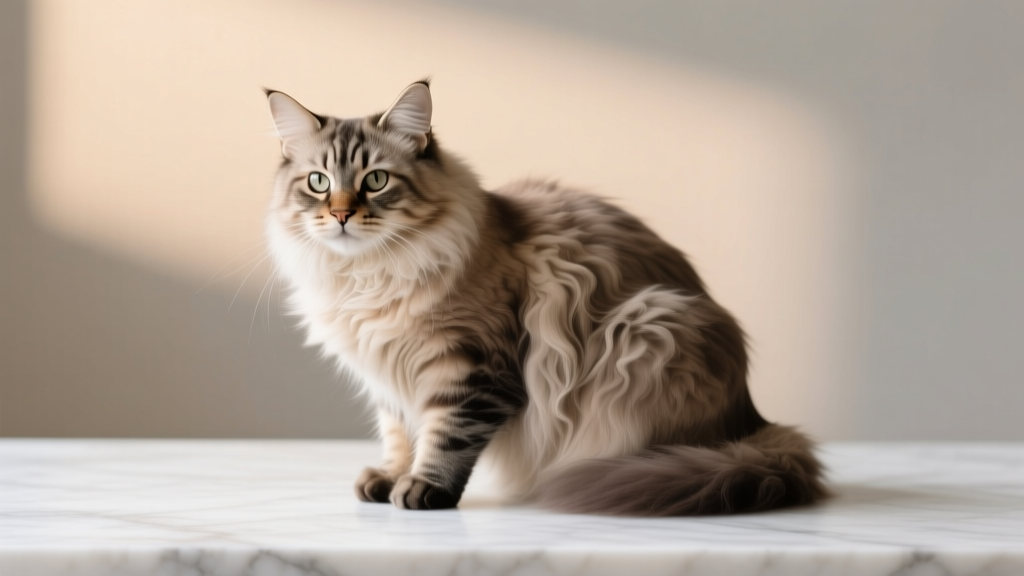
Skookum: Dwarf LaPerm Hybrid
If you’ve ever wished for a cat that looks like a tiny, curly-coated woodland sprite—equal parts cuddle-bug and comedian—the Skookum cat might steal your heart fast. This rare breed combines two unforgettable traits: the short legs of the Munchkin and the soft, springy curls of the LaPerm. The result is a cat that’s compact, whimsical, and often described as “perpetual kitten” cute… even as an adult.
Skookums aren’t just about looks, though. They tend to be people-oriented, playful, and surprisingly agile for their low-to-the-ground build. Because they’re uncommon, many cat lovers have never met one in person—so if you’re researching this breed for a future companion (or just feeding your curiosity), you’re in for a treat.
Below you’ll find a complete Skookum breed profile—from origin story to grooming tips—written for cat enthusiasts, potential owners, and anyone who loves discovering unique feline gems.
Breed History and Origin
The Skookum is a deliberate hybrid breed developed in the United States in the 1990s. Breeders set out to combine:
- Munchkin: known for its naturally occurring short-legged trait
- LaPerm: known for its curly coat and affectionate, people-focused personality
The name “Skookum” comes from a term used in the Pacific Northwest (with roots in Chinook Jargon) meaning strong, brave, or impressive. It’s a fitting name for a small cat that often carries itself with big confidence and charm.
Skookums remain rare compared to more established pedigrees, and recognition varies by registry. They’re most often seen in specialty breeding programs and among devoted fans of curly-coated cats and short-legged breeds.
Physical Characteristics
Skookums are small-to-medium cats with a compact body, short legs, and a visibly curly coat that can range from loose waves to tighter ringlets. They tend to feel surprisingly sturdy when you pick them up—dense, solid, and “more cat than you expected” for their size.
| Skookum Cat at a Glance | |
|---|---|
| Size | Small to medium |
| Weight | Typically ~5–10 lb (2.3–4.5 kg) |
| Leg length | Short (dwarf/low-set); body remains well-proportioned |
| Coat | Curly or wavy; can be short to medium length (sometimes longer) |
| Colors & patterns | Many/most colors and patterns possible (including tabby, solid, tortie, bi-color, etc.) |
| Distinctive features | Curled coat, short legs, plush tail, expressive eyes, rounded contours |
Coat, Texture, and Colors
Thanks to LaPerm influence, the Skookum’s curly coat is the headline feature. The coat often feels light, airy, and springy, not heavy or oily. Some cats have a slightly messier, “just rolled out of bed adorable” look—one of the breed’s most beloved qualities.
- Coat length: short to medium is common; longer coats are also seen
- Texture: soft, plush, and resilient curls or waves
- Colors: widely variable; Skookums can come in many shades and patterns
Body Shape and Movement
The Skookum is typically compact and muscular with a rounded chest and a solid feel. Short legs do not mean “immobile”—many Skookums run, chase toys, and climb with gusto. You may notice they take a different approach to height, preferring shorter climbing routes or step-by-step furniture paths rather than dramatic vertical leaps.
Personality and Temperament Traits
If you like cats that want to be part of everything you do, the Skookum has serious potential. While every cat is an individual, Skookums commonly inherit:
- Affectionate, social behavior (often from the LaPerm side)
- Playful, curious energy that lasts well past kittenhood
- People-focus—many enjoy following you from room to room
- Gentle humor: they’re often described as silly, charming, and expressive
They tend to enjoy interactive play—wand toys, ball tracks, puzzle feeders—and many are happy to be held once they trust you. A well-socialized Skookum often adapts nicely to routine changes, visitors, and busy households, as long as they get enough attention and enrichment.
Health Considerations and Common Issues
Because the Skookum is a hybrid of Munchkin and LaPerm, health conversations often focus on body structure (short legs) and general responsible breeding practices. Many Skookums live normal, happy lives, but prospective owners should go in informed.
Potential concerns to discuss with breeders/vets
- Spinal and skeletal concerns: Short-legged cats can have different biomechanics. Ask the breeder about orthopedic health, mobility, and family history.
- Chest/spine conformation issues: In some short-legged lines, conditions affecting the chest or spine have been discussed within the wider community. Work with breeders who screen carefully and prioritize function and comfort.
- Weight management: Extra pounds can be harder on joints in any cat, and especially in cats with shorter limbs. A lean body condition is your best friend here.
- Dental health: Like many cats, they benefit from routine dental care and vet checkups.
Your best safeguard is choosing a breeder who is transparent, keeps detailed health records, and will happily discuss how they select breeding cats for sound structure and temperament.
Care Requirements (Grooming, Exercise, Diet)
Grooming
That cute curly coat comes with a little upkeep—but it’s usually manageable. Skookum grooming needs depend on coat length and curl tightness. Many do well with gentle grooming to prevent tangles and to reduce loose hair.
- Brushing: 1–2 times per week for many coats; more if longer or prone to matting
- Tools: a wide-tooth comb or gentle slicker (avoid over-brushing delicate curls)
- Bathing: occasional baths can help some curly coats look their best, but don’t overdo it
- Ears, nails, and eyes: routine checks; trim nails every few weeks
One tip Skookum owners often appreciate: after grooming, allow the coat to “settle” so curls spring back naturally.
Exercise and Enrichment
Skookums typically love play. Because of their short legs, think “smart enrichment” rather than marathon vertical leaps.
- Daily interactive play: 10–20 minutes, 1–2 sessions (or more if your cat begs for it)
- Climbing options: cat trees with wide platforms, ramps, or step-like shelving
- Puzzle feeders: great for mental stimulation and slowing fast eaters
- Safe chasing games: wand toys, crinkle balls, tunnels
Diet
A high-quality, balanced diet helps keep Skookums lean and energetic. Because maintaining a healthy weight is especially valuable for joint comfort, portion control matters.
- Choose: complete and balanced cat food appropriate for age (kitten/adult/senior)
- Prioritize: adequate protein, hydration (wet food can help), and measured portions
- Limit: high-calorie treats; use treats strategically for training or enrichment
If your Skookum is particularly food-motivated (many are), puzzle feeders and treat balls can turn snack time into healthy activity.
Compatibility With Families, Children, and Other Pets
Many Skookums thrive in social homes. With proper introductions and respectful handling, they can be excellent companions for families.
With children
Skookums often do well with gentle kids who understand cat boundaries. Teach children to:
- support the cat’s body when holding
- avoid pulling curls or tail
- let the cat walk away when it’s had enough
With dogs and other cats
Skookums can be friendly with other pets, especially if raised with them or introduced slowly. They tend to enjoy a confident, playful cat companion and may coexist well with cat-savvy dogs.
- Best matches: friendly cats, calm-to-playful dogs with respectful manners
- Helpful setup: multiple litter boxes, vertical space with easy access, separate feeding stations
Pros and Cons of Owning a Skookum
| Pros | Cons |
|---|---|
| Adorable curly coat and short-legged “forever kitten” look | Hard to find; reputable breeders can have long waitlists |
| Affectionate, social, and often very people-oriented | Needs regular grooming to prevent tangles/mats (varies by coat) |
| Playful and entertaining without necessarily being hyper | Weight management is crucial; extra pounds can stress joints |
| Often adapts well to families and multi-pet homes | As a short-legged breed mix, prospective owners should be mindful of orthopedic health and choose breeders carefully |
| Unique look—rare, conversation-starting breed for enthusiasts | Some homes may need pet furniture “steps” to make access easier |
FAQ About the Skookum Cat
Are Skookum cats hypoallergenic?
No cat is truly hypoallergenic. Skookums may shed less than some cats and their curls can trap loose hair, but allergens come mainly from saliva and skin proteins. If allergies are a concern, spend time with the breed first and talk with your allergist.
Do Skookums have trouble walking or jumping because of their short legs?
Most Skookums are active and mobile. They may not jump as high as long-legged cats, but they often climb in stages and move confidently. Keeping them lean and providing ramps/steps can help them navigate comfortably.
How big does a Skookum cat get?
They’re generally small to medium, commonly around 5–10 pounds. Females are often on the smaller end, with males trending heavier, though individual size varies.
How much grooming does a Skookum need?
Plan on weekly grooming at minimum, sometimes more for longer coats. A gentle comb-through helps prevent mats and keeps the curly coat looking its best.
Are Skookum cats good for first-time cat owners?
They can be, especially for someone who wants a social, playful companion and is comfortable with regular grooming. The biggest “first-timer challenge” is doing careful research to find a responsible breeder and staying on top of healthy weight and enrichment.
What’s the difference between a Skookum and a LaPerm?
Both can have curly coats, but the Skookum is known for combining curls with short legs (from the Munchkin). A LaPerm typically has standard leg length.
Warm Final Thoughts
The Skookum cat is a delightful mix of curls, confidence, and companionship—a rare dwarf LaPerm hybrid that brings a lot of personality in a compact package. If you’re drawn to affectionate cats that like to be involved in daily life (and you’re ready to keep that coat tangle-free), a Skookum can be a truly special addition to the family.
Want to meet more fascinating felines—curly-coated, short-legged, fluffy, sleek, and everything in between? Explore more breed profiles on catloversbase.com.