King Cheetoh: Oversized Spotted Breed
If you’ve ever wished you could share your couch with a mini “big cat” that looks like it wandered out of the savanna—without any of the wild danger—the King Cheetoh is the daydream come true. With an eye-catching spotted coat, a muscular, oversized build, and a presence that turns heads, this breed is all about bold beauty… and surprisingly affectionate companionship.
Cat lovers are drawn to the King Cheetoh for the same reasons people admire exotic-looking breeds like Bengals and Savannahs: dramatic patterning, athletic movement, and that “wild-at-heart” vibe. What makes the King Cheetoh especially appealing is the goal behind the breed’s development—pairing a striking, big-cat look with a social, people-friendly temperament suited to life as a family pet.
If you’re researching a large spotted cat breed with a devoted personality—and you’re ready for a cat that takes up both physical space and emotional space—this guide will walk you through the King Cheetoh’s origin, traits, care, and what it’s really like living with one.
Breed History and Origin
The Cheetoh cat was developed in the early 2000s in the United States with the intention of creating a domestic cat that resembled a wild cheetah—large, powerfully built, and boldly spotted—while maintaining a gentle, companionable nature. The best-known foundation cross associated with Cheetoh development is the Bengal and the Ocicat.
King Cheetoh is a term most often used to describe especially large Cheetoh-type cats or lines bred for more size, substance, and dramatic patterning. Because this is a relatively new, niche breed type and not universally standardized across all registries, you may see variation between breeders in how they define “King” sizing and what lineage they prioritize.
When researching breeders, ask direct questions about:
- Which foundation breeds are in their lines (Bengal, Ocicat, and any outcrosses)
- How they define “King Cheetoh” (target weight range, adult size expectations)
- Whether their cats are registered with a cat registry (and which one)
- Health testing practices for conditions found in Bengals and Ocicats
Physical Characteristics
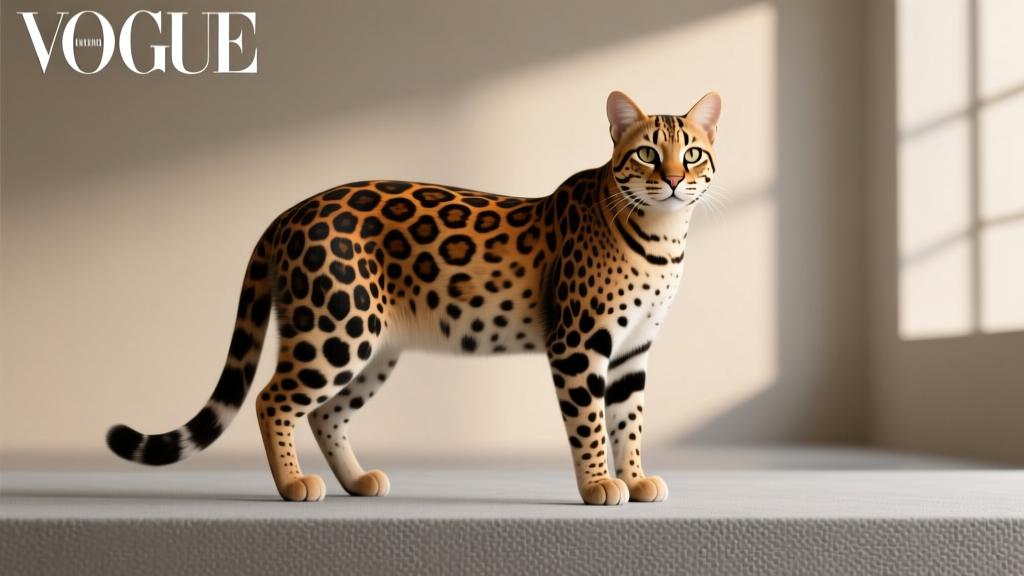
The King Cheetoh is all about presence: long, substantial, and athletic, with a coat designed to stop you mid-scroll. While exact size can vary by line, many are notably larger than the average housecat and may be described as “oversized” compared to typical Bengals or Ocicats.
| Feature | What to Expect |
|---|---|
| Size | Large; long-bodied with a broad chest and strong bone structure |
| Weight | Often around 12–20+ lbs depending on sex, genetics, and conditioning (some lines may produce larger individuals) |
| Build | Muscular, athletic, sturdy; built for jumping and sprinting |
| Coat | Short to medium-short, dense, plush; frequently described as sleek with a “glossy” finish |
| Colors & Patterns | Spotted is the headline (rosettes/spots may occur). Common tones include brown/black spotting, golden/tan backgrounds, and other warm hues depending on lineage. |
| Head & Face | Alert, confident expression; medium-to-large ears; strong muzzle; eyes often wide and expressive |
| Distinctive Features | High-contrast spots, powerful shoulders and hindquarters, long tail for balance, “wild” look with domestic mannerisms |
Because “King Cheetoh” is used somewhat informally to highlight extra-large Cheetoh types, you’ll see variability. A responsible breeder will be transparent about realistic adult size and won’t promise extreme weights as a selling point. Oversized is exciting—but sound structure and good health matter far more than bragging rights.
Personality and Temperament Traits
For many owners, the biggest surprise is how loving this dramatic-looking cat can be. King Cheetohs are often described as:
- Highly social – They tend to want to be part of whatever you’re doing.
- Confident and curious – Expect a cat who checks out every new box, bag, and visitor.
- Play-driven and energetic – Athletic bodies come with athletic needs.
- Smart – Many learn routines quickly, open doors, or figure out puzzle feeders in record time.
- Affectionate – Some are lap-adjacent cuddlers; others prefer to “help” from a close perch.
They’re often a great fit for people who enjoy interactive cats—think wand-toy sessions, training games, and a cat who follows you from room to room like a spotted shadow.
Health Considerations and Common Issues
Because King Cheetohs draw from Bengal and Ocicat-type lines, health planning should focus on conditions known in those backgrounds. Not every cat will develop these issues, but responsible breeding and proactive vet care make a huge difference.
Potential concerns to discuss with a breeder and your veterinarian include:
- Hypertrophic cardiomyopathy (HCM) – A heart condition seen in multiple breeds. Ask whether breeding cats receive cardiac screening.
- Progressive retinal atrophy (PRA) – Genetic eye disease present in some lines. Genetic testing may be available depending on lineage.
- Patellar luxation – Knee cap instability that can affect active cats.
- Dental disease – Common in many cats; large, powerful jaws still need regular dental care.
- Sensitive digestion – Some spotted/athletic breeds can have finicky stomachs or do best on consistent, high-quality diets.
Also consider the practical side of “oversized”: heavier cats need excellent weight management and joint support. Big doesn’t mean chubby. A lean, muscular King Cheetoh is the goal.
Care Requirements (Grooming, Exercise, Diet)
Grooming
The coat is usually low-maintenance, but regular grooming keeps it glossy and reduces shedding.
- Brushing: 1–2 times per week with a soft brush or grooming mitt
- Nails: Trim every 2–4 weeks (or as needed)
- Ears: Check weekly; clean only if recommended by your vet
- Teeth: Ideally brush several times a week; dental treats can help but don’t replace brushing
Exercise and Enrichment
King Cheetohs thrive when their brains and bodies are both engaged. A bored, under-stimulated cat of this type will invent their own entertainment—and you may not love their choices.
- Daily interactive play: 15–30 minutes (split into sessions)
- Climbing: Tall cat trees, wall shelves, window perches
- Hunting-style toys: Wand toys, kicker toys, puzzle feeders
- Training: Many enjoy clicker training, “sit,” “high five,” or leash acclimation (patient, positive steps)
Diet
These cats often do best on a high-protein, meat-forward diet that supports muscle maintenance. Choose a reputable, complete-and-balanced cat food (wet, dry, or a vet-approved combination), and watch portions carefully.
- Protein first: Look for animal protein as a primary ingredient
- Hydration: Wet food and/or fountains can help support urinary health
- Portion control: Big frames still need measured meals to avoid excess weight
- Consistency: If your cat has a sensitive stomach, avoid frequent food switches
If you’re considering raw or homemade diets, involve a veterinarian or a board-certified veterinary nutritionist to avoid nutritional imbalances.
Compatibility with Families, Children, and Other Pets
The King Cheetoh’s outgoing nature often makes them a wonderful family companion—especially for households that enjoy an active, engaged cat rather than a purely decorative one.
- Families with kids: Often a good match with respectful children who understand gentle handling and play boundaries.
- Dogs: Many can do well with cat-friendly dogs, especially when introduced gradually and given vertical escape routes.
- Other cats: Usually fine with proper introductions; their confidence can overwhelm timid cats at first.
- Small pets: Use caution—like any athletic cat with a strong prey drive, they may fixate on birds, hamsters, or fish tanks.
Because they can be bold and energetic, slow introductions matter. Give them time to settle, scent-swap, and build positive associations before face-to-face meetings with resident pets.
Pros and Cons of Owning a King Cheetoh
| Pros | Cons |
|---|---|
| Striking spotted “wild” appearance with domestic temperament | High energy—needs daily play and enrichment |
| Social, interactive companion for engaged owners | Can get bored easily (and mischievous) if under-stimulated |
| Often trainable; may enjoy leash work and puzzle toys | Oversized cats may need extra attention to weight and joint support |
| Low-to-moderate grooming needs | Potential inherited health concerns—breeder health testing matters |
| Can do well with kids and pets when introduced properly | Not ideal for people seeking a quiet, low-activity lap cat |
FAQ: King Cheetoh Cats
Are King Cheetoh cats the same as Bengals?
No. While Bengal ancestry is often part of Cheetoh development, a King Cheetoh generally refers to a Cheetoh-type cat bred for a larger size and bold spotting. Bengals are a separate breed with their own standards and lines.
How big does a King Cheetoh get?
Many fall in the 12–20+ lb range, with males typically larger. Size varies by genetics, diet, and overall conditioning. A responsible breeder should give realistic estimates based on parents and past litters.
Do King Cheetoh cats shed a lot?
They’re usually moderate shedders. Their short coat is fairly easy to maintain, and weekly brushing helps keep shedding manageable and the coat shiny.
Are King Cheetoh cats good with children?
Often yes—especially with kids who are taught to respect the cat’s space and use toys (not hands) for play. Their energy can make them a fun match for active households.
Are King Cheetoh cats hypoallergenic?
No cat is truly hypoallergenic. Some people find short-coated cats easier to live with, but allergies are usually triggered by proteins in saliva and dander, not fur length. If allergies are a concern, spend time with the breed before committing.
What should I look for in a King Cheetoh breeder?
Look for transparent health practices (screening for issues like HCM where appropriate), clear information about lineage, well-socialized kittens raised in the home, and a breeder who asks you questions too—good breeders care where their kittens end up.
A Warm Sendoff for Spotted-Cat Fans
The King Cheetoh is a showstopper: oversized, spotted, athletic, and full of personality. For the right home—one that enjoys daily play, enrichment, and a cat who wants to be involved—this breed can be an incredibly rewarding companion. You’re not just bringing home a pretty coat; you’re welcoming a confident, clever friend who will keep life lively and loving.
If you’re captivated by exotic-looking cats and want to compare temperaments, care needs, and size expectations, explore more breed profiles on catloversbase.com.