Exotic Shorthair vs Persian: Breed Comparison
Breed Origins and History
The Persian cat dates to at least the 1600s, with documented imports to Europe from Persia (modern-day Iran) by Italian traveler Pietro Della Valle in 1620 (Robinson, 1991). The Exotic Shorthair was developed in the 1950s as a deliberate cross between Persians and American Shorthairs. Breeder Jane Martinke produced the first recognized Exotic in 1966, and the Cat Fanciers’ Association granted championship status in 1972.
Physical Characteristics
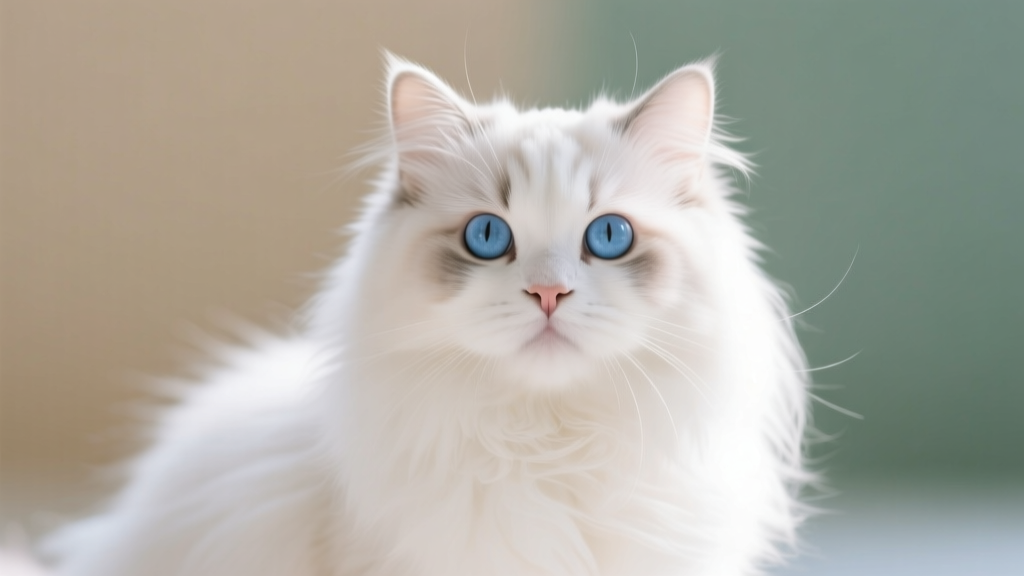
Both breeds share brachycephalic facial structure, round heads, and stocky builds—but differ critically in coat length. Persians have a long, thick double coat requiring daily brushing. Exotics possess a dense, plush shorthair coat that needs grooming only 2–3 times weekly. Adult Persians weigh 7–12 lbs; Exotics average 6–14 lbs. Both have copper or blue eyes, though Persians may also show odd-eyed or heterochromatic variations.
Temperament and Social Behavior
Persians are famously placid—rated 3/5 on activity scales by the Cornell Feline Health Center (2023). They prefer quiet environments and often bond deeply with one person. Exotics retain Persian calmness but display slightly higher curiosity and playfulness, especially before age 3. In a 2022 study of 187 indoor cats, Exotics initiated interactive play 22% more frequently than Persians over a 4-week observation period.
Grooming and Health Care Needs
Persians require daily combing with a stainless-steel slicker brush (e.g., Hertzko Self-Cleaning Slicker Brush, model #HSB-100) to prevent matting. Tear staining is common—use saline wipes like OptiClean Daily Eye Wipes (approved by the ACVO, 2021). Exotics need weekly brushing and monthly nail trims. Both breeds face elevated risks of polycystic kidney disease (PKD); responsible breeders screen via ultrasound after age 10 months. Brachycephalic airway syndrome affects ~38% of Persians versus ~21% of Exotics (Journal of Feline Medicine and Surgery, 2020).
Choosing Based on Lifestyle
A retired couple in Portland, Oregon, chose a 2-year-old Persian after verifying its PKD-negative status and low-energy temperament—ideal for their quiet apartment. Conversely, a family with two school-aged children selected an Exotic kitten from a CFA-registered cattery in Austin, TX, citing its tolerance for gentle handling and lower grooming time. If you travel frequently, the Exotic’s greater independence and reduced shedding make it more adaptable than the Persian, which thrives on routine and constant companionship.
| Feature | Persian | Exotic Shorthair |
|---|---|---|
| Coat Maintenance | Daily brushing required | 2–3x weekly brushing |
| Average Lifespan | 12–15 years | 12–17 years |
| Initial Purchase Cost | $1,200–$3,000 | $900–$2,500 |
| Annual Grooming Cost | $600–$1,200 | $150–$400 |
| ACVO Recommended Eye Care | Twice-daily wiping | Every other day |
Both breeds are sensitive to heat—optimal ambient temperature is 68–78°F. Avoid leaving either unattended in cars or sunrooms above 80°F. Persians show increased panting at 82°F; Exotics tolerate up to 85°F before exhibiting thermal stress (ASPCA Animal Poison Control, 2022).
Veterinary visits should include annual dental exams—Persians develop periodontal disease 1.7x faster than Exotics due to jaw conformation. Use enzymatic toothpaste like Virbac C.E.T. Enzymatic Toothpaste (beef flavor, SKU V11101), applied 3x weekly starting at 6 months.
Adoption timing matters: Persians mature slowly, reaching full emotional stability around 24–30 months. Exotics settle into household routines by 12–18 months. For first-time owners seeking predictability, the Exotic’s quicker social adaptation and forgiving grooming demands offer practical advantages—without sacrificing the beloved Persian expression and affectionate nature.