Liberty Bobtail: American Heritage Breed
Some cat breeds feel like they’ve always belonged to a place—and the Liberty Bobtail wears its American heritage like a badge. With its naturally short tail, sturdy build, and bright, curious expression, this bobtailed beauty looks a little wild at first glance… until it flops over for belly rubs or follows you from room to room like a devoted sidekick.
For cat lovers who want a companion with personality, presence, and a touch of “frontier charm,” the Liberty Bobtail is an easy breed to fall for. It’s the kind of cat that can keep up with a busy household, greet visitors with confident interest, and still curl up close when the day winds down.
This guide covers everything cat enthusiasts and potential owners want to know: Liberty Bobtail history, appearance, temperament, health, care, family compatibility, and the real-life pros and cons of sharing your home with this American bobtail-type companion.
Breed History and Origin
The Liberty Bobtail is considered an American heritage bobtailed breed type, developed in the United States with an emphasis on a naturally short tail, a hardy constitution, and a friendly, people-focused temperament. Like several bobtail lines in North America, Liberty Bobtails trace their inspiration to naturally occurring bobtailed cats found in domestic populations—cats with a shortened tail due to a natural genetic mutation rather than docking.
Breeders who favored the “all-American” look aimed to preserve a cat that felt rugged but lived beautifully as a family companion. The result is a bobtailed cat with:
- Natural bobtail variation (each tail is unique in length and shape)
- Moderate-to-large, athletic build
- Adaptable, affectionate personality
- Coat versatility (often seen in a range of patterns and colors)
Because “Liberty Bobtail” may be used by some catteries and communities to describe specific bobtail breeding programs rather than a universally standardized registry category, you may see individual lines vary in coat length, head shape, and overall style. If you’re researching for show or registration purposes, always ask the breeder which organization (if any) recognizes their cats and what written standard they follow.
Physical Characteristics
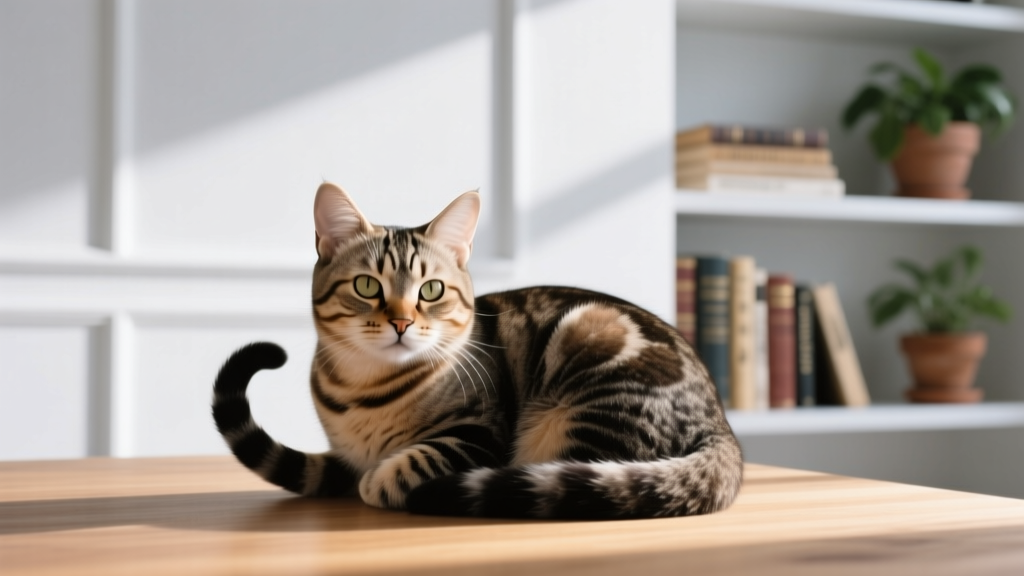
The Liberty Bobtail’s appearance is often described as “sturdy, sporty, and expressive.” Many have a slightly wild look—especially in classic tabby or spotted patterns—but they’re very much domestic cats built for companionship.
| Feature | Typical Liberty Bobtail Traits |
|---|---|
| Size | Medium to large |
| Weight | Commonly 8–16 lbs (females often smaller; males often larger) |
| Body | Muscular, athletic, solid-boned; balanced rather than extreme |
| Tail | Naturally short “bobtail,” often 1–4 inches; may be straight, kinked, or slightly curved |
| Coat | Often medium-length or short; plush with seasonal shedding |
| Colors & Patterns | Wide variety: tabby, tortoiseshell, solid, bicolor; many lines favor classic American patterns |
| Head & Expression | Broad, gently rounded features; alert ears; bright, inquisitive eyes |
Distinctive Features
- Signature bobtail: No two Liberty Bobtail tails look exactly alike.
- Confident stance: Many have a powerful, “ready to play” posture.
- Expressive face: A friendly, attentive look that makes them feel unusually communicative.
Personality and Temperament Traits
If you love cats that interact with you rather than simply coexisting, the Liberty Bobtail tends to hit the sweet spot. This breed type is often praised for being social, clever, and emotionally tuned-in—the kind of cat that notices routines, learns your habits, and acts like it’s part of the team.
Many Liberty Bobtails are:
- Affectionate without being clingy (though some absolutely enjoy being “Velcro cats”)
- Playful well into adulthood
- Confident with visitors when properly socialized
- Highly trainable for tricks, harness walking, or puzzle toys
- Curious and brave—cabinet doors and cat trees will be investigated
They often do best with a household that offers daily interaction. A Liberty Bobtail that’s bored can become a talented troublemaker—opening doors, “redecorating” your countertops, or inventing games at 2 a.m.
Health Considerations and Common Issues
Well-bred Liberty Bobtails are typically robust, but every cat—purebred or breed type—can face health concerns. The bobtail trait itself is usually benign in domestic bobtail cats, but responsible breeders pay close attention to spine and tail structure.
Potential health considerations to discuss with a breeder and your veterinarian include:
- Spinal/tail-related sensitivity: Because tail shape can vary (kinks, curves), gentle handling is a must. Ask about any history of mobility issues in the line.
- Joint health: Athletic, heavier cats can be prone to arthritis later in life, especially if overweight.
- Dental disease: Common in many cats; regular dental care makes a big difference.
- Heart health screening: Some breeders screen for hereditary issues depending on their foundation lines.
- Weight management: Their solid build can hide extra pounds—monitor body condition rather than relying on the scale alone.
Smart owner move: When choosing a kitten, ask for veterinary records, details on health testing (if performed), and a clear explanation of the cat’s tail/spine structure. A reputable breeder will welcome these questions.
Care Requirements (Grooming, Exercise, Diet)
Grooming
Grooming needs depend on coat length, but most Liberty Bobtails thrive with simple, consistent care.
- Brushing: 1–2 times per week for short coats; 2–3 times per week for medium/longer coats, especially during shedding seasons.
- Nails: Trim every 2–4 weeks.
- Ears: Check weekly; clean only if needed and as your vet recommends.
- Dental: Brush teeth a few times per week if possible; dental treats and vet cleanings help.
Exercise and Enrichment
These cats are built to move. A Liberty Bobtail without outlets may turn your furniture into a climbing gym.
- Interactive play: 10–15 minutes, 1–2 times daily (wand toys, chase games, fetch—many enjoy it).
- Vertical space: Cat trees, shelves, or window perches.
- Brain games: Treat puzzles, clicker training, “find it” games with kibble.
- Harness training: Often a good fit for confident, curious individuals.
Diet
Because Liberty Bobtails can be hearty eaters, balanced nutrition and portion awareness matter.
- High-quality protein-forward diet suited to life stage (kitten, adult, senior).
- Measured portions rather than free-feeding, unless your vet suggests otherwise.
- Wet food support for hydration (many cats don’t drink enough water).
- Weight checks: Regularly feel for ribs and a defined waist; adjust calories as needed.
Compatibility with Families, Children, and Other Pets
The Liberty Bobtail tends to be a friendly, sturdy companion—often a great match for an active home. With early socialization, many do wonderfully with respectful children and can integrate well with other pets.
| Household Match | How Liberty Bobtails Typically Do |
|---|---|
| Families with kids | Often excellent with gentle handling and supervised introductions |
| Other cats | Usually good, especially if introduced gradually |
| Cat-friendly dogs | Can do very well; many are confident and social |
| Busy households | Great fit if they still get daily play and attention |
| Single-person homes | Also a lovely match; they often bond deeply with their person |
If you have small pets (birds, hamsters, etc.), remember that even the sweetest Liberty Bobtail is still a cat with hunting instincts. Secure enclosures and careful separation are essential.
Pros and Cons of Owning This Breed
| Pros | Cons |
|---|---|
|
|
FAQ: Liberty Bobtail Cats
Are Liberty Bobtails the same as American Bobtails?
They’re closely related in “type” and often compared because both are American bobtailed cats with sturdy builds and friendly personalities. Depending on the cattery and registry, “Liberty Bobtail” may refer to a particular breeding program or heritage line rather than a universally standardized label. Ask breeders how their cats are registered (if at all) and what standard they follow.
Do Liberty Bobtail cats have health problems because of the short tail?
Most naturally bobtailed cats live normal, healthy lives. Still, tail shape can vary, and ethical breeders prioritize sound structure. Always handle the tail gently and ask about any history of spinal or mobility issues in the line.
How big do Liberty Bobtails get?
Most are medium to large. Many adults range from about 8–16 pounds, with males often larger than females. Body condition and muscle tone matter more than the number on the scale.
Are Liberty Bobtails cuddly?
Many are affectionate and enjoy being close to their humans, though they often balance cuddles with play and curiosity. Expect a cat that wants to participate in daily life—supervising, following, and joining in.
Do Liberty Bobtails get along with dogs?
With proper introductions, many do very well with cat-savvy, calm dogs. Their confident nature can help, but slow, supervised meet-and-greets are the key to long-term harmony.
Is this breed good for first-time cat owners?
Often yes—especially for people who want an interactive, friendly cat and are willing to provide playtime and enrichment. If you prefer a very independent cat that entertains itself, a Liberty Bobtail might feel a bit too social and busy.
A Warm Signoff
The Liberty Bobtail brings together so much of what cat lovers adore: a distinctive bobtail silhouette, an athletic and handsome build, and a heart-forward personality that fits right into the family. If you’re drawn to an American heritage cat with a playful brain and a loyal streak, this breed is absolutely worth your attention.
Looking for more whiskered soulmates? Explore more breed profiles, guides, and cat-loving resources on catloversbase.com.