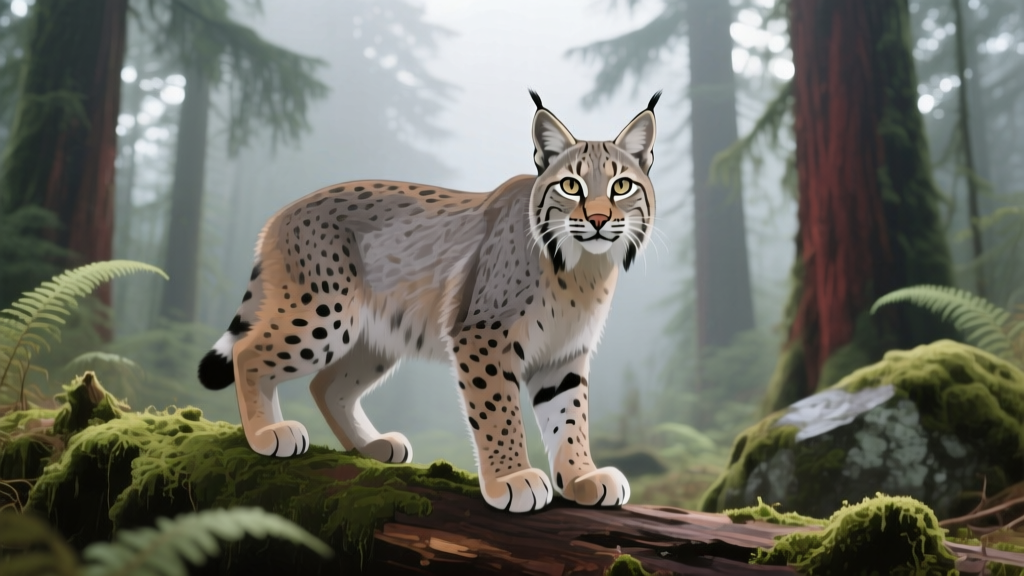
Timber Lynx: Pacific Forest Breed Traits
If you’ve ever wished you could share your home with a cat that looks like it wandered out of a misty Pacific forest—tufted ears, bold tabby patterning, and a wild-at-heart silhouette—the Timber Lynx probably popped onto your radar. This striking “lynx-look” domestic cat is famous for its rugged, outdoorsy vibe: big paws, a plush coat, and that intense, watchful expression that makes every windowsill feel like a lookout point over the pines.
Cat lovers are drawn to the Timber Lynx for the same reason we’re fascinated by big cats in nature: the look is dramatic. But what keeps people truly smitten is how many Timber Lynx cats pair that forest-cat appearance with affectionate, people-centered behavior. When the breed traits are present, you often get a companion that’s playful, intelligent, and happy to be involved in daily life—without needing to be glued to you every second.
This guide covers Timber Lynx cat traits from history to health, care, and family fit—so you can decide whether this Pacific-forest stunner is your ideal feline sidekick.
Breed History and Origin
The term “Timber Lynx” is most commonly used in North America to describe a bobtailed, tuft-eared, tabby-patterned domestic cat with a “lynx-like” look. In many cases, Timber Lynx cats are associated with Pixie-bob lines or Pixie-bob-type cats—especially those with the classic bobbed tail, heavier boning, and wild-style markings.
There’s also a lot of confusion online because “Timber Lynx” is sometimes used as a marketing label rather than a formally standardized breed name across all registries. That means two cats advertised as Timber Lynx can vary widely depending on their ancestry and the breeder’s goals. Ethically bred Timber Lynx/Pixie-bob-type cats are domestic cats (not wild hybrids), selected for a particular look and temperament.
When you research Timber Lynx kittens, you’ll often find references to:
- Pacific Northwest-inspired aesthetics (wild tabby patterning, “forest cat” build)
- Bobtail genetics (naturally short tails, from little “pom” tails to longer bobtails)
- Polydactyl paws (extra toes are common in Pixie-bob-type lines)
- Spotted or broken mackerel tabby patterns that enhance the lynx vibe
If you’re doing breed research, your best move is to look beyond the label and ask for specifics: registry status (if any), parentage, health testing, and what traits the breeder is consistently producing.
Physical Characteristics
The Timber Lynx look is all about earthy wildcat vibes in a domestic package. Many have a medium-to-large, substantial body with a thick coat and expressive face. Here’s what cat enthusiasts usually mean when they talk about classic Timber Lynx breed traits.
| Trait | Typical Timber Lynx / Pixie-bob-type Range |
|---|---|
| Size | Medium to large; sturdy, muscular build |
| Weight | Often 8–17 lb (females commonly smaller; males can be notably larger) |
| Coat length | Short to long; plush, often weather-resistant feel |
| Colors/patterns | Primarily tabby patterns (spotted, broken mackerel, ticked); typically brown-based, sometimes cooler tones |
| Tail | Often naturally bobbed; length can vary from very short to near full length |
| Distinctive features | Ear tufts, heavy brow, “lynx” expression, large paws; polydactyl feet may occur |
Coat, Colors, and Markings
Most Timber Lynx cats show off a tabby-based pattern designed by nature to look like camouflage—perfect for the “Pacific forest breed traits” theme. You’ll often see:
- Spotted tabby (favored for that wildcat illusion)
- Broken mackerel tabby (striping that breaks into spots and dashes)
- Ticked tabby (agouti hairs that give a sandy, outdoorsy look)
Head, Ears, and Expression
The “lynx face” is part structure, part styling from markings. Common elements include a strong muzzle, prominent whisker pads, a slightly hooded look, and ear furnishings (tufts and inner ear hair). Put that together with tabby eyeliner and you get a cat that always looks ready to track something fascinating across the living room rug.
Personality and Temperament Traits
Temperament can vary depending on lineage and socialization, but Timber Lynx cats are often described as:
- People-oriented (they like being near you, following you from room to room)
- Playful and curious (interactive toys and puzzle feeders are big hits)
- Confident but not usually pushy (they tend to handle normal household activity well)
- Smart and trainable (many enjoy clicker training, leash walks, and learning routines)
If you love a cat that feels “present” in the household—watching, supervising, joining in—Timber Lynx traits are often a match. Many also have a gentle streak and can be surprisingly patient, especially when raised with respectful kids and steady handling.
One note for potential owners: that wild look can come with a busy brain. A bored Timber Lynx may invent their own fun (cabinet exploration, toy theft, surprise parkour). When they have outlets for climbing, chasing, and problem-solving, they’re a joy.
Health Considerations and Common Issues
Because “Timber Lynx” can refer to a type rather than one universally standardized breed, health profiles can vary. Still, there are a few considerations that come up in Pixie-bob-type and bobtail lines.
- General robustness: Many are hardy, especially when bred thoughtfully with genetic diversity in mind.
- Joint health: Larger, heavier cats can be more prone to joint wear over time. Keeping them lean helps protect hips, knees, and spine.
- Tail-related concerns: Naturally bobbed tails are usually fine, but extremely short or kinked tails in any cat population can occasionally be associated with spinal issues. Reputable breeders select for healthy structure and mobility.
- Polydactyl care: Extra toes are typically harmless, but claws may need closer monitoring and trimming so they don’t overgrow or snag.
- Routine cat issues: Dental disease, obesity, urinary issues, and allergies can occur like in any domestic cat.
Smart owner move: Ask breeders what health screening they do, request veterinary records, and schedule a new-kitten exam quickly after bringing your cat home. For adult rescues, a baseline exam (including dental and weight assessment) sets you up for success.
Care Requirements (Grooming, Exercise, Diet)
Grooming
Timber Lynx grooming needs depend on coat length, but most do best with consistent, low-fuss maintenance:
- Short coat: Brush 1–2 times per week to reduce shedding and hairballs.
- Long coat: Brush 3–4 times per week, focusing on friction areas (behind ears, “pants,” belly).
- Nails: Trim every 2–4 weeks; check polydactyl cats for hidden claws.
- Ears: Inspect weekly; clean only if recommended by your vet.
- Teeth: Dental care is a gift—brush when possible and consider vet-approved dental diets/treats.
Exercise and Enrichment
These cats often thrive with a home setup that feels like an indoor trail system:
- Vertical space: Tall cat trees, wall shelves, and window perches
- Hunting games: Wand toys, kickers, and “hide the treat” sessions
- Brain work: Puzzle feeders and clicker training
- Optional leash time: Many take well to harness training if introduced patiently
Diet
Feed the cat in front of you, not just the label. Many Timber Lynx cats have hearty appetites, so portion awareness matters.
- Protein-forward meals: Look for high-quality animal protein as a main ingredient.
- Wet food support: Wet or mixed feeding can help hydration and urinary health.
- Weight management: Keep a visible waist and an easy-to-feel ribcage under a light fat layer.
- Slow feeding: If they inhale meals, try puzzle bowls or smaller, timed portions.
Compatibility with Families, Children, and Other Pets
When well-socialized, Timber Lynx cats are often a strong match for active households. They tend to enjoy company, play, and predictable routines—especially when their boundaries are respected.
- Families: Often excellent companions if the home offers playtime and enrichment.
- Children: Can do well with gentle kids who understand “let the cat choose the interaction.” Supervise young children to prevent tail/ear grabbing.
- Dogs: Frequently compatible with cat-savvy dogs after slow introductions. Confident cats with vertical escape routes adjust best.
- Other cats: Many integrate well, particularly with gradual scent swapping and proper resource setup (multiple litter boxes, feeding stations, and resting spots).
Because Timber Lynx traits often include confidence and curiosity, they may be less likely to hide for weeks—but introductions still need to be slow and respectful. Even confident cats can become stressed if rushed.
Pros and Cons of Owning This Breed
| Pros | Cons |
|---|---|
| Wild “lynx-like” look with domestic-cat temperament | “Timber Lynx” isn’t always a standardized breed label—quality varies by source |
| Often affectionate, social, and engaging | Needs mental stimulation; boredom can lead to mischief |
| Can be trainable and adventure-friendly (leash/puzzles) | Larger cats can be prone to weight gain without portion control |
| Many do well with families and other pets | Longer coats require more brushing; polydactyl claws need monitoring |
FAQ: Timber Lynx Cats
Is the Timber Lynx a real cat breed?
“Timber Lynx” is often used to describe a type of lynx-looking domestic cat (frequently Pixie-bob or Pixie-bob-type). Some breeders and sellers use the term loosely, so always ask about registry status, lineage, and health practices.
Are Timber Lynx cats part wildcat?
Ethically bred Timber Lynx/Pixie-bob-type cats are domestic cats. While their look is inspired by wildcats, responsible programs do not require wild hybrid ancestry to achieve the style.
How big does a Timber Lynx cat get?
Many are medium to large. Adults commonly fall around 8–17 lb, with males often larger. Individual size depends on genetics, diet, and activity.
Do Timber Lynx cats shed a lot?
They can shed moderately to heavily, especially during seasonal coat changes. Regular brushing (more often for long coats) keeps shedding and hairballs manageable.
Are Timber Lynx cats good with dogs?
Many can be, especially confident individuals raised around respectful dogs. Use slow introductions, give the cat vertical escape routes, and never allow chasing.
Do Timber Lynx cats need special care because of a bobtail or extra toes?
Usually no special care beyond routine monitoring. Bobtails should look comfortable and mobile, and polydactyl cats may need extra attention during nail trims to ensure no claws are missed.
Warm Signoff
The Timber Lynx is the kind of cat that turns heads—tufted ears, forest-camouflage markings, and that sturdy “I belong in the wilderness” build. But the real magic is when that look comes paired with a playful, people-loving nature that makes everyday life feel more fun. If you’re drawn to Pacific forest breed traits and want a companion who’s equal parts cozy house cat and backyard explorer (on a harness, ideally), the Timber Lynx may be exactly your style.
Want to keep exploring? Browse more cat breed profiles, care guides, and personality deep-dives at catloversbase.com.