Brazilian Shorthair: Street Cat to Recognized Breed
Some cat breeds were born in royal courts or carefully planned catteries. The Brazilian Shorthair has a different kind of origin story—one that starts in bustling ports, lively neighborhoods, and the sun-warmed streets of Brazil. These cats weren’t “designed” to be beautiful; they simply are—sleek, athletic, expressive, and full of that clever, street-smart charm cat lovers can’t resist.
What makes this breed especially fascinating is how it bridges two worlds. The Brazilian Shorthair is a naturally occurring landrace cat (the everyday street cats of Brazil), refined and recognized as a distinct breed through selective breeding—without losing the adaptable, people-savvy personality that helped it thrive alongside humans for generations.
If you’re drawn to breeds with a real-life backstory, lively intelligence, and a look that’s equal parts elegant and practical, the Brazilian Shorthair might just steal your heart.
Breed History and Origin
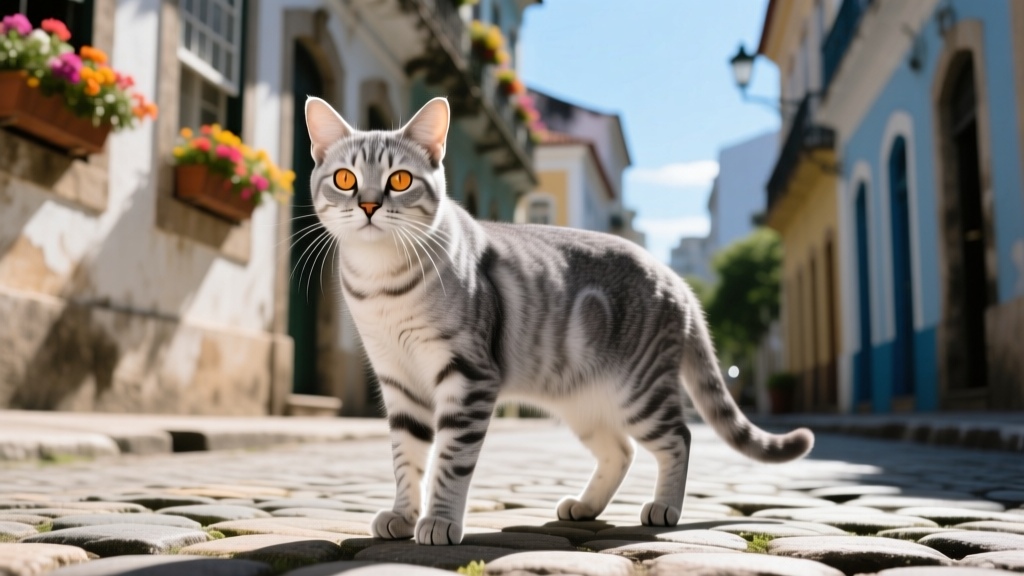
The Brazilian Shorthair traces its roots to the domestic cats brought to Brazil by Portuguese colonizers, particularly from the 1500s onward. Cats traveled on ships to control rodents and naturally dispersed into towns and cities. Over centuries, these cats adapted to local environments—developing a consistent “type” across Brazil: lean, agile bodies; short coats; and alert, expressive faces.
The breed’s modern identity began taking shape in the late 20th century. A Brazilian breeder, Paulo Samuel Ruschi, is widely credited with spearheading efforts to standardize and promote these native cats as a recognized breed. Rather than importing an established pedigree, the goal was to preserve and formalize the look and temperament already present in Brazil’s large population of street and neighborhood cats.
Today, the Brazilian Shorthair is recognized by some cat registries, most notably the World Cat Federation (WCF). Recognition status can vary by organization and country, which means availability may be limited outside Brazil and parts of Europe. Still, interest in this breed continues to grow as cat lovers discover its natural elegance and affectionate, social personality.
Physical Characteristics
The Brazilian Shorthair is often described as “clean-lined” and athletic—built for speed, climbing, and quick turns. They look like the ideal street athlete: toned but not bulky, graceful but sturdy.
| Feature | Typical Brazilian Shorthair Traits |
|---|---|
| Size | Medium (occasionally medium-large) |
| Weight | Approx. 8–12 lb (3.5–5.5 kg); some may be slightly outside this range |
| Body Type | Lean, muscular, athletic; long legs and flexible movement |
| Coat | Short, close-lying, glossy; low-maintenance texture |
| Colors & Patterns | Many colors/patterns are seen (solids, tabbies, bicolors, tortoiseshells); accepted standards depend on registry |
| Head & Expression | Moderate wedge with gentle curves; alert, bright expression |
| Eyes | Large, expressive, set slightly at an angle; color varies with coat |
| Ears | Medium to large, upright, attentive |
| Tail | Medium length; tapers naturally |
Distinctive Features
- “Street-cat elegance”: a naturally refined, functional body—sleek lines with real athletic ability.
- Expressive face: bright eyes and alert ears give them an engaged, intelligent look.
- Coat that shines: short fur that often looks polished with minimal grooming.
Personality and Temperament Traits
Brazilian Shorthairs tend to be social, curious, and interactive. They’re often the type of cat who wants to know what you’re doing—and may “supervise” everything from cooking to folding laundry. This breed’s street-cat heritage shows up as confidence and adaptability rather than aloofness.
Many owners describe them as affectionate without being clingy. They’ll happily accept cuddles, but they also enjoy play, exploration, and having a good window view. If you like cats that communicate, you may appreciate their expressive body language and occasional chatty commentary.
- People-oriented: commonly bonds closely with family members and enjoys being included.
- Intelligent: quick to learn routines, puzzle toys, and even simple tricks.
- Playful and energetic: thrives with daily play sessions and vertical climbing space.
- Adaptable: can do well in apartments or houses as long as enrichment needs are met.
- Confident: typically not timid; may greet visitors with curiosity.
Health Considerations and Common Issues
Because the Brazilian Shorthair comes from a broad, naturally occurring population, it’s often considered a relatively robust, healthy breed overall. That said, any cat—pedigreed or not—can develop health problems. The key is consistent preventive care and choosing responsible sources (reputable breeders or ethical rescues with veterinary support).
Health Factors to Watch
- Dental disease: common in many cats; regular brushing and dental checkups help.
- Obesity: their athletic build can hide weight gain at first—portion control matters.
- Parasites: cats with street ancestry may be more likely to have had early parasite exposure; routine prevention is essential.
- General wellness issues: urinary concerns, skin sensitivities, or allergies can occur as in other shorthaired cats.
Typical lifespan: Many live 12–16 years, with some exceeding that range with excellent care, indoor living, and regular vet visits.
Care Requirements (Grooming, Exercise, Diet)
Grooming
The Brazilian Shorthair’s coat is refreshingly easy. Weekly grooming usually keeps shedding manageable and helps distribute natural oils for that glossy look.
- Brushing: 1x per week (2x during seasonal shedding if needed).
- Nails: trim every 2–4 weeks.
- Ears: check weekly; clean only if debris is present and your vet approves a cleaner.
- Teeth: brush several times a week (daily is the gold standard if your cat allows it).
Exercise and Enrichment
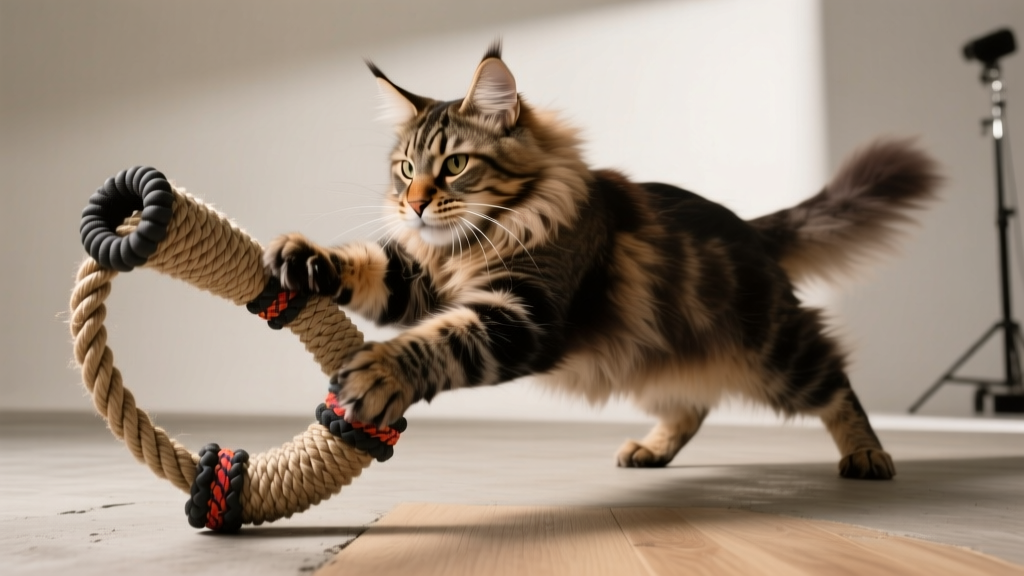
This is not a “decorate the couch” cat. Brazilian Shorthairs usually want action—chasing, climbing, pouncing, solving. The good news: they’re easy to entertain when you give them the right outlets.
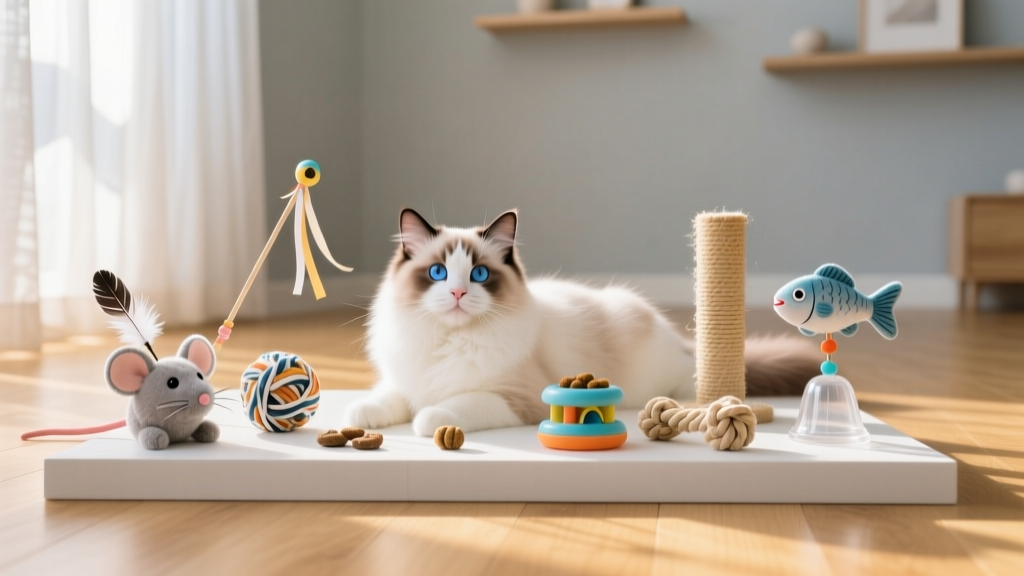
- Interactive play: 15–30 minutes daily (wand toys, chase games, fetch-like play).
- Vertical space: cat trees, shelves, or window perches for climbing and surveying.
- Puzzle feeders: great for channeling hunting instincts and preventing boredom.
- Training: many enjoy clicker training, leash training, or learning cues like “sit.”
Diet
Feed for lean muscle and steady energy. A high-quality, meat-forward diet (wet, dry, or a combination) works well—what matters most is balanced nutrition and the right calories for your cat’s lifestyle.
- Portion control: follow your vet’s guidance and adjust based on body condition, not just the label.
- Protein focus: supports their athletic physique.
- Hydration: wet food and/or a water fountain can help encourage drinking.
- Treats: keep under 10% of daily calories; use treats for training when possible.
Compatibility with Families, Children, and Other Pets
The Brazilian Shorthair often shines in social homes. With proper introductions and respectful handling, many do wonderfully with children, cat-friendly dogs, and other cats. Their confident, curious nature can make them more open to new experiences than shy breeds—though every individual cat has its own comfort level.
Best Matches
- Families with kids: typically good, especially with children who understand gentle play and boundaries.
- Multi-pet households: often successful when introductions are slow and structured.
- Busy households: can cope well if they get playtime and attention; boredom is the main enemy.
Tips for Harmony
- Provide at least one safe, quiet retreat (a high perch or separate room) for downtime.
- Use slow introductions with scent swapping for new pets.
- Teach kids to avoid grabbing, chasing, or interrupting meals and litter box time.
Pros and Cons of Owning a Brazilian Shorthair
| Pros | Cons |
|---|---|
| Affectionate, social personality | Can get bored without enrichment and play |
| Athletic, fun companion—great for interactive owners | High energy may be a mismatch for very quiet, low-activity homes |
| Low-maintenance short coat | May be talkative or “busy” around the house |
| Often hardy due to broad genetic roots | Breed availability/recognition varies by country and registry |
| Adapts well to many living situations with the right setup | Needs vertical space and mental stimulation to thrive |
FAQ: Brazilian Shorthair Cats
Is the Brazilian Shorthair the same as a regular domestic shorthair?
They’re closely related. The Brazilian Shorthair was developed from Brazil’s native domestic street-cat population, then selectively bred toward a consistent type and recognized by some registries. Many cats in Brazil may resemble the breed without being registered.
How rare is the Brazilian Shorthair?
Outside Brazil, they can be fairly uncommon. Recognition and breeding programs vary by region, so you may have more luck finding them through specialty breeders in areas where the breed is recognized, or through rescues in Brazil.
Do Brazilian Shorthairs like being held?
Many enjoy affection and lap time, but tolerance for being carried varies by individual. They often prefer choosing when to cuddle—so “invite, don’t insist” tends to work best.
Are Brazilian Shorthair cats good for first-time owners?
They can be, especially if you enjoy an interactive cat and are willing to provide daily play and enrichment. Their social nature is a plus for new owners who want a companionable pet.
What colors do Brazilian Shorthairs come in?
You’ll see a wide range: tabby patterns, solids, bicolors, tortoiseshells, and more. Accepted colors can depend on the registry standard, but the breed is generally known for variety.
Do Brazilian Shorthairs need a lot of grooming?
No—weekly brushing is usually enough. Routine nail trims, dental care, and ear checks are more important than coat maintenance.
A Warm Sendoff
The Brazilian Shorthair is a celebration of the everyday cat made extraordinary: a natural athlete with a glossy coat, a bright mind, and a big-hearted, people-friendly vibe. From Brazilian streets to breed recognition, this cat’s story is about resilience, adaptability, and the special bond cats form with the humans around them.
If you’re looking for a lively companion who will play hard, nap happily, and keep you company through every part of your day, the Brazilian Shorthair is well worth getting to know.
Want to meet more amazing cats with unique histories and personalities? Explore more breed profiles on catloversbase.com.