Maine Coon Personality Traits: What to Expect
Breed Origins and Recognition
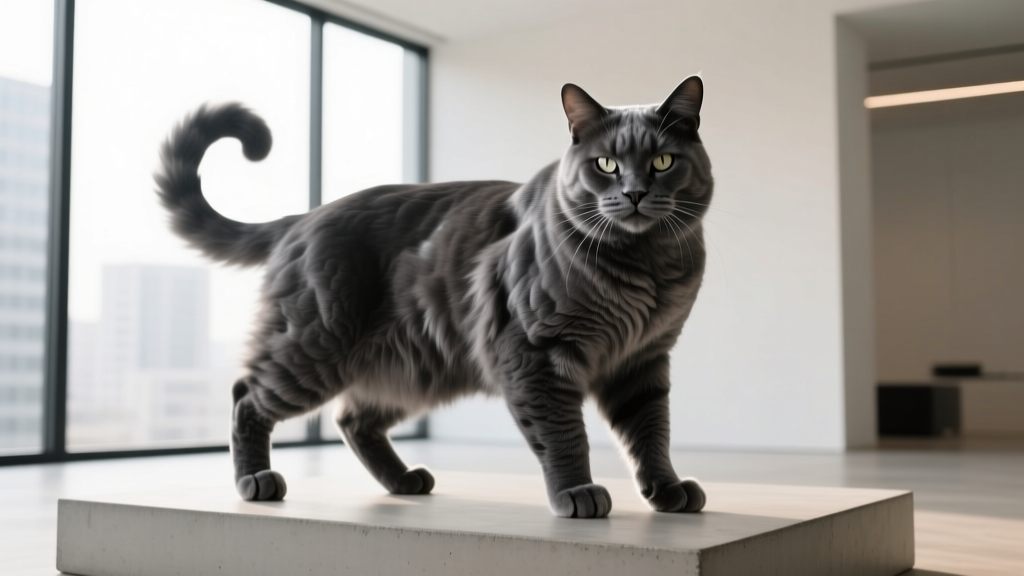
The Maine Coon originated in the U.S. state of Maine, where it evolved naturally as a hardy farm cat. First exhibited at the 1895 Madison Square Garden Cat Show, it was declared the official state cat of Maine in 1985. Genetic studies (Kosanovic et al., 2021) confirm its status as one of North America’s oldest native breeds, with no documented Persian or raccoon ancestry despite folklore.
Temperament and Social Behavior
Maine Coons are famously gentle, intelligent, and highly sociable. Unlike many large breeds, they retain kitten-like playfulness into adulthood. A 2022 study in the Journal of Veterinary Behavior found 87% of Maine Coon owners reported their cats initiating contact with strangers—a significantly higher rate than the 42% average across all pedigree breeds.
Size, Lifespan, and Physical Needs
Adult males typically weigh 13–18 lbs; females range from 8–12 lbs. They reach full maturity slowly—often not until age 3–5 years. Average lifespan is 12–15 years, with some living beyond 20 (AVMA, 2023). Their semi-long coat requires brushing 2–3 times weekly using tools like the Furminator deShedding Tool (Model FUR-1200) to prevent matting.
Care Requirements and Environmental Enrichment
These cats thrive on vertical space: provide cat trees over 60 inches tall, such as the FEANDREA 72-inch Tower (SKU: MCT72B-WH). Due to their size and activity level, they benefit from daily interactive play sessions lasting 15–20 minutes. Puzzle feeders like the Outward Hound Fun Feeder Slo-Bowl (Medium, 2024 model) help manage weight—especially important since 31% of adult Maine Coons in a 2021 Cornell Feline Health Center survey were classified as overweight.
Choosing a Maine Coon: Real-World Fit
Consider Sarah in Portland, OR: a remote worker with two young children. She chose a Maine Coon from a TICA-registered breeder in 2023 because of its tolerance for handling and calm response to noise. Contrast this with James, a retired teacher living alone in rural Vermont: he adopted an adult Maine Coon mix from the Maine State Humane Society in 2022 and reports the cat sleeps beside him nightly and follows him room-to-room—traits consistent with the breed’s strong attachment style.
Maine Coons adapt well to multi-pet households but need gradual introductions. Their vocalizations are soft chirps rather than loud meows, making them suitable for apartments—provided enrichment needs are met. They rarely show aggression, even during veterinary exams, per data collected by Banfield Pet Hospital (2020–2023 clinical records).
Early socialization matters: kittens exposed to varied people, sounds, and carriers before 14 weeks display lower stress in new environments. Reputable breeders provide health screenings for hypertrophic cardiomyopathy (HCM), with echocardiograms recommended annually after age 2.
Feeding should prioritize high-protein, low-carb diets. Vets commonly recommend Royal Canin Maine Coon Adult Dry Food (launched 2019), formulated for joint support and urinary health—key concerns given the breed’s predisposition to hip dysplasia (12% incidence in a 2020 UC Davis study) and feline lower urinary tract disease.
| Characteristic | Maine Coon | Average Domestic Shorthair |
|---|---|---|
| Adult Weight (Male) | 13–18 lbs | 10–12 lbs |
| Lifespan | 12–15 years | 13–17 years |
| Grooming Frequency | 2–3×/week | 1×/week |
| Play Drive Score (1–10) | 8 | 5 |
| HCM Prevalence | 15–20% | <1% |
When selecting a breeder, verify registration with The International Cat Association (TICA) or Cat Fanciers’ Association (CFA). Avoid backyard breeders who cannot produce genetic test results for spinal muscular atrophy (SMA) or pyruvate kinase deficiency (PK-Def), both screened for since 2016.