Opal Cat: Iridescent Coat Breeding Goals
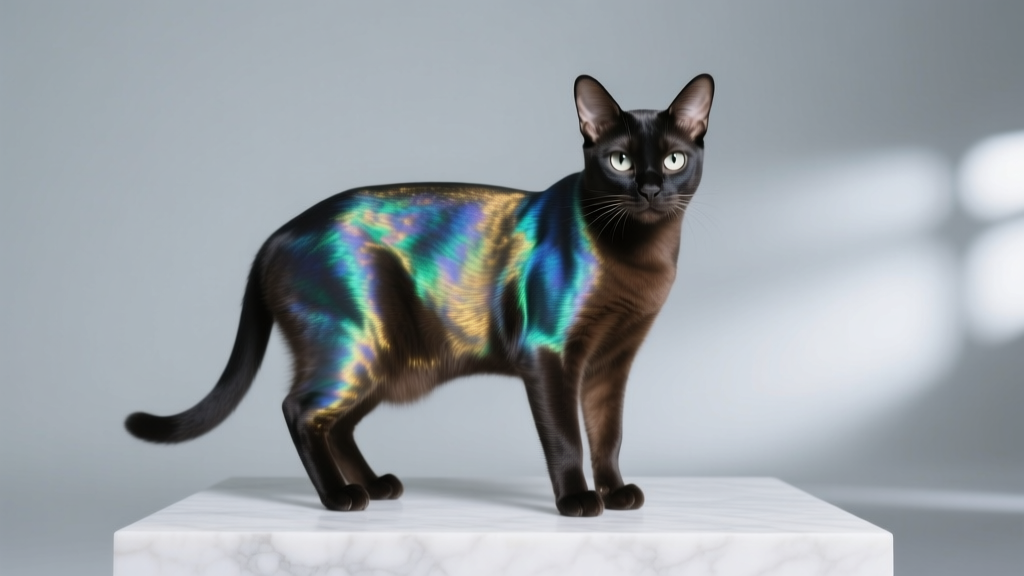
There’s something undeniably magical about a cat whose coat seems to shift in the light—one moment soft and pearly, the next moment shimmering like polished stone. If you’ve stumbled across the phrase “Opal Cat”, you’re likely imagining a naturally iridescent feline with a jewel-like glow. You’re not alone—cat lovers and breeders have been fascinated by that opalescent “sheen” for generations.
Here’s the honest (and still exciting) truth: the Opal Cat isn’t a formally recognized, standardized cat breed in major registries like TICA, CFA, or FIFe. Instead, “Opal cat” is most commonly used as a descriptive term for cats—often within certain breeds or breeding programs—who display a noticeable silvered, luminous, or shimmering coat effect. This article breaks down what “opal” means in coat terms, the breeding goals behind an iridescent look, and what to consider if you’re seeking a cat with that radiant, light-catching beauty.
Breed History and Origin: Where the “Opal Cat” Idea Comes From
Because the Opal Cat isn’t an established pedigree breed with a single origin story, its “history” is best understood as a blend of:
- Human fascination with shimmering coats (silver, smoke, chinchilla, tipped, and satin-like textures)
- Selective breeding within recognized breeds that already carry coat genetics capable of producing glow and contrast
- Modern marketing language, where “opal” is used to describe a particularly luminous individual cat
Historically, the most “opal-like” looks show up in lines emphasizing:
- Silver and shaded patterns (light undercoat + darker tipping)
- Smoke coats (solid color with a pale/white undercoat that “flashes” as the cat moves)
- Chinchilla-style tipping (very minimal dark tipping, creating a glowing halo effect)
- High-contrast, glossy coat textures that reflect light strongly
In practice, breeders aiming for an “opal cat” aesthetic often focus on a combination of coat genetics, coat quality, and clear, bright coloration—not a single “opal gene,” but a carefully curated package of traits.
Physical Characteristics: Size, Weight, Coat, Colors, and Distinctive Features
Since “Opal Cat” is a look rather than a fixed breed standard, physical traits vary depending on the underlying breed or mix. That said, cats labeled “opal” tend to share a few common visual themes: radiant coat sheen, bright contrast between topcoat and undercoat, and an overall polished, luminous appearance.
| Feature | Typical “Opal Look” Traits |
|---|---|
| Size | Varies by breed; commonly medium-sized |
| Weight | Often 7–12 lbs (3.2–5.4 kg), but can be smaller/larger depending on lineage |
| Coat length | Most commonly short to medium; longhair “opal” looks exist, especially in silver/shaded lines |
| Coat texture | Fine, sleek, glossy; some lines emphasize a “satin” feel for maximum light reflection |
| Color impression | Silvery, pearly, luminous; may appear to “shift” as the cat moves |
| Standout features | Bright eyes, crisp tipping/shading, and a high-contrast undercoat that creates a glowing effect |
Coat Colors and Patterns That Create an “Opalescent” Effect
When people describe an iridescent cat coat, they’re usually noticing how light interacts with the hair shaft and how color is distributed. These are the most common coat types associated with the “opal cat” look:
- Silver: Often caused by the inhibitor gene (commonly discussed as “silver”), producing pale undercoats and reduced pigment at the hair base.
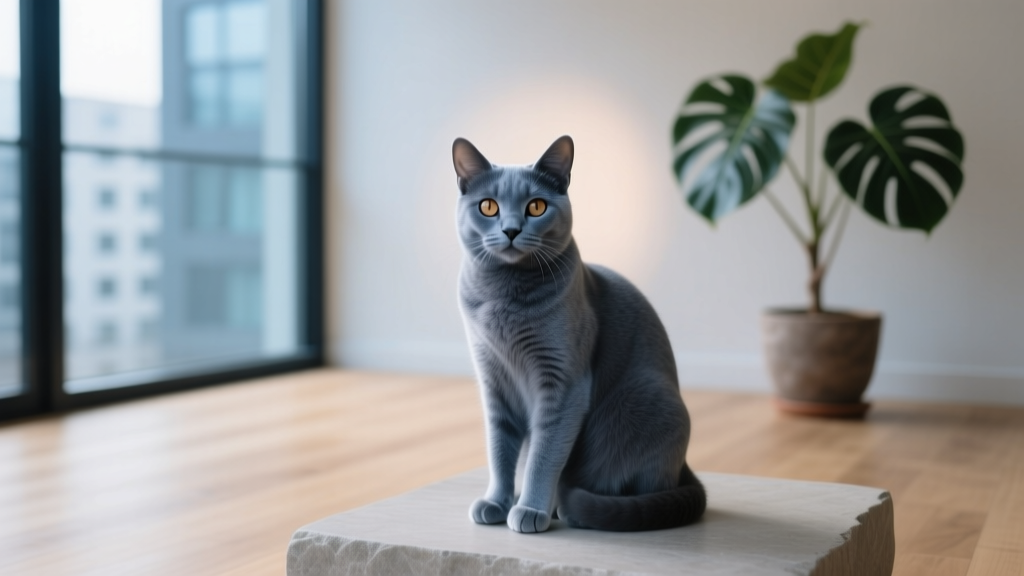
- Smoke: A solid-colored cat with a pale undercoat—when the cat moves, the coat “breaks,” revealing a luminous flash underneath.
- Shaded / Chinchilla (tipped): Minimal color at the very tips of the hairs over a pale base, creating a sparkling, airy glow.
- Blue (dilute) + silver combinations: Can read as soft, icy, and pearl-like under certain lighting.
Distinctive “opal” visual markers many breeders target include:
- A clean, bright undercoat with minimal “warm” staining
- Even tipping distribution (no patchiness)
- High coat gloss (healthy oils + correct texture)
- Clear pattern expression (if tabby/shaded) without muddiness
Personality and Temperament Traits
Temperament depends on the breed(s) behind the look, but “opal” cats are often associated with lines that prioritize people-friendly companion personalities. Many are affectionate, interactive, and enjoy being part of daily life—because breeders and owners who value aesthetics also tend to select for cats who thrive in a home environment.
Common traits reported in silver/smoke/shaded lines include:
- Social curiosity (they like to be where the action is)
- Moderate play drive with bursts of zoomies
- Affectionate but not always clingy—often happy to lounge nearby
- Routine-oriented (many do best with predictable feeding and play schedules)
If you’re sourcing an “opal” kitten from a breeder, ask about the parents’ personalities. The glow is gorgeous, but the day-to-day joy comes from a temperament that fits your household.
Health Considerations and Common Issues
Because “Opal Cat” isn’t a single breed, there’s no single list of guaranteed hereditary issues. Health risks depend on the cat’s actual breed background and the integrity of the breeding program. Still, there are practical, real-world concerns that often come up in lines heavily selected for coat color and clarity:
- Overemphasis on aesthetics: Poor breeding choices can increase the risk of avoidable issues (weaker immune resilience, poor body condition, dental crowding in extreme head types, etc.).
- Skin/coat sensitivity: Not universal, but some cats with very fine coats can be more sensitive to harsh shampoos or dry environments.
- Obesity risk: Glamorous coats don’t prevent weight gain—indoor cats need enrichment and portion control.
- Breed-linked conditions: If the “opal” look comes from certain pedigreed breeds, ask about recommended screenings (for example, HCM screening in breeds where it’s a known concern).
Best health practice if you’re pursuing an Opal-look cat from a breeder:
- Request veterinary records and any relevant genetic testing
- Ask what conditions the breeder monitors in their lines
- Confirm kittens are raised with proper nutrition, socialization, and parasite prevention
Care Requirements: Grooming, Exercise, and Diet
Grooming
An iridescent coat is basically a light show powered by coat condition. The better the coat health, the more that “opal” shimmer stands out.
- Brushing: 1–2 times weekly for shorthairs; 2–4 times weekly for medium/longhair to prevent mats and keep the coat reflective.
- Bathing: Occasional, only if needed. Over-bathing can dry the skin and dull shine. Use a gentle, cat-safe shampoo.
- Nails and ears: Trim nails every 2–4 weeks; check ears weekly for wax or irritation.
- Dental care: Tooth brushing a few times per week (or daily if possible) supports overall health and comfort.
Exercise and Enrichment
Most opal-look cats do best with a mix of play and lounging. Keep them engaged so they stay lean, confident, and mentally bright.
- Two short interactive play sessions daily (wand toys, chase games)
- Climbing options (cat trees, wall shelves)
- Puzzle feeders to slow eating and add brain work
- Window perches for “cat TV” (birds, weather, neighborhood activity)
Diet
A shiny coat starts with nutrition. Look for a high-quality diet with strong animal protein content and balanced fats.
- Protein-forward food supports coat growth and muscle tone
- Omega-3 and omega-6 fatty acids can enhance coat shine and skin comfort
- Hydration: wet food and/or a water fountain helps many cats drink more
- Portion control: adjust by age, activity level, and body condition
Compatibility with Families, Children, and Other Pets
Most cats marketed or described as “opal” are companion-oriented and can do wonderfully in family homes—assuming proper introductions and respectful handling.
- With children: Great match when kids are taught gentle touch and to let the cat choose interaction.
- With dogs: Often compatible with calm, cat-savvy dogs. Use slow introductions and provide high escape routes.
- With other cats: Usually fine, especially if raised with other cats. Resource management (multiple litter boxes, feeding stations) helps harmony.
If you’re choosing between kittens, remember: temperament and socialization are often more predictive of a good fit than coat color alone.
Pros and Cons of Owning an “Opal Cat” (Iridescent Coat Type)
| Pros | Cons |
|---|---|
| Striking, light-catching coat that looks stunning in person | “Opal cat” isn’t a standardized breed—traits can vary widely |
| Often found in people-friendly, companion-focused lines | Some sellers may use “opal” as marketing without health/temperament proof |
| Coat beauty can be maintained with simple weekly grooming | High-shine coats show shedding and dandruff more visibly if diet/skin care is off |
| Wide range of possible looks (silver, smoke, shaded, tipped) | Top-quality silver/shaded kittens can be expensive and competitive to obtain |
Breeding Goals: What Breeders Mean by “Iridescent” or “Opal”
Breeding for an “opal” effect is less about creating a fantasy rainbow coat and more about refining a specific combination of brightness, contrast, and coat texture. Ethical breeders who aim for this look typically focus on:
- Clean undercoat: a pale base that reads as white/silver rather than yellowed or muddy
- Even tipping or shading: consistent pigment distribution along the topcoat
- High coat gloss: hair texture that reflects light well (plus overall health)
- Clear pattern presentation: particularly in shaded tabbies where muddiness can reduce sparkle
- Strong eyes and expression: bright, open expression often complements the “jewel” impression
The best programs balance beauty with well-being. A truly breathtaking opal-like coat looks even better on a cat who is robust, confident, and comfortably social.
FAQ: Opal Cats and Iridescent Coats
Is the Opal Cat an officially recognized cat breed?
No. “Opal cat” is generally a descriptive label for a shimmering, silvered, smoke, shaded, or tipped coat effect rather than a registry-recognized breed with a formal standard.
What coat patterns look the most “opal” in real life?
Silver shaded, chinchilla (tipped), and smoke coats often give the strongest “glow” because the undercoat is light and the topcoat pigment is concentrated toward the tips.
Do opal-like coats change as kittens grow?
Yes, they can. Kittens may darken, lighten, or show more defined tipping as adult coat comes in. Seasonal coat shifts also affect brightness and contrast.
Does an “opal” coat mean the cat is hypoallergenic?
No. Coat color and shimmer don’t reliably predict allergen levels. If allergies are a concern, spend time with the cat before adoption and talk to your allergist.
How can I tell if a breeder is reputable when advertising “opal” kittens?
Ask what breed lines are involved, what health testing is done, see the parents if possible, request veterinary documentation, and confirm the kittens are raised in-home with strong socialization. A reputable breeder will happily explain the genetics and goals without evasiveness.
Warm Signoff
If you’re drawn to the Opal Cat idea, you have wonderful taste—cats with silvered, smoke, or shaded coats really do look like living gemstones when the light hits just right. The secret is pairing that dream-coat goal with real substance: ethical breeding, good health practices, and a personality that fits your home.
May your future feline companion sparkle in the sunbeams and curl up close when the day winds down. Explore more cat breed profiles and coat-color guides at catloversbase.com.