Welsh Cat: British Native Breed Revival
If you’ve ever wished you could meet a cat that feels like a living piece of Britain’s countryside—soft-footed, weather-wise, and quietly devoted—you’re going to love learning about the Welsh Cat. This “breed” is less a polished show-ring creation and more a heartfelt revival: a growing movement among cat lovers to recognize, preserve, and celebrate the distinctive native Welsh type that has existed for generations in farms, villages, and coastal towns across Wales.
Think of the Welsh Cat as a British native landrace—a naturally developed population shaped by local climate and practical life rather than intense selective breeding. While there isn’t a single globally standardized registry for “Welsh Cat” the way there is for the British Shorthair or Maine Coon, the revival story is real: more people are paying attention to the cats of Wales, documenting their traits, and favoring thoughtful, welfare-first breeding that keeps the look and temperament that made these cats beloved in the first place.
So what should you expect if you’re researching a Welsh Cat for your home—or simply want to understand this emerging “breed identity”? Let’s walk through the history, appearance, personality, care, and what it’s like to live with a cat that wears its British roots with pride.
Breed History and Origin
The Welsh Cat’s story is tied closely to the story of Wales itself: rural working life, stone cottages, barns, ports, and tight-knit communities. For centuries, cats in Wales were kept primarily for practical reasons—rodent control in homes, stables, farms, and stores. Over time, certain physical and behavioral traits became common because they helped cats thrive in the local environment.
- Climate influence: Wales’ cool, damp weather favored cats with dense coats and sturdy builds.
- Working-cat selection: Cats that were clever, calm under pressure, and good hunters were more likely to be valued and kept.
- Local consistency: In some areas, especially rural communities, the “type” stayed fairly consistent—medium-to-large cats with solid bodies and plush coats.
The “revival” aspect comes from modern cat enthusiasts and local advocates who want to keep these native lines from being diluted or lost. As pedigreed breeds grew in popularity, many regional cat types became less visible. Today, the Welsh Cat revival focuses on celebrating the distinct Welsh native cat identity—often discussed alongside other British native cat traditions.
Breed status note (for researchers): The Welsh Cat is best described as a regional native type rather than a universally recognized pedigree breed. If someone offers “papered Welsh Cats,” ask which registry and what standard they’re using. Responsible programs will be transparent and will prioritize health, temperament, and ethical placement.
Physical Characteristics
Welsh Cats are typically robust, balanced, and built for real life. They’re not extreme in any direction—no ultra-flat faces, no spindly frames. The overall impression is a capable, well-muscled cat with a coat ready for misty mornings and chilly barns.
| Trait | Typical Welsh Cat Type |
|---|---|
| Size | Medium to large |
| Weight | Females often 7–11 lb (3.2–5 kg); males often 9–14 lb (4–6.4 kg) |
| Body | Sturdy, muscular, broad chest, strong legs |
| Head | Rounded to gently wedge-shaped; cheeks may be full in mature cats |
| Eyes | Round to oval; expressive; color varies with coat |
| Coat | Dense and plush; commonly short to medium length |
| Tail | Medium length, well-furred, carried level or slightly curved |
Coat Types and Colors
Because the Welsh Cat is a native type rather than a tightly standardized breed, you’ll see variety. That said, certain looks pop up again and again.
- Coat texture: Often thick, weather-resistant, with a plush feel. Some cats have a noticeable undercoat that “puffs” slightly.
- Common patterns: Tabbies (classic, mackerel, spotted), bicolor, and solid coats are frequently reported.
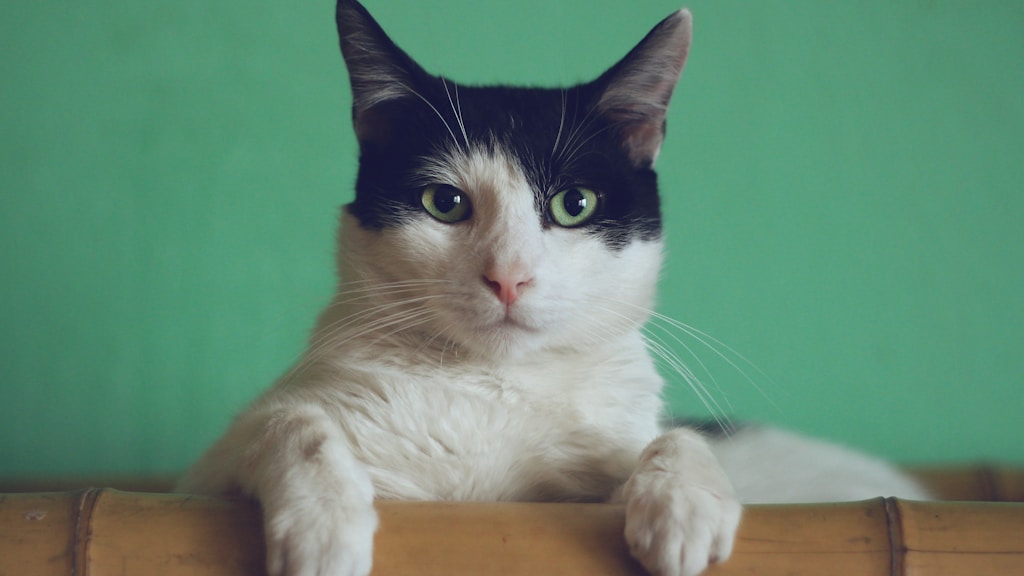
- Common colors: Black, blue (gray), red, cream, brown tabby tones, and mixes of these. Tortoiseshell and calico patterns can appear as well.
Distinctive features: The “Welsh” look is less about one defining trait and more about an overall hearty, natural British cat appearance—strong frame, thick coat, and a capable, alert expression.
Personality and Temperament Traits
Welsh Cats are often described as steady, clever, and affectionate without being clingy. Many have a classic “working cat with a soft heart” vibe: they’ll keep an eye on the household, patrol windowsills like it’s their job, and then melt into contentment when the day slows down.
Common temperament traits include:
- People-oriented (on their terms): Many enjoy following you from room to room, supervising chores, and settling nearby.
- Confident and adaptable: Typically not as easily rattled by everyday life as more sensitive breeds.
- Playful hunters: Expect a strong interest in interactive toys, stalking games, and puzzle feeders.
- Moderate vocalization: Often communicative with chirps and meows, but not nonstop chatterboxes.
- Good sense of routine: Many thrive when meals, play, and bedtime have a predictable rhythm.
Of course, personality varies with individual genetics and early socialization. Kittens raised with gentle handling, household sounds, and positive human interaction tend to grow into the most relaxed companions.
Health Considerations and Common Issues
One of the perks of native-type cats is that they often benefit from broad genetic diversity. That can mean fewer inherited problems compared with extremely selective breeding. Still, any cat—native or pedigreed—can develop health issues.
Potential concerns to be aware of:
- Weight gain: Sturdy cats with hearty appetites can become overweight if meals aren’t portioned. Obesity increases risk for diabetes, arthritis, and urinary issues.
- Dental disease: Very common in domestic cats overall. Regular dental care makes a huge difference.
- Urinary tract issues: Stress, low water intake, and diet can contribute to FLUTD (feline lower urinary tract disease), especially in males.
- Parasites and outdoor risks: If your Welsh Cat has outdoor access, prevention for fleas, ticks, and worms is essential.
Best practice: Choose a vet you trust, schedule annual exams (twice yearly for seniors), keep vaccinations and parasite prevention current, and consider pet insurance if you want predictable budgeting for surprises.
Care Requirements (Grooming, Exercise, Diet)
Grooming
The plush coat that helps a Welsh Cat handle damp weather also means a little routine grooming goes a long way.
- Brushing: 1–2 times per week for most cats; increase during seasonal shedding.
- Hairball support: Brushing plus adequate hydration helps reduce hairballs.
- Nails: Trim every 2–4 weeks (or as needed).
- Ears and eyes: Check weekly for debris; clean gently if needed.
- Teeth: Brush with cat-safe toothpaste if your cat will tolerate it; dental treats and vet cleanings can help.
Exercise and Enrichment
Welsh Cats typically enjoy a “job.” If they don’t have one, they may invent one—like reorganizing your countertop items at 2 a.m. Give them outlets for their natural curiosity and hunting instincts:
- Interactive play: Wand toys, feather teasers, and “stalk and pounce” games 10–15 minutes daily.
- Climbing: A sturdy cat tree, wall shelves, or a window perch.
- Food puzzles: Great for mental stimulation and slowing fast eaters.
- Safe outdoor time: Catio, harness walks, or secure garden access—safer than free roaming.
Diet
A well-built native cat can still struggle with weight if overfed. Aim for high-quality nutrition and measured portions.
- Protein-forward diet: Cats thrive on animal-based protein; choose reputable brands with clear ingredient lists.
- Wet food benefits: Helps hydration, supports urinary health, and can be more satisfying.
- Portion control: Use a kitchen scale or measuring cup and adjust based on body condition.
- Fresh water: Many cats drink more from a fountain.
Compatibility with Families, Children, and Other Pets
Welsh Cats often fit beautifully into family life because they tend to be stable, tolerant, and socially aware. The key is respectful introductions and teaching kids how to handle cats gently.
- With children: Usually good with calm, cat-savvy kids. They appreciate predictable behavior—no chasing or grabbing.
- With dogs: Often compatible with friendly, cat-safe dogs, especially if introduced slowly and given vertical escape routes.
- With other cats: Many do well with another cat, particularly if matched by energy level. Slow introductions reduce stress.
- With small pets: Strong prey drive is possible. Keep birds and rodents securely housed in cat-proof enclosures and supervised spaces.
If you’re adopting an adult Welsh Cat type, ask about their history with kids and other animals. Temperament is wonderfully individual, and an adult’s personality is easier to predict than a kitten’s.
Pros and Cons of Owning a Welsh Cat
| Pros | Cons |
|---|---|
| Sturdy, natural build; often resilient and adaptable | Not universally recognized as a standardized pedigree breed |
| Affectionate without being overly needy (many are excellent companions) | Some may have strong hunting instincts—extra care with small pets |
| Plush coat and classic “British native” charm | Dense coats can shed heavily in seasonal molts |
| Often playful, clever, and great with enrichment toys | Can gain weight if overfed and under-exercised |
| Fits well in many households when socialized well | May be hard to “source” responsibly if sellers use the name loosely |
FAQ: Welsh Cat Breed Revival
Is the Welsh Cat an officially recognized cat breed?
In most major international registries, “Welsh Cat” is not widely listed as a standardized pedigree breed. It’s more accurate to describe it as a British native Welsh cat type (a landrace) that enthusiasts are working to document and preserve.
What does a Welsh Cat look like?
Most Welsh Cats are medium to large, solidly built, and have a dense short-to-medium coat. Tabbies, bicolors, solids, and tortoiseshell patterns are commonly seen, with a strong, balanced “working cat” physique.
Are Welsh Cats good pets for first-time cat owners?
Many are. Their typical temperament—steady, affectionate, and adaptable—can be a great match for first-time owners who are willing to provide playtime, grooming, and routine vet care.
Do Welsh Cats need a lot of grooming?
Usually moderate grooming is enough. A good brush-out once or twice a week (more during shedding seasons) keeps the coat healthy and reduces hair around the home.
Are Welsh Cats indoor or outdoor cats?
They can adapt to indoor life very well with climbing spaces and interactive play. If you want outdoor access, the safest options are a catio, secure garden, or harness walks rather than free roaming.
How do I find a Welsh Cat responsibly?
Start with reputable rescues and shelters in the UK (and Wales in particular), where you may find native-type cats that match the Welsh look and temperament. If working with a breeder, ask for health screening details, living conditions, early socialization practices, and a clear explanation of what they mean by “Welsh Cat.”
A Warm Signoff for a Very Welsh Kind of Cat
The Welsh Cat revival is a love letter to the cats that have quietly shared Welsh homes for generations—cats built for the weather, bright-eyed with common sense, and affectionate in that wonderfully grounded, no-fuss way. Whether you’re a breed researcher fascinated by British native cat types or a future owner searching for a loyal companion with classic charm, the Welsh Cat is a reminder that some of the best cats aren’t “made”—they’re kept, cherished, and understood.
If you enjoyed this profile, you’re warmly invited to explore more breed profiles and cat-care guides on catloversbase.com.