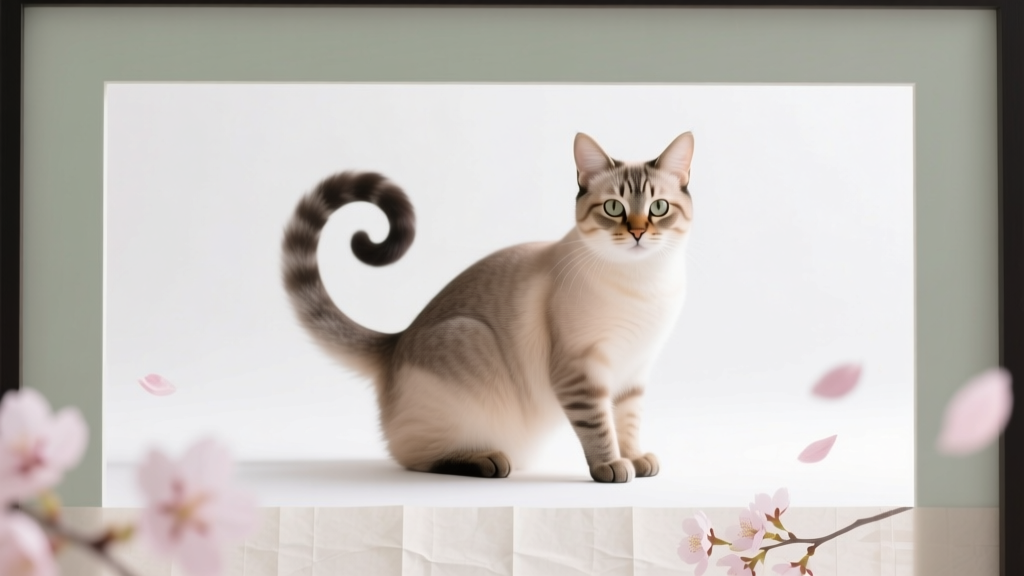
Japanese Bobtail: Symbol of Good Fortune
There’s something instantly joyful about meeting a Japanese Bobtail. Maybe it’s the bright, curious eyes. Maybe it’s the way they trot across the room like they own the place—friendly, confident, and ready to “talk” to you about their day. Or maybe it’s that unmistakable little pom-pom tail, a signature feature that has charmed cat lovers for centuries.
Famous in art, folklore, and the beloved beckoning maneki-neko figurine, the Japanese Bobtail is often called a symbol of good fortune. But beyond the lucky reputation is a real, living companion: affectionate without being clingy, playful without being chaotic, and social in a way that makes many people say, “This cat feels like a tiny roommate.” If you’re researching the Japanese Bobtail cat breed as a future family member—or you simply love learning about iconic breeds—you’re in for a treat.
This guide covers Japanese Bobtail history, appearance, temperament, health, and everyday care, with plenty of practical details for potential owners and breed researchers alike.
Breed History and Origin
The Japanese Bobtail is an ancient natural breed with deep roots in Japan and parts of Asia. References to bobtailed cats appear in Japanese art and writings going back hundreds of years, and their image is strongly tied to cultural folklore. One of the best-known symbols is the maneki-neko (the “beckoning cat”), often depicted as a bobtailed cat raising a paw to invite prosperity and customers into businesses.
Japanese Bobtails were valued for more than their charm. Historically, they were encouraged to help protect precious goods—especially silk—by controlling rodent populations. Over time, the breed became a familiar sight in Japanese homes and communities.
While they were well-known in Japan for generations, the Japanese Bobtail cat became more established in the Western cat fancy in the 20th century. Breeders and enthusiasts worked to preserve the breed’s natural traits—especially the unique tail and the lively, people-oriented temperament. Today, the Japanese Bobtail is recognized by major cat registries and loved worldwide for its blend of history, beauty, and personality.
Physical Characteristics
The Japanese Bobtail is a medium-sized cat with an athletic, refined build. They’re not cobby like some breeds, and they’re not extreme in any one direction—just clean lines, strong muscles, and an energetic “ready to play” look.
| Feature | Typical Japanese Bobtail Traits |
|---|---|
| Size | Medium |
| Weight | Usually 5–10 lb (about 2.3–4.5 kg); males often larger than females |
| Body Type | Lean, muscular, high-energy build; long legs, often with slightly longer hind legs |
| Head & Face | Triangular head shape with high cheekbones; large, alert ears |
| Eyes | Large and expressive; eye color varies and can include odd eyes |
| Coat Length | Shorthaired and longhaired varieties |
| Tail | Distinctive “bobtail” that looks like a pom-pom; typically 1–4 inches in visible length, with unique bends/curves |
Coat, Colors, and Patterns
Japanese Bobtail coats are typically silky and lie close to the body. The breed doesn’t usually have a heavy undercoat, which many owners find makes grooming easier and reduces matting (especially in the shorthaired variety).
- Japanese Bobtail shorthair: Sleek, smooth, easy-care.
- Japanese Bobtail longhair: Soft and flowing, often with a plume-like appearance around the bobbed tail; tends to be less prone to matting than some longhaired breeds but still benefits from regular brushing.
Colors and patterns come in many combinations. One of the most iconic looks is the mi-ke (often called “mee-kay”), a calico pattern traditionally associated with good luck in Japan. You may also see:
- Bi-color and tri-color patterns
- Tabby patterns in various shades
- Solid colors (depending on registry standards)
That Famous Bobtail
The Japanese Bobtail tail isn’t docked or altered—it’s a natural genetic trait. Each cat’s tail is uniquely shaped, with individual curves, kinks, or angles. The overall effect is a fluffy “pom” that can look like a bunny tail, especially in longhaired Japanese Bobtails.
Personality and Temperament Traits
If you want a cat that feels involved in your daily life, the Japanese Bobtail delivers. This is a social, clever, playful breed that often chooses a favorite person—but still enjoys the whole household. Many owners describe them as “chatty” without being overwhelming; they may greet you at the door, comment on your activities, and follow you from room to room like a cheerful little assistant.
Common Japanese Bobtail temperament traits include:
- Outgoing and people-oriented: They tend to enjoy company and may do best in homes where they get plenty of interaction.
- Playful and athletic: Expect sprints, leaps, and impressive climbing skills.
- Intelligent: Many learn routines quickly and enjoy puzzle toys.
- Communicative: They often use soft chirps and “conversations” rather than constant loud meowing.
- Affectionate: Usually cuddly on their terms; many like lap time, but they also love being nearby and included.
Because they’re bright and curious, Japanese Bobtails may invent their own entertainment if they’re bored. The best recipe for a happy Bobtail is a mix of attention, play, and a home environment with vertical space.
Health Considerations and Common Issues
The Japanese Bobtail is generally considered a hardy, naturally developed breed. The bobtail gene in this breed is not the same as the gene associated with spinal issues in certain other bobtailed breeds, and Japanese Bobtails are not commonly known for tail-related health problems when responsibly bred.
That said, every cat breed can face health concerns. Consider the following when researching Japanese Bobtail health:
- General feline health risks: Dental disease, obesity (especially in indoor cats with low activity), and age-related kidney concerns can affect cats of any breed.
- Routine screening matters: A reputable breeder will prioritize robust lines, veterinary care, and transparent health histories.
- Injury risks: Their athletic nature can lead to occasional sprains or minor injuries if they leap from high places—cat-proofing your home helps.
Helpful habits for long-term wellness include annual veterinary checkups (twice yearly for seniors), dental care, parasite prevention, and maintaining a lean body condition.
Care Requirements (Grooming, Exercise, Diet)
Grooming
Japanese Bobtail grooming needs are usually moderate. Their coat texture tends to be smooth and manageable, especially in shorthaired cats.
- Shorthair: Brush once weekly to remove loose hair and keep the coat shiny.
- Longhair: Brush 2–3 times per week (more during seasonal shedding) to prevent tangles and reduce hairballs.
- Basics: Trim nails every 2–4 weeks, check ears weekly, and brush teeth regularly with cat-safe toothpaste.
Exercise and Enrichment
This is a lively breed that benefits from daily play and mental stimulation. Plan for short, frequent play sessions—many Bobtails love interactive wand toys, chasing games, and anything that lets them show off their jumping ability.
- 15–30 minutes of interactive play daily (split into sessions)
- Cat trees and wall shelves for climbing and perching
- Puzzle feeders and treat balls to engage their brains
- Rotate toys to keep things fresh
Some Japanese Bobtails can be trained to walk on a harness or play fetch. If your cat enjoys training, positive reinforcement goes a long way.
Diet
A high-quality diet supports their active lifestyle and lean muscle. Look for foods where animal protein is a primary ingredient, and adjust portions to your cat’s age, activity level, and body condition.
- Kittens: Growth-focused formulas and more frequent meals.
- Adults: Balanced calories to maintain a trim waistline.
- Seniors: Diet updates based on vet guidance (kidney support, joint support, dental needs).
Fresh water should always be available. Many cats drink more readily from a pet fountain, which can be helpful for hydration.
Compatibility with Families, Children, and Other Pets
The Japanese Bobtail is often a wonderful choice for an active household. Their social nature and playful spirit can make them a great match for families—especially when everyone understands respectful cat handling.
- With children: Typically very good, particularly with kids who enjoy interactive play and can be gentle. Teach children not to grab the tail (even though it’s short) and to respect “no thanks” signals.
- With other cats: Often friendly and adaptable when introductions are done slowly.
- With dogs: Many do well with calm, cat-savvy dogs and proper introductions. Their confidence can help, but they still need safe escape routes and vertical space.
If you’re away from home for long stretches most days, consider a companion pet or ensure your Bobtail has plenty of enrichment. Many Japanese Bobtails thrive when they have company.
Pros and Cons of Owning a Japanese Bobtail
| Pros | Cons |
|---|---|
|
|
FAQ: Japanese Bobtail Cats
Are Japanese Bobtails born with short tails?
Yes. The Japanese Bobtail’s short, kinked tail is a natural genetic trait. Each cat’s tail is unique in shape and curve, often resembling a fluffy pom-pom.
Do Japanese Bobtail cats shed a lot?
They do shed, but many owners find it manageable because the coat often lacks a heavy undercoat. Weekly brushing for shorthairs and a few times a week for longhairs helps keep shedding under control.
Is the Japanese Bobtail a good family cat?
Often, yes. Japanese Bobtails are typically friendly, playful, and social, making them well-suited to families with respectful children and homes that enjoy interactive play.
Are Japanese Bobtails rare?
They’re less common than many mainstream breeds, depending on where you live. You may need to join a waiting list with a reputable breeder or look for breed-specific rescues.
Do Japanese Bobtails like to be held?
Many enjoy affection and lap time, but it varies by individual. They often prefer being involved and nearby, and they’ll usually let you know when they’re in the mood for cuddles.
How long do Japanese Bobtail cats live?
With good care, many live into their mid-to-late teens, and some live longer. Genetics, preventive veterinary care, diet, and maintaining a healthy weight all play a role.
Living with a Little Lucky Charm
The Japanese Bobtail is more than a symbol of good fortune—it’s a bright, affectionate companion with a playful spark and a knack for turning everyday moments into something fun. If you want a cat who greets you like a friend, learns your routines, and adds a dash of personality to every room, this breed has a lot to love.
Whether you’re drawn to the famous mi-ke pattern, fascinated by the history behind the bobtail, or simply looking for a social, athletic cat breed, the Japanese Bobtail has a special way of making a home feel warmer.
Want to keep exploring? Check out more cat breed profiles and helpful guides at catloversbase.com—your next favorite feline might be just a click away.