Nimbus Cat: Cloud-White Fluffy Breed Type
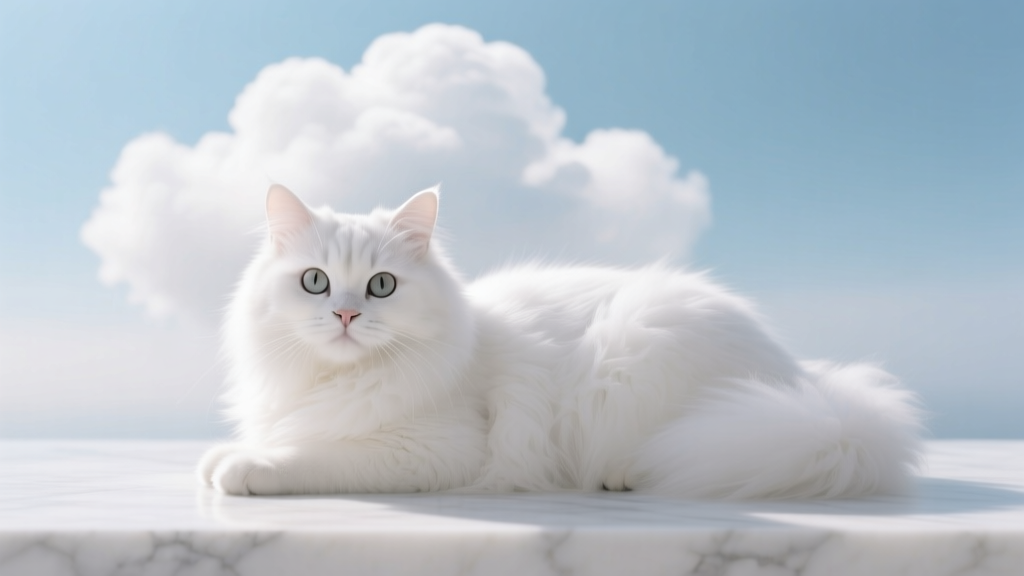
If you’ve ever wished a soft, drifting cloud could curl up on your lap and purr back at you, the Nimbus Cat might sound like a dream come true. With its cloud-white, plush coat and a look that practically glows in window light, this “breed type” has become a favorite search term among cat lovers who adore fluffy, pale-coated companions.
Here’s the truth from a breed-research perspective: there is no widely recognized, formally registered cat breed called the “Nimbus Cat” in major registries like TICA, CFA, or FIFe. What people most often mean by “Nimbus Cat” is a cloud-white fluffy cat—typically a longhaired or semi-longhaired white cat that resembles certain established breeds or mixes. This article covers the Nimbus Cat as a distinct look and type, and points you to the closest recognized breed matches, so you can research responsibly, choose ethically, and find the right cat for your home.
Whether you’re a potential owner, a dedicated cat enthusiast, or a breed history buff, consider this your friendly guide to the Nimbus Cat look: white, fluffy, soft, and show-stopping.
Breed History and Origin
Because the Nimbus Cat is best understood as a coat-and-style “type” rather than a standardized pedigree, its “origin story” is really the story of how white longhair traits appear across many lines of domestic cats—and how humans have selectively bred for beauty, plush texture, and dramatic presentation.
White coats in cats are usually linked to:
- Dominant White (W) gene: masks underlying color and pattern, producing a solid white coat.
- White spotting genes: can create mostly-white cats, sometimes perceived as “all white” depending on markings.
- Longhair genes: recessive traits that, when paired, create semi-longhair or longhair coats.
Over time, breeders and pet owners alike have gravitated toward fluffy white cats because they’re visually striking and photograph beautifully. In various regions, local populations of domestic longhairs have produced “Nimbus-like” kittens naturally—especially where longhaired cats are common.
Recognized breeds that often resemble the Nimbus Cat type include:
- Turkish Angora (often white, elegant, silky coat)
- Persian (fluffy, dense coat; white is a classic color)
- Ragdoll (not solid white, but some very pale-pointed cats read “cloudy”)
- Siberian (full, plush coat; some lines have pale/white cats)
- British Longhair (teddy-bear plush; can appear in white)
- Domestic Longhair (the most common source of “Nimbus” cats—unique and wonderful)
If you see “Nimbus Cat” used online, it may refer to a breeder’s or rescue’s nickname for white fluffy kittens rather than a formal breed name. For anyone doing serious breed research, that distinction matters—especially for health testing and predictable temperament.
Physical Characteristics
The Nimbus Cat type is defined primarily by its cloud-white coat and a soft, plush silhouette. Exact traits vary depending on whether the cat is a domestic longhair mix or resembles a specific pedigree.
| Feature | Typical Nimbus Cat Type |
|---|---|
| Size | Medium to large (varies widely by lineage) |
| Weight | Typically 8–15 lb (3.6–6.8 kg); some smaller or larger |
| Coat Length | Semi-longhair to longhair; feathering on tail and britches common |
| Coat Texture | Silky to plush; can be single-coated or have a thicker undercoat |
| Color | Solid white is most common in “Nimbus” labeling; may be near-white or cream in some cats |
| Eye Color | Gold/amber, green, blue, or odd-eyed (one blue, one gold/green) |
| Distinctive Features | Plumed tail, fluffy ruff, “powder puff” paws, bright pink nose leather common in white cats |
Coat and Color Notes
- Solid white coats can hide underlying genetics (tabby, black, etc.). Even if a cat is visually white, their kittens may not be.
- White cats may have blue eyes or odd eyes, both of which add to the dreamy Nimbus vibe.
- Some cats marketed as “white” are actually very pale cream—still gorgeous, but not genetically dominant-white.
Personality and Temperament Traits
Because Nimbus Cat is a look rather than a registry-defined breed, temperament depends heavily on the individual cat’s genetics and early socialization. That said, fluffy white cats that get labeled “Nimbus” are often described by owners as:
- Affectionate without being clingy (many enjoy being near you, not necessarily on you)
- Gentle and polite in the home—especially adults with calmer energy
- Playful in bursts, then back to lounging like a tiny snowdrift
- People-aware and responsive to routines
If your Nimbus-type cat resembles a particular breed, you can borrow temperament expectations from that breed. For example, Persian-like cats may be mellow and lap-friendly, while Angora-like cats often bring more athleticism and curiosity.
Health Considerations and Common Issues
A Nimbus Cat’s health profile depends on whether they’re a domestic longhair (often robust) or from lines resembling specific pedigrees (where certain inherited conditions may be more common). Either way, fluffy white cats have a few special considerations worth knowing.
Common Health Topics for Nimbus-Type White Fluffy Cats
- Deafness in solid white cats: White cats with blue eyes have a higher risk of congenital deafness. Not every blue-eyed white cat is deaf, and some may be deaf in only one ear. A vet can help with hearing assessment (BAER testing is the gold standard when available).
- Skin sun sensitivity: White cats can be prone to sunburn, especially on ears and nose. Repeated sun damage can increase the risk of skin cancers (like squamous cell carcinoma) later in life.
- Hairball and coat-mat issues: Long coats mean more grooming and a higher chance of mats and hairballs.
- Dental disease: Like many cats, they benefit from dental-friendly diets, dental treats (vet-approved), and regular checkups.
- Breed-linked risks (if applicable): Persian-type cats may be more prone to breathing/tear issues due to flat faces; some longhaired lines can have hereditary heart or kidney concerns depending on ancestry.
The best “Nimbus Cat health plan” is wonderfully simple: choose reputable sources, ask for vet records, keep up with wellness exams, and prioritize preventive care.
Care Requirements (Grooming, Exercise, Diet)
Owning a Nimbus Cat is a bit like owning a luxury blanket that walks around your house. The trade-off for that plush, snowy coat is consistent grooming and a few lifestyle tweaks to keep the coat bright and the body healthy.
Grooming
- Brushing: 3–5 times per week for most semi-longhairs; daily for very dense coats or during seasonal shedding.
- Mat checks: Focus on armpits, behind ears, belly, and the “pants” area on the back legs.
- Bathing: Optional, but some white cats benefit from occasional baths to reduce oil buildup and keep the coat luminous. Use a cat-safe shampoo and make it a calm, warm experience.
- Eye and nose cleanup: White coats show tear staining more easily. A soft, damp cloth can help (ask your vet if staining is excessive).
- Nail trims: Every 2–4 weeks, plus scratching posts to keep nails healthy.
Exercise and Enrichment
Nimbus Cats typically do best with gentle, consistent activity:
- Two short interactive play sessions daily (wand toys, feather teasers, soft balls)
- Climbing options like cat trees or wall shelves (especially for athletic Angora-like types)
- Puzzle feeders to prevent boredom and support healthy weight
Diet
- High-quality protein as the foundation (cats are obligate carnivores)
- Wet food can support hydration, urinary health, and weight management
- Portion control is key—fluffy coats can hide weight gain
- Hairball support (fiber-balanced foods or vet-recommended supplements) can help longhair cats
Compatibility with Families, Children, and Other Pets
The Nimbus Cat type can be a lovely family companion, especially when introduced thoughtfully and respected as a cat (not a living plush toy). In most homes, compatibility comes down to temperament, socialization, and your household’s energy level.
- With children: Often great with gentle kids who understand “no grabbing” and “let the cat choose.” Teach children to stroke along the back and avoid tugging the tail or fur.
- With dogs: Many Nimbus-type cats do well with calm, cat-savvy dogs. Slow introductions and safe vertical spaces (cat trees, shelves) make a huge difference.
- With other cats: Usually positive if introductions are gradual. A fluffy white cat can be confident and social—or reserved—so let them set the pace.
If your Nimbus Cat is deaf (fully or partially), keep them indoors and use visual cues (hand signals, light tapping on the floor) to communicate without startling them.
Pros and Cons of Owning This Breed Type
| Pros | Cons |
|---|---|
| Gorgeous cloud-white fluffy look that turns heads | High grooming needs; mats can form quickly |
| Often affectionate, calm, and comforting to live with | White coats show dirt/tear staining more easily |
| Many are adaptable to apartments and quiet homes | Some white cats (especially blue-eyed) may have hearing challenges |
| Wide availability through rescues (domestic longhair “Nimbus” cats) | Because it’s a “type,” traits aren’t as predictable as a standardized breed |
| Soft, plush coat is a sensory joy for cat lovers | Hairballs and shedding can be more noticeable |
FAQ: Nimbus Cat (Cloud-White Fluffy Type)
Is the Nimbus Cat a real, recognized breed?
Not in major cat registries. “Nimbus Cat” is most often used as a nickname for a white fluffy cat—commonly a domestic longhair or a cat resembling breeds like the Turkish Angora or Persian.
Are white Nimbus Cats more likely to be deaf?
Some are, especially solid white cats with blue eyes. The risk is higher than in non-white cats, but many white cats hear perfectly. If you’re concerned, ask your vet about hearing evaluation (BAER testing where available).
How much grooming does a Nimbus Cat need?
Expect 3–5 brushings per week, and daily brushing for very dense coats or during shedding seasons. Regular grooming prevents mats and reduces hairballs.
Do Nimbus Cats shed a lot?
Most fluffy white cats shed seasonally, and some shed year-round. Consistent brushing, a balanced diet, and good hydration can help manage shedding.
What breeds look most like a Nimbus Cat?
Common “Nimbus look-alikes” include Turkish Angora (silky, elegant), Persian (very plush and full-coated), British Longhair (teddy-bear density), and many domestic longhairs with solid white coats.
Can a Nimbus Cat live happily in an apartment?
Yes—many do wonderfully indoors with a stable routine, interactive play, window perches, and vertical climbing spaces. The key is enrichment and a grooming schedule you can realistically maintain.
A Warm Signoff for Future Nimbus Cat Parents
The Nimbus Cat—whether a rescue domestic longhair or a pedigree look-alike—captures that magical combination of snowy beauty and soft, comforting companionship. If you’re drawn to the cloud-white fluffy breed type, focus on finding a healthy, well-socialized cat, ask smart questions about hearing and coat care, and be ready to brush like it’s part of the relationship (because it is).
May your home be filled with gentle purrs, floating tufts of fluff you pretend not to see, and the kind of calm only a cloud-white cat can bring. When you’re ready to meet more wonderful felines, explore more breed profiles on catloversbase.com.