Slate Cat: Gray-Blue Coat Selection
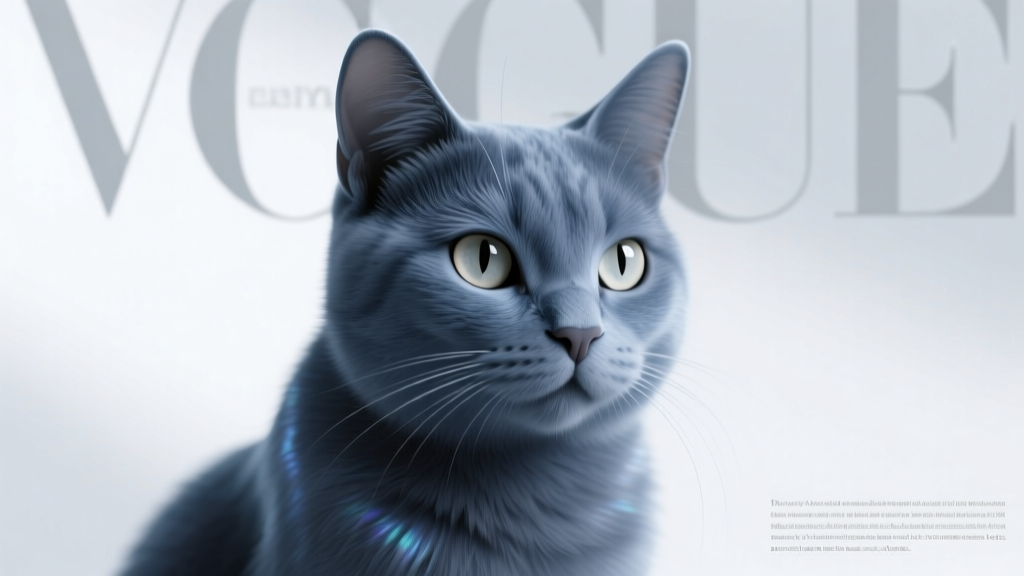
There’s something undeniably magnetic about a cat in a gray-blue coat. Depending on the light, that “slate” shade can look like storm-cloud velvet, brushed steel, or a soft blue haze. It’s a color that makes whiskers pop, eyes glow, and every elegant movement look a little more cinematic.
If you’ve been searching for a “Slate Cat,” you’re not alone. Cat lovers often use this term to describe that dreamy gray-blue coat color seen across several beloved breeds. And here’s the fun part: while “Slate Cat” isn’t an official single breed name, it’s a real and useful way to talk about a specific coat selection—cats bred (or chosen) for that classic blue/gray tone.
This guide breaks down what a slate (gray-blue) coat really is, which breeds are famous for it, how genetics and grooming affect the look, and how to pick the right gray-blue companion for your home. If your heart is set on a plush “blue” kitty, you’re in the right place.
Breed History and Origin: Where the “Slate” Look Comes From
Because “Slate Cat” refers to coat color rather than one standardized pedigree, the history is really the story of blue (gray) coat genetics and the breeds that made it iconic. The blue coat is typically the result of a dilution gene that softens black pigment into gray/blue. Over generations, breeders in different regions selected for consistent, even coloration—sometimes with specific coat textures and body types that make the slate color stand out even more.
Some of the best-known slate-coated breeds have distinct origin stories:
- Russian Blue – Developed in Russia and refined in Europe; famed for a shimmering silver-tipped blue coat and bright green eyes.
- Chartreux – A historic French breed known for a dense, woolly blue coat and a sweet, “smiling” expression.
- British Shorthair (Blue) – A UK favorite with a teddy-bear build and plush coat; the blue variety helped define the breed’s popular image.
- Korat – An ancient Thai breed associated with good fortune; silver-tipped blue coat with a heart-shaped face and luminous eyes.
- Nebelung – A relatively modern breed created to capture the longhaired “Russian Blue look” with a silky blue coat.
Domestic shorthairs and longhairs can also come in slate gray-blue, and many households have a “Slate Cat” that’s not a pedigree at all—just wonderfully blue, beautifully unique, and every bit as lovable.
Physical Characteristics: Size, Weight, Coat, Colors, and Standout Features
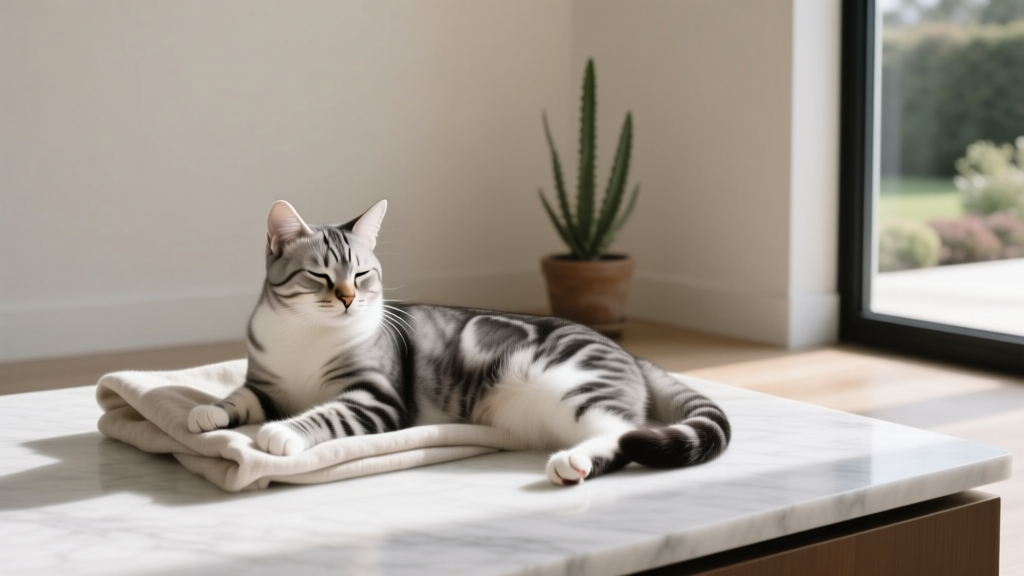
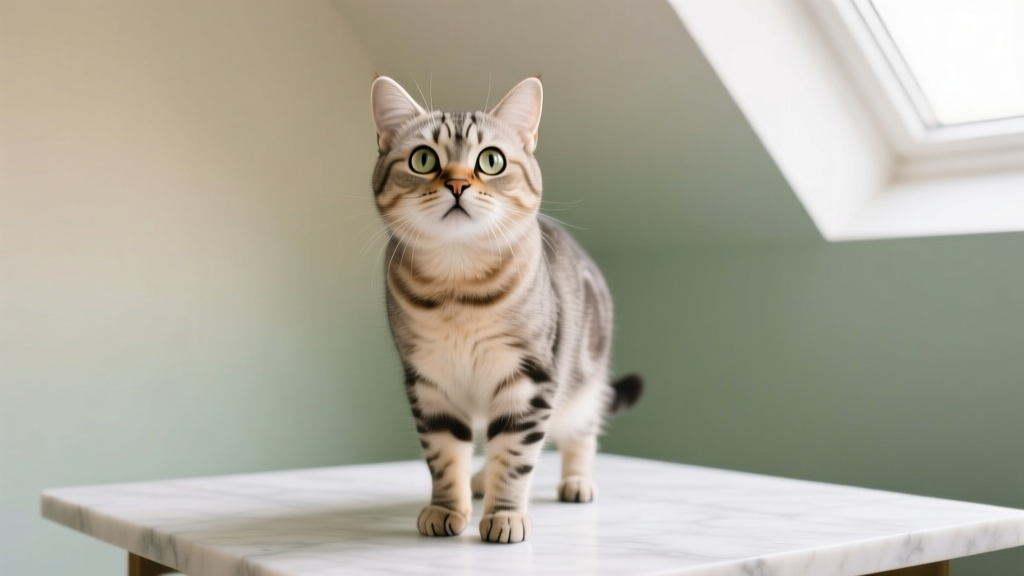
The slate-gray-blue look can show up on different body types—from athletic and fine-boned to chunky and plush. What “defines” the Slate Cat concept is the coat color: an even, cool-toned gray that may show silver tipping or a soft sheen.
| Feature | Typical Slate Cat Traits (Across Breeds) |
|---|---|
| Size | Small to large (most slate-coated pedigrees are medium-sized) |
| Weight | Often 7–15 lbs, depending on breed and sex |
| Coat length | Short (Russian Blue, Chartreux, Korat, British Shorthair) or long (Nebelung, some mixes) |
| Coat texture | Plush and dense (British Shorthair), woolly (Chartreux), sleek (Russian Blue), silky (Nebelung) |
| Color | Solid blue/gray; may include silver tipping that creates a “frosted” look |
| Eyes | Often green (Russian Blue, Nebelung), copper/gold (British Shorthair), vivid green (Korat), gold/copper (Chartreux) |
| Distinctive features | Commonly sleek silhouettes, expressive eyes, and coats that look extra plush under light |
Slate (Blue) Coat Color: What to Look For
- Even coloration: Many standards prefer a consistent blue tone from nose to tail.
- Silver tipping: Some slate cats appear to sparkle at the tips of the fur, especially Russian Blue and Korat lines.
- Minimal visible tabby patterning: Kittens can show “ghost stripes,” which often fade as they mature.
- Nose and paw pads: Frequently gray, charcoal, or lavender-toned, depending on the breed.
When people say “slate,” they’re usually picturing a cool, medium-to-deep gray-blue—neither warm brown-gray nor pale lilac. If you love that crisp, steely tone, asking breeders or rescues specifically for a solid blue/gray coat is the best way to find it.
Personality and Temperament Traits
Temperament varies by breed and individual, but slate-coated pedigrees share a reputation for being deeply devoted companions. Many are affectionate without being clingy—happy to follow you from room to room, then settle nearby like a soft, purring shadow.
Here’s a general snapshot of personality traits commonly associated with popular slate-coated breeds:
- Gentle and people-oriented: Russian Blue, Chartreux, and British Shorthair often bond strongly with their “favorite” humans.
- Playful but not chaotic: You’ll get bursts of zoomies, puzzle-toy passion, and enthusiastic wand-toy sessions—followed by dignified lounging.
- Quietly intelligent: Many slate cats enjoy routines, learn household patterns quickly, and appreciate interactive games.
- Reserved with strangers (sometimes): Russian Blues in particular can be cautious at first, then wonderfully affectionate once trust is earned.
- Emotionally sensitive: Calm households suit many of these breeds; harsh handling or loud chaos can make them withdraw.
If you want a cat that feels like a thoughtful companion—observant, loyal, and sweetly interactive—a gray-blue “Slate Cat” is often a great match.
Health Considerations and Common Issues
Overall, many slate-coated breeds are robust, especially when responsibly bred and kept at a healthy weight. Still, each breed has tendencies worth knowing. If you’re researching slate-gray-blue cats as a group, the biggest health theme is not coat color—it’s body type, breeding practices, and lifestyle.
| Breed (Common Slate Cats) | Health Considerations Seen More Often |
|---|---|
| British Shorthair (Blue) | Weight gain/obesity risk; some lines may have heart concerns (ask breeder about cardiac screening) |
| Russian Blue | Generally healthy; can be prone to weight gain if overfed and underplayed |
| Chartreux | Typically sturdy; watch weight and dental health; choose breeders who prioritize sound structure |
| Korat | Some lines may carry genetic risks (reputable breeders test and plan matings carefully) |
| Nebelung | Generally healthy; long coat means more hair ingestion—hairball management helps |
Smart Health Habits for Any Slate Cat
- Annual vet exams (twice yearly for seniors)
- Dental care: brushing or dental treats approved by your vet
- Weight monitoring: slate cats with plush coats can “hide” extra pounds
- Microchip + indoor lifestyle for safety and longevity
If you’re buying from a breeder, ask about health testing, veterinary records, and what they do to avoid inherited issues. If you’re adopting, ask the shelter or rescue about any known history and schedule a wellness check soon after bringing your cat home.
Care Requirements: Grooming, Exercise, and Diet
That beautiful gray-blue coat is fairly easy to maintain, but the exact routine depends on whether your slate cat is plush, sleek, or longhaired. The good news: most slate-coated breeds thrive with simple, consistent care and a little extra attention during shedding seasons.
Grooming
- Short-haired slate cats: Brush 1–2 times per week. Plush coats (like British Shorthair) may benefit from more frequent brushing to lift dead hair.
- Long-haired slate cats (e.g., Nebelung, mixes): Brush 2–4 times per week to prevent tangles and reduce hairballs.
- Shedding seasons: Spring and fall often call for extra brushing.
- Nails, ears, and teeth: Trim nails every 2–4 weeks, check ears weekly, and support dental health consistently.
Exercise and Enrichment
Many slate cats are quietly athletic. They may not be constantly “on,” but they do best with daily play and climbing options.
- Daily interactive play: 10–20 minutes with a wand toy, feather teaser, or chase toy
- Puzzle feeders: Great for intelligent, food-motivated cats (common in several slate-coated breeds)
- Cat trees and shelves: Vertical space helps confidence and reduces boredom
- Window perches: Perfect for bird-watching and mental stimulation
Diet
The slate-gray-blue coat looks its best when your cat is well-nourished and well-hydrated. Many slate cats are famous for loving food—so portion control matters.
- Choose a high-quality diet with animal protein as the first ingredient
- Measure meals instead of free-feeding if weight gain is a concern
- Wet food or added water can support hydration for cats that don’t drink much
- Omega-3 fatty acids (vet-approved) may support skin and coat shine
Compatibility with Families, Children, and Other Pets
A slate-coated cat can be a dreamy family companion, but match energy levels and social needs to your household. Many gray-blue breeds do best in homes that offer gentle handling and a predictable rhythm—though several are playful enough to enjoy a busy family as long as their boundaries are respected.
- With children: Often excellent with calm, cat-savvy kids. Teach children to let the cat approach, avoid tail/ear grabbing, and respect “no thanks” signals.
- With dogs: Many do well with polite, cat-safe dogs, especially with slow introductions and vertical escape routes.
- With other cats: Typically compatible, especially if introduced properly and given enough resources (litter boxes, feeding stations, resting spots).
If you’re choosing among slate-coated breeds, consider this: a British Shorthair may be more laid-back and independent; a Russian Blue may be more bonded and sensitive; a Chartreux is often social and comedic; a Korat may be intensely people-focused and thrive with interactive companionship.
Pros and Cons of Owning a Slate (Gray-Blue) Cat
| Pros | Cons |
|---|---|
| Striking gray-blue coat that looks elegant in any setting | Some slate-coated breeds can be shy with strangers and need gentle socialization |
| Many are affectionate, loyal companions without being overly demanding | Food motivation can lead to weight gain if portions aren’t managed |
| Generally manageable grooming, especially for short-haired slate cats | Long-haired slate cats may need frequent brushing and hairball support |
| Often intelligent and fun to train with clickers or puzzle toys | Sensitive temperaments may not love loud, chaotic environments |
| Great “indoor companion” vibe—calm, observant, connected | Purebred slate cats can be expensive and may have waitlists with reputable breeders |
FAQ: Slate Cat (Gray-Blue Coat) Questions
Is a “Slate Cat” an official breed?
No. “Slate Cat” is a popular way to describe a cat with a solid gray-blue (blue) coat. Several pedigreed breeds and many domestic cats can have this coat color.
What breeds are known for the gray-blue (blue) coat?
The most famous slate-coated breeds include the Russian Blue, Chartreux, British Shorthair (Blue), Korat, and Nebelung. Shelters also frequently have domestic shorthairs with beautiful slate coloring.
Do slate-gray-blue cats shed a lot?
Shedding depends on coat type. Plush coats (like British Shorthair) can shed noticeably but respond well to regular brushing. Sleeker coats (like Russian Blue) often feel lower-maintenance, while long-haired slate cats will need more frequent grooming.
Are slate cats hypoallergenic?
No cat is truly hypoallergenic. Some people find they react less to certain individuals or breeds, but allergies vary widely. If allergies are a concern, spend time with the specific cat you’re considering and talk to your allergist.
Why does my slate kitten have faint stripes?
Many blue/gray kittens show “ghost tabby” markings that can fade as they mature. Some cats keep subtle patterning, especially in certain lighting—still gorgeous, still very “slate.”
How can I keep a gray-blue coat looking shiny?
Consistent brushing, a high-quality diet, good hydration, and a stress-minimized environment help the coat look its best. If dandruff or dullness appears suddenly, a vet check can rule out skin issues or nutritional gaps.
Warm Signoff
A slate-gray-blue cat brings a special kind of charm—soft, elegant, and quietly captivating. Whether you’re drawn to the green-eyed glamor of a Russian Blue, the plush cuddle-factor of a British Shorthair (Blue), the sweet sturdiness of a Chartreux, the legendary beauty of a Korat, or the flowing coat of a Nebelung, the “Slate Cat” look is one of the most unforgettable in the cat world.
If you’re still deciding which gray-blue companion fits your life best, keep exploring. Visit catloversbase.com for more breed profiles, coat guides, and cat-loving tips to help you find your perfect match.