Asian Shorthair: Burmese Family Diversity
If you love the sleek, people-focused charm of the Burmese but wish you could dial up the color palette, meet the Asian Shorthair—a gorgeous, affectionate breed that celebrates variety. Often described as “Burmese-type cats in many coats,” the Asian Shorthair brings together the same captivating, satin-smooth feel and friendly, interactive nature, wrapped in an eye-catching range of colors and patterns.
This is a breed for cat lovers who want companionship with a side of elegance. Asian Shorthairs tend to follow their humans from room to room, supervise daily routines, and join family life with confident curiosity. They’re playful without being frantic, chatty without being overwhelming, and deeply social in a way that makes homes feel warmer.
Whether you’re researching the Burmese family of breeds, comparing Asian Shorthair vs Burmese, or simply looking for a devoted, beautiful housemate, you’ll find this breed has a delightful personality and a strikingly diverse look—all while staying true to its Burmese roots.
Breed History and Origin
The Asian Shorthair’s story begins in the United Kingdom in the early 1980s, where breeders were working with Burmese cats and exploring new, accepted colors and patterns within a Burmese-style body and temperament. The key “spark” behind the Asian breed group is a planned pairing between a Burmese and a Chinchilla-type Persian (often referred to in historical accounts as a silver Persian). The goal wasn’t to create a longhaired cat, but to introduce new coat effects—particularly the shimmering “tipped” look—into a Burmese-type cat.
From these beginnings, a family of related cats emerged in the UK, generally known as the Asian breed group. Depending on registry and country, you may see different naming conventions, but the umbrella idea is consistent: a Burmese-type cat with expanded coat colors and patterns.
In many systems, the term Asian Shorthair may be used to describe the shorthaired Asian cats that aren’t the “Burmilla” (the silver-shaded/tipped variety) or the longhaired varieties. In the UK, the Asian group includes multiple varieties such as:
- Asian Shorthair (solid, tabby, smoke, and other patterns in Burmese type)
- Burmilla (shaded/tipped silver and related variations)
- Tiffanie / Asian Longhair (semi-longhair counterparts)
When you search breed keywords like “Asian Shorthair cat,” “Asian cat breed Burmese type,” or “Burmese family diversity,” you’ll often land in this fascinating corner of feline history—where style, temperament, and color variety meet.
Physical Characteristics
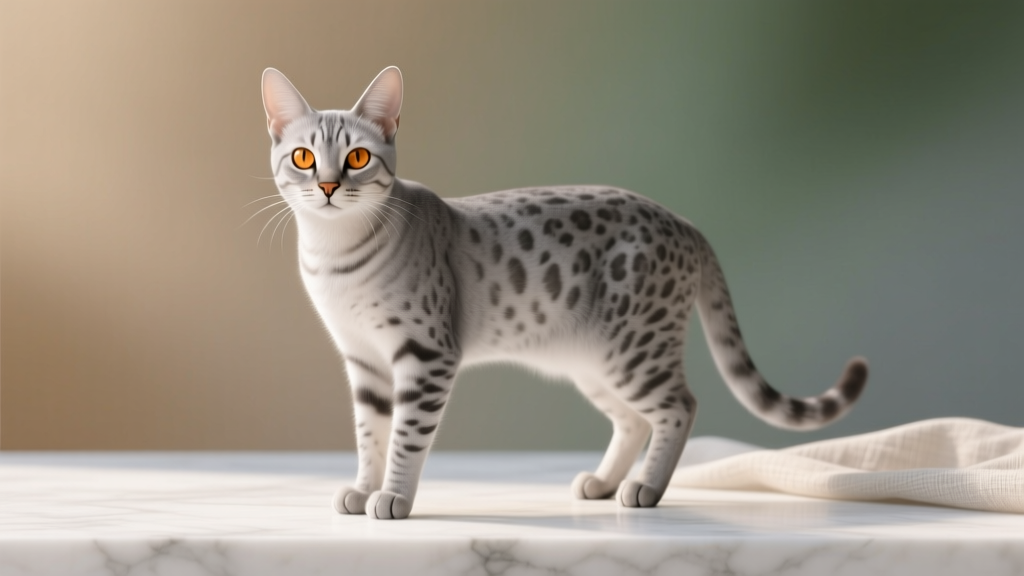
The Asian Shorthair is best described as medium-sized, muscular, and refined—athletic without looking bulky. Many owners are surprised when they pick one up: these cats can feel heavier than they look, thanks to their solid, well-toned build.
| Feature | Typical Asian Shorthair Traits |
|---|---|
| Size | Medium; balanced, elegant, sturdy |
| Weight | Usually 6–12 lb (2.7–5.4 kg); males often larger |
| Body | Muscular, firm, “athletic sleek” |
| Head | Gently rounded with a short muzzle; expressive face |
| Ears | Medium to large, slightly rounded tips, set wide apart |
| Eyes | Large, expressive; often yellow to greenish tones (varies by variety/registry) |
| Coat | Short, fine, close-lying; satiny feel with a glossy sheen |
Coat Colors and Patterns
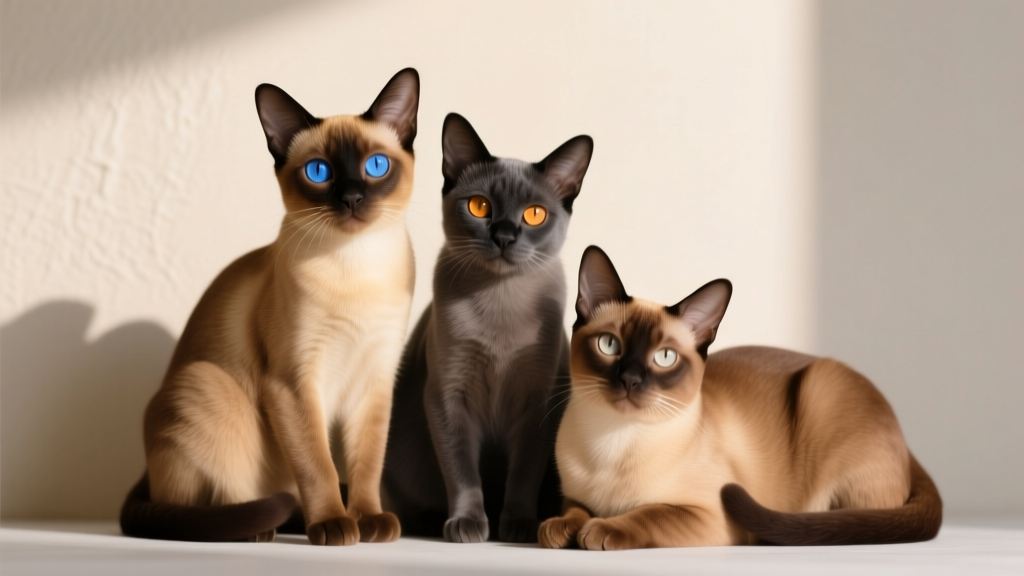
Color diversity is the Asian Shorthair’s calling card. While Burmese cats are known for a limited (but beautiful) range, the Asian Shorthair expands the options dramatically. Depending on registry standards, you may find:
- Solid colors (including black, blue, chocolate, lilac, red, cream, and more)
- Tabby patterns (classic, mackerel, spotted)
- Smoke coats (a dramatic “dark top, pale undercoat” effect)
- Shaded/tipped varieties in closely related lines (often recognized specifically as Burmilla)
- Tortie and torbie combinations in some standards
Distinctive features often include that polished “Burmese-like” look—sleek lines, a confident stance, and a coat that seems to glow when light hits it.
Personality and Temperament Traits
If you’re looking for a cat that wants to be part of the conversation—without necessarily dominating it—the Asian Shorthair fits the bill. These cats are famous for their people-loving nature, inherited from the Burmese side of the family. They thrive on companionship and tend to bond strongly with their chosen humans (often the whole household, not just one person).
Common temperament traits include:
- Affectionate and loyal: Expect lap time, couch cuddles, and a “shadow cat” who likes to be nearby.
- Playful and bright: They enjoy puzzle toys, wand games, and learning routines (many will happily play fetch).
- Confident and social: Often comfortable with visitors once properly introduced.
- Gentle but engaged: They usually prefer being with you over being left alone for long stretches.
- Moderately vocal: Many will chirp or “talk” to you, especially around mealtimes or playtime.
Because the Asian Shorthair is a highly interactive breed, they’re best suited to homes where someone is around regularly—or where they’ll have a friendly animal companion.
Health Considerations and Common Issues
Asian Shorthairs are generally considered robust, especially when responsibly bred. That said, because they’re closely tied to Burmese lines, it’s wise to be aware of health concerns sometimes seen in Burmese-related breeds. Not every cat will have these issues, but informed owners and careful breeders stay alert.
- Dental disease (gingivitis/periodontal issues): Common in many breeds; regular dental care helps a lot.
- Weight gain: Their solid build can hide extra pounds—portion control matters.
- Diabetes risk: Often linked to weight and lifestyle; keeping them lean and active is protective.
- Breed-line inherited conditions: Depending on the lines, some Burmese-related cats may have higher risks for certain genetic issues. Reputable breeders use health screening and transparent pedigrees.
Your best tools are simple: choose a breeder who prioritizes health testing, schedule routine veterinary checkups, maintain a lean body condition, and don’t ignore changes in appetite, energy, or grooming habits.
Care Requirements (Grooming, Exercise, Diet)
Grooming
The Asian Shorthair’s coat is a dream for anyone who loves a polished look without a lot of work. Short, close-lying fur usually needs minimal upkeep.
- Brushing: Once a week is typically enough to remove loose hair and keep that satin shine.
- Nails: Trim every 2–4 weeks, depending on growth and scratcher use.
- Ears: Check weekly; clean only if your vet recommends and you see wax buildup.
- Teeth: Ideally brush several times a week (daily is fantastic). Dental treats and vet cleanings help too.
Exercise and Enrichment
These cats are playful and athletic, and they do best with daily interaction. Boredom can lead to mischief (think: opening cabinets, “redecorating” countertops, or inventing games at 2 a.m.).
- Daily play: 2–3 short sessions (10–15 minutes each) with wand toys, balls, or kickers.
- Climbing options: Cat trees, wall shelves, and window perches are favorites.
- Mental workouts: Treat puzzles, foraging toys, and clicker training are perfect for this smart breed.
Diet
A high-quality, protein-forward diet supports their muscular build and playful energy. Because Asian Shorthairs can gain weight if overfed, measure portions and avoid free-feeding if your cat starts to “round out.”
| Diet Goal | Practical Tips |
|---|---|
| Lean body condition | Use measured meals; monitor weight monthly |
| Hydration | Provide fresh water, consider a fountain, add wet food if tolerated |
| Dental support | Dental-safe kibble (if recommended), brushing, vet guidance |
| Enrichment feeding | Use puzzle feeders to slow eating and engage the mind |
Compatibility with Families, Children, and Other Pets
Asian Shorthairs are often a wonderful match for family life. Their affectionate, people-centered personality makes them feel like true companions rather than “decorative” pets.
- With children: Typically patient and playful, especially with respectful kids who know not to grab or chase. They love interactive games and gentle attention.
- With cats: Usually social with other friendly cats. Slow introductions help avoid territorial tension.
- With dogs: Many do well with calm, cat-savvy dogs. A confident Asian Shorthair will often meet a polite dog with curiosity rather than fear.
- With busy households: They like activity and company, but they still appreciate predictable routines and quiet resting spots.
If you’re away all day, consider adopting two compatible cats (or providing a safe, enriching environment) so your Asian Shorthair doesn’t feel lonely. This breed tends to thrive on togetherness.
Pros and Cons of Owning an Asian Shorthair
| Pros | Cons |
|---|---|
| Affectionate, loyal, people-oriented companion | May dislike being alone for long periods |
| Beautiful Burmese-type look with diverse colors/patterns | Color/pattern terminology can be confusing across registries |
| Low-maintenance short coat; easy grooming | Can gain weight if overfed or under-stimulated |
| Smart and playful; enjoys training and puzzle toys | May get bored and mischievous without enrichment |
| Often great with families, kids, and other pets | Needs thoughtful introductions to new animals |
FAQ: Asian Shorthair Cats
Are Asian Shorthair cats the same as Burmese?
They’re closely related, and many people describe the Asian Shorthair as a Burmese-type cat with a wider range of coat colors and patterns. Depending on the cat registry, they may be classified differently, but the shared “Burmese family” look and personality is a big part of the appeal.
Do Asian Shorthairs shed a lot?
They’re moderate shedders. Their short, fine coat doesn’t usually produce heavy tumbleweeds of fur, and weekly brushing is often enough to keep shedding manageable and the coat glossy.
How big do Asian Shorthair cats get?
Most Asian Shorthairs are medium-sized, often around 6–12 pounds, with males typically larger than females. They’re muscular and can feel surprisingly heavy for their size.
Are Asian Shorthairs good indoor cats?
Yes—this breed is well-suited to indoor life, especially with plenty of climbing space, interactive play, and mental enrichment. Many owners also enjoy leash training or using a secure catio for safe outdoor time.
Are Asian Shorthair cats talkative?
Many are conversational in a gentle way. They may greet you, “comment” on dinner preparation, or call for attention when they’re bored. They’re usually not as loud as some famously vocal breeds, but they do like to communicate.
What’s the difference between an Asian Shorthair and a Burmilla?
They’re part of the same broader Asian/Burmese-type family in some registries, but Burmilla typically refers to the shaded or tipped varieties (often with silver influence), while Asian Shorthair is often used for other shorthaired colors and patterns within the same overall type.
A Warm Signoff for Future Asian Shorthair Families
The Asian Shorthair is a celebration of Burmese-family diversity: a confident, affectionate companion wrapped in a sleek coat that comes in a tempting array of colors and patterns. If you want a cat who will be involved in your life—playing, lounging, supervising, and bonding—this breed has a wonderful way of making a house feel like a home.
If you enjoyed learning about the Asian Shorthair cat breed, you’re invited to explore more breed profiles, care guides, and cat-lover favorites right here on catloversbase.com.