Serengeti Early Generation Care Guide
If you’ve ever wished for a cat that looks like a tiny, elegant wildcat but acts like a devoted, people-oriented companion, the Serengeti might be exactly your type. Those long legs, the dramatic spotted coat, and those “listening to everything” oversized ears give this breed a runway-model silhouette—yet they’re famously affectionate and interactive at home.
This guide focuses on early generation Serengeti cats—the cats closest to the breed’s foundation lines. Early generations can be extra energetic, extra curious, and sometimes a bit more intense than later-generation Serengetis. That’s not a bad thing at all; it simply means you’ll want to be ready with the right enrichment, routines, and a home environment that lets them thrive.
Whether you’re researching the breed, planning for a kitten, or already sharing your space with a spotted shadow who follows you from room to room, this Serengeti early generation care guide covers the history, temperament, health, and day-to-day care that make life with this breed so rewarding.
Breed History and Origin
The Serengeti cat breed is a relatively modern breed developed to capture the look of an African serval without using serval blood. The breed is widely associated with breeder Karen Sausman, who worked to create a tall, athletic, spotted cat with an outgoing domestic temperament.
Serengetis were developed primarily from crosses involving:
- Bengal (for spotting and athleticism)
- Oriental Shorthair (for tall legs, long lines, and large ears)
Because the breed is still developing in some lines, you’ll see references to early generation Serengeti cats, often describing cats closer to the foundation breeding program. Early generation Serengetis may show stronger influence from one side of their ancestry (Bengal-like intensity or Oriental-like chatty clinginess), which is why tailored care matters so much.
Physical Characteristics
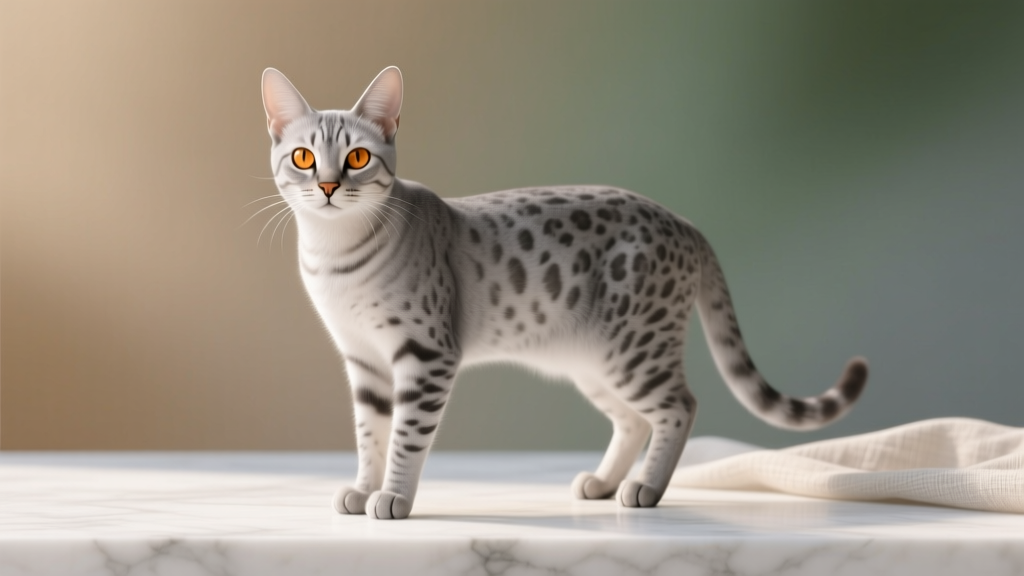
The Serengeti is built to move. Think “sprinter with a dancer’s posture”—lean, long-limbed, and springy. Their silhouette is one of their most distinctive traits, along with their bold spots and expressive ears.
| Feature | What to Expect |
|---|---|
| Size | Medium to large; long and athletic rather than bulky |
| Weight | Often around 8–15 lb (females typically smaller; males often heavier) |
| Body Type | Long legs, sleek frame, high activity build |
| Coat | Short, dense, sleek; low-maintenance feel |
| Colors/Patterns | Spotted tabby patterns are the hallmark; commonly brown/black spotted, silver spotted, and black (including “ghost” spotting that may be visible in certain light) |
| Distinctive Features | Large upright ears, bold spots, confident stance, bright inquisitive expression |
Early generation Serengeti tip: In early lines, the “wild look” may be especially striking—high contrast spotting, very large ears, and a more intense, alert demeanor. That doesn’t mean they’re wild; it means they’re tuned in and ready to interact.
Personality and Temperament Traits
The Serengeti personality is a big part of the appeal. These cats tend to be social, clever, and energetic—often wanting to be involved in whatever you’re doing. Early generation Serengetis can be even more driven and busy, so think of them as “high-output companions” who need engagement.
Common Serengeti traits include:
- High energy: Expect zoomies, vertical leaps, and playful stamina.
- People-focused: Many Serengetis follow their humans and prefer company over solitude.
- Confident curiosity: They investigate new objects fast—and may try to open doors, drawers, or cabinets.
- Chatty tendencies: With Oriental Shorthair influence, some are conversational and expressive.
- Play drive: They often love wand toys, chase games, puzzle feeders, and clicker training.
Early generation cats may be a touch more sensitive to boredom. If they don’t have enough outlets, they can “invent” entertainment—climbing curtains, redecorating countertops, or supervising your 2 a.m. sleep schedule.
Health Considerations and Common Issues
Serengetis are generally considered healthy, especially when bred responsibly with careful screening. Since the breed draws from Bengals and Oriental Shorthairs, it’s smart to be aware of health concerns seen in those lines—even if your individual cat never experiences them.
Potential considerations to discuss with a breeder or vet:
- Progressive retinal atrophy (PRA): Seen in some lines of related breeds; reputable breeders may use genetic testing where applicable.
- Heart health (including HCM): Hypertrophic cardiomyopathy can appear in many cat populations; ask about cardiac screening practices.
- Dental health: Some sleek, refined breeds can be prone to tartar buildup without routine care.
- Digestive sensitivity: High-energy cats sometimes do best with consistent diets and slow transitions.
Early generation Serengeti care note: Stress can show up as tummy upset, overgrooming, or changes in litter box habits. A predictable routine, adequate play, and safe hiding spots can do wonders for overall well-being.
Care Requirements (Grooming, Exercise, Diet)
Grooming
The Serengeti’s short coat is refreshingly easy to maintain, but grooming is still valuable for bonding and skin/coat health.
- Brushing: 1–2 times per week with a soft brush or grooming mitt.
- Nails: Trim every 2–4 weeks (more often if they’re an enthusiastic climber).
- Ears: Those big ears can collect wax; check weekly and clean gently if needed (vet-approved cleanser only).
- Teeth: Ideally brush several times a week; dental treats and water additives can help, but brushing is gold.
Exercise and Enrichment
If you’re bringing home an early generation Serengeti, plan for a cat who treats your house like an adventure course. Daily play isn’t optional—this is how they stay balanced and happy.
Great enrichment options:
- Interactive play: 2–3 sessions daily (10–15 minutes each) with wand toys, feathers, or fast-moving lures.
- Vertical territory: Tall cat trees, wall shelves, and window perches—Serengetis love height.
- Puzzle feeders: Use food motivation to “work the brain” and slow down meals.
- Training: Clicker training for sit, high-five, spin, recall, and leash walking (many Serengetis enjoy it).
- Safe outdoor time: A catio or harness training can be a dream outlet for this athletic breed.
| Enrichment Need | Best Tools | How Often |
|---|---|---|
| Chase & pounce | Wand toys, laser (end with a “catch” toy) | Daily |
| Climb & observe | Cat trees, wall steps, window hammocks | Always available |
| Problem solving | Puzzle feeders, treat balls, snuffle mats | Several times/week |
| Social interaction | Training, lap time on their terms, gentle talk | Daily |
Diet
Serengetis burn energy. A diet that supports lean muscle, coat quality, and steady digestion is a great match—especially for early generation cats that may be extra active.
- High-quality protein: Look for meat-first foods; cats are obligate carnivores.
- Wet food benefits: Helps hydration and can support urinary health.
- Portion control: Athletic doesn’t mean “free-feed forever.” Monitor body condition and adjust.
- Slow transitions: Change foods over 7–10 days to reduce stomach upset.
If your Serengeti acts hungry all the time, try splitting meals into smaller portions or using puzzle feeders. Often they’re craving activity as much as calories.
Compatibility with Families, Children, and Other Pets
Serengetis can be wonderful family cats in the right home—especially households that enjoy an interactive, playful companion rather than a purely decorative cat.
- With children: Typically good with respectful kids who understand gentle handling. These cats enjoy play, but they don’t love being restrained.
- With other cats: Often do well, especially with confident, playful cats. Proper introductions are key.
- With dogs: Many Serengetis can thrive with cat-friendly dogs, especially if introduced slowly and given high perches and escape routes.
- With small pets: Use caution. A strong prey drive can be present, particularly in early generation lines. Secure housing and supervised interactions are a must.
Early generation note: These cats may be bolder and faster than you expect. Make sure your home is “cat-athlete proofed”—secure screens, stable furniture, and safe climbing options.
Pros and Cons of Owning a Serengeti (Especially Early Generation)
| Pros | Cons |
|---|---|
| Striking wild-inspired spotted look without serval ancestry | High energy—needs daily interactive play and enrichment |
| Social, people-oriented, often affectionate | Can become bored and mischievous if under-stimulated |
| Smart and trainable (clicker training, puzzles, leash skills) | Some lines can be chatty and attention-seeking |
| Low-maintenance short coat | May not suit very quiet homes or owners away all day |
| Great fit for active cat lovers who want an interactive companion | Early generation cats may be more intense and require experienced handling |
FAQ: Serengeti Early Generation Cats
Are Serengeti cats hypoallergenic?
No cat is truly hypoallergenic, including the Serengeti. Their short coat may mean less fur around the house, but allergies are usually triggered by proteins in saliva and dander. If you’re allergy-prone, spend time with the breed first and talk with your allergist.
What does “early generation” mean in Serengeti cats?
It generally refers to Serengetis closer to the breed’s foundation crosses (often involving Bengal and Oriental Shorthair). Early generation Serengetis may be extra energetic, intense, and highly interactive compared to later-generation cats.
Do Serengeti cats like to be held?
Many prefer affection on their terms—snuggling next to you, following you around, or leaning in for petting—rather than being carried for long periods. Socialization and gentle handling from kittenhood can increase comfort with being held.
How much exercise does a Serengeti need?
Plan on at least 30–60 minutes of active play daily, split into multiple sessions, plus climbing space and puzzle toys. Early generation Serengetis often need more engagement to stay content.
Are Serengeti cats good with other pets?
They can be, especially with proper introductions and enough space. Many do well with other cats and cat-friendly dogs. With birds, rodents, or reptiles, extreme caution is recommended due to prey drive.
Is a Serengeti a good first cat?
It depends on your lifestyle. If you want a high-interaction, athletic, clever companion and you’re excited to play and train daily, a Serengeti can work. If you need a low-energy, independent cat, this breed may feel like “too much cat” (in the most lovable way).
Warm Wrap-Up
Living with an early generation Serengeti is like sharing your home with a bright, spotted spark of energy—one who wants to climb high, play hard, and then settle close enough to keep tabs on you. Give them the outlets they crave—vertical space, daily play, mental challenges, and steady routines—and you’ll be rewarded with an unforgettable companion who turns ordinary days into little adventures.
If you’re smitten with the Serengeti cat breed and want to compare personalities, care needs, and looks across other amazing cats, you’re always welcome to explore more breed profiles on catloversbase.com.