American Shorthair: Working Cat Heritage
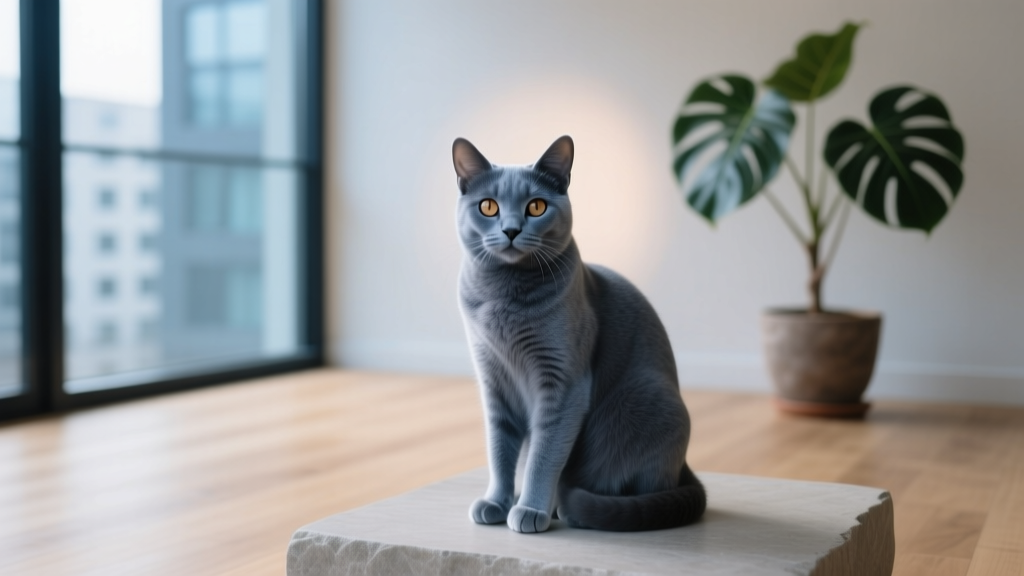
The American Shorthair is one of those breeds that feels instantly familiar—like the “classic” cat you’ve always pictured, only sturdier, healthier, and more intentionally developed than many people realize. Behind that calm, confident expression is a true working-cat legacy: a hardy mouser with a practical coat, strong body, and steady temperament that made it a favorite in homes, barns, and ships.
Today, the American Shorthair cat breed is cherished not just for its good looks (hello, silver tabby!) but for its easygoing nature and family-friendly personality. Whether you’re a seasoned cat enthusiast, researching breeds, or looking for a dependable companion who fits into real life, the American Shorthair offers a wonderful blend of history, beauty, and “just-right” temperament.
If you love cats with a grounded, capable vibe—cats that are playful without being chaotic, affectionate without being clingy—this might be your perfect match.
Breed History and Origin
The American Shorthair’s story is rooted in work. Long before cat shows and pedigrees, shorthaired cats were valued for what they could do: control rodents and protect food supplies. Early European settlers brought cats to North America for that exact purpose, and many historians link the breed’s foundation to cats carried on ships (including those associated with early colonial voyages). These cats weren’t “pets” in the modern sense—they were essential crew members with sharp instincts.
Over generations, those sturdy working cats adapted to their new environment. Natural selection favored cats with robust bodies, strong immune systems, and dense coats that could handle changing seasons. By the late 1800s and early 1900s, fanciers began selectively breeding these cats to preserve their best traits: balanced temperament, good health, and that solid “all-purpose cat” build.
The breed was originally known as the Domestic Shorthair in many registries, which caused confusion with non-pedigreed house cats. To highlight its distinct lineage and careful development, the name American Shorthair became widely adopted. It’s now recognized by major cat associations and remains one of the most popular pedigreed breeds in the United States.
Physical Characteristics
The American Shorthair is the definition of “substantial” without being bulky. This is a medium-to-large cat with a powerful, athletic frame—built for sprinting, pouncing, and (historically) putting rodents on notice.
| Feature | Typical American Shorthair Traits |
|---|---|
| Size | Medium to large; sturdy, well-balanced body |
| Weight | Males often ~11–15+ lbs; females often ~8–12 lbs (varies by build and lines) |
| Coat | Short, dense, and resilient; designed by nature for protection |
| Colors & Patterns | Over 80 combinations recognized; popular: silver tabby, brown tabby, black, white, blue, cream, and more |
| Head & Face | Broad head, full cheeks (especially in adult males), strong jaw |
| Eyes | Large and wide-set; color varies by coat (gold/green common; blue in some whites) |
| Distinctive Look | “Open” expression, muscular body, thick coat, and classic tabby patterning |
Coat Colors and the Famous Silver Tabby
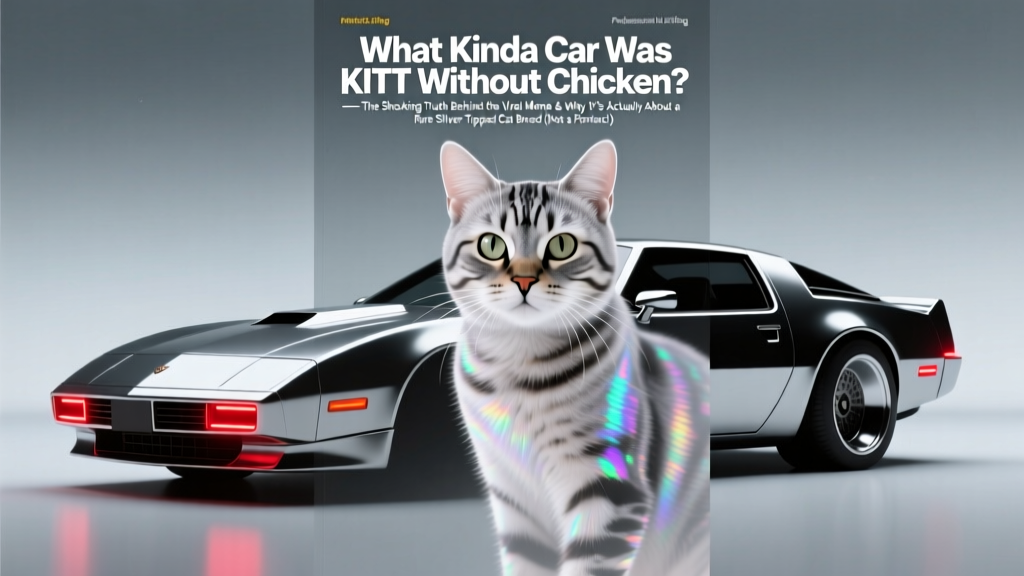
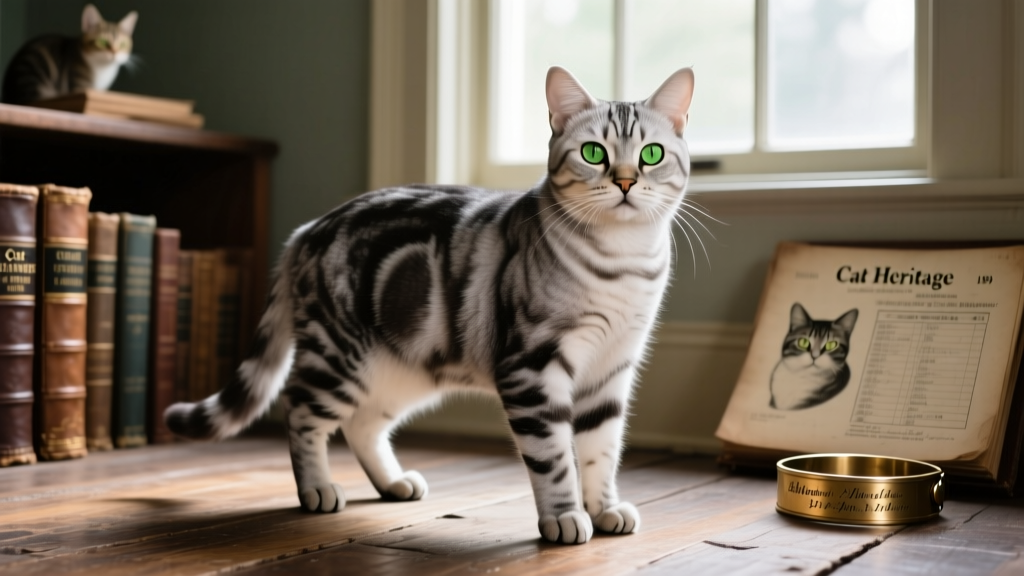
While American Shorthairs come in a wide range of colors, the silver tabby American Shorthair is a true icon: a crisp black tabby pattern over a bright silver background. It’s the look many people picture when they hear the breed name, and for good reason—it’s striking, bold, and very “all-American.”
Personality and Temperament Traits
The American Shorthair temperament is often described as adaptable, even-tempered, and quietly affectionate. These cats like being part of the household’s rhythm—near the action, but not necessarily in the center of it. Many are happy to sit close by, supervise your day, and join in when it’s playtime.
Common personality traits include:
- Friendly but not demanding: They enjoy attention, but usually won’t insist on it 24/7.
- Playful and capable: The working-cat background shows up in their love of chasing, stalking, and “hunting” toys.
- Steady and confident: Many handle new situations better than more sensitive breeds.
- Independent streak: Not aloof—just self-contained and comfortable on their own for reasonable periods.
- Great “house manners”: Often less prone to extreme vocalizing or frantic behavior.
If you want a lap cat, you may get one—some American Shorthairs are total snugglers. Others prefer to be your close companion on the couch rather than draped across your chest. Either way, they tend to show affection in reliable, sweet ways: following you from room to room, greeting you at the door, or settling in nearby with a calm purr.
Health Considerations and Common Issues
The American Shorthair is generally considered a healthy, robust cat breed—thanks in part to its broad genetic foundation and working-cat origins. Still, no breed is completely free of health concerns, and responsible breeding plus regular veterinary care make a real difference.
Potential health considerations seen in the breed can include:
- Hypertrophic cardiomyopathy (HCM): A heart condition that can appear in many cat breeds. Reputable breeders may screen lines and track family history.
- Dental disease: Like most cats, they benefit from dental hygiene and routine vet checks.
- Obesity: Their solid build can hide weight gain. A slightly “round” American Shorthair can become overweight faster than you’d think.
Because American Shorthairs can be such easy keepers, weight management is often the biggest day-to-day health topic. Keeping them lean supports joint comfort, heart health, and overall longevity.
Care Requirements (Grooming, Exercise, Diet)
Grooming
That short coat is wonderfully low-maintenance, but “low-maintenance” doesn’t mean “no-maintenance.” American Shorthairs have dense fur that can shed, especially seasonally.
- Brushing: Once a week is usually plenty; during heavy shedding, bump it up to 2–3 times weekly.
- Nails: Trim every couple of weeks, depending on growth and scratching habits.
- Ears & eyes: Check weekly for debris or irritation.
- Dental care: Tooth brushing (even a few times a week) plus dental treats/VOHC-approved options as advised by your vet.
Exercise and Enrichment
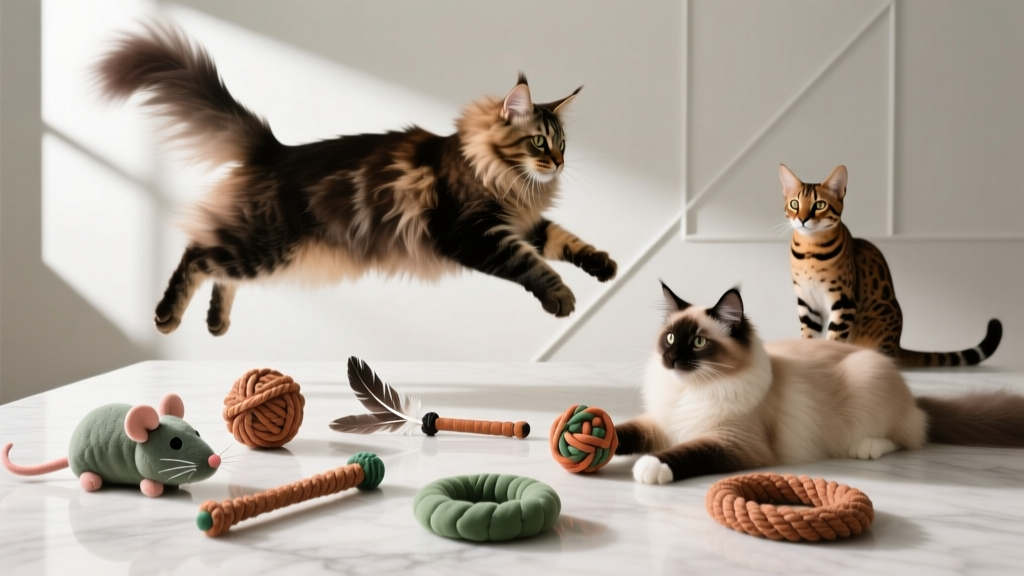
American Shorthair cats aren’t typically hyper, but they do need daily play to stay fit and mentally satisfied. Their hunting instincts are strong—use that to your advantage.
- Interactive play: Wand toys, feather teasers, and “stalk-and-pounce” games for 10–15 minutes, 1–2 times a day.
- Food puzzles: Great for preventing boredom and slowing fast eaters.
- Climbing options: Cat trees, shelves, or window perches for observing their domain.
Diet
A high-quality, balanced diet helps maintain that muscular build without adding extra padding. Portion control matters—especially if your American Shorthair is more “lounger” than “hunter.”
- Protein-forward nutrition: Look for named animal proteins as primary ingredients.
- Measured meals: Free-feeding can lead to slow, sneaky weight gain.
- Wet food benefits: Many cats do well with some wet food for hydration support.
- Fresh water: Consider a fountain if your cat loves running water.
Compatibility with Families, Children, and Other Pets
This is one of the reasons the American Shorthair remains so beloved: they tend to fit smoothly into many kinds of households. Their steady temperament can make them excellent family cats—especially when introductions are handled thoughtfully.
- With children: Often patient and tolerant. Teach kids respectful handling (no chasing, no squeezing, let the cat choose interaction).
- With dogs: Many American Shorthairs do well with cat-friendly dogs after gradual introductions.
- With other cats: Usually compatible, especially when properly introduced and given enough resources (litter boxes, resting spots, feeding stations).
Because they’re confident but not overly intense, they often navigate multi-pet homes with less drama than breeds that are either very high-energy or very sensitive.
Pros and Cons of Owning an American Shorthair
| Pros | Cons |
|---|---|
|
|
FAQ: American Shorthair Cats
Are American Shorthair cats the same as domestic shorthairs?
No. A Domestic Shorthair is a general term for mixed-breed cats with short coats. The American Shorthair is a pedigreed breed with specific standards, carefully developed from early working cats.
Do American Shorthairs shed a lot?
They can shed moderately, especially seasonally, because their coat is dense. Weekly brushing (more during shedding seasons) helps keep fur under control and reduces hairballs.
How big do American Shorthair cats get?
They’re typically medium to large. Adult males commonly range around 11–15+ pounds, and females often range around 8–12 pounds, though individual size varies.
Are American Shorthairs good indoor cats?
Yes. They do very well indoors as long as they get daily play, climbing options, and enrichment like puzzle feeders or window perches. Indoor living also helps protect them from outdoor hazards.
What is the most common American Shorthair color?
The silver tabby is one of the most recognized and popular looks, but the breed comes in a wide range of colors and patterns—far beyond tabby coats.
How long do American Shorthair cats live?
Many live into their mid-teens, and some go longer with good nutrition, weight management, and regular veterinary care. Genetics and lifestyle (especially staying lean) play a big role.
A Classic Companion with True Working-Cat Roots
The American Shorthair is living proof that “practical” can also be beautiful. This breed brings together generations of working-cat toughness with a modern, family-friendly personality—making it a top choice for people who want a steady companion, a playful buddy, and a cat that feels like a natural part of the home.
If you’re drawn to the American Shorthair cat breed for its heritage, its handsome looks, or its easygoing charm, you’re in excellent company. Wishing you many happy purr-filled years ahead—and if you’re curious about other wonderful felines, come explore more breed profiles on catloversbase.com.