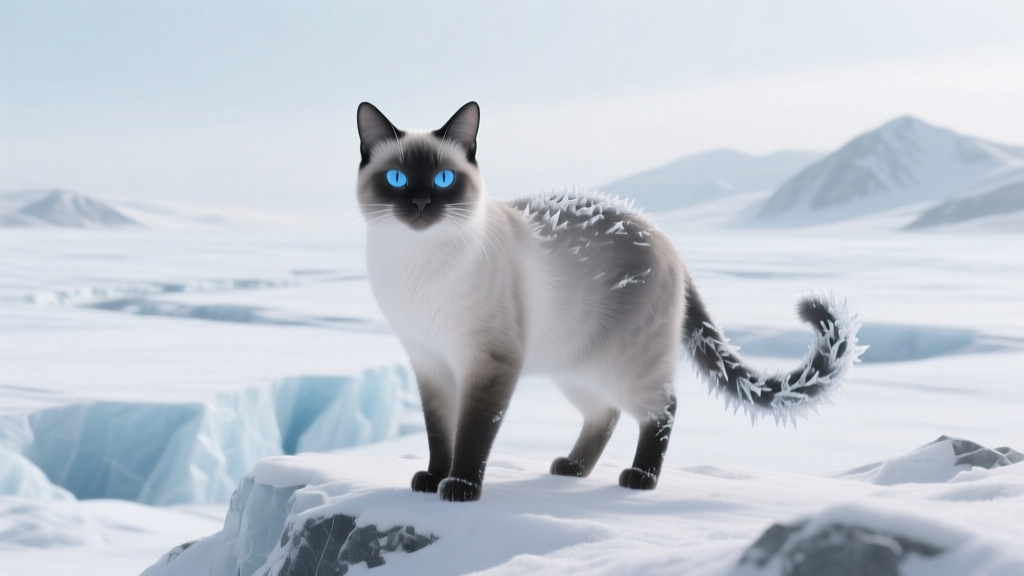
Glacier Cat: Ice-Field Heritage Breed Line
Imagine a cat built for bright snowfields and wind-scoured ridgelines—then place that same cat on your sofa, quietly “helping” you fold laundry with a watchful, gentle gaze. That’s the magic people hope for when they search for a Glacier Cat: a striking, cold-climate look paired with a devoted companion personality.
But here’s the thing cat lovers deserve to know up front: the Glacier Cat is not a formally recognized, standardized breed in major registries like CFA, TICA, or FIFe as of today. You’ll mostly see the name used as a heritage line label (often “Ice-Field Heritage”) for cats selectively bred to resemble rugged northern types—think plush coats, sturdy frames, and calm, observant temperaments—rather than a single globally uniform breed.
This article is written for the curious cat enthusiast who wants real-world clarity: what the “Glacier Cat” label generally means, what traits you’re likely to see, and how to care for a cat coming from these snow-country-inspired lines—plus how to vet breeders and rescues so your future companion is healthy and ethically bred.
Breed History and Origin
The term Glacier Cat (often paired with “Ice-Field Heritage Breed Line”) is most commonly used by small breeding programs to describe a foundation of cold-climate domestic cats developed for:
- Dense, insulating coats with a “winter plush” feel
- Robust, athletic builds suited to climbing and active play
- Steady, people-oriented temperaments without extreme traits
Rather than tracing back to a single documented origin point, “Glacier Cat” lines typically claim inspiration from northern landrace cats (domestic cats shaped by environment rather than show standards). In practice, many of these cats resemble mixes of established cold-weather types such as:
- Siberian influence (triple coat texture, rounder features, affectionate nature)
- Norwegian Forest Cat influence (taller frame, ruff, tufting, climbing instincts)
- Maine Coon influence (size, ear tufts, sociable temperament)
Because “Glacier Cat” is a heritage-line name, the traits can vary depending on the breeder’s goals and which cats were used in the foundation. Some programs focus on a “frosted” silver look; others aim for a blue-eyed, snow-bright aesthetic; and responsible programs emphasize health testing and temperament consistency over a single fashionable coat color.
| What “Glacier Cat” Usually Means | What It Does Not Guarantee |
|---|---|
| Cold-climate look: plush coat, tufting, sturdy build | Recognition by CFA/TICA/FIFe as a standardized breed |
| Purpose-bred line with a “heritage” story | Uniform size, coat length, or personality across all breeders |
| Often selected for calm, companionable temperaments | Hypoallergenic status (no cat is truly hypoallergenic) |
Physical Characteristics
Most Glacier Cats are described as medium-large, with a substantial feel: not necessarily overweight, but solid-boned and powerfully muscled. They tend to mature slowly, reaching full coat and body development closer to age 3–4 in lines influenced by northern breeds.
Size and Weight
| Trait | Typical Range (Heritage Line Averages) |
|---|---|
| Adult weight (females) | 8–13 lb (3.6–5.9 kg) |
| Adult weight (males) | 11–18 lb (5–8.2 kg) |
| Body type | Sturdy, athletic, substantial bone |
| Maturity | Often slow-maturing (up to 3–4 years) |
Coat and Texture
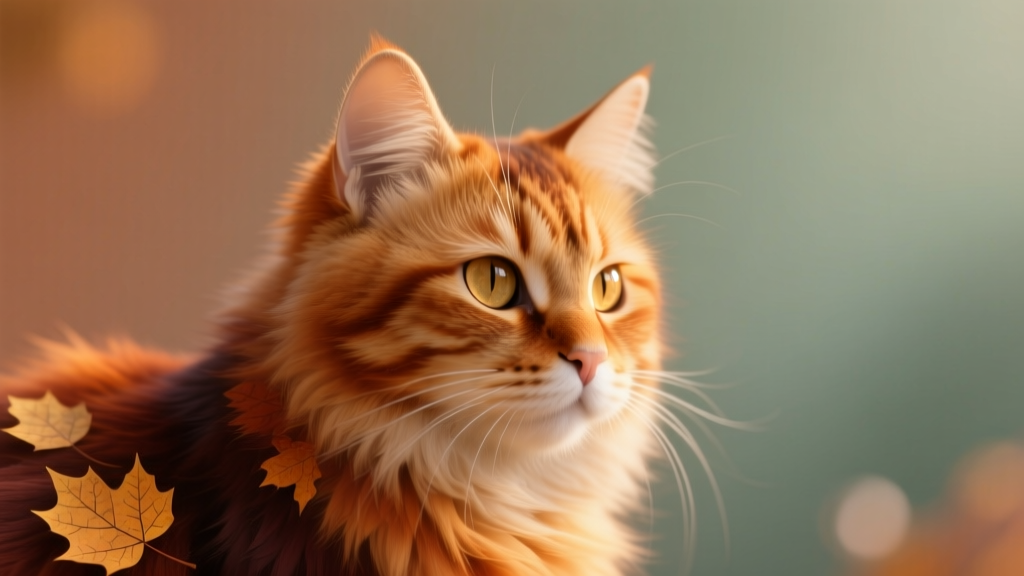
The Glacier Cat’s calling card is the insulating coat. Many lines aim for a double or triple coat impression: a softer undercoat plus longer guard hairs that can feel slightly water-resistant. You may also see:
- Prominent ruff around the neck in winter
- Britches (longer hair on the back legs)
- Toe tufts that give “snowshoe paws” vibes
- Bushy tail used like a scarf during naps
Colors and Patterns
Because the Glacier Cat is a line rather than a registry-locked breed, color variety is wide. Common “ice-field” favorites include:
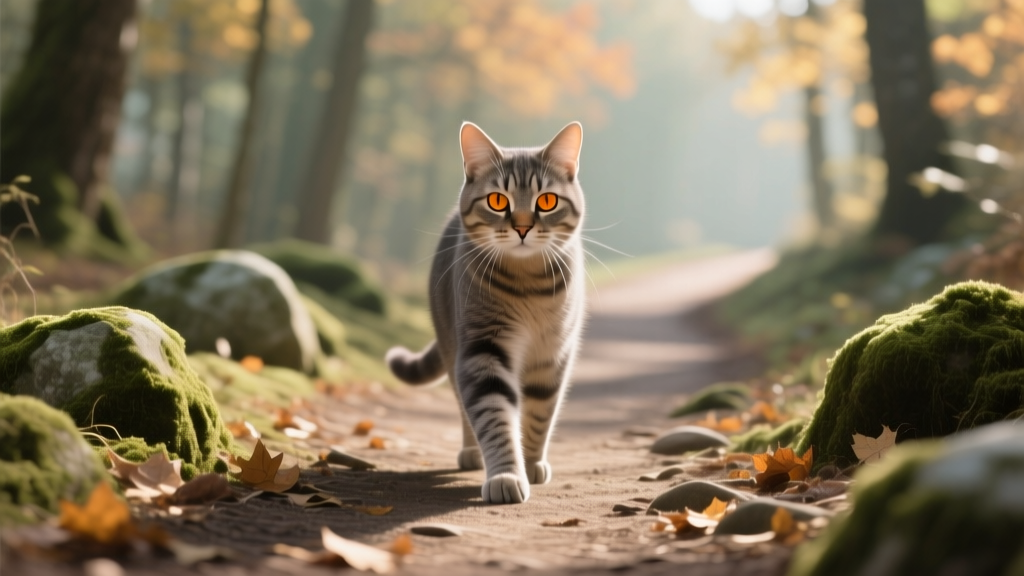
- Silver tabby (often the most “glacier” looking)
- Smoke (dark tips with pale roots, dramatic in motion)
- Blue (dilute gray) and blue tabby
- White or mostly white with colored patches
- Brown tabby (classic wild-northern look)
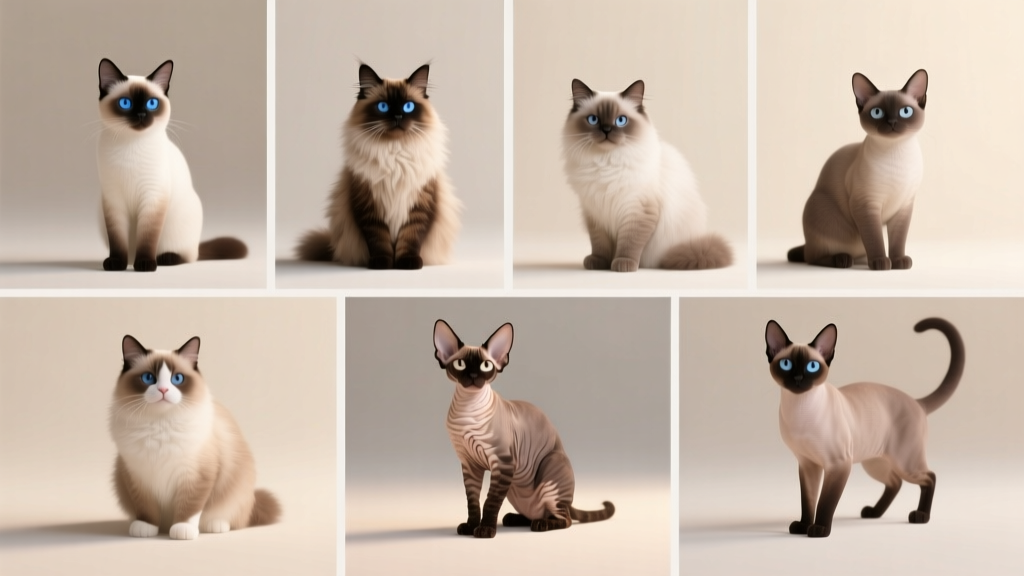
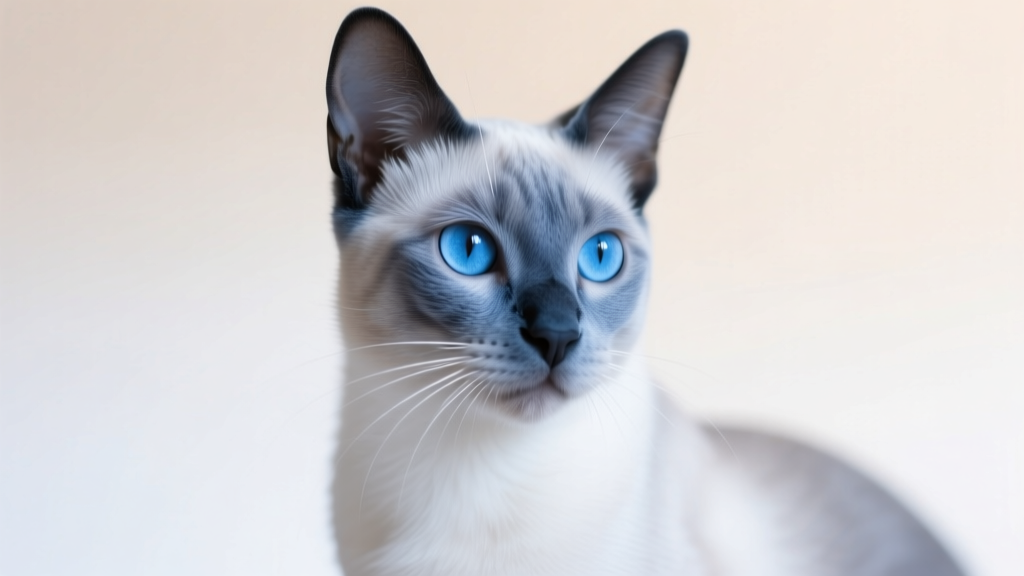
Eye color varies widely as well—greens, golds, and copper are common. Some lines market icy blue eyes, but blue eyes are not universal and may be associated with specific color genetics rather than the “Glacier” label itself.
Distinctive Features
- Ears: medium to large, often with lynx-like tufts
- Face: generally rounded to gently triangular, with a strong muzzle
- Expression: alert, thoughtful, slightly “wildcat” look softened by sweet behavior
- Paws: large, tufted; built for traction and climbing
Personality and Temperament Traits
A well-bred Glacier Cat is usually described as a calm, confident companion—the kind of cat who wants to be near you without needing to be on top of you every second. Many owners report a “quiet loyalty”: they follow you from room to room, supervise daily life, and settle nearby like a warm, furry sentinel.
Typical Glacier Cat temperament traits include:
- Affectionate but not clingy: enjoys petting sessions, then happily naps
- Social intelligence: reads the room; adapts to household rhythms
- Playful athleticism: bursts of energy, climbing, chasing, puzzle toys
- Gentle confidence: less skittish than many high-strung cats when well socialized
- Soft communication: many are not excessively vocal, though chirps and trills can happen
Because “Glacier Cat” lines vary, temperament is strongly shaped by early socialization. Kittens raised with respectful handling, varied sounds, and routine human interaction tend to become the easygoing, family-friendly cats people hope for.
Health Considerations and Common Issues
With heritage lines, health depends heavily on breeder ethics, genetic diversity, and screening practices. Many Glacier Cats are perfectly healthy mixed-line cats, but if northern-breed ancestry is involved, it’s smart to be aware of issues seen in those populations.
Potential Health Concerns
- Hypertrophic cardiomyopathy (HCM): a heart condition seen across many breeds, including some northern types. Responsible breeders screen breeding cats.
- Hip dysplasia: more likely in larger, heavier-bodied cats; maintaining lean muscle helps.
- Dental disease: very common in cats generally—regular dental care matters.
- Obesity: thick-coated cats can “hide” weight gain; use hands-on body checks.
- Hairballs: dense coats plus grooming can mean more hair ingestion.
What to Ask a Breeder or Rescue
- Do you screen for HCM (echocardiogram results or cardiologist reports if available)?
- Any history of hip issues in the line?
- What is the kitten’s vaccination and deworming schedule?
- Do you provide a written health guarantee and return policy?
- How are kittens socialized (handling, children, other pets, household noises)?
Care Requirements (Grooming, Exercise, Diet)
Grooming
That glacier-thick coat is gorgeous—but it needs a little teamwork.
- Brushing: 2–3 times per week is a great baseline; daily during seasonal sheds.
- Tools: a wide-tooth comb plus a slicker brush; be gentle around the ruff and belly.
- Bathing: occasional only, unless your cat gets into trouble; many do fine with spot-cleaning.
- Nails: trim every 2–4 weeks.
- Dental care: brush teeth if possible, or use vet-approved dental options.
Exercise and Enrichment
Most Glacier Cats thrive when their athletic instincts have an outlet. Think “mountain-cat at heart, living room explorer by day.”
- Cat trees and wall shelves: they love vertical territory
- Interactive play: wand toys, toss-and-chase sessions, 10–15 minutes daily
- Puzzle feeders: excellent for mental stimulation and weight management
- Clicker training: many lines are smart and enjoy learning routines
Diet
Feed for lean muscle and coat health. Look for a complete and balanced diet (AAFCO or equivalent standards) with strong animal protein content. Tips that suit many Glacier-type cats:
- Portion control: large frames still need measured meals
- Hydration: consider wet food or a cat water fountain
- Omega-3s: may support skin/coat (ask your vet before adding supplements)
- Hairball support: regular brushing plus vet-approved hairball strategies if needed
Compatibility with Families, Children, and Other Pets
When properly socialized, a Glacier Cat can be a fantastic family companion: sturdy enough to handle a busy home, affectionate enough to bond deeply, and calm enough to avoid constant chaos.
With Children
- Best fit: kids who can learn gentle handling and “let the cat choose” interactions
- Why it works: many Glacier Cats are patient and not easily rattled
- Teach: no tail pulling, no chasing, and provide a quiet retreat space
With Dogs
- Often compatible with calm, cat-savvy dogs
- Use slow introductions and allow vertical escapes (gates, shelves, tall cat trees)
With Other Cats
- Usually social if introduced thoughtfully
- Many do well with a feline buddy, especially if you’re away during the day
Pros and Cons of Owning a Glacier Cat
| Pros | Cons |
|---|---|
| Stunning “ice-field” looks: plush coat, tufting, bushy tail | Not a standardized registry breed; traits vary by line |
| Often calm, affectionate, and people-focused | Heavy shedding seasonally; grooming is a must |
| Smart and trainable; enjoys enrichment | Can become bored without vertical space and play |
| Generally sturdy, athletic companion | Larger cats may face joint/weight issues if overfed |
| Typically good family compatibility with proper socialization | Quality depends heavily on breeder ethics and health screening |
FAQ: Glacier Cat (Ice-Field Heritage Line)
Are Glacier Cats a real, recognized breed?
Most of the time, “Glacier Cat” refers to a heritage line or marketing name rather than a cat breed recognized by major registries. Always ask the breeder what registry (if any) the cats are registered with and what documented lineage or health testing is provided.
Do Glacier Cats shed a lot?
Many do, especially if they have a dense double or triple coat. Expect seasonal coat “blow” and plan on regular brushing—more in spring and fall.
Are Glacier Cats hypoallergenic?
No cat is truly hypoallergenic. Some individuals may produce fewer allergens or trigger fewer symptoms, but it varies by person and cat. If allergies are a concern, spend time with the specific cat before committing.
How big do Glacier Cats get?
Many fall into the medium-large range. Females often land around 8–13 lb, while males may be 11–18 lb, depending on lineage, diet, and overall build.
Do Glacier Cats like being held?
Many enjoy affection and close company, but “being held” varies by individual. A common pattern is: cuddle on their terms, follow you everywhere, and choose lap time when they feel safe and relaxed.
What should I look for if I want a Glacier Cat kitten?
Look for a breeder who prioritizes health testing, provides veterinary records, raises kittens in the home, and happily answers questions. Avoid anyone who won’t show living conditions, won’t discuss genetic health, or pushes trendy traits over wellbeing.
Warm Signoff
The Glacier Cat—especially under the “Ice-Field Heritage” label—captures something cat lovers can’t resist: the romance of a snow-country silhouette with the everyday joy of a loyal house companion. If you’re drawn to the look, focus on what matters most: ethical breeding or rescue practices, solid health support, and a temperament that fits your home. A well-matched Glacier Cat isn’t just beautiful—it's the kind of friend who turns ordinary evenings into cozy rituals.
Curious about other majestic, cold-climate-inspired cats and family-friendly companions? Explore more breed profiles on catloversbase.com.