Yakutian Cat: Arctic Climate Adapted Breed
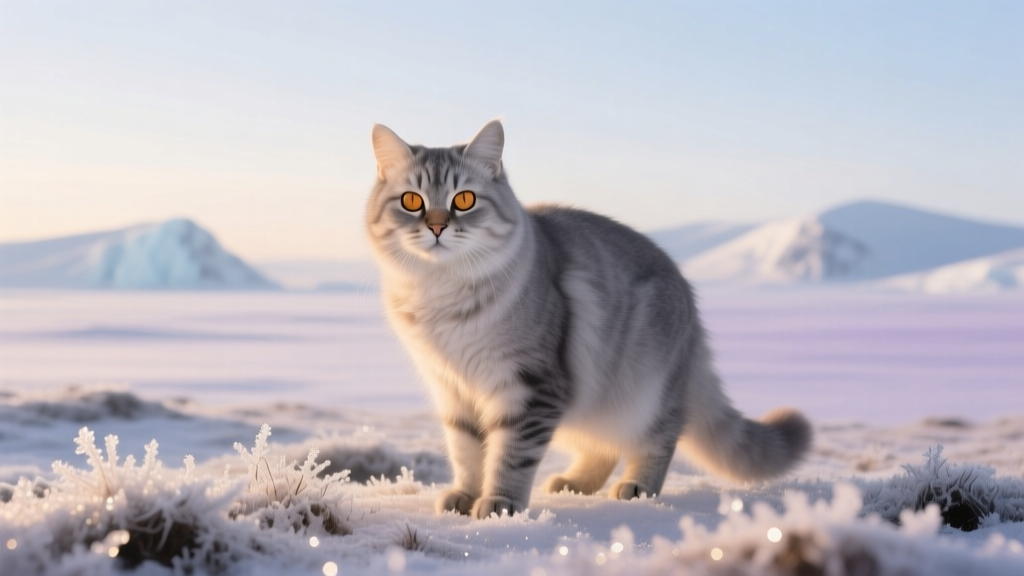
Some cat breeds look like they belong in a snow globe—fluffy, bright-eyed, and perfectly dressed for winter. The Yakutian Cat is one of those rare felines that seems tailor-made for frosty landscapes, with a thick coat, sturdy build, and a heritage rooted in one of the coldest inhabited regions on Earth.
But this isn’t just a “pretty in white” breed. The Yakutian Cat is also known for being affectionate, social, and surprisingly dog-like in its devotion to people. If you love the idea of a cold-weather cat with a warm-heart personality, this Arctic climate adapted breed deserves a closer look.
Below you’ll find everything cat lovers tend to ask—from Yakutian Cat history and temperament to grooming needs and health considerations—so you can decide if this northern sweetheart belongs in your home (and on your couch).
Breed History and Origin
The Yakutian Cat (also called the Yakut or Yakutsk cat) originates from the Sakha Republic (Yakutia) in northeastern Siberia, Russia—an area famous for extreme winter temperatures. Local cats in this region developed natural adaptations to the cold over generations, and the modern breed standard draws from these native, hardy landrace cats.
These cats lived alongside people for centuries, valued not only as companions but also for practical roles such as controlling rodents. They were part of everyday life in remote settlements where resilience mattered. The Yakutian Cat is considered a naturally occurring breed rather than one engineered through heavy outcrossing for a particular look.
In modern times, enthusiasts worked to preserve and standardize the breed so it wouldn’t be lost to random breeding. The Yakutian Cat has gained recognition in some feline organizations (recognition varies by registry and country), and its fanbase continues to grow among people who want a rare breed with authentic roots and a famously plush coat.
Physical Characteristics
The Yakutian Cat is a medium-to-large, athletic cat wrapped in a serious winter coat. This is a breed built for endurance: strong bone structure, substantial paws, and a balanced body that looks capable without being bulky.
| Feature | Typical Yakutian Cat Traits |
|---|---|
| Size | Medium to large; sturdy and muscular |
| Weight | Often around 8–15 lb (3.6–6.8 kg), with males typically larger |
| Coat | Dense double coat; insulating undercoat with a protective topcoat |
| Coat length | Usually semi-long to long; noticeably plush in winter |
| Colors & patterns | Many colors and patterns seen; bicolor and particolor combinations are common; blue eyes can occur, especially with white spotting |
| Eyes | Expressive, often almond-shaped; may be blue, green, gold, or odd-eyed depending on genetics |
| Distinctive features | Thick tail, strong neck, substantial paws, “winter-ready” coat texture |
What makes the Yakutian Cat look so “Arctic”?
- Seasonal coat changes: Many develop a heavier, fuller coat in colder months.
- Dense undercoat: This is where that incredible insulation comes from.
- Powerful build: Not a delicate type—these cats tend to look solid and capable.
- Tail like a plume: Thick and fluffy, often carried with confidence.
Personality and Temperament Traits
If you’re expecting a “mysterious snow cat” who keeps to itself, the Yakutian Cat may surprise you. Many owners describe them as people-oriented, loyal, and eager to be involved in whatever the household is doing. They’re often playful well into adulthood, with a bright, curious energy.
- Affectionate and social: Often prefers being near family members rather than lounging alone all day.
- Playful and engaged: Enjoys interactive play and can become very attached to favorite toys.
- Confident: Typically handles normal household activity better than very sensitive breeds.
- Smart and trainable: Many can learn routines quickly; some enjoy clicker training.
- Talkative range varies: Some are chatty, others communicate more through body language and following you around.
Because the Yakutian Cat tends to bond closely, it often does best in a home where it gets daily attention. If you want a cat who feels like a true companion—one that meets you at the door and “helps” you with chores—this breed can be a wonderful match.
Health Considerations and Common Issues
As a naturally developed breed, the Yakutian Cat is generally considered robust. That said, any purebred or selectively bred population can face health concerns, and responsible breeders focus on minimizing inherited problems through careful pairing and veterinary screening.
Potential health considerations to discuss with a breeder or vet include:
- General hereditary risk management: Ask what lines have been used, what testing is performed, and how kittens are monitored.
- Dental health: Like many cats, they can develop tartar and gum issues without routine care.
- Weight management: Their fluffy coats can hide extra pounds; regular weigh-ins help.
- Heart and kidney screening: While not unique to Yakutians, these are common areas veterinarians keep an eye on in many breeds.
Because Yakutian Cats are relatively rare in many countries, long-term, large-scale health data can be harder to find than it is for very common breeds. Your best protection is choosing a knowledgeable, transparent breeder (or an ethical rescue situation) and keeping up with preventative vet care.
Care Requirements (Grooming, Exercise, Diet)
Grooming a Yakutian Cat’s plush coat
That gorgeous Arctic coat is a big part of the Yakutian Cat’s appeal—and it’s also where your time commitment shows up. The good news: many owners find the coat less prone to matting than some ultra-fine, silky longhair coats, but shedding seasons can be real.
- Brushing: 2–3 times per week for many cats; increase during seasonal shedding (“blowing coat”).
- Tools: A slicker brush plus a wide-tooth comb works well for dense fur; be gentle around the belly and “pants.”
- Bathing: Usually occasional; some cats tolerate baths better if introduced early and calmly.
- Nails and ears: Trim nails every few weeks; check ears weekly for wax or debris.
- Dental care: Brush teeth if possible, or use vet-approved dental treats and routine cleanings.
Exercise and enrichment
The Yakutian Cat often thrives with interactive play and a stimulating environment. This isn’t a “decorate the sofa” breed; it likes to do things.
- Daily play: 15–30 minutes of wand-toy chasing, fetch-style games, or puzzle toys.
- Vertical space: Cat trees, shelves, and window perches help satisfy climbing instincts.
- Brain work: Food puzzles and clicker training can be surprisingly fun with this clever breed.
- Safe outdoor time: If you have the option, a catio or harness training can provide extra enrichment.
Diet and feeding
No special “Arctic” menu is required, but a high-quality, protein-forward diet supports muscle maintenance and coat condition. Choose a complete and balanced food appropriate for your cat’s life stage (kitten, adult, senior).
- Portion control: Measure meals or use a timed feeder if your cat is an enthusiastic eater.
- Hydration: Consider a cat water fountain; many cats drink more from moving water.
- Coat support: Omega-3s (from vet-approved sources) may help coat shine and skin comfort.
- Treats: Keep treats under about 10% of daily calories to avoid sneaky weight gain.
Compatibility with Families, Children, and Other Pets
The Yakutian Cat is often described as family-friendly thanks to its social nature and playful confidence. Of course, individual temperament matters, but many do well in homes with respectful children and even other animals.
- With children: Typically a good match for kids who understand gentle handling and give cats space when they’ve had enough.
- With other cats: Often sociable if introductions are slow and territory is managed (multiple litter boxes, separate resources at first).
- With dogs: Can do well with cat-savvy dogs; early socialization and calm introductions make a big difference.
Because this breed can be quite people-focused, it may be happiest in a home where someone is around for companionship—especially if the cat doesn’t have another friendly pet to interact with during the day.
Pros and Cons of Owning This Breed
| Pros | Cons |
|---|---|
| Beautiful, dense coat and striking “Arctic” look | Regular brushing needed, especially during shedding seasons |
| Social, affectionate temperament in many lines | May get lonely or bored in low-interaction homes |
| Playful, intelligent, often trainable | Needs enrichment; may create its own “fun” if under-stimulated |
| Generally hardy, natural-breed reputation | Rarity can make finding reputable breeders or accurate lineage info harder |
| Can fit well in families and multi-pet homes with proper introductions | Not ideal for someone wanting a very independent, hands-off cat |
FAQ: Yakutian Cat
Are Yakutian Cats hypoallergenic?
No cat breed is truly hypoallergenic. Yakutian Cats have a thick coat, and allergens are primarily linked to proteins in saliva and skin oils (not just fur). Some allergy sufferers may react less to certain individuals, but you should spend time around the breed before committing.
How big does a Yakutian Cat get?
Most Yakutian Cats are medium to large, commonly in the 8–15 lb (3.6–6.8 kg) range, with males often larger. Build matters as much as weight—they’re typically sturdy and muscular.
Do Yakutian Cats like cold weather?
They’re adapted to cold climates with a dense double coat, so they tend to tolerate chilly environments better than many breeds. Still, they should live indoors as family companions, with safe, supervised outdoor access only (like a catio) if you choose.
Do Yakutian Cats shed a lot?
They can shed heavily during seasonal coat changes. Regular brushing helps manage loose fur and reduces hairballs. Many owners notice the biggest “coat blow” during spring and fall.
Are Yakutian Cats good with dogs?
Many can do well with friendly, cat-respectful dogs, especially when introduced slowly. A confident, social Yakutian Cat often adapts well, but always supervise early interactions and provide escape routes (vertical space is perfect).
Is the Yakutian Cat rare?
Yes, the Yakutian Cat is still relatively rare in many parts of the world. If you’re searching for a kitten, take your time verifying breeder ethics, health practices, and proper socialization.
A Warm Goodbye (for Now)
The Yakutian Cat is a snow-country original: resilient, plush-coated, and often delightfully people-centered. If you’re drawn to rare cat breeds with a natural history, a sturdy build, and a playful, affectionate temperament, this Arctic climate adapted breed can be a truly special companion.
Want to keep exploring? Browse more breed profiles and cat-lover guides on catloversbase.com and find the feline that fits your life perfectly.