Echo Cat: Vocal Breed Communication Traits
If you’ve ever wished your cat could “talk” to you a little more clearly—announce dinner time with conviction, comment on your work-from-home schedule, or greet you with a running narration at the door—an “Echo Cat” might sound like a dream come true. In online cat circles, the term Echo Cat has become a popular nickname for cats (and certain lines within well-known breeds) that are famously vocal, responsive, and chatty, often echoing their people with meows, trills, chirps, and conversational yowls.
Here’s the key detail cat lovers deserve upfront: “Echo Cat” is not an officially standardized breed recognized by major registries like CFA or TICA. Instead, it’s best understood as a vocal communication type most strongly associated with breeds that have a long history of living closely with people and using sound as a social tool—especially Siamese-type cats and their relatives, along with other talkative favorites like the Oriental Shorthair, Tonkinese, and some lines of Burmese and Maine Coon.
This guide explores the Echo Cat “breed” as cat owners commonly mean it: a highly communicative, voice-forward companion. You’ll learn where the Echo Cat reputation comes from, what these cats typically look like, how they behave, what health and care needs to expect, and whether life with a four-legged commentator is right for your home.
Breed History and Origin
Because the Echo Cat is a communication-driven label rather than a single registry-defined breed, its “origin story” is really the story of human-cat companionship and selective breeding for social, interactive temperaments.
The strongest historical roots trace to Thailand (formerly Siam), where the ancestors of today’s Siamese cats were treasured for centuries. These cats weren’t just admired for their striking looks; they were known for being deeply people-oriented—and they used their voices to stay connected. As Siamese cats traveled to Europe and North America in the 19th and early 20th centuries, breeders leaned into those traits: strong bonds, big opinions, and a willingness to “speak up.”
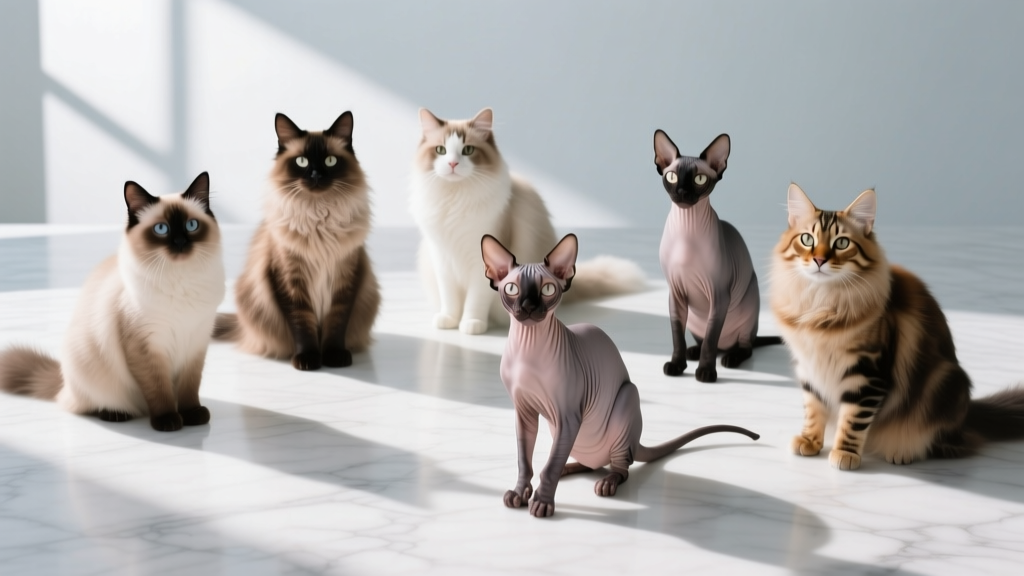
Over time, related breeds developed—each carrying forward that signature “echoing” communication style:
- Oriental Shorthair/Longhair: Siamese-derived, famously chatty and socially intense.
- Tonkinese: A blend of Siamese and Burmese influence, often more moderate in volume but still very conversational.
- Balinese: Longhaired Siamese type, affectionate and talkative.
- Burmese (some lines): Known for people-focus and expressive vocalizations, typically with a softer voice than Siamese.
In modern homes, “Echo Cat” has become shorthand for any cat—purebred or mix—that communicates frequently, follows you from room to room, and seems to answer back as if you’re having a real dialogue.
Physical Characteristics
Echo Cats don’t have one official look, but the “classic Echo Cat” profile usually resembles Siamese/Oriental body types: sleek, athletic, elegant, and expressive—built for movement and social engagement.
| Trait | Common Echo Cat Range |
|---|---|
| Size | Small to medium (some larger in certain lines) |
| Weight | Typically 6–12 lbs (2.7–5.4 kg); males often heavier |
| Body Type | Lean, muscular, long-limbed; agile and springy |
| Coat | Short and sleek (most common), though longhaired “Echo” types exist (Balinese-style) |
| Coat Colors/Patterns | Wide variety: pointed patterns (seal/chocolate/blue/lilac points), solids, tabbies, torties depending on lineage |
| Eyes | Often vivid blue in pointed cats; green or amber in non-pointed lines |
Distinctive features frequently mentioned by Echo Cat owners:
- Large ears (especially in Oriental/Siamese types), giving an alert, “listening” look
- Expressive face and intense eye contact—these cats communicate with their whole body
- Long tail and elegant posture
- Strong facial and vocal expressiveness: the “I have something to say” vibe is real
Personality and Temperament Traits
The heart of the Echo Cat is communication. These cats don’t just meow—they announce, negotiate, greet, protest, and participate. If you’re looking for a quiet, decorative cat who keeps to themselves, this probably isn’t your match. If you want a socially involved companion who makes your home feel alive, welcome to the club.
Common Echo Cat temperament traits include:
- Highly social: Many bond intensely with one or two people and want to be included in everything.
- Conversational: They’ll often “answer” when spoken to, especially if you respond consistently.
- Smart and curious: Puzzle toys, clicker training, and routine changes keep them engaged.
- Emotionally tuned-in: They may vocalize more when you’re stressed, busy, or late.
- Playful and athletic: Expect zoomies, climbing, and toy obsession.
What does “echo” mean in daily life? Many owners describe patterns like:
- Greeting rituals (a full conversation when you wake up or come home)
- Call-and-response meowing (you talk, they talk back, and it escalates)
- Commentary while you cook, shower, type, or try to sleep
- “Where are you?” yowls if they feel shut out of a room
They’re not being “needy” to annoy you—this is social behavior. For an Echo Cat, sound is bonding.
Health Considerations and Common Issues
Health risks vary depending on whether your Echo Cat is a purebred (like Siamese/Oriental/Balinese/Tonkinese) or a mix. Still, talkative breeds do share some tendencies worth researching with a veterinarian and reputable breeder or rescue.
Potential concerns seen more often in Siamese-type and related lines include:
- Dental disease: Crowding or gingivitis can occur; dental care matters.
- Respiratory sensitivity: Some lines may be prone to upper respiratory issues or asthma-like symptoms.
- Gastrointestinal sensitivity: Occasional food intolerance or sensitive stomachs.
- Hereditary conditions in certain pedigrees: Depending on lineage, risks can include heart issues or eye-related concerns. Responsible breeding and screening help reduce these risks.
- Stress-related overgrooming or vocalization: A bored or lonely Echo Cat may “complain” more or develop anxious habits.
Good signs you’re supporting long-term health:
- Annual vet exams (twice yearly for seniors)
- Routine dental cleanings as recommended
- Maintaining a lean, athletic body condition
- Buying from breeders who can discuss health testing and family history, or adopting from rescues that provide medical notes and behavior observations
Care Requirements (Grooming, Exercise, Diet)
Grooming
Most Echo Cats have short coats that are easy to maintain, but they do best with consistent light grooming because they’re so interactive—and many genuinely enjoy the attention.
- Brushing: 1–2 times per week for short coats; 2–4 times weekly for longhaired types
- Nail trims: Every 2–4 weeks
- Ear checks: Weekly quick look; clean as needed with vet-approved products
- Dental care: Tooth brushing is ideal; dental treats can help but don’t replace brushing
Exercise and Enrichment
Echo Cats thrive on action and interaction. Their “talking” often increases when they’re under-stimulated.
- Daily play: 20–40 minutes split into sessions (wand toys, fetch, chase games)
- Vertical space: Cat trees, wall shelves, window perches
- Puzzle feeders: Great for smart, food-motivated talkers
- Training: Many learn sit, high-five, target touch, and leash walking
Diet
Feed for lean muscle and steady energy. Many vocal, active cats do well with a high-quality, protein-forward diet.
- Protein-first foods (named animal proteins as primary ingredients)
- Portion control: Talkative cats can be persuasive—don’t let the “songs of their people” drive overfeeding
- Wet food support: Helps hydration; many owners use a wet + dry mix
- Fresh water access: Fountains often encourage drinking
Compatibility with Families, Children, and Other Pets
Echo Cats are often wonderful family companions because they want to be part of the household rhythm. The best matches are homes that appreciate a cat who interacts like a tiny roommate.
- Families with children: Usually great with respectful kids. These cats enjoy play and attention, but they do best when children are taught gentle handling and “cat consent.”
- Other cats: Many do well with a friendly feline companion—especially if you’re away during the day. Slow introductions help.
- Dogs: Can work beautifully with cat-savvy dogs. Confident, social cats often adapt well.
- Busy households: They may love the activity, but they also need predictable bonding time to avoid “lonely loudness.”
If your household values quiet, or if anyone is highly noise-sensitive, an Echo Cat may be challenging. Their vocal nature is part of who they are.
Pros and Cons of Owning This Breed
| Pros | Cons |
|---|---|
| Deeply affectionate and people-focused | Can be very loud, especially at night or during schedule changes |
| Highly intelligent; fun to train | Needs daily enrichment or boredom-related behaviors can appear |
| “Conversational” companionship—feels like a true bond | May dislike closed doors and alone time |
| Playful, athletic, entertaining | Some lines can be prone to dental or sensitive-stomach issues |
| Often social with other pets when introduced properly | Not ideal for people who want a low-interaction, quiet cat |
FAQ: Echo Cat Vocal Breed Communication Traits
Are Echo Cats a real cat breed?
“Echo Cat” is not an official registry breed name. It’s a popular label for cats—often Siamese/Oriental/Balinese/Tonkinese types or mixes—that are unusually vocal and interactive with people.
Do Echo Cats meow more than other cats?
Many do. Their communication style includes frequent meows, trills, chirps, and “conversations.” They’re also more likely to vocalize when bored, lonely, or trying to direct your attention.
Can you train an Echo Cat to be quieter?
You can reduce excessive vocalization by meeting needs first: predictable playtime, puzzle feeding, companionship, and a routine. Punishment doesn’t help and can increase stress. If the meowing is sudden or intense, a vet check is wise.
Are Echo Cats good for apartments?
They can be, as long as you provide enrichment and you’re mindful of neighbors. Interactive play, climbing space, and keeping them on a consistent schedule can help prevent “boredom opera.”
Why does my Echo Cat yowl at night?
Common reasons include excess energy, attention-seeking, hunger habits, or changes in routine. Older cats may vocalize due to cognitive changes or medical issues. If night yowling is new, schedule a vet visit.
What breeds are most like an Echo Cat?
Look at Siamese, Oriental Shorthair, Balinese, and Tonkinese first. Some Burmese and Maine Coon cats can also be notably chatty, but the classic “echoing conversation” reputation is strongest in Siamese-type breeds.
Conclusion
Living with an Echo Cat means your home will never feel silent—or lonely. These cats bring a special kind of companionship: the sense that you’re truly understood (or at least enthusiastically replied to). If you love an affectionate shadow who follows you, comments on your choices, and bonds through constant interaction, the Echo Cat communication style is pure joy.
If you’re ready for a talkative best friend, prioritize good socialization, proactive health care, and a home routine that includes daily play and connection. Your reward is a cat who doesn’t just live with you—they participate with you.
Want to meet more fascinating feline personalities? Explore more breed profiles on catloversbase.com and find the cat that speaks your language.