Devon Rex Cat Characteristics & Care Guide
Breed Origins and History
The Devon Rex originated in Buckfastleigh, Devon, England, in 1960, when a curly-coated kitten named Kirlee was born to a domestic shorthair queen. Unlike the Cornish Rex (discovered in 1950), Kirlee’s mutation proved genetically distinct—confirmed by geneticist Dr. D. W. G. Pugh in 1976. The breed gained CFA recognition in 1983 and achieved full championship status in 1992 (The International Cat Association, 2021).
Physical Characteristics
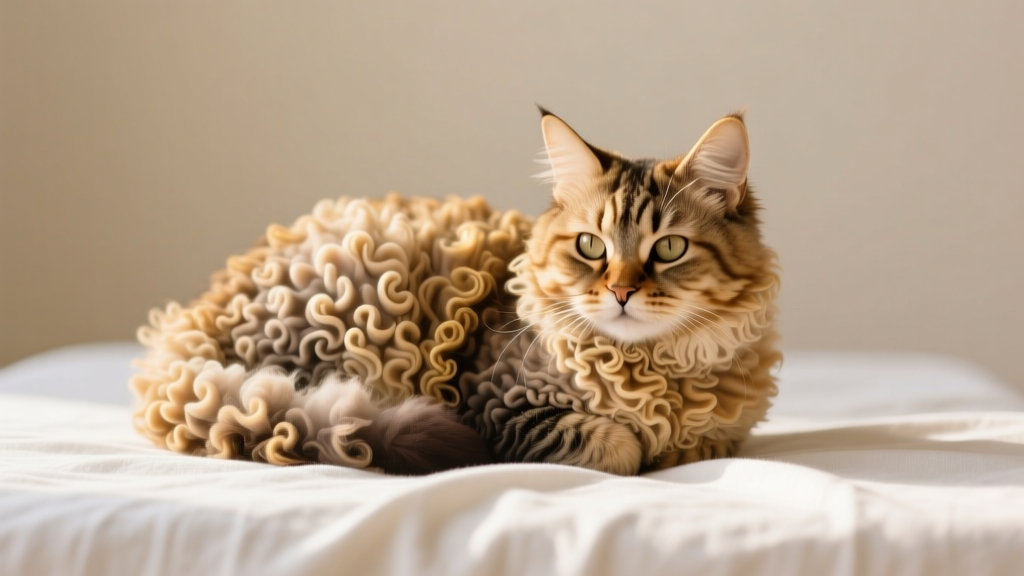
Devon Rex cats are small to medium-sized, typically weighing 5–10 lbs (2.3–4.5 kg) with males averaging 7–10 lbs and females 5–7 lbs. Their most striking feature is a short, wavy coat caused by a recessive autosomal gene (rexx). They have oversized ears, large eyes, and a wedge-shaped head with prominent cheekbones. Their bodies are muscular but slender, and they possess unusually long legs relative to torso length.
Temperament and Behavior
Known for their dog-like devotion, Devon Rex cats form intense bonds with one or two people. They’re highly social, playful into adulthood, and often learn tricks—such as fetching or opening doors. A 2020 University of Helsinki study found Devon Rex scored highest among 12 breeds in human-directed sociability (Lindahl & Mäntyniemi, 2020). They dislike solitude: leaving one alone for >8 hours daily may trigger stress vocalization or destructive behavior.
Grooming and Health Needs
Despite their sparse coat, Devon Rex require weekly ear cleaning (due to wax buildup in large ears) and biweekly bathing to remove sebum—oil that accumulates without fur to absorb it. Use only pH-balanced feline shampoo like Earthbath Hypo-Allergenic Shampoo (product ID: EB-HA-16OZ). Common health concerns include hypertrophic cardiomyopathy (HCM), with ~12% of tested Devons showing mild echocardiographic changes (UC Davis Veterinary Genetics Laboratory, 2022). Annual cardiac screening is recommended.
Choosing a Devon Rex: Real-World Considerations
Scenario 1: Maya, a remote software developer in Portland, works from home and seeks an interactive companion. Her Devon Rex, Noodle, sleeps on her keyboard and greets her at the door daily—ideal for consistent engagement. Scenario 2: David, a teacher with irregular hours and frequent weekend travel, learned after adopting ‘Pip’ that boarding facilities often lack experience with Devon Rex thermoregulation; he now uses a certified cat-sitter trained in low-temperature monitoring. Devon Rex thrive best in stable, warm homes with predictable routines. They are not suited for households with constant loud noise or infrequent interaction.
| Characteristic | Devon Rex | Comparison Breed (Cornish Rex) |
|---|---|---|
| Average Lifespan | 12–15 years | 13–15 years |
| Coat Gene Mutation | rexx allele (chromosome A1) | rex allele (chromosome B2) |
| Adult Weight Range | 5–10 lbs | 6–10 lbs |
| Shedding Level | Very low (but high sebum production) | Very low |
| CFA Recognition Year | 1983 | 1957 |
Devon Rex kittens cost $1,200–$2,500 from reputable breeders—those affiliated with the Devon Rex Club of America (founded 1971) prioritize HCM screening and outcrossing to maintain genetic diversity. Avoid breeders refusing to share parent health records or offering kittens before 12 weeks of age. Early socialization between 3–7 weeks strongly predicts adult adaptability, per ASPCA guidelines (2023).
Because of their thin coat, Devon Rex lose body heat rapidly. Maintain indoor temperatures above 68°F (20°C); provide heated beds like the K&H Thermo-Kitty Heated Bed (model THK-12) during colder months. Never use human heating pads—they pose burn risks.
They respond well to positive reinforcement training. Clicker training sessions of 5 minutes, twice daily, improve confidence and reduce anxiety-related overgrooming—a behavior observed in ~8% of unstimulated Devons (Journal of Feline Medicine and Surgery, 2019).