Pine Cat: Forest-Green Eye Color Lines
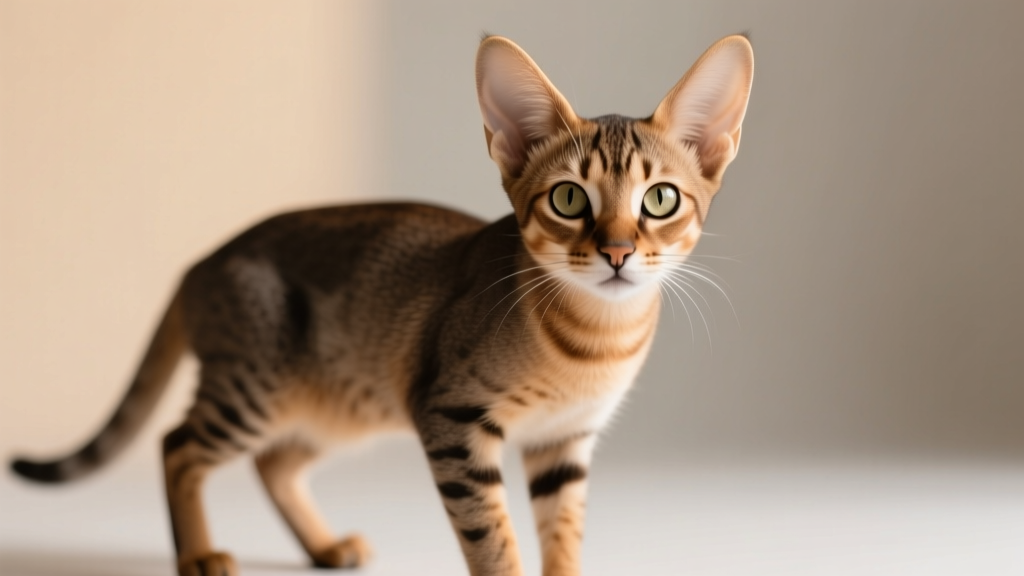
Some cat breeds charm you with fluff, others with size, but every once in a while a “breed” captures hearts because of one unforgettable detail. The Pine Cat is that kind of feline—best known for its mesmerizing forest-green eye color lines and a woodland look that feels like it stepped right out of a mossy trail at sunrise.
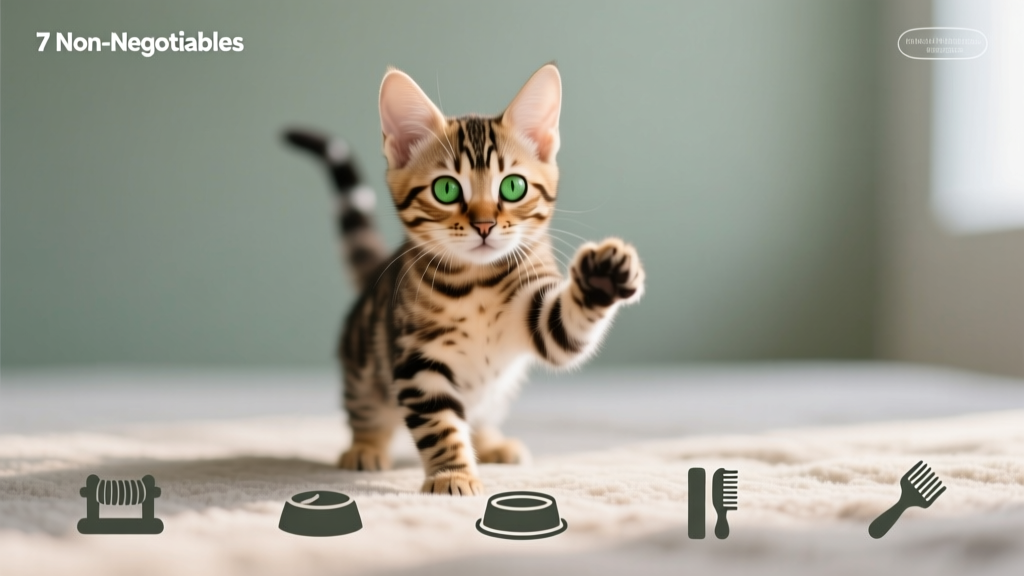
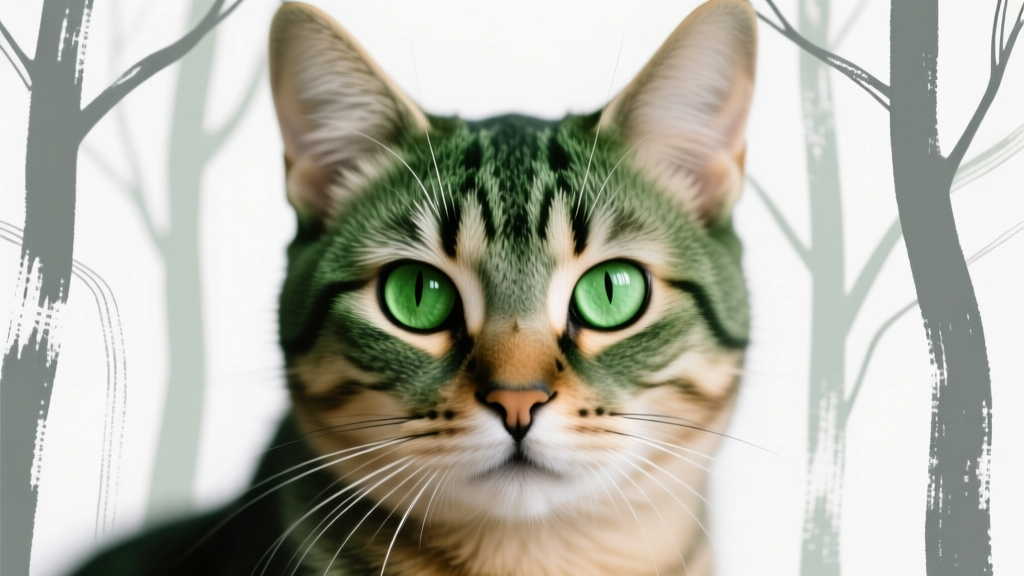
If you’ve seen photos shared under keywords like Pine Cat green eyes or forest-green eyed cat, you already know the appeal: luminous green irises, often ringed with subtle darker “lines” that can look like tiny pine needles radiating outward. Cat lovers adore the aesthetic, and researchers love the genetics puzzle. Potential owners? They just want to know one thing—can a cat that looks this magical be a happy companion at home?
Here’s the honest, cat-loving answer: the Pine Cat is not a formally recognized cat breed by major registries like CFA, TICA, or FIFe. Instead, “Pine Cat” is a popular informal label used for cats (often domestic shorthair or domestic longhair types) selectively bred or chosen for a specific look—especially those intense, pine-forest green eyes with pronounced iris patterning. That doesn’t make them any less wonderful; it just means your best approach is to evaluate each Pine Cat as an individual while understanding the traits and health factors commonly associated with green-eyed lines.
Breed History and Origin
The Pine Cat’s “origin story” is more modern internet folklore than ancient lineage—and that’s part of the fun. The name gained traction in online cat communities and boutique breeders’ circles to describe cats with:
- Deep green eyes (often described as pine, emerald, or moss green)
- Distinct iris striations or “eye color lines” (radial streaking that can appear darker at certain angles)
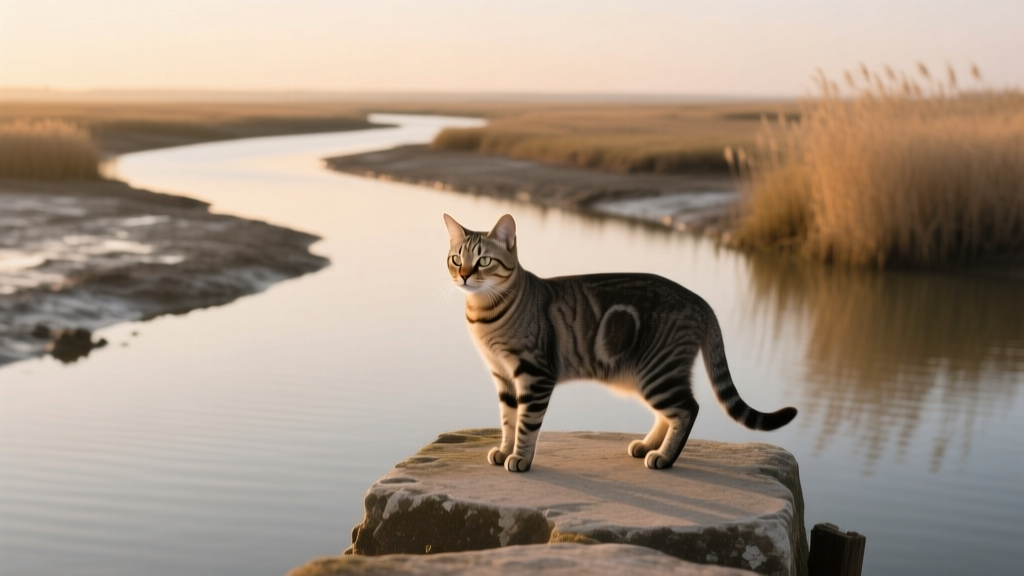
- Nature-inspired coats—tabby, shaded, smoke, or earthy tones that pair beautifully with green eyes
Historically, green eyes appear across many cat populations. You’ll see them in mixed-breed cats worldwide and in established breeds such as Russian Blue (more vivid green in adults), Egyptian Mau (gooseberry green), Oriental Shorthair, and certain lines of British Shorthair. The Pine Cat label typically reflects selective preference rather than a consistent, closed gene pool with a documented foundation stock.
So when someone says “Pine Cat,” think of it like a type—a cat with a specific signature look—rather than a registry-defined breed with guaranteed traits.
Physical Characteristics
Pine Cats vary because they’re most often domestic cats or mixes. Still, there are common themes in the “Pine” look, especially among cats intentionally paired to emphasize green eye color lines.
| Feature | Typical Pine Cat Range |
|---|---|
| Size | Medium (some small-to-medium, some medium-to-large) |
| Weight | 6–12 lb (2.7–5.4 kg), with some males reaching 14 lb (6.3 kg) |
| Coat length | Short to long (most commonly short or plush medium) |
| Coat texture | Soft to dense; often “velvety” or plush in feel |
| Eye color | Green to deep forest-green; some show gold-green shifts in certain light |
| Distinctive trait | Radial iris striations (“forest-green eye color lines”) |
Coat Colors and Patterns
Green eyes can appear with many coat colors, but Pine Cats are often seen in patterns that visually amplify the woodland vibe:
- Brown tabby (classic, mackerel, spotted)
- Black smoke or silver tabby (dramatic contrast with green eyes)
- Blue (gray) coats (green eyes can be striking against cool tones)
- Tortoiseshell or torbie (tabby-tortie blend with lively expression)
- Solid black (green eyes can look almost neon against a dark coat)
What Are “Forest-Green Eye Color Lines”?
Cat eyes often show subtle patterning—tiny streaks, flecks, and rings created by how pigment sits in the iris. In Pine Cats, those features are simply more noticeable:
- Radial striations: thin lines running from pupil outward
- Limbal ring: a darker outer ring framing the iris
- Color layering: gradients from yellow-green near the pupil to deeper green at the edges
These lines don’t indicate illness by themselves. They’re usually normal iris patterning—just especially pretty and photogenic in the right light.
Personality and Temperament Traits
Because Pine Cats aren’t a standardized breed, personality varies widely. That said, cats chosen for breeding programs focused on “Pine” traits are often selected from friendly, confident domestic lines—because no one wants a gorgeous cat who can’t cope with normal home life.
Many Pine Cats are described as:
- People-oriented without being clingy
- Curious and outdoorsy-at-heart (window watching is a serious hobby)
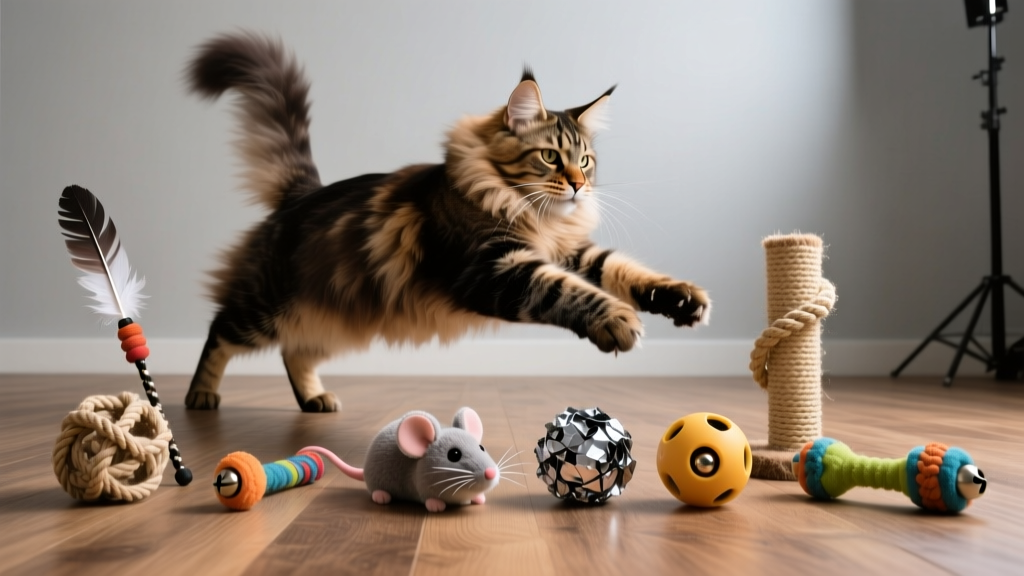
- Playful, especially with wand toys and chase games
- Moderately talkative (some are chatty, others are quietly observant)
- Routine-loving—meals, naps, and “patrol time” on schedule
If you’re looking for a guaranteed personality type (like the ultra-social Siamese vibe), you won’t get that promise with a Pine Cat. The best match comes from meeting the cat, watching its confidence level, and asking about its home history.
Health Considerations and Common Issues
A big advantage of Pine Cats being largely domestic-based is that many benefit from hybrid vigor—a broader gene pool that can reduce the risk of certain inherited conditions seen in tightly bred lines. Still, every cat deserves thoughtful health screening.
Common health considerations include:
- Dental disease (tartar buildup, gingivitis): common in all cats—regular dental care matters
- Obesity: especially in indoor cats without structured play
- Urinary issues: stress-related cystitis or urinary crystals in some cats
- Allergies/skin sensitivities: can show up as itching or overgrooming
- Eye appearance changes: green eyes can shift slightly with age; sudden cloudiness, redness, squinting, or discharge needs a vet visit
When to be extra cautious: If someone is marketing “rare Pine Cat green eyes” at a premium price, ask for veterinary records, vaccination history, parasite prevention, and (if applicable) genetic screening results from the parents. Beautiful eye color should never come at the cost of health.
Care Requirements (Grooming, Exercise, Diet)
Grooming
Grooming needs depend on coat length:
- Short coat: brush 1–2 times weekly to reduce shedding and hairballs
- Medium/long coat: brush 3–5 times weekly; focus on armpits, belly, and behind the ears
Also plan for:
- Nail trims every 2–4 weeks
- Ear checks weekly (wipe only what you can see, gently)
- Dental routine (brushing is ideal; dental treats and water additives can help)
Exercise and Enrichment
Most Pine Cats thrive with a blend of hunting-style play and vertical space. Aim for:
- Two play sessions daily (10–15 minutes each)
- Climbing options: cat tree, wall shelves, sturdy window perch
- Puzzle feeders or treat balls for brain work
- Safe outdoor time: leash training or a catio is perfect for the “woodland soul” vibe
Diet
There’s no Pine Cat-specific diet, but there are Pine Cat-specific goals: lean muscle, a glossy coat, and steady energy.
- Choose a high-quality, meat-forward food (wet, dry, or a balanced combo)
- Prioritize protein and appropriate calories for your cat’s activity level
- Encourage hydration with wet food and/or a water fountain
- Use treats wisely—aim for <10% of daily calories
If your cat has urinary history, ask your vet whether a urinary-support diet is a good fit.
Compatibility with Families, Children, and Other Pets
Pine Cats often do wonderfully in family settings—especially when they’re socialized early and introduced properly. Because temperament varies, the individual cat matters more than the label.
- With children: Usually good with respectful kids who understand “gentle hands” and give the cat space
- With dogs: Often compatible with calm, cat-savvy dogs; slow introductions are key
- With other cats: Many enjoy a feline buddy, especially if matched by energy level
For multi-pet homes, set up the environment for success:
- Provide multiple litter boxes (rule of thumb: number of cats + 1)
- Create escape routes and high perches
- Feed pets separately at first to reduce stress
Pros and Cons of Owning a Pine Cat
| Pros | Cons |
|---|---|
|
|
FAQ: Pine Cat (Forest-Green Eye Color Lines)
1) Is the Pine Cat an official cat breed?
No. “Pine Cat” is an informal term used to describe cats with a certain aesthetic—especially deep green eyes with visible iris striations. Major cat registries don’t list Pine Cat as a standardized breed.
2) Are forest-green eyes rare in cats?
They’re less common than yellow or copper eyes, but not extremely rare—especially in mixed-breed cats. The “forest” depth and the pronounced eye color lines are what make Pine Cats stand out.
3) Do Pine Cat kittens keep their green eye color?
Not always. Many kittens start with blue eyes that shift over time. Final adult color often settles between 3–12 months, and subtle changes can continue as the cat matures.
4) Do the eye color lines mean the cat has an eye problem?
Usually no—iris patterning can be perfectly normal. Contact your vet if you notice sudden changes like cloudiness, redness, squinting, discharge, or one eye looking different from the other.
5) What breeds are most likely to produce Pine Cat-like green eyes?
Green eyes show up in many populations. Russian Blue lines can develop vivid green eyes as adults, and other breeds like Egyptian Mau and Oriental Shorthair may have green eyes too. Many Pine Cats, though, are domestic cats with selectively chosen traits rather than a single breed background.
6) How do I find a Pine Cat responsibly?
Start with reputable rescues (ask about cats with green eyes) or ethical breeders who provide veterinary records, clear care practices, and honest information about lineage. Avoid anyone pushing “rare” claims while refusing health documentation.
Warm Signoff
The Pine Cat may not come with a registry certificate, but it does come with something better: a one-of-a-kind look, plenty of personality potential, and that unforgettable forest-green gaze that makes you pause mid-sentence just to admire it. If you’re drawn to Pine Cat green eyes and those delicate eye color lines, focus on finding a healthy, well-socialized cat—and you’ll end up with a companion that feels like a tiny piece of the forest living right at home.
Want to compare other green-eyed favorites, woodland-looking tabbies, and iconic pedigrees? Explore more breed profiles and cat-care guides on catloversbase.com.