Eclipse Cat: Shadow-Covered Pattern Breed
If you’ve ever wished for a cat that looks like it’s wearing moonlight and shadows at the same time, the Eclipse Cat might sound like a dream come true. With a dramatic, “shadow-covered” coat pattern that seems to drift across the body like dusk rolling in, this breed has captured the imagination of cat lovers who adore cats with striking visuals and an even more memorable presence.
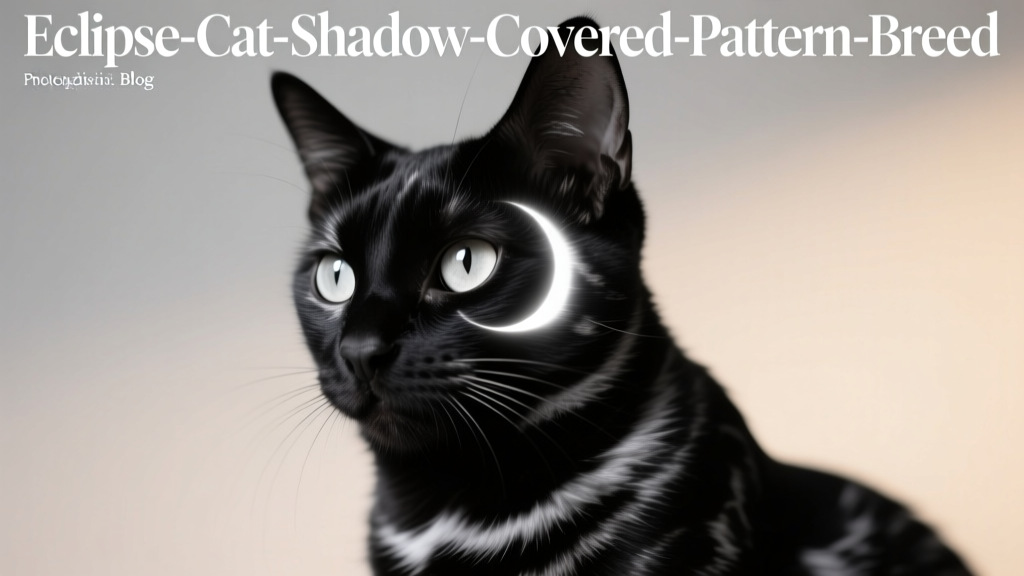
Before we go any further, there’s something you deserve straight talk on: the Eclipse Cat is not a recognized pedigree breed in major registries (like CFA or TICA), and there isn’t a single established, standardized “Eclipse” bloodline with documented origins, show standards, and predictable genetics. Instead, “Eclipse Cat” is most often used by rescues, foster networks, and cat communities as a nickname for cats with a shadowy, partially masked or heavily shaded coat look—typically seen in black smoke, shaded, or high-contrast patterned cats.
That said, the “Eclipse” look is real, beloved, and surprisingly consistent in certain coat types. If you’re researching an Eclipse Cat for adoption or just want to understand what creates that gorgeous shadow-draped appearance, this guide breaks it all down—history, physical traits, temperament tendencies you might see, and the best care tips to keep that moody coat gleaming.
Breed History and Origin
Because the Eclipse Cat is a pattern nickname rather than an officially standardized breed, its “origin story” is more about coat genetics and cat fancy culture than a single cattery’s program. Over time, cat lovers began using poetic labels—like “eclipse,” “phantom,” “smoke,” and “shadow” —to describe cats whose coats appear to shift depending on light and movement.
The Eclipse look most commonly overlaps with these coat effects:
- Smoke coats (often called “black smoke,” “blue smoke,” etc.): solid-colored tips with a pale/silver undercoat that flashes when the cat moves.
- Shaded coats: darker tipping concentrated on the back and sides, with lighter areas beneath.
- Masked/high-contrast patterning: a “cloak” over the back or a face mask that gives a shadow-covered impression.
These coat effects show up in many populations, including domestic shorthairs and longhairs, and also appear in recognized breeds like the Persian, Maine Coon, Norwegian Forest Cat, and British Shorthair (depending on registry color allowances). So when someone says “Eclipse Cat,” they may be describing a cat that visually resembles a smoke or shaded version of one of these breeds—or simply a gorgeous mixed-breed with the same effect.
Physical Characteristics
Since “Eclipse Cat” refers to a look rather than a strict breed standard, physical traits can vary. Still, there are common threads—especially in coat appearance.
| Feature | Typical Eclipse Cat Range | Notes |
|---|---|---|
| Size | Small to large | Most are average-sized domestic cats; some may have larger frames if longhair/forest-cat ancestry is present. |
| Weight | 7–15 lb (3.2–6.8 kg) | Healthy adult range varies by build and sex. |
| Coat length | Short to long | The eclipse effect can appear on any coat length; long coats often show more “smoke swirl.” |
| Coat texture | Silky to plush | Smoke/shaded coats often feel soft and dense. |
| Eye color | Gold, green, copper | Not standardized; contrast with dark coats can be dramatic. |
Coat, Colors, and the “Shadow-Covered” Pattern
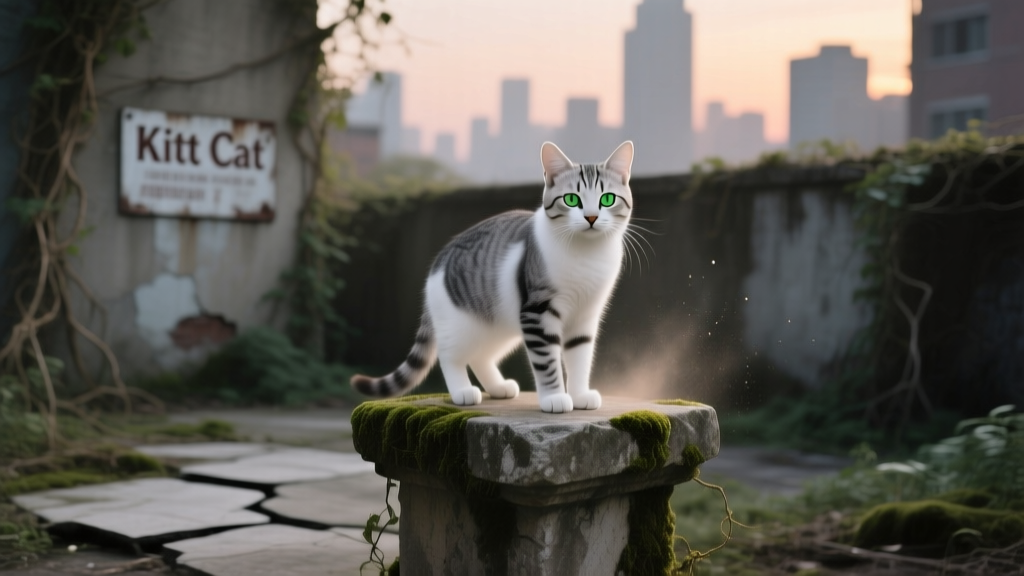
The hallmark of an Eclipse Cat is the illusion of shadow drifting over the coat. You might see:
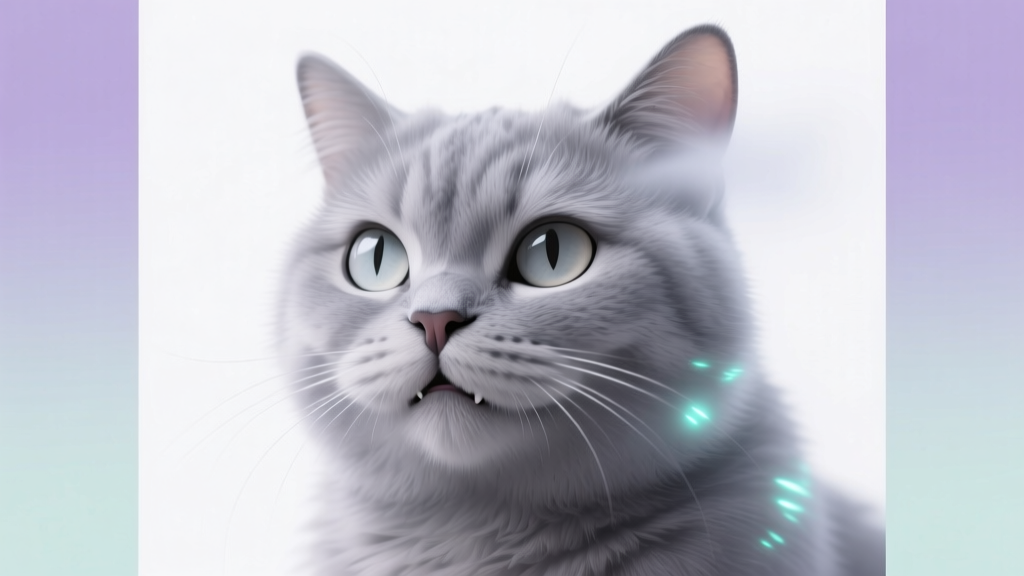
- Black smoke: looks black at rest, then flashes silver/white at the roots when the cat moves or the fur is parted.
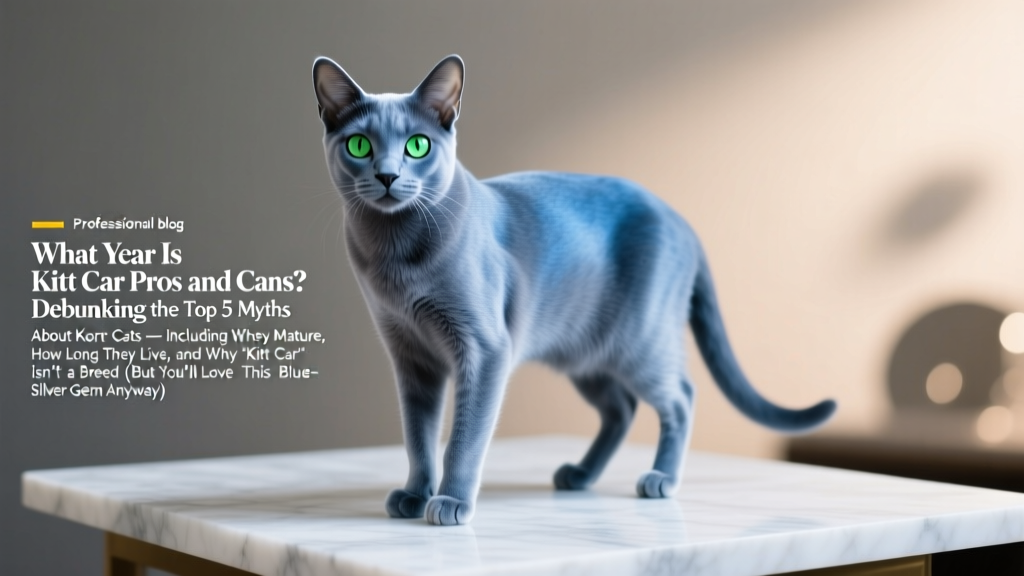
- Blue smoke: a soft gray (“blue”) top layer with pale roots.
- Shaded black or shaded silver: darker tipping across the top of the coat with a lighter underside.
- Shadowed tabby effects: tabby striping that appears and disappears depending on lighting.
Some Eclipse Cats have a naturally dramatic “cape” look—darker across the spine and shoulders with lighter shading on the belly and inner legs. Others look almost solid until they stretch, run, or roll into the sun, where the pale undercoat shows through like moonlight.
Distinctive Features
- Color-shifting impression: the cat can look nearly solid in dim light and vividly silvered in bright light.
- High-contrast ruff and britches (especially in longhairs): lighter undercoat peeks through around the neck and hind legs.
- “Masked” face: some cats have darker facial shading that enhances the eclipse theme.
Personality and Temperament Traits
Because Eclipse Cats aren’t a single registered breed, temperament depends more on individual personality, early socialization, and whether the cat has breed ancestry (for example, a smoke Maine Coon mix may behave differently than a smoke domestic shorthair). Still, adopters often report a few common vibes—likely because many “Eclipse” cats come from affectionate domestic lines and are chosen for their striking look.
Many Eclipse-pattern cats are described as:
- People-focused: they enjoy being near you—on the couch, at your desk, or supervising household chores.
- Playful with a “stalker pounce” style: that shadowy coat suits their stealthy toy ambushes.
- Moderately vocal: often communicative without being nonstop chatty (individual results vary!).
- Confident but observant: they may watch first, then join in once they’ve read the room.
If you’re seeking a predictable temperament, your best bet is to evaluate the specific cat: meet them, ask about foster notes, and observe how they handle touch, play, and new environments.
Health Considerations and Common Issues
An “Eclipse Cat” is frequently a domestic mix, which can be a plus—mixed-breed cats often have good genetic diversity. But health still depends on lineage, lifestyle, and preventative care.
Common health concerns to watch for (not specific to the coat pattern, but common in cats overall):
- Dental disease: tartar buildup and gingivitis are extremely common; routine dental care matters.
- Obesity: indoor cats can gain weight quickly without structured play and measured meals.
- Chronic kidney disease (CKD): risk increases with age; regular senior bloodwork is helpful.
- Urinary issues: stress, low water intake, and diet can contribute to urinary crystals or inflammation.
- Hairballs (especially longhair Eclipse cats): manageable with grooming and diet support.
If your Eclipse Cat appears to have ancestry from a specific pure breed (for example, Persian-type facial structure or large-boned forest-cat features), ask your veterinarian about breed-associated screening. For all cats, prioritize:
- Annual (or twice-yearly for seniors) wellness exams
- Vaccinations tailored to lifestyle
- Parasite prevention as recommended in your region
- Spay/neuter (unless part of an ethical, documented breeding program)
Care Requirements (Grooming, Exercise, Diet)
Grooming
The shadow-covered Eclipse coat can be a showstopper—especially when it’s clean, glossy, and tangle-free. Grooming needs depend heavily on coat length:
- Shorthaired Eclipse Cats: brush 1–2 times per week to remove loose hair and enhance shine.
- Longhaired Eclipse Cats: brush 3–5 times per week (or daily during shedding seasons) to prevent mats and reduce hairballs.
Helpful grooming tools:
- Soft slicker brush (great for longhair coats)
- Stainless steel comb (for checking mats behind ears and under arms)
- Rubber curry brush (excellent for short coats and shine)
Bathing is usually optional, but for smoke and shaded coats, an occasional bath (cat-safe shampoo, thoroughly rinsed) can make the undercoat contrast pop—especially before photos.
Exercise and Enrichment
Eclipse Cats thrive with a mix of hunting-style play and cozy downtime. Aim for two short play sessions per day (10–15 minutes each) using:
- Wand toys for sprint-and-pounce sequences
- Small toss toys for batting and chasing
- Treat puzzles to engage the brain
- Cat trees and wall shelves for vertical exploration
If your Eclipse Cat is confident and curious, leash training can be a wonderful way to add enrichment—start slowly and use a secure harness designed for cats.
Diet
That glossy “shadow sheen” looks best when nutrition is solid. Choose a complete and balanced diet (AAFCO or equivalent standards) and match calories to your cat’s age and activity level.
- Wet food can support hydration and urinary health.
- Measured portions help prevent weight gain—especially for indoor cats.
- High-quality protein supports muscle tone and coat quality.
Fresh water matters. Many cats drink more from a fountain, which can be helpful for cats prone to urinary issues.
Compatibility with Families, Children, and Other Pets
Most Eclipse-pattern cats adapt beautifully to home life, especially when introduced thoughtfully and given safe spaces.
- Families with children: often a great match if kids are taught gentle handling and respect for boundaries. Provide a “no-kid zone” like a tall cat tree or quiet room.
- Dogs: many Eclipse Cats do well with calm, cat-savvy dogs. Use slow introductions and supervised early interactions.
- Other cats: typically fine if introductions are gradual and resources (litter boxes, food stations, resting spots) are plentiful.
As always, the individual cat’s confidence level is key. A shy Eclipse Cat may prefer a quieter household, while a bold one may flourish in a busy family environment.
Pros and Cons of Owning an Eclipse Cat
| Pros | Cons |
|---|---|
| Stunning shadow-covered coat effect that looks different in every light | Not an officially recognized breed, so traits aren’t standardized |
| Often found in rescues and shelters—great opportunity to adopt | Coat maintenance can be moderate to high for longhaired Eclipse cats |
| Typically adaptable and affectionate with good socialization | Some may be more sensitive to stress and need slow introductions |
| Unique “photo magic” coat—perfect for cat lovers who enjoy documenting their pets | Smoke/shaded coats can shed noticeably; regular brushing helps |
FAQ: Eclipse Cat (Shadow-Covered Pattern Breed)
Is the Eclipse Cat an official cat breed?
No. “Eclipse Cat” is commonly used as a descriptive label for cats with a shadowy smoke or shaded appearance rather than a recognized pedigree breed with a registry standard.
What coat pattern creates the Eclipse look?
Most Eclipse Cats have smoke or shaded coat effects—dark fur tipping with a lighter undercoat that becomes visible when the cat moves, parts the fur, or sits in bright light.
Do Eclipse Cats have special grooming needs?
Grooming depends on coat length. Shorthaired Eclipse Cats usually do well with weekly brushing, while longhaired Eclipse Cats often need brushing several times a week to prevent mats and reduce hairballs.
Are Eclipse Cats good with kids and other pets?
Many are, especially when socialized early and introduced properly. Look at the individual cat’s confidence level and provide safe retreats, vertical spaces, and supervised introductions.
How can I tell if my cat is a smoke coat (Eclipse-style)?
Gently part the fur along the back or sides in good light. If the hair shafts are pale near the skin and darker at the tips, your cat may be a smoke. You’ll often see the undercoat “flash” when the cat runs or stretches.
Where can I find an Eclipse Cat?
Because this is a look rather than a formal breed, you’re most likely to find Eclipse Cats through shelters, rescues, foster networks, and local adoption listings. Search terms like “black smoke cat,” “smoke domestic longhair,” or “shaded cat” can help.
A Warm Signoff for Future Eclipse Cat Parents
The Eclipse Cat—whether shorthaired and sleek or longhaired and dramatically smoky—brings a little bit of nighttime magic into everyday life. That shadow-covered coat is the first thing you notice, but it’s the cat behind the pattern that wins you over: the companion who naps nearby, stalks feather toys like a tiny panther, and turns a simple sunbeam into a runway.
If you’re captivated by the Eclipse look, consider meeting a few smoke or shaded cats in person. The right match will feel obvious—equal parts beauty, personality, and that quiet spark that makes you think, “Yep, you’re coming home with me.”
Want to keep exploring? Browse more cat breed profiles and coat-pattern guides at catloversbase.com—your next feline favorite might be just a click away.