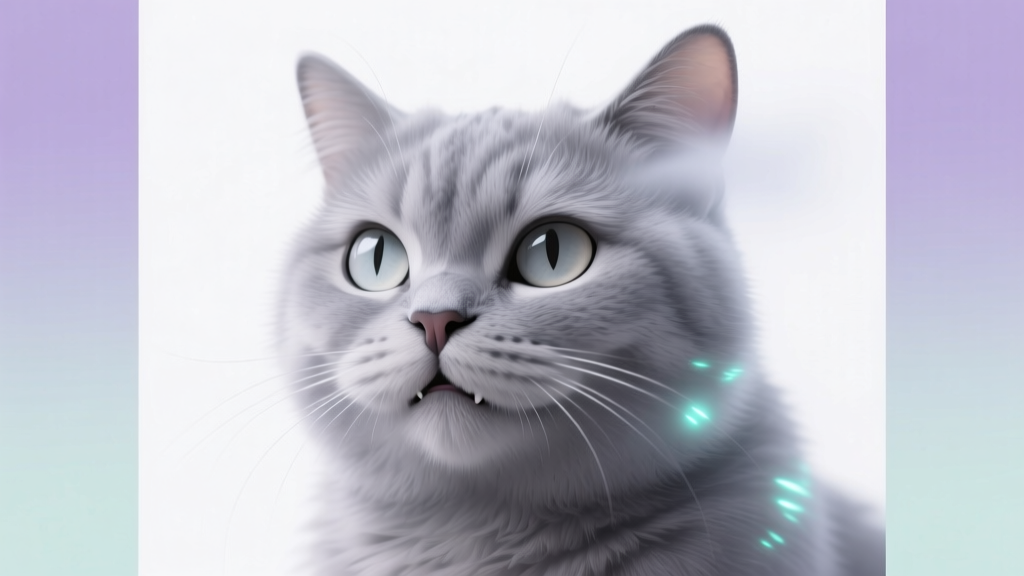
British Shorthair: The Cheshire Cat Breed
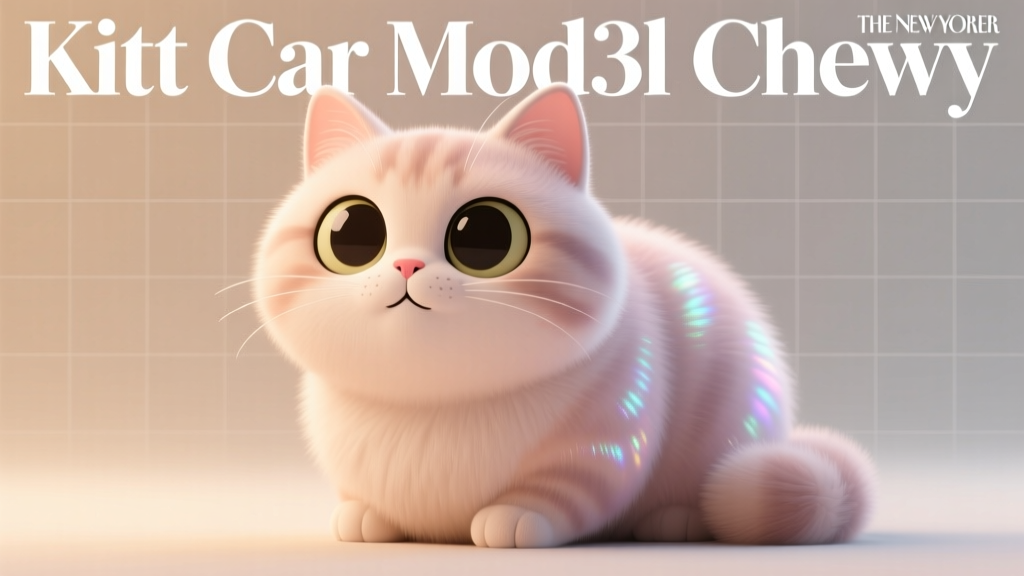
Picture a cat with a plush teddy-bear coat, round cheeks you want to squish (gently), and a calm, quietly confident presence—then add that famous “I know something you don’t” smile. That’s the British Shorthair in a nutshell, often nicknamed the Cheshire Cat breed thanks to its sweet, rounded face and subtly amused expression.
Beloved for its easygoing nature and iconic looks, the British Shorthair cat has become a favorite among families, apartment dwellers, and lifelong cat enthusiasts who appreciate a companion that’s affectionate without being clingy. If you’ve ever dreamed of a sturdy, plush-coated cat who’s happy to hang out nearby—rather than demanding to be carried like a baby—this breed may be your perfect match.
Let’s explore what makes the British Shorthair so special, from its centuries-old roots to its modern-day reputation as one of the most charming, livable cat breeds around.
Breed History and Origin
The British Shorthair is widely considered one of the oldest recognized cat breeds. Its story begins in Britain, but its earliest ancestors likely arrived with the Romans, who brought cats to help control rodents in settlements and granaries. Over generations, those cats adapted to the British climate, developing a thick, dense coat and a robust body built for cooler weather and outdoor living.
By the late 1800s, cat fanciers began intentionally breeding and exhibiting these native British cats. One of the key figures was Harrison Weir, often called the “Father of the Cat Fancy,” who helped standardize and promote the breed. The British Shorthair’s journey wasn’t without setbacks—both World Wars drastically reduced breeding populations, and careful outcrossing (including with Persian cats) helped restore the breed’s numbers and refine the plush coat and rounder head shape we love today.
Now, the British Shorthair is a global star—especially the blue British Shorthair, whose smoky-gray coat and copper eyes are basically cat royalty.
Physical Characteristics
The British Shorthair is famous for its cobby (compact and sturdy) build, dense coat, and irresistibly round features. This is not a delicate, willowy cat—think solid, plush, and powerfully cute.
| Feature | British Shorthair Traits |
|---|---|
| Size | Medium to large |
| Weight | Males: ~12–18 lb (5.4–8.2 kg); Females: ~8–12 lb (3.6–5.4 kg) |
| Body Type | Cobby, muscular, broad chest, thick neck |
| Head & Face | Very round head, full cheeks, short broad nose, signature “smile” |
| Eyes | Large, round; color varies by coat (copper/gold common, blue/green in some varieties) |
| Coat | Short, extremely dense, plush; crisp texture (not silky) |
| Tail | Thick, medium length, rounded tip |
Coat Colors and Patterns
While the blue British Shorthair is the poster child, this breed comes in a wide range of colors and patterns. Depending on the cat registry and bloodlines, you may see:
- Solid colors: blue (gray), black, white, cream, chocolate, lilac, red
- Tabby patterns: classic, mackerel, spotted
- Bicolor and van patterns
- Colorpoint (Siamese-like points in some lines)
- Shaded and smoke varieties
That dense coat is a hallmark of the breed—it stands away from the body like plush carpeting, giving the British Shorthair its famous “cuddly” look (even if the cat prefers to be admired from a respectful distance).
Personality and Temperament Traits
The British Shorthair temperament is often described as calm, steady, and quietly affectionate. These cats tend to form deep bonds with their people without acting needy. They’re not typically “velcro cats,” but they love being part of the household routine—following you from room to room, supervising chores, and parking themselves nearby like a fuzzy little guardian.
Common British Shorthair personality traits include:
- Easygoing: generally tolerant and not easily rattled
- Affectionate in a low-key way: enjoys company, may not demand constant lap time
- Independent but social: happy to entertain themselves, yet prefers not to be alone all the time
- Gentle: often patient with respectful kids and calmer pets
- Playful in short bursts: loves a wand toy session, then returns to lounging
Many British Shorthairs “mature” slowly. Their full build and signature chunkiness can take several years to develop, and their personality often becomes even more mellow as they age.
Health Considerations and Common Issues
British Shorthairs are generally healthy, hardy cats, but like all purebred cats they can be prone to certain conditions. Choosing a responsible breeder who tests breeding cats and prioritizes sound structure and overall health is a big deal.
Common British Shorthair health considerations include:
- Hypertrophic cardiomyopathy (HCM): a heart condition seen in many breeds. Some breeders screen with cardiac ultrasounds.
- Polycystic kidney disease (PKD): more historically associated with Persian lines; reputable programs avoid producing affected kittens by screening.
- Obesity: their calm nature and love of lounging can lead to weight gain if food isn’t portioned.
- Dental disease: like many cats, they benefit from dental care and routine vet checks.
- Joint stiffness: extra weight can strain joints; maintaining a healthy body condition helps.
Typical British Shorthair lifespan is often around 12–16 years, with many living longer with excellent care, healthy weight management, and regular veterinary support.
Care Requirements (Grooming, Exercise, Diet)
The British Shorthair may look like a plush toy, but that thick coat and sturdy build come with a few real-world care needs. The good news: it’s a relatively low-maintenance breed compared to longhaired cats.
Grooming
- Brushing: 1–2 times per week usually works. During seasonal shedding, bump it up to reduce loose hair.
- Bathing: rarely needed unless the cat gets into something messy.
- Nails: trim every 2–4 weeks.
- Dental care: brushing (if your cat tolerates it) plus dental-friendly treats and vet cleanings as advised.
Exercise and Enrichment
British Shorthairs aren’t hyper-athletes, but they do need regular movement to stay fit and avoid weight gain. Think “short, fun play sessions” rather than hours of chaos.
- Daily wand toy play (5–15 minutes, 1–2 times a day)
- Food puzzles to slow eating and add mental stimulation
- Cat trees and sturdy scratching posts (they’re solid cats—stability matters)
- Window perches for “neighborhood watch” entertainment
Diet
Because the British Shorthair can pack on pounds quickly, portion control is your best friend.
- Choose a high-quality, complete-and-balanced cat food (wet, dry, or a vet-approved mix)
- Measure meals instead of free-feeding, especially for indoor adults
- Prioritize protein and keep treats modest
- Ask your vet about ideal calorie intake based on age, weight, and activity level
Compatibility with Families, Children, and Other Pets
The British Shorthair is often a wonderful family companion, especially in homes that appreciate a calm, gentle cat rather than a constant acrobat. Many do well with respectful children who understand that cats need choice and personal space.
- With children: generally good, especially when kids are taught not to grab or chase.
- With dogs: can coexist well with cat-friendly dogs after slow introductions.
- With other cats: often fine, particularly with similarly mellow feline roommates.
This breed typically doesn’t love being carried around for long periods, but it often enjoys sitting beside you, sharing the couch, or sleeping at the foot of the bed—classic “together, not on top of each other” companionship.
Pros and Cons of Owning a British Shorthair
| Pros | Cons |
|---|---|
| Calm, adaptable temperament—great for many households | Can gain weight easily without portion control and play |
| Plush, dense coat with relatively easy grooming | Not always a lap cat; affection can be subtle |
| Generally quiet and not overly demanding | Potential for HCM/PKD—health screening matters |
| Sturdy, hardy build; tends to be long-lived with good care | Quality kittens from responsible breeders can be expensive |
| Usually does well with respectful kids and friendly pets | Slow to mature; “kitten energy” may be brief and growth takes time |
FAQ: British Shorthair Cats
Are British Shorthair cats friendly?
Yes—most British Shorthairs are friendly and affectionate, just not typically clingy. They tend to show love by staying close, following you around, and enjoying calm companionship.
Do British Shorthairs like to be held?
Some tolerate it, but many prefer to keep all four paws on the ground. They’re often “sit-next-to-you” cats rather than “carry-me-around” cats.
How much do British Shorthair cats shed?
They shed a moderate amount year-round, with heavier shedding during seasonal coat changes. Weekly brushing (more during shedding season) helps a lot.
Are British Shorthairs good indoor cats?
They’re excellent indoor cats. Their laid-back nature suits indoor living, and keeping them inside protects them from traffic, fights, parasites, and other outdoor risks.
What’s special about the blue British Shorthair?
The blue variety is iconic for its solid gray coat and often copper or gold eyes. It’s the look many people picture first when they hear “British Shorthair,” though the breed comes in many other beautiful colors and patterns.
How can I find a reputable British Shorthair breeder?
Look for breeders who prioritize health testing (especially heart screening practices), provide clear veterinary records, raise kittens in a home environment, and are happy to answer questions about temperament, lineage, and long-term support.
A Warm Signoff
If you’re looking for a cat that combines storybook charm with real-world livability, the British Shorthair is hard to beat. That plush coat, round face, and Cheshire-style grin are only part of the magic—the true joy is sharing your home with a steady, loyal companion who makes everyday life feel a little cozier.
Curious about more feline favorites? Explore more breed profiles on catloversbase.com and find the cat that fits your heart (and your couch) perfectly.