Arabian Mau: Desert-Adapted Middle Eastern Cat
If you’ve ever wondered what a truly street-smart, sun-loving, athletic cat looks like, meet the Arabian Mau. This naturally occurring Middle Eastern cat breed didn’t get its charm from a designer breeding program—it earned it the old-fashioned way: by thriving for generations in hot, arid climates, bustling cities, and rugged desert edges. The result is a cat that’s alert, fast, affectionate in its own confident way, and famously good at adapting.
Arabian Maus are the kind of cats that make you smile daily. They’re curious without being reckless, social without being clingy (though many love a good snuggle on their terms), and playful well into adulthood. If you want a companion who will follow the action around the house, “talk” back with expressive meows, and sprint like a tiny cheetah across the hallway, this breed is a delight.
For cat lovers researching rare breeds—or potential owners searching for a short-haired cat with real-world resilience—this profile breaks down everything you need to know about the Arabian Mau cat: history, looks, temperament, health, care, and what living with one is really like.
Breed History and Origin
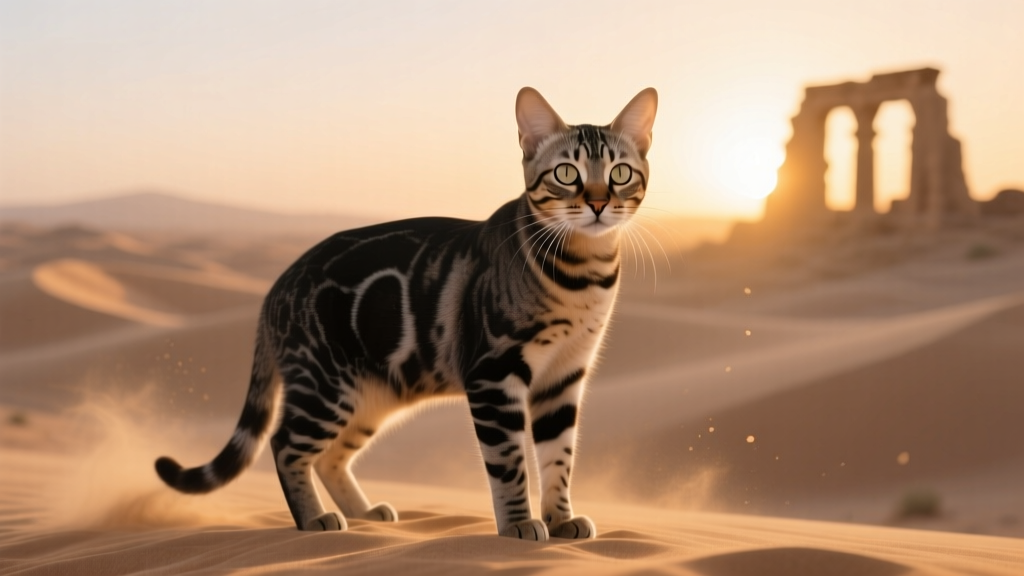
The Arabian Mau is a natural landrace breed from the Arabian Peninsula, especially associated with countries like Saudi Arabia, the United Arab Emirates, Oman, Qatar, Bahrain, and Kuwait. “Mau” simply means “cat” in some ancient languages, but in this context it’s become synonymous with a tough, streetwise, desert-adapted feline.
Unlike many modern breeds developed through selective breeding, Arabian Maus developed through natural selection. Their ancestors lived around human settlements, farms, ports, and city streets, where survival favored cats that could:
- Handle extreme heat and strong sunlight
- Stay athletic and fast for hunting
- Remain alert and confident around people, vehicles, and noise
- Maintain a low-maintenance coat suitable for hot climates
Organized recognition came later. The breed is recognized by the World Cat Federation (WCF), and you may also see it featured in regional cat organizations and shows. While not as widely registered across all global associations as some long-established pedigrees, interest in the Arabian Mau has grown as cat fanciers and rescuers spotlight native Middle Eastern cats and their unique qualities.
Physical Characteristics
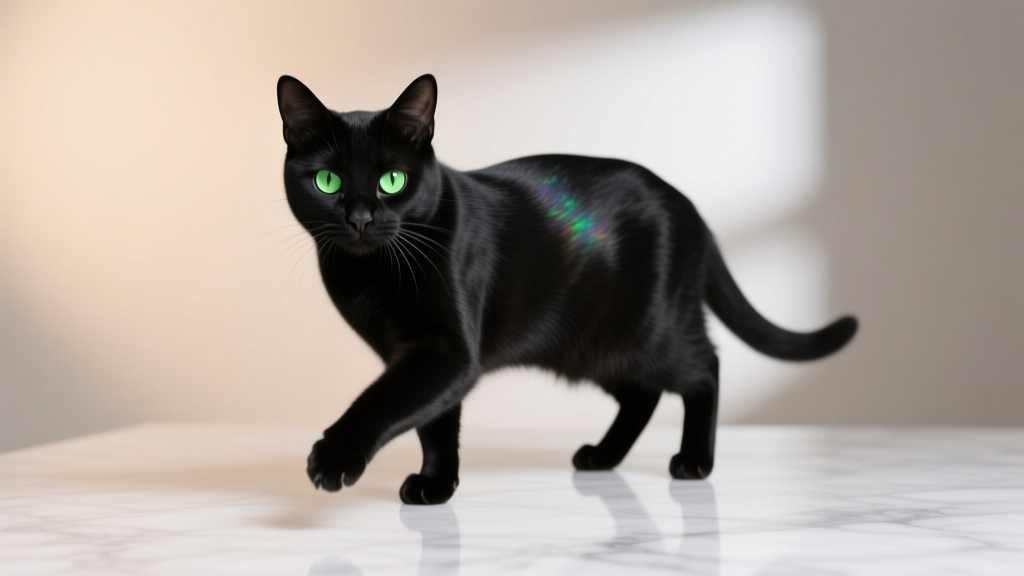
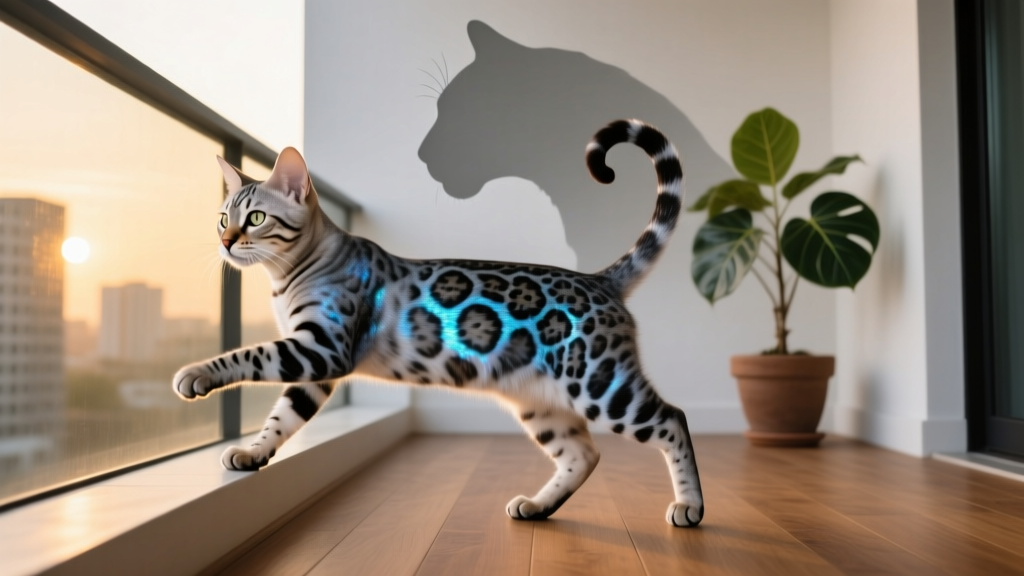
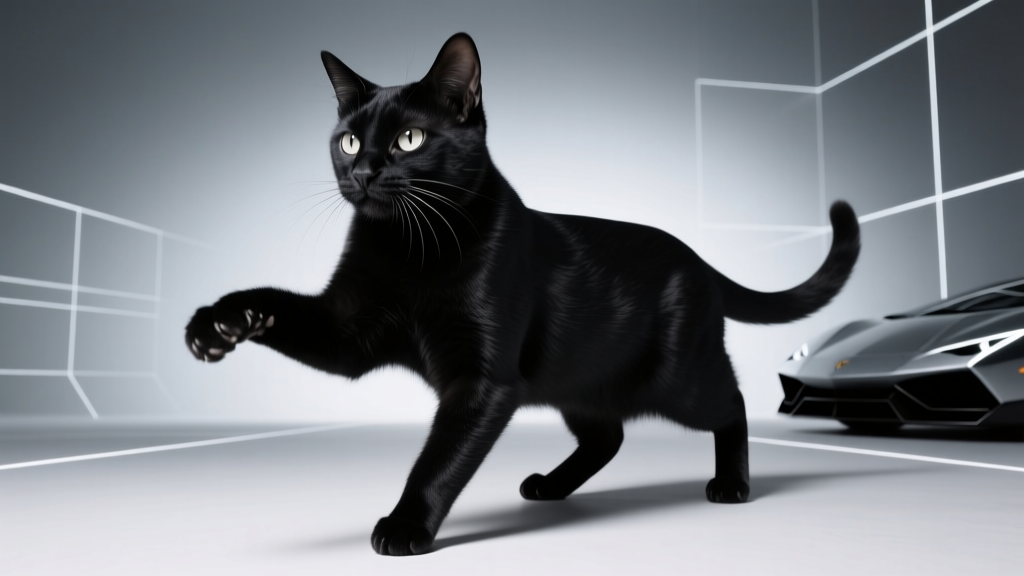
The Arabian Mau is built for action: long legs, a strong body, and a sleek outline that screams “runner.” It’s a medium-sized cat with a muscular, athletic feel rather than a cobby or heavy build.
| Feature | Typical Arabian Mau Traits |
|---|---|
| Size | Medium; athletic and lean-muscled |
| Weight | Females often ~7–10 lb (3–4.5 kg); males often ~9–15 lb (4–7 kg) |
| Coat | Short, close-lying, minimal undercoat; feels smooth and practical |
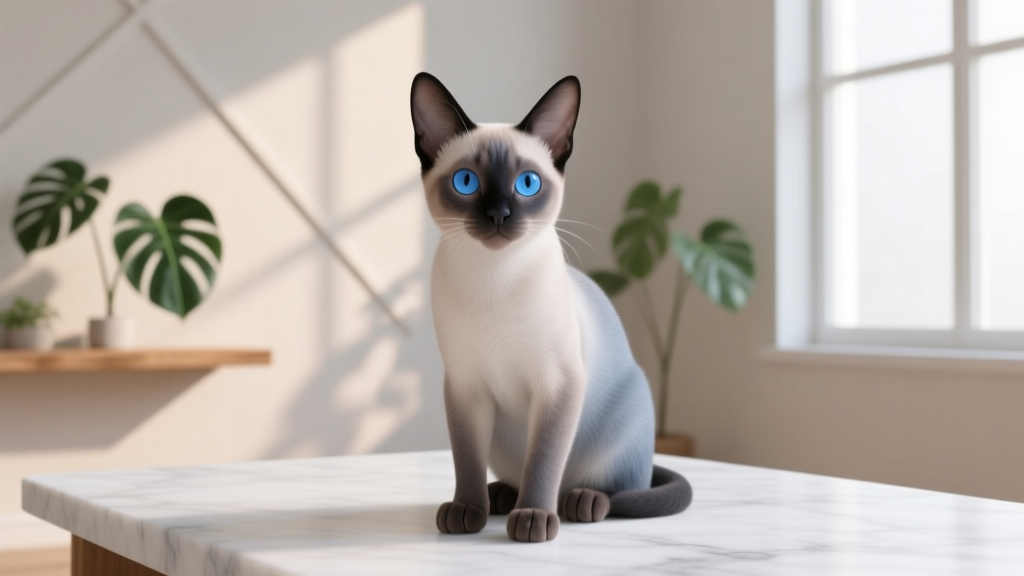
| Colors & patterns | Wide variety seen: solid, bicolor, tabby patterns; many coat colors occur naturally |
| Head | Slightly rounded wedge with balanced features |
| Ears | Large and upright; excellent “radar” look (and function) |
| Eyes | Oval to slightly rounded; expressive; color varies |
| Tail | Medium length, tapering; carried confidently |
Distinctive Features
- Large ears that help with heat dissipation and give the breed an alert expression
- Long legs and springy movement—these cats can jump and accelerate fast
- Short, heat-friendly coat that sheds but generally doesn’t mat
- A “ready for anything” posture: even relaxed, many Arabian Maus look poised to play
Personality and Temperament Traits
If you like interactive cats, the Arabian Mau has your name on it. This breed is often described as friendly, lively, curious, and confident. Many are natural conversationalists, and some will happily announce their opinions about dinner, doors, and daily routines.
Common temperament highlights include:
- Highly active: They love to run, climb, and explore. A bored Arabian Mau will invent its own entertainment.
- People-oriented: Many bond strongly with their family and enjoy being part of the household activity.
- Smart and quick-learning: Puzzle feeders, clicker training, and “find the treat” games are a hit.
- Playful hunters: Expect stalking, pouncing, and energetic bursts—especially at dawn and dusk.
- Independent streak: They’re affectionate, but not typically needy 24/7.
Temperament always varies by individual and early socialization. A well-socialized Arabian Mau raised with gentle handling tends to be outgoing and bold, while a cat with a rough early life may need more time and patience to fully relax.
Health Considerations and Common Issues
Because the Arabian Mau is a naturally developed breed, it’s often considered generally robust. That said, “natural” doesn’t mean “invincible.” Like any cat, they can develop common feline health issues, and your best tools are preventive care and a quality lifestyle.
Health points to keep on your radar:
- Dental disease: Tartar buildup and gingivitis can affect any breed. Routine dental care helps.
- Obesity (if under-exercised): Their athletic build thrives on movement; sedentary living can add weight fast.
- Parasites: Especially for cats that have outdoor exposure or come from street-rescue backgrounds.
- General sensitivities: Some individuals may have food sensitivities or skin irritation—often manageable with diet tweaks.
A reputable breeder or rescue should provide health records when available. Schedule a vet visit soon after adoption for baseline bloodwork, parasite screening, vaccinations, and microchipping.
Care Requirements (Grooming, Exercise, Diet)
Grooming
Arabian Mau grooming is refreshingly simple. Their short coat doesn’t usually tangle, and they tend to keep themselves tidy.
- Brushing: 1x per week is often enough (more during seasonal shedding)
- Nails: Trim every 2–4 weeks
- Ears: Check weekly; clean only if dirty and with vet-approved products
- Teeth: Brush several times per week if possible (even a few times weekly helps)
Exercise and Enrichment
This is where the Arabian Mau shines—and where owners need to keep up. They’re not couch ornaments. Plan for daily play and vertical space.
- Interactive play: 15–30 minutes daily (wand toys, chase games, fetch for some cats)
- Climbing: Cat trees, wall shelves, window perches
- Brain games: Puzzle feeders, treat balls, clicker training
- Safe outdoor time: Enclosed catio or leash training can be fantastic for confident individuals
Diet
Feed the cat in front of you—active cats may need more calories, while indoor-only life can require tighter portion control. A high-quality, protein-forward diet supports their muscular build.
- Choose: Complete and balanced cat food with animal protein as a primary ingredient
- Consider: Wet food for hydration support, especially in warm climates
- Monitor: Body condition score and waistline; adjust portions accordingly
- Fresh water: Many cats drink more from fountains
Compatibility with Families, Children, and Other Pets
The Arabian Mau can be a wonderful family cat when its activity level is respected. They often enjoy being around people and can do well with gentle, cat-savvy kids who understand boundaries (no chasing, no grabbing, no forced hugs).
| Household Type | Typical Fit |
|---|---|
| Adults / singles | Great match if you enjoy active, interactive companionship |
| Families with children | Often excellent with respectful kids; thrives with playtime |
| Other cats | Usually fine with proper introductions; many enjoy feline company |
| Cat-friendly dogs | Can work well if the dog is calm and introductions are gradual |
| Small pets (birds/rodents) | High prey drive possible; secure housing and strict supervision needed |
If you’re considering multi-pet life, slow introductions are everything. Give the Arabian Mau time to map the home, establish safe zones, and gain confidence.
Pros and Cons of Owning This Breed
Every breed has its “perfect for some homes, not for others” traits. Here’s an honest snapshot of Arabian Mau ownership.
Pros
- Active, athletic, and fun—great for people who want a playful companion
- Low-maintenance coat with simple grooming needs
- Confident and adaptable, often settling into new environments well
- Social and engaging without always being velcro-clingy
- Naturally robust overall, with good preventive care
Cons
- Needs daily enrichment; boredom can lead to mischief (or nighttime zoomies)
- Can be vocal, especially in chatty lines or energetic individuals
- Strong prey drive may complicate life with small pets
- May climb everything—you’ll want sturdy cat furniture and a sense of humor
- Breed availability varies; in many regions, they’re uncommon in catteries
FAQ: Arabian Mau Cat Breed
Are Arabian Mau cats rare?
They can be, depending on where you live. The Arabian Mau is more commonly seen in the Middle East and may be less available through breeders in other regions. Some cats labeled “Arabian Mau” outside the region may be similar landrace-type cats, so documentation and reputable sources matter.
Do Arabian Maus shed a lot?
They shed, but their short coat keeps it manageable. Weekly brushing usually handles loose hair, with a bit more grooming during seasonal changes.
Is the Arabian Mau a good indoor cat?
Yes—if you meet their exercise needs. Provide climbing space, daily interactive play, and puzzle toys. Many also enjoy leash walks or a secure catio for safe outdoor enrichment.
How big does an Arabian Mau get?
Most are medium-sized. Females often fall around 7–10 lb (3–4.5 kg), while males commonly range around 9–15 lb (4–7 kg), with athletic muscle rather than bulk.
Are Arabian Mau cats cuddly?
Many are affectionate and people-oriented, but they’re typically active cats first. Expect companionship, follow-you-around behavior, and cuddle sessions that happen between play and patrols.
Do Arabian Maus get along with dogs?
They often can, especially with calm, cat-friendly dogs and careful introductions. Confident cats may adapt quickly, but always prioritize slow, supervised meetings.
Final Thoughts on Living With an Arabian Mau
The Arabian Mau is a wonderful reminder that nature creates extraordinary companions. Desert-adapted, people-savvy, and built for movement, this Middle Eastern cat breed brings energy and personality into every corner of the home. If you’re ready to provide enrichment, playtime, and a little extra vertical real estate, the Arabian Mau will reward you with loyalty, laughter, and that unmistakable spark of a cat who knows exactly who they are.
Wishing you many happy headbutts, high-speed zoomies, and cozy evenings with your feline friend. If you enjoyed this breed spotlight, you’re warmly invited to explore more cat breed profiles on catloversbase.com.