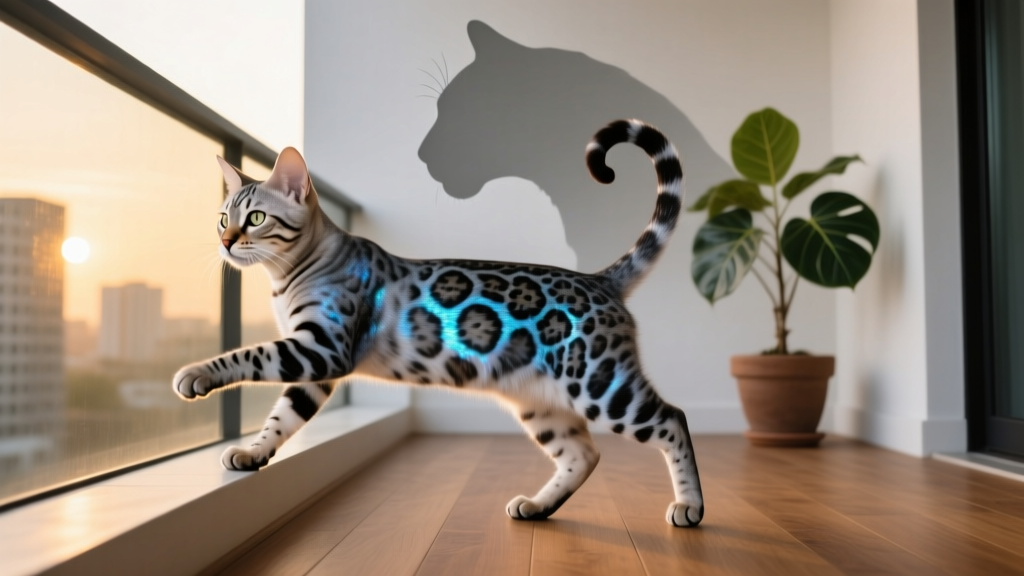
Bengal Cat: Wild Looks, Domestic Heart
If you’ve ever wished you could share your home with a tiny jungle cat—without giving up cuddles, conversation, and couch-time—you’re probably already dreaming of a Bengal cat. With their shimmering, leopard-like coats and athletic build, Bengals look like they stepped straight out of the wild. Then they hop onto your shoulder, chirp for attention, and follow you from room to room like a curious, spotted shadow.
Bengals are one of those breeds that feel almost “too cool to be real.” They’re energetic, smart, expressive, and intensely interactive. The best part? Behind that exotic appearance is a domestic cat that bonds deeply with their people and thrives on everyday life—provided you’re ready to keep up.
This guide covers Bengal cat history, personality, care, health, and family compatibility—everything cat lovers and breed researchers want to know before bringing home this dazzling, busy, big-hearted companion.
Breed History and Origin
The Bengal cat breed has a story as fascinating as its coat. Bengals were developed by crossing domestic cats with the Asian leopard cat (Prionailurus bengalensis), a small wild feline native to parts of Asia. Early efforts aimed to create a cat with a wild look and a friendly, manageable temperament.
In the 1960s and 1970s, breeder Jean Mill played a major role in establishing the Bengal as we know it today. Over time, Bengals were selectively bred back to domestic cats (rather than continuing wild crosses), with a strong focus on temperament, health, and consistency of appearance.
Modern Bengals are considered domestic cats, and reputable breeders typically work with later-generation Bengals (often referred to as SBT—Stud Book Tradition cats), which are generations removed from wild ancestry. These Bengals are bred to be confident companions with the signature “mini leopard” look.
| Term | What It Means |
|---|---|
| F1, F2, F3 (early generation) | Close to Asian leopard cat ancestry; temperament and needs can be more specialized and are not for most homes. |
| SBT Bengal | Typically 4+ generations removed from the wild ancestor; bred as a consistent domestic companion. |
Physical Characteristics
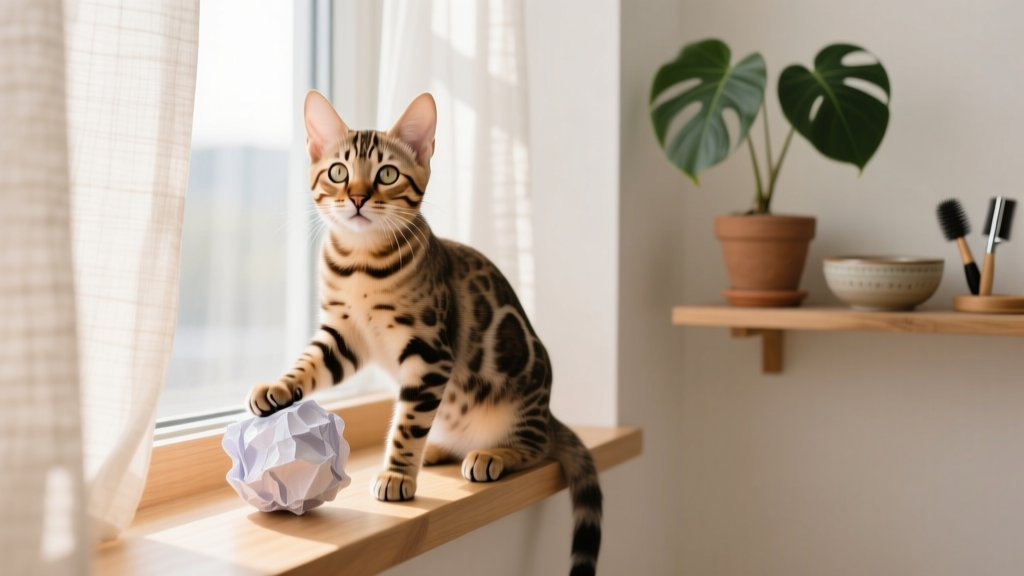
Bengal cats are famous for their exotic appearance, but there’s more to them than a pretty coat. They’re muscular, sleek, and built for movement—think “cat athlete” with a glossy finish.
Size and Weight
- Adult weight: typically 8–15 lbs (some males can be larger)
- Body type: medium to large, long, lean, and very muscular
- Build vibe: powerful hindquarters, strong shoulders, and a confident stance
Coat Type and Texture
- Coat length: short
- Texture: dense, plush, and sleek—often described as “pelt-like”
- Special trait: many Bengals have a noticeable glitter effect, a sparkling sheen that catches the light
Colors, Patterns, and Distinctive Features
Bengal cat colors and patterns are part of the breed’s wow factor. The two main pattern types are:
- Spotted/Rosetted: spots or rosettes (two-toned markings reminiscent of wild cats)
- Marbled: flowing, swirl-like patterns that resemble marble stone
Common Bengal color varieties include:
- Brown (the classic look): warm golden to rich brown with dark markings
- Snow: lighter coats (often cream/ivory) with softer contrast; includes variations commonly called lynx, mink, and sepia
- Silver: cool, pale base coat with crisp dark markings
- Charcoal: dramatic “mask” and darker cape-like shading
| Feature | Typical Bengal Look |
|---|---|
| Eyes | Large, expressive; color varies by coat type (often green, gold, or blue in some snow Bengals) |
| Ears | Medium, rounded tips; alert, forward-facing |
| Tail | Thick, medium length, usually with a dark tip |
| Movement | Confident, fluid, athletic—built for climbing and sprinting |
Personality and Temperament Traits
Bengal personality is often described as bold, playful, and intensely people-oriented. They’re not typically “decorative” cats who nap quietly all day. Bengals want involvement. They want engagement. And if they don’t get it, they’ll invent their own activities—sometimes on your counters.
- High energy: Bengals love to run, leap, climb, and chase. Daily play isn’t optional; it’s happiness insurance.
- Very intelligent: Many learn tricks, open doors, and figure out puzzle toys quickly. Some can even learn to walk on a harness.
- Social and interactive: They often follow their humans around and “talk back” with chirps and trills.
- Confident and curious: Bengals tend to be brave explorers, which is adorable—until you realize they can reach the top of the fridge.
- Affectionate (in their own style): Many Bengals love closeness, but some prefer interactive affection over long, still cuddles.
One quirky trait Bengal owners love (or learn to manage): many Bengals are fascinated by water. Some will paw at faucets, hop into tubs, or “help” you in the shower. Not every Bengal is a water fan, but it’s common enough to be part of their legend.
Health Considerations and Common Issues
Bengal cats are generally robust, but like all purebred cats, they can be predisposed to certain genetic or breed-associated conditions. Choosing an ethical breeder who performs appropriate health testing—and keeping up with regular veterinary care—goes a long way.
Common Bengal cat health concerns may include:
- Hypertrophic cardiomyopathy (HCM): a heart condition seen in multiple breeds; responsible breeders may screen breeding cats.
- Progressive retinal atrophy (PRA): an inherited eye condition that can lead to vision loss; genetic testing is available.
- Patellar luxation: kneecap instability that can range from mild to more serious.
- Digestive sensitivity: some Bengals have sensitive stomachs and may do best with consistent diets and careful transitions.
- Dental disease: like many cats, Bengals benefit from dental hygiene habits and routine cleanings as recommended by your vet.
Ask breeders for documentation of health testing (such as genetic screening and any heart evaluation protocols they follow). For owners, the basics matter: regular checkups, parasite prevention, and prompt attention to any changes in appetite, breathing, energy, or litter box habits.
Care Requirements (Grooming, Exercise, Diet)
Grooming
Good news: Bengal grooming is usually simple. Their short, dense coat doesn’t mat easily and often feels silky to the touch.
- Brushing: once a week is typically enough (more during seasonal shedding)
- Nails: trim every 2–4 weeks, depending on activity and scratching habits
- Ears: check weekly; clean only if your vet recommends it
- Teeth: brushing is ideal; dental treats and vet cleanings help too
Exercise and Enrichment
If you’re researching whether a Bengal cat is right for you, focus here. Bengals thrive in homes that treat play like a daily ritual.
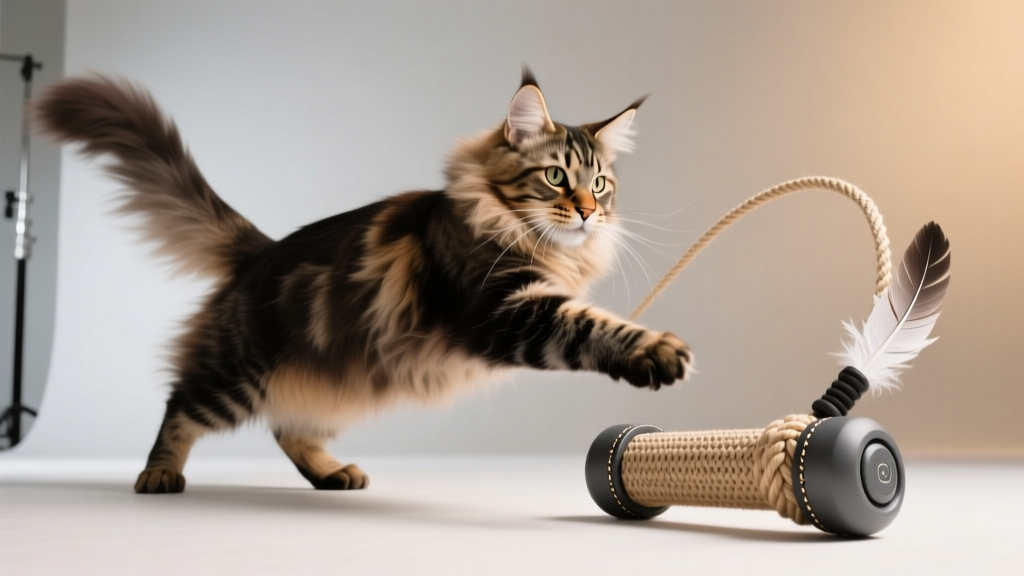
- Interactive play: wand toys, feather chasers, and “prey-style” games 15–30 minutes daily (often more)
- Climbing space: tall cat trees, wall shelves, or window perches
- Puzzle toys: food puzzles and treat dispensers for mental stimulation
- Training: clicker training, fetch, sit, spin, or harness walks—many Bengals adore learning
A bored Bengal is a creative Bengal. Channel that big brain and big energy into healthy outlets and you’ll see their best personality shine.
Diet
Bengals do well on a high-quality, protein-forward diet appropriate for their life stage (kitten, adult, senior). Because they’re active, they may need a bit more caloric support than a low-energy lap cat—but portion control still matters to prevent unwanted weight gain.
- Choose quality: look for named animal proteins as primary ingredients
- Wet food benefits: can support hydration, which is helpful for urinary and kidney health
- Slow transitions: switch foods gradually to reduce stomach upset
- Fresh water: consider a cat fountain—many Bengals love moving water
For personalized feeding guidance, your veterinarian is the best partner—especially if your Bengal has digestive sensitivities or specific health needs.
Compatibility with Families, Children, and Other Pets
Bengals can be wonderful family cats in the right environment. They’re playful, social, and often enjoy being part of busy households. The key is matching their energy level and providing enough stimulation.
- With children: Bengals often do great with respectful kids who enjoy interactive play. They’re sturdy, agile cats, but they should never be handled roughly.
- With dogs: many Bengals can live happily with cat-friendly dogs, especially with slow introductions and safe retreat spaces.
- With other cats: they may enjoy a confident feline companion, particularly one who likes to play. Very timid cats might feel overwhelmed by a Bengal’s intensity.
- With small pets: caution is warranted. Bengals have a strong prey drive, so households with birds, rodents, or reptiles should plan for secure separation.
Because Bengals are so people-focused, they can struggle if left alone for long hours with little enrichment. If your schedule is intense, consider whether you can provide mid-day interaction, a pet sitter, or a compatible companion pet.
Pros and Cons of Owning a Bengal Cat
| Pros | Cons |
|---|---|
| Striking wildcat appearance (rosettes, marbling, glitter coat) | Very high energy; needs daily interactive play |
| Intelligent and trainable (tricks, harness, puzzles) | Can be mischievous if bored (climbing, opening things) |
| Social, engaging, often “talkative” and bonded to people | Not always a classic lap cat; affection may be active |
| Low-maintenance grooming | May have breed-related health risks; needs responsible breeding and vet care |
| Great fit for active households and cat enthusiasts | May overwhelm very calm homes or timid pets |
FAQ: Bengal Cats
Are Bengal cats good pets for first-time owners?
They can be, but only if you’re excited about an energetic, interactive cat. First-time owners who want a calm, low-demand companion may find a Bengal overwhelming. If you love training, playing, and enriching your cat’s environment, a Bengal can be a fantastic choice.
Do Bengal cats shed a lot?
Bengals are moderate shedders, generally less dramatic than many long-haired breeds. Weekly brushing typically keeps shedding manageable, and many owners find their coat easy to maintain.
Are Bengal cats aggressive?
A well-bred, well-socialized Bengal is not “aggressive” by nature, but they are intense: high energy, confident, and playful. Without enough stimulation, they can become frustrated or mouthy during play. Early socialization, consistent play routines, and appropriate toys make a big difference.
Do Bengal cats like to cuddle?
Many do, but it varies by individual. Some Bengals are snuggle bugs, while others prefer to sit near you, perch on your shoulder, or show affection through play and following you around. They’re often affectionate in motion.
Can Bengal cats be indoor-only?
Yes—many Bengals thrive indoors as long as they get plenty of exercise and enrichment. Cat trees, climbing shelves, puzzle feeders, and interactive play are especially important. If you want outdoor time, consider a secure catio or harness training rather than free roaming.
How long do Bengal cats live?
Bengal lifespan commonly falls in the 12–16 year range, and some live longer with excellent care, genetics, and regular veterinary support.
A Warm Sendoff for Future Bengal Families
The Bengal cat is a little piece of wilderness wrapped in a domestic love story: dazzling coat, bright mind, and a heart that wants to be included in everything you do. If you’re looking for a smart, active, people-focused companion—and you’re ready to provide play, enrichment, and a home that matches their momentum—the Bengal can be an absolute joy.
Want to compare Bengals with other energetic or exotic-looking breeds? Explore more cat breed profiles on catloversbase.com and find the perfect match for your home and your heart.