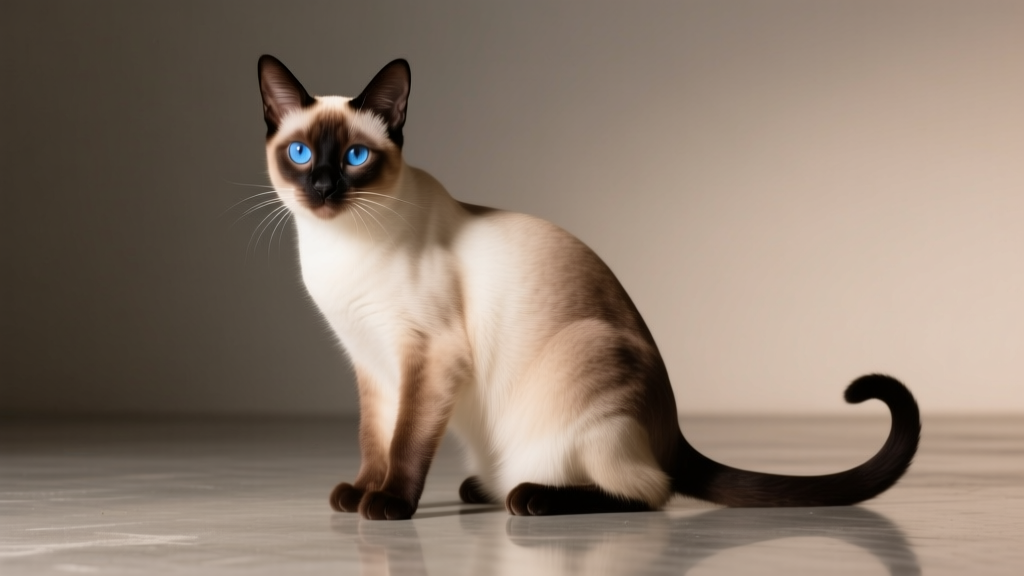
Colorpoint Shorthair: Siamese Color Variations
If you love the sleek elegance of the Siamese but wish the palette came in a few more jaw-dropping shades, you’re going to fall hard for the Colorpoint Shorthair. Think of this breed as a living watercolor painting: the same lithe body, big ears, and expressive voice you expect from Siamese-type cats, paired with a wider range of dramatic point colors.
Colorpoint Shorthairs are the kind of cats who don’t simply share your home—they run it, narrate it, and make sure you never do anything alone again. They’re affectionate, clever, athletic, and very likely to follow you from room to room as if you’re their favorite hobby.
Whether you’re researching cat breeds, considering a talkative companion, or already obsessed with colorpoint patterns, this guide covers the Colorpoint Shorthair’s history, look, temperament, health, and what daily life with one is really like.
Breed History and Origin
The Colorpoint Shorthair has roots in mid-20th-century breeding programs that aimed to expand the Siamese color range while keeping that signature Siamese-type body and personality. Breeders crossed Siamese with other shorthaired cats (commonly including American Shorthair lines in some programs) to introduce new point colors that weren’t traditionally accepted in Siamese standards.
Over time, these cats consistently produced the streamlined, wedge-headed look and intensely people-focused temperament that Siamese lovers adored—just with more color variety. In many cat registries and cat circles, you’ll hear ongoing discussion about how Colorpoint Shorthairs relate to Siamese cats, since they’re very closely linked. Depending on the organization, some point colors may be recognized under Siamese, while others are recognized as Colorpoint Shorthair. Either way, fans agree on the big headline: this is a Siamese-style cat with expanded colorpoints.
Physical Characteristics
Colorpoint Shorthairs are elegant, fine-boned, and athletic. They’re built for speed, leaping, and dramatic hallway sprints—often followed by a proud “Did you see that?” look.
Size and Weight
| Trait | Typical Range |
|---|---|
| Size | Medium |
| Weight (Female) | 6–10 lb (2.7–4.5 kg) |
| Weight (Male) | 8–12+ lb (3.6–5.4+ kg) |
| Build | Long, lean, muscular; fine-boned |
Coat Type
- Coat length: Short
- Texture: Fine, close-lying, glossy
- Undercoat: Minimal (often feels “silky” rather than plush)
Colors: The “Siamese Color Variations” Wow Factor
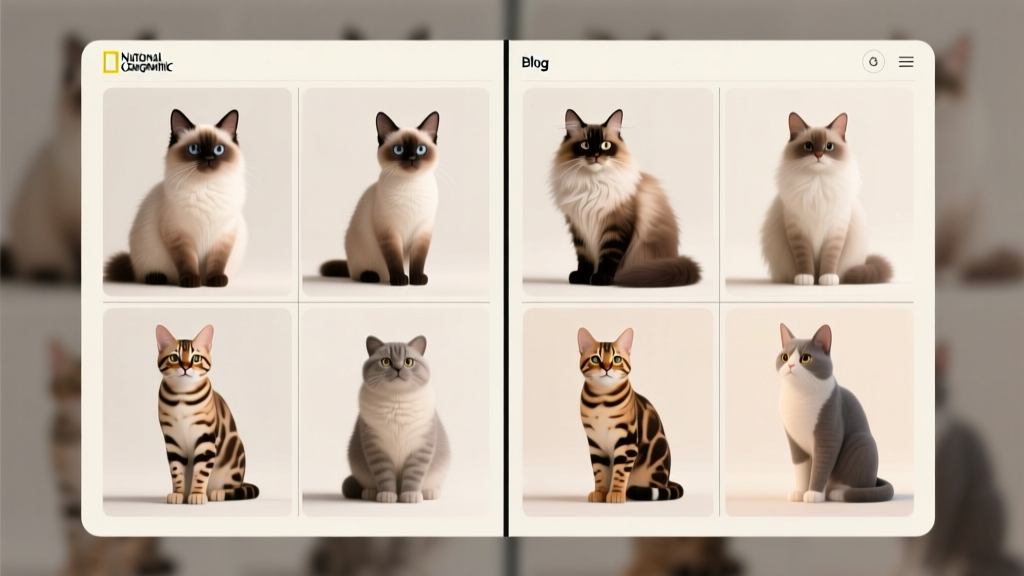
This is where the Colorpoint Shorthair shines. Like Siamese cats, they have a colorpoint pattern: a lighter body with darker “points” on the face mask, ears, legs, and tail. The contrast happens because the point color is temperature-sensitive (darker on cooler parts of the body). Kittens are typically born very light and develop their points as they grow.
While traditional Siamese colors are best known as seal point, blue point, chocolate point, and lilac point, Colorpoint Shorthairs broaden the spectrum into additional point colors, often including:
- Red point (Flame point): Warm reddish-orange points that can look like a sunset
- Cream point: Soft, buttery points with a gentle contrast
- Lynx (tabby) point variations: Points show striping, especially on the face and legs
- Tortie point variations: A mix of colors in the points, often with striking mottling
Note: Exact recognized colors can vary by registry. If you’re researching for show purposes or specific standards, check the rules of the cat association you’re working with. For most pet owners, the key takeaway is that the Colorpoint Shorthair offers that Siamese look in more colorpoint combinations.
Distinctive Features
- Head: Long wedge shape with clean lines
- Ears: Very large, wide at the base, set to continue the wedge shape
- Eyes: Almond-shaped, typically vivid blue (a hallmark of pointed cats)
- Tail: Long, thin, whip-like
- Overall vibe: Elegant “sports car” physique with a bold personality to match
Personality and Temperament Traits
If you’ve met a Siamese cat, you’ll recognize a lot of familiar magic here. The Colorpoint Shorthair is famously:
- People-oriented: They bond deeply and often choose a favorite person—then love everyone else too.
- Talkative: Expect commentary. They’ll “answer” you, ask for meals, and announce visitors.
- Playful and athletic: They love chasing wand toys, scaling cat trees, and mastering puzzle feeders.
- Smart and curious: Many learn tricks, routines, and even leash skills quickly.
- Sensitive: They thrive on attention and can get lonely if left without company for long stretches.
These cats are not wallpaper. A Colorpoint Shorthair wants to be part of your everyday life—meeting you at the door, supervising your chores, and curling up close at bedtime.
Health Considerations and Common Issues
Colorpoint Shorthairs are generally healthy when responsibly bred, but like many Siamese-type breeds, they can be predisposed to certain inherited issues. The best protection is a reputable breeder (or a well-informed rescue) and a strong relationship with your veterinarian.
| Potential Concern | What to Watch For |
|---|---|
| Dental disease | Tartar buildup, bad breath, gum inflammation; plan for dental care |
| Respiratory sensitivities | Occasional upper respiratory issues; keep vaccines current and reduce stress |
| Progressive retinal atrophy (PRA) | Vision changes over time; ask about health screening in breeding lines |
| Heart disease (including hypertrophic cardiomyopathy) | Lethargy, breathing changes; routine checkups and discuss screening |
| Asthma (in some cats) | Coughing, wheezing; reduce irritants like smoke/dust, see vet promptly |
Regular wellness exams matter for this breed, partly because they’re so good at acting “fine” while still expecting you to meet their needs immediately. If your Colorpoint Shorthair seems quieter than normal, it’s worth paying attention.
Care Requirements (Grooming, Exercise, Diet)
Grooming
Good news: the short, fine coat is low-maintenance. Great news: most Colorpoint Shorthairs love the attention and treat grooming like a spa appointment.
- Brushing: Once a week is usually enough to remove loose hair and add shine.
- Nails: Trim every 2–4 weeks (and provide scratching posts).
- Ears: Check weekly; clean gently if your vet recommends it.
- Teeth: Aim for brushing several times a week (daily is ideal). Dental treats and VOHC-approved options can help.
Exercise and Enrichment
This breed needs play like some cats need sunlight. Without it, you may get your entertainment anyway—just not in the form you were hoping for (like redecorated shelves).
- Interactive play: 15–30 minutes daily, split into sessions
- Vertical space: Cat trees, shelves, window perches
- Puzzle toys: Great for brainpower and slowing down fast eaters
- Training: Clicker training, fetch, leash walks (some take to it beautifully)
Diet
Colorpoint Shorthairs are lean and active, so nutrition matters. Feed a high-quality, protein-forward diet, measured to maintain a healthy body condition.
- Portion control: Helps keep their long frame fit rather than skinny-fat.
- Hydration: Many love fountains; wet food can help boost water intake.
- Slow feeding: Puzzle feeders or timed meals can prevent scarf-and-barf habits.
Compatibility with Families, Children, and Other Pets
Colorpoint Shorthairs tend to be wonderful companions for the right household—especially one that enjoys a social, interactive cat.
- Families: Often thrive in busy homes where someone is around to chat and play.
- Children: Usually do well with respectful kids who understand gentle handling.
- Other cats: Frequently enjoy feline company, especially another playful cat.
- Dogs: Can coexist nicely with cat-friendly dogs, particularly if introductions are calm and gradual.
Because they’re so people-focused, a Colorpoint Shorthair can struggle in a home where they’re left alone all day with minimal interaction. If you work long hours, consider adopting two compatible cats or ensuring they have consistent enrichment and companionship.
Pros and Cons of Owning a Colorpoint Shorthair
| Pros | Cons |
|---|---|
| Striking Siamese-type look with expanded colorpoint varieties | Very vocal—may not suit noise-sensitive households |
| Highly affectionate and bonded with their humans | Can become lonely or anxious without enough attention |
| Smart, trainable, and fun to interact with | Needs daily play and mental stimulation |
| Low-maintenance coat and minimal grooming needs | May be predisposed to some Siamese-type hereditary issues |
| Great fit for active homes that want an “involved” cat | Not ideal for someone who wants an independent, hands-off pet |
FAQ: Colorpoint Shorthair Cats
Are Colorpoint Shorthairs the same as Siamese cats?
They’re very closely related. Colorpoint Shorthairs share the Siamese body type and personality, but the breed name is often used to describe Siamese-type cats with additional point colors beyond the classic Siamese set. Recognition and naming can vary by cat registry.
Do Colorpoint Shorthairs have blue eyes?
Most Colorpoint Shorthairs have vivid blue, almond-shaped eyes—one of the most beloved traits of colorpoint cats.
How much do Colorpoint Shorthair cats shed?
They’re moderate shedders, but the coat is short and close-lying, so shedding is usually easy to manage with a quick weekly brush.
Are Colorpoint Shorthairs good for first-time cat owners?
They can be, as long as you want an interactive, talkative cat and you’re ready for daily play, enrichment, and lots of companionship. If you’re hoping for a quiet, low-contact pet, this breed may feel like “too much cat” (in the most affectionate way).
Do Colorpoint Shorthairs get along with other pets?
Often yes—especially with proper introductions. Many enjoy having a playful cat buddy, and they can adapt well to respectful, cat-savvy dogs.
When do Colorpoint Shorthair kittens develop their point color?
Kittens are typically born very light and develop point color over the first weeks and months. Their final shading and contrast can continue to deepen as they mature.
Final Thoughts
A Colorpoint Shorthair brings all the charisma of a Siamese-style companion—sparkling intelligence, devoted affection, and non-stop conversation—wrapped in a coat that shows off stunning colorpoint variations. If you want a cat who will play hard, cuddle close, and make you feel like the most fascinating person in the world, this breed is an absolute delight.
Wishing you many purrs, headbutts, and happy “conversations” with your future feline friend. When you’re ready, explore more cat breed profiles on catloversbase.com and find the perfect match for your home.