Ripple Cat: Wavy Fur Pattern Development
If you’ve ever met a cat whose coat looks like it was gently crimped by nature—soft waves, ripples, and a plush, touch-me texture—you already understand the instant fascination behind the so-called Ripple Cat. Cat lovers are drawn to that distinctive “rippled” look the same way we’re drawn to a perfect loaf pose: it’s oddly satisfying, irresistibly pettable, and just a little bit magical.
Here’s the twist: “Ripple Cat” isn’t a single, officially recognized pedigree breed name in the way Persian or Maine Coon is. It’s a popular nickname used by enthusiasts to describe cats with wavy or curly coats—most commonly seen in Rex-type breeds and a few related lines. The rippling pattern can develop differently depending on genetics, age, coat type, and even grooming habits. If you’re researching a rippled-coat companion (or you’re simply obsessed with wave-textured fur—no judgment), you’re in the right place.
This guide breaks down the wavy fur pattern development, the breeds most associated with “ripple coats,” what these cats are like to live with, and how to care for those soft, springy waves so they stay healthy and gorgeous.
Breed History and Origin: Where “Ripple Coats” Come From
Wavy-coated cats are most closely tied to the Rex family of cats—breeds that arose from naturally occurring genetic mutations affecting hair structure. These mutations popped up at different times and places, then were preserved through careful breeding.
- Cornish Rex (England, 1950s): Developed after a kitten named Kallibunker was born with a curly coat in Cornwall. Cornish Rex coats are famously fine and close-lying, with tight ripples.
- Devon Rex (England, 1960s): Originated in Devon. Devon Rex coats can be wavy, but often look more tousled, with a “suede-like” feel and some variation in curl.
- German Rex (Germany, mid-1900s): One of the earlier curly-coated lines; less common globally today.
- Selkirk Rex (USA, 1980s): Known for plush curls—often described as “teddy bear” fur. The curl gene here is dominant, which affects how reliably the coat appears in offspring.
- LaPerm (USA, 1980s): LaPerm cats often have bouncy ringlets and a coat that can shift in texture across seasons or growth stages.
When people say “Ripple Cat,” they’re usually pointing to one of these rex or rex-like coat types, or to a mix that inherited the wavy gene. Breed registries (like TICA and CFA) typically recognize the individual breeds above—not “Ripple Cat” as a separate breed—so if you’re looking at breeders or adoption listings, those are the names you’ll see most often.
Physical Characteristics: Size, Weight, Coat, Colors, and Distinctive Features
Because “Ripple Cat” is a look more than a single breed label, physical traits vary. Still, wavy-coated cats share a few common threads: a special coat structure, a noticeably different feel to the fur, and often a sleek-to-plush silhouette depending on the breed.
| “Ripple Coat” Breed Type | Typical Size | Typical Weight | Coat Feel & Look | Notable Features |
|---|---|---|---|---|
| Cornish Rex | Small–medium, fine-boned | 6–10 lbs (2.7–4.5 kg) | Very short, tight waves; velvety | Large ears, arched back, “whippet-like” build |
| Devon Rex | Small–medium | 6–9 lbs (2.7–4.1 kg) | Soft, wavy, sometimes patchy as kittens | Pixie face, big eyes, huge ears |
| Selkirk Rex | Medium–large, sturdy | 8–16 lbs (3.6–7.3 kg) | Plush curls; can be short or longhair | Round head, “teddy bear” vibe |
| LaPerm | Medium | 6–12 lbs (2.7–5.4 kg) | Loose waves to ringlets; airy, springy | Light frame, expressive coat texture |
Coat Development: How the “Ripple Pattern” Forms
The “ripple” effect comes from changes in hair shaft structure and/or which hair types are present:
- Guard hairs: The longer, coarser hairs that help protect the coat.
- Awn hairs: Intermediate hairs contributing to texture and density.
- Down hairs: Soft undercoat hairs that create plushness.
In many rex-type cats, guard hairs are reduced or altered, leaving a coat that’s softer, shorter, and more wave-prone. That’s why a ripple cat’s coat can feel like velvet, suede, or plush fleece depending on the breed.
Colors and Patterns
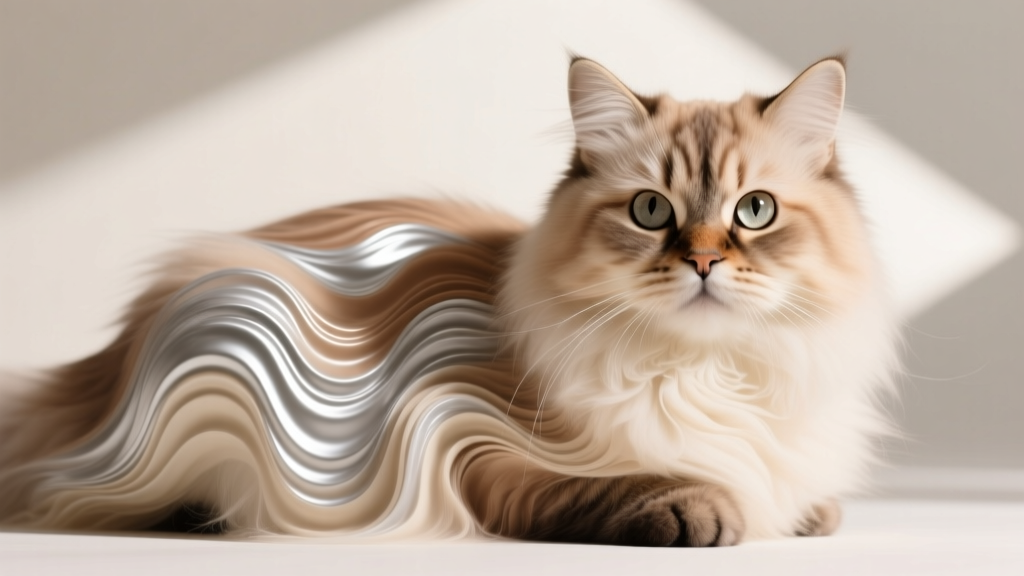
Ripple-coated cats come in a huge range of colors and patterns—solid, tabby, tortoiseshell, bicolor, colorpoint, and more—depending on the specific breed and lineage. The waves can make patterns look extra dramatic: tabby stripes can “bend,” and solid colors can appear shaded because the fur catches light differently along the ripples.
Personality and Temperament Traits
Many ripple-coated breeds share a reputation for being interactive, people-focused, and playful. While every cat is an individual, here are common personality themes seen in rex-type and curly-coated cats:
- Velcro-cat tendencies: They often want to be where you are—on your desk, on your shoulder, or tucked beside you on the couch.
- High play drive: Expect bursts of zoomies, toy obsession, and athletic jumps.
- Social confidence: Many are curious about visitors rather than hiding.
- Warmth-seeking: Shorter or finer coats can make them gravitate toward sunny windows, blankets, and your lap.
If you love a cat that participates in your daily routine—supervising chores, “helping” with emails, narrating dinner prep—ripple-coated cats can be a delightful match.
Health Considerations and Common Issues
Wavy-coated cats can be robust and healthy, but certain breeds have known risks. If you’re researching ripple cats through a specific breed (Cornish Rex, Devon Rex, Selkirk Rex, LaPerm), look for breeders who test appropriately and prioritize overall health—not just coat quality.
- Skin sensitivity: Some rex cats have more delicate skin or can get oily faster due to coat structure.
- Ear wax buildup: Big-eared rex breeds (especially Devon Rex) may need more frequent ear checks and gentle cleaning.
- Dental concerns: Some lines can be prone to dental disease—regular dental care matters.
- Breed-specific genetic issues:
- Devon Rex: Some lines have higher risk of hereditary myopathy and certain cardiac issues; responsible breeding programs screen and track lines carefully.
- Selkirk Rex: Because of historical outcrossing, screening for issues seen in related breeds may be recommended by breeders (policies vary by registry and line).
The best plan: choose a reputable source, get a wellness exam soon after adoption, and keep up with routine vet care so small issues don’t become big ones.
Care Requirements: Grooming, Exercise, and Diet
Grooming a Ripple Coat (Yes, It’s Different)
A wavy coat is special—and it needs a gentle approach. Over-brushing can break delicate hairs or “frizz” the waves, especially in fine-coated rex cats.
- Brushing: Use a very soft brush or grooming glove, and keep sessions short. Some ripple-coated cats do best with minimal brushing.
- Bathing: Some rex cats can develop oily buildup. Occasional baths with a cat-safe shampoo may help—ask your vet for frequency guidance.
- Ears: Check weekly. Clean only the visible areas with a vet-approved ear cleaner—never dig deep.
- Nails: Trim every 2–4 weeks, especially for indoor cats.
Exercise and Enrichment
Ripple cats tend to be bright, busy, and playful. Keep them happy with:
- Daily interactive play (wand toys, flirt poles, fetch-style games)
- Climbing options (cat trees, wall shelves)
- Puzzle feeders and treat balls
- Warm, cozy rest zones (heated beds on low, fleece blankets, sunny perches)
Diet
There’s no single “ripple cat diet,” but many of these breeds are energetic and benefit from high-quality, protein-forward nutrition. Work with your veterinarian to choose a diet that supports:
- Lean muscle maintenance (especially for athletic, slim breeds like Cornish Rex)
- Skin and coat health (omega-3 fatty acids can be helpful when appropriate)
- Weight management (treats add up fast in clever, food-motivated cats)
Compatibility With Families, Children, and Other Pets
Many ripple-coated cats do wonderfully in active, affectionate homes—especially when they’re treated like the social little companions they are.
- Families with children: Often a great match for respectful kids who enjoy interactive play. Teach children gentle handling—fine coats and sensitive skin don’t mix with rough petting.
- Dogs: Many do well with cat-friendly dogs, especially confident rex types that like being involved in the action.
- Other cats: Usually friendly with proper introductions. High-energy cats often appreciate a playful feline buddy.
If your home is quiet and you’re away long hours, consider adopting a bonded pair or planning extra enrichment—many ripple cats thrive on companionship.
Pros and Cons of Owning a Ripple-Coated Cat
| Pros | Cons |
|---|---|
|
|
FAQ: Ripple Cat Wavy Fur Pattern Development
Are Ripple Cats hypoallergenic?
No cat is truly hypoallergenic. Some ripple-coated cats may shed less, but allergens mainly come from proteins in saliva and skin dander. If allergies are a concern, spend time with the specific cat before committing and talk with your allergist.
When does the wavy coat fully develop?
It depends on the breed and individual. Many rex-type kittens go through coat changes during growth, and waves can become more consistent after the first molts. Some cats look “extra rippled” in cooler seasons when coats feel denser.
Why does my ripple-coated kitten have patchy or uneven waves?
This can be normal in some rex lines—kittens may have phases where the coat thins, changes texture, or looks uneven before settling. If you see redness, scabs, excessive itchiness, or bald spots, a vet check is a good idea.
Do ripple coats require frequent brushing?
Usually not. Many ripple coats do best with minimal, gentle grooming. Over-brushing can disrupt the wave pattern or break delicate hairs. A soft grooming glove and occasional wipe-down can be perfect.
Do ripple-coated cats get cold more easily?
Many do, especially short-coated rex types with less protective hair. They often seek warmth—sunny spots, blankets, and laps. In cooler homes, consider cozy bedding and draft-free lounging areas.
Is “Ripple Cat” a recognized breed name?
Typically, no. “Ripple Cat” is commonly used as a descriptive nickname for cats with wavy/curly coats—most often Cornish Rex, Devon Rex, Selkirk Rex, LaPerm, or mixes with rex-type coat genetics.
A Warm Signoff for Future Ripple Cat Parents
If you’re drawn to the Ripple Cat look, you’re not just choosing a pretty coat—you’re choosing a whole vibe: soft waves under your fingertips, a playful shadow following you from room to room, and a companion who often seems genuinely delighted to be part of your day. Whether you’re researching a Cornish Rex’s sleek ripples, a Devon Rex’s impish waves, a Selkirk Rex’s plush curls, or a LaPerm’s bouncy ringlets, the joy is the same: a wavy-coated cat brings texture, personality, and a little extra sparkle to everyday life.
Want to keep exploring? Visit catloversbase.com to discover more breed profiles, coat types, and cat-owner guides—your next feline love story might be only one click away.