Ivy Cat: Climbing Behavior Breed Lines
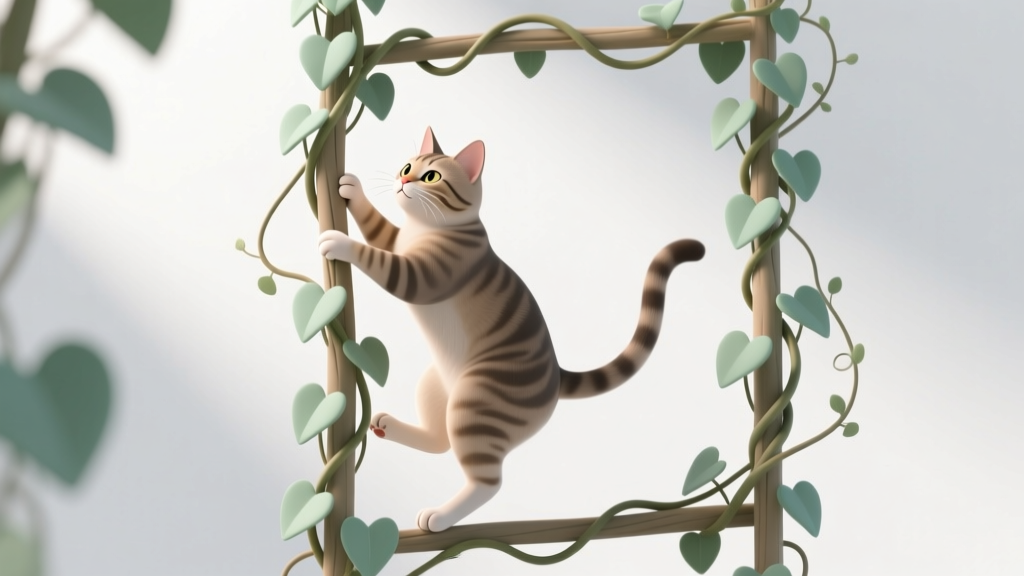
If you’ve ever watched a cat scale a bookcase like it’s a mossy tree trunk, pause on the very top shelf, and look down with that calm “I belong up here” confidence—then you already understand the charm behind what many cat lovers call the Ivy Cat type. “Ivy Cat” isn’t a single globally recognized pedigree with one official registry standard. It’s a behavior-forward label cat people use for breed lines and mixes that consistently show strong climbing behavior, vertical curiosity, and an athletic, sure-footed style of movement.
This matters because climbing isn’t just a quirky hobby; for the right cat, it’s a core need. Cats with Ivy Cat traits thrive when their homes match their instincts: tall cat trees, shelves, window perches, and interactive play that lets them leap, balance, and explore. If you’re a cat enthusiast who loves agile, clever companions—or you’re a potential owner trying to choose a breed that fits your lifestyle—this guide will help you understand the breed lines most associated with Ivy Cat climbing behavior, what they look like, how they act, and how to keep them happy and healthy.
Let’s talk about where these climbers come from, what makes them tick, and how to set up a home that supports their vertical world.
Breed History and Origin
The term Ivy Cat is most commonly used by owners, rescuers, and breeders as a nickname for cats that “grow upward”—always seeking height, perches, and vantage points. Historically, this behavior isn’t random. Cats evolved as ambush predators, and height offers safety, observation, and hunting advantage.
While any domestic cat can enjoy climbing, certain breed histories tend to produce more athletic, high-drive, or tree-dwelling tendencies:
- Forest and landrace origins: Breeds shaped by natural selection in rugged climates (think Scandinavian forests) often have strong bodies and confidence with elevation.
- Oriental/Asian lines: Many are lean, energetic, and intensely curious—traits that pair naturally with vertical exploration.
- Working-cat backgrounds: Some lines were historically kept for pest control; athleticism and boldness were valuable traits.
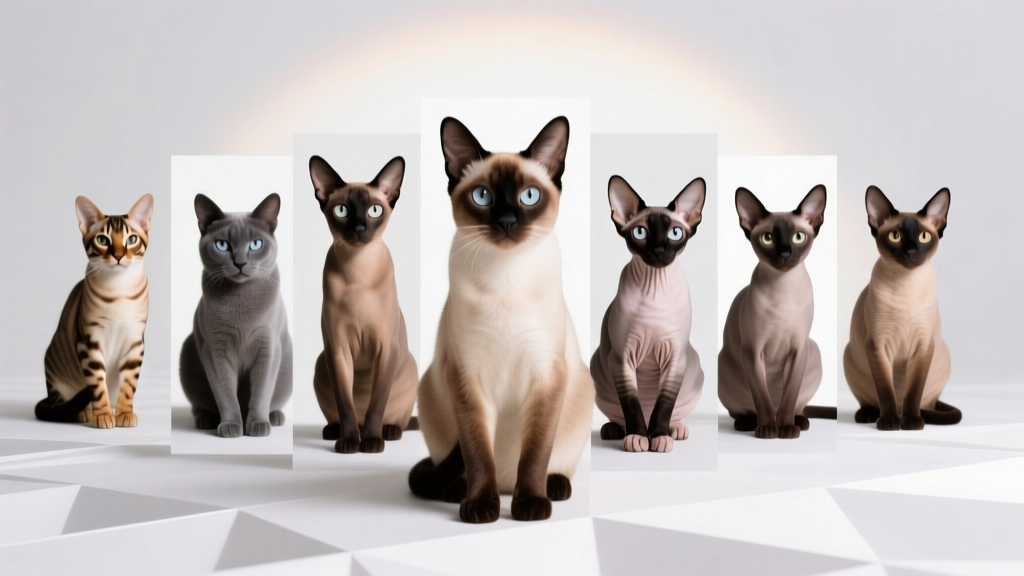
In practice, “Ivy Cat” is best thought of as a climbing behavior profile you’ll see most often in breeds like the Maine Coon, Norwegian Forest Cat, Siberian, Bengal, Abyssinian, and Oriental Shorthair—and in many mixes that share their structure and drive.
Physical Characteristics
Ivy Cat types come in different “packages,” but the body usually tells the story: strong hindquarters for jumping, confident balance on narrow surfaces, and nimble paws that can grip, pivot, and land neatly. Coat and color vary widely because climbing behavior is not tied to a single color gene—what’s consistent is the athletic build and alert expression.
| Trait | Common Ivy Cat Range | What You’ll Notice at Home |
|---|---|---|
| Size | Medium to large (varies by breed line) | Confident jumps to counters, doors, and shelves |
| Weight | 8–18+ lbs (lean athletes or big forest types) | Powerful launch, controlled landing |
| Body type | Lean and long (Oriental/Abyssinian) or sturdy (forest cats) | Either springy “parkour” or steady “mountain goat” climbing |
| Coat | Short to long; often plush or weather-resistant in forest lines | Some need extra brushing if they’re longhaired climbers |
| Colors | All colors/patterns depending on breed (tabby, solid, bicolor, etc.) | No single “Ivy Cat color”—behavior is the clue |
| Distinctive features | Strong hindquarters, long tail for balance, expressive eyes | Tail “rudder” action when they turn mid-climb |
Common Ivy Cat “Climber” Breed Lines
- Norwegian Forest Cat: Strong, sure-footed, built for climbing; thick coat; calm confidence at height.
- Maine Coon: Big, athletic, inquisitive; loves high observation posts; often uses paws like hands.
- Siberian: Powerful jumper with a plush coat; playful and agile even at a larger size.
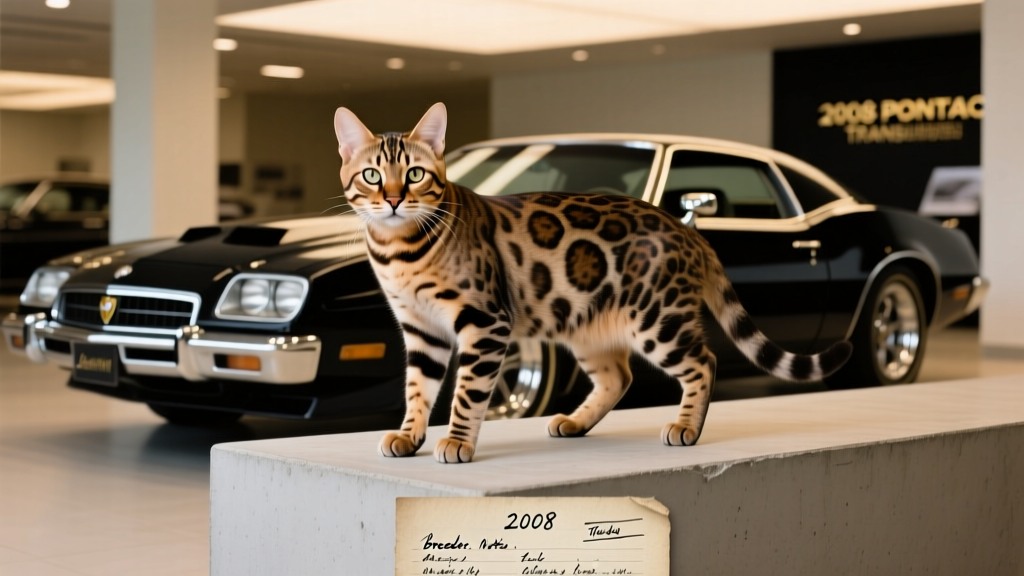
- Bengal: High energy and extremely athletic; vertical exploration is often a daily “job.”
- Abyssinian: Classic “busy cat” energy; fast climber, loves the highest point in the room.
- Oriental Shorthair / Siamese-type lines: Clever, social, and active; seeks vertical closeness to people and action.
Personality and Temperament Traits
Ivy Cat types aren’t just climbers—they’re usually engaged thinkers. A strong climbing drive often pairs with curiosity, confidence, and a desire to be involved in whatever you’re doing (preferably from a higher vantage point than you).
- Curious and investigative: Cabinets, shelves, and “forbidden” spaces feel like puzzles to solve.
- Play-driven: Wand toys, feather teasers, and chase games are a big hit—especially ones that go up and over furniture.
- Bold but not necessarily wild: Many are confident explorers, though some will be cautious until they map the room.
- People-aware: In social lines (Bengal, Siamese/Oriental, Maine Coon), they often want interaction, conversation, and games.
- Territory managers: Height helps them feel secure; cat shelves can reduce stress and prevent hiding under beds.
One of the sweetest Ivy Cat traits is the “supervisor perch.” While you cook, work, or fold laundry, they’ll often settle somewhere high, quietly watching—ready to leap down and “help” if you so much as crinkle a bag.
Health Considerations and Common Issues
Because Ivy Cat is a behavior label spanning multiple breeds, health risks depend on the specific breed line. Still, athletic climbers share a few practical concerns: joint safety, weight management, and preventing falls in homes that aren’t set up for vertical living.
Breed-linked conditions often discussed in common climber lines
- Hypertrophic cardiomyopathy (HCM): Seen in several breeds, including Maine Coon and Bengal lines. Reputable breeders screen; vets may recommend echocardiograms in at-risk cats.
- Hip dysplasia: More commonly mentioned in large breeds like Maine Coons. Keeping a healthy weight helps.
- Patellar luxation: Can occur in active cats; watch for intermittent limping or “skipping.”
- Dental disease: Not unique to climbers, but very common in cats overall—regular dental care matters.
- Asthma/allergies: Can affect any breed; dusty litter and strong fragrances can trigger symptoms.
Climbing-specific safety risks
- Falls and misjudged jumps: Especially in kittens, seniors, or overweight cats.
- Nail injuries: If nails snag on fabric or unstable carpeted towers.
- “High place” access to hazards: Hot stoves, fragile items, toxic plants, or open upper windows.
For peace of mind, pair your cat’s athleticism with a home setup that makes climbing safe and intentional.
Care Requirements (Grooming, Exercise, Diet)
If you love an Ivy Cat personality, the best care plan is simple: support the climb, feed for lean muscle, and groom for the coat they have.
Grooming
- Short coats (Abyssinian, Bengal, Oriental types): Weekly brushing or a grooming mitt to remove loose hair.
- Medium/long coats (Maine Coon, Norwegian Forest Cat, Siberian): 2–4 times per week brushing; focus on belly, “pants,” and behind ears where knots form.
- Nail trims: Every 2–4 weeks. Climbers use nails constantly; trims reduce snagging and furniture damage.
- Ear and dental care: Check ears monthly; brush teeth if your cat tolerates it or use vet-approved dental options.
Exercise and enrichment (the Ivy Cat essentials)
These cats don’t just want toys; they want vertical routes. A single cat tree is great, but a “climbing circuit” is even better.
- Cat trees with wide, stable bases (especially for large breeds)
- Wall shelves and steps with non-slip surfaces
- Window perches for bird-watching (a top-tier “cat TV” experience)
- Interactive play 10–20 minutes daily (more for Bengals and Abyssinians)
- Food puzzles and treat balls to engage the brain
Diet
- High-quality, protein-forward nutrition supports muscle and recovery after play.
- Measure portions to maintain a lean body condition—extra weight makes jumping harder on joints.
- Wet food or mixed feeding can help hydration (useful for cats prone to urinary issues).
- Healthy treat strategy: Use treats during training (yes, climbers can learn cues) rather than free-feeding snacks.
Compatibility with Families, Children, and Other Pets
Ivy Cat types can be wonderful family cats—when the household enjoys an active, present companion. Their need for activity often makes them fun play partners, but it also means they appreciate predictable routines and enough stimulation.
- With children: Often great with respectful kids who enjoy interactive play. Teach children not to grab or chase; offer wand-toy play instead.
- With dogs: Many do well with cat-friendly dogs, especially if they have vertical escape routes (shelves = instant confidence boost).
- With other cats: Frequently compatible, especially if you provide multiple perches, litter boxes, and feeding stations to prevent resource guarding.
If you’re adopting, ask about the cat’s real-life behavior: Do they seek high perches? Do they leap confidently? Are they frantic without play, or just happily athletic? Those details matter more than labels.
Pros and Cons of Owning This Breed Type
| Pros | Cons |
|---|---|
| Incredibly entertaining—agile, curious, and playful | Will reach places you assumed were “impossible” (tops of cabinets included) |
| Often intelligent and trainable (clicker training can be a joy) | Needs daily enrichment; boredom can lead to mischief |
| Vertical confidence can reduce anxiety and hiding | Requires a climbing-friendly home setup for safety |
| Great for active owners who enjoy interactive play | Breakables may need relocating until routines settle |
| Many are social and enjoy “being in the mix” | Some lines can be very demanding of attention (especially high-energy breeds) |
FAQ: Ivy Cat Climbing Behavior Breed Lines
Is the Ivy Cat an official cat breed?
No. “Ivy Cat” is a popular nickname for cats—often from athletic or forest-type breed lines—that show strong climbing behavior and love vertical spaces. If you want a predictable look and temperament, research specific breeds like the Norwegian Forest Cat, Bengal, or Abyssinian.
Which breeds are most likely to have Ivy Cat climbing behavior?
You’ll commonly see it in Bengals, Abyssinians, Oriental Shorthairs/Siamese-type lines, and forest breeds like Maine Coons, Siberians, and Norwegian Forest Cats. Many mixed-breed cats can be “Ivy Cats,” too.
Do Ivy Cat types calm down with age?
Most cats mellow somewhat after kittenhood, but many athletic lines stay playful for years. They may trade chaotic climbing for confident perching—still vertical, just more strategic.
How do I stop my climbing cat from jumping on counters?
The most effective approach is giving them a better “yes”: a tall cat tree or shelf near the kitchen, plus scheduled play before busy times. If the only high place is the counter, a climber will pick the counter.
Are climbing cats more likely to get hurt?
They can be if the home isn’t set up safely. Use sturdy cat trees, secure wall shelves into studs/anchors, keep breakables away from edges, and provide step-like routes rather than huge gaps—especially for large or older cats.
Can I train an Ivy Cat type to use shelves and avoid curtains?
Yes. Many climbers respond well to clicker training and redirection. Reward shelf use, provide tall scratch posts, trim nails regularly, and block access to curtain “ladders” until the habit fades.
Conclusion
The Ivy Cat vibe is all about celebrating a cat’s natural love of height: the athletic leaps, the curious little pause on a perch, the feeling that your home has gained a silent, fluffy acrobat. Whether your climber is a Bengal with endless energy, a majestic Norwegian Forest Cat with mountain-goat confidence, or a mixed-breed rescue who simply lives for the top shelf, the secret to success is the same—meet them in their vertical world.
If you’re building a cat-friendly home, choosing between breed lines, or researching the genetics behind behavior and structure, Ivy Cat traits are a wonderful clue to what daily life might look like: active play, smart enrichment, and a companion who loves to watch the world from above.
Want to compare more athletic cat breeds and personality types? Explore more breed profiles on catloversbase.com and find the perfect match for your heart—and your cat shelves.