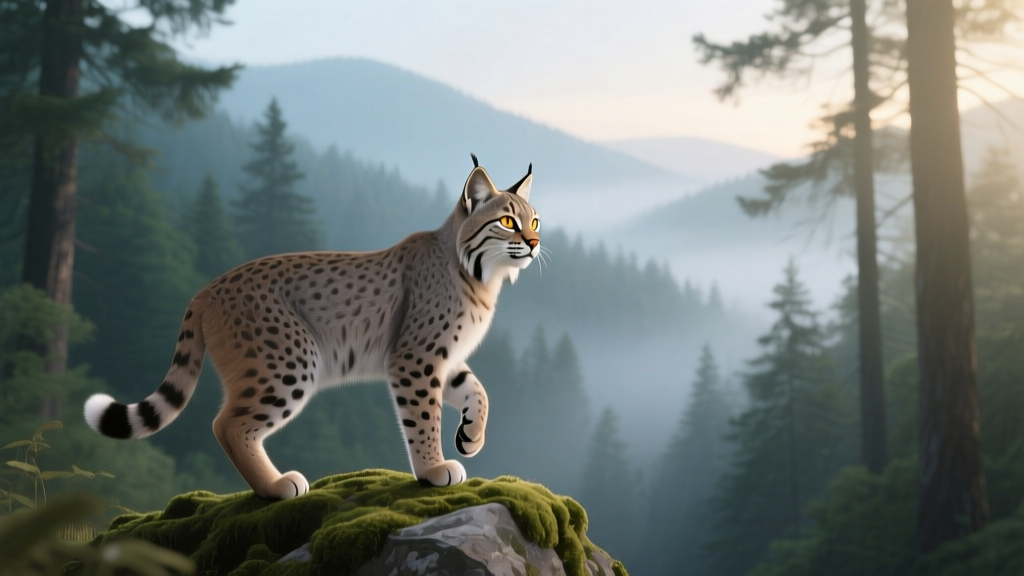
Mountain Bobcat: Appalachian Breed Line
If you love the rugged charm of a wild-looking cat but want the steady companionship of a true homebody, the Mountain Bobcat (often called the Appalachian Breed Line by dedicated fanciers) is the kind of feline that stops you mid-scroll. This is a cat that looks like it stepped out of a misty mountain hollow—tufted ears, a sturdy build, and a bobbed tail that gives it a “born to roam” silhouette.
Yet for all that outdoorsy flair, the Mountain Bobcat’s real magic is how deeply it bonds with its people. Owners describe them as affectionate, keenly observant, and quietly funny—cats that follow you from room to room, not in a needy way, but like they’ve appointed themselves your personal trail guide.
Because the Mountain Bobcat is tied to an Appalachian regional line and not broadly standardized across major registries, you’ll see some variation between catteries and programs. That said, there are hallmark traits—both in looks and temperament—that make this breed line recognizable, memorable, and absolutely cat-lover catnip.
Breed History and Origin
The Mountain Bobcat’s story is rooted in the Appalachian region of the United States, where generations of hardy farm and homestead cats earned their keep as mousers, barn sentries, and all-around companions. Local lore often credits “mountain cats” with bobbed tails, thick coats, and tough constitutions—traits that helped them thrive in a landscape of cold winters, steep terrain, and ever-changing weather.
Modern interest in the Appalachian Breed Line grew as breeders and enthusiasts began identifying and selectively breeding cats that consistently showed:
- Naturally bobbed or shortened tails (a hallmark trait in many lines)
- Sturdy, medium-to-large frames with athletic muscle
- Weather-resistant coats, often with tabby or earthy coloration
- Alert, people-oriented temperaments balanced with independent “working cat” instincts
It’s worth knowing that “Mountain Bobcat” is sometimes used informally—especially online—to describe bobtailed cats with a wild look. Responsible Appalachian-bred programs focus on healthy, domestic cats with predictable companion temperaments, not hybrids. If you’re researching this breed line, ask breeders for clear lineage information and veterinary documentation.
Physical Characteristics
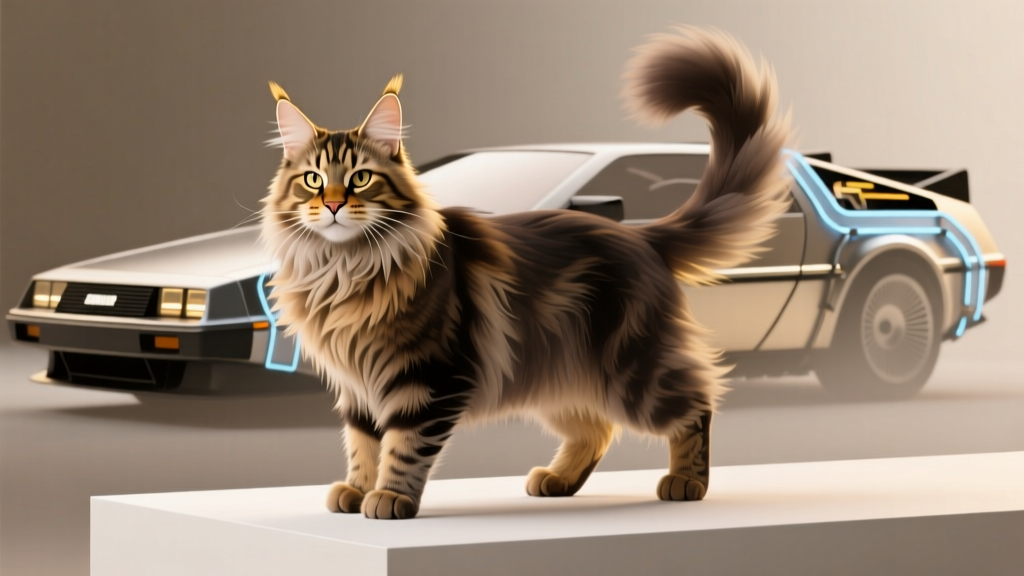
The Mountain Bobcat is a head-turner: rugged, balanced, and built for agile movement. While individual cats can vary, many share a similar “mountain athlete” profile—solid bone, broad chest, and a confident stance.
| Trait | Typical Range / Description |
|---|---|
| Size | Medium to large |
| Weight | Usually 8–16 lb (males often larger); some lines run bigger |
| Body Type | Athletic, sturdy, strong hindquarters, broad chest |
| Coat Length | Short to medium; some lines show plush, winter-thick coats |
| Coat Texture | Dense, weather-resistant; can be slightly coarse on top with softer undercoat |
| Colors & Patterns | Commonly tabby (brown, gray, red), black, and earthy tones; white markings may appear |
| Tail | Often naturally bobbed/shortened; length can vary from a “pom” to a partial tail |
| Distinctive Features | High-set ears (sometimes with tufts), expressive eyes, powerful legs, “wild” facial look |
Signature Look: What Makes a Mountain Bobcat Stand Out?
- Bobbed tail that adds to the wildcat silhouette
- Thick ruff/neck fur in winter coats (common in mountain-adapted lines)
- Tufty ears and bold facial markings, especially in tabbies
- Compact power—they look like they could hike a ridge, and honestly, they probably could
Personality and Temperament Traits
If you want a cat that’s affectionate without being clingy, curious without being chaotic, the Mountain Bobcat tends to land in that sweet spot. Many are described as “dog-adjacent” in their loyalty—shadowing their favorite human, greeting at the door, and learning routines quickly.
- People-focused: Bonds strongly with family members and often picks a “main person.”
- Confident explorer: Enjoys investigating new rooms, cat shelves, and high perches.
- Smart and trainable: Many learn clicker basics, leash walking, and puzzle toys.
- Playful hunter: Loves wand toys, kickers, and games that mimic stalking and pouncing.
- Balanced independence: Can entertain itself but prefers interactive play daily.
Energy levels are typically moderate to high—especially in younger cats. With maturity, many Mountain Bobcats become calm “supervisors” who lounge nearby while keeping a watchful eye on everything.
Health Considerations and Common Issues
The Appalachian Breed Line is often valued for overall hardiness, but any breed or regional line can carry health risks. Because tail traits in domestic cats can be linked to spinal development, it’s smart to approach bobtailed lines with extra care and responsible screening.
Potential health considerations seen in bobtailed or sturdy, active lines may include:
- Spinal/tail-related concerns: In some bobtail populations, malformed vertebrae can occur. Reputable breeders avoid high-risk pairings and screen kittens for mobility and comfort.
- Joint wear and tear: Athletic cats can develop joint strain if overweight or under-exercised.
- Dental disease: Like most cats, they benefit from dental-friendly diets, brushing, and regular vet checks.
- Obesity risk: A solid build can hide extra pounds—portion control matters.
Best practice: Choose a breeder (or rescue) that provides veterinary records, clear return policies, and transparency about the cat’s tail structure, gait, and overall health. For any kitten, schedule a new-pet exam within the first week home.
Care Requirements (Grooming, Exercise, Diet)
Grooming
Most Mountain Bobcats are relatively low-maintenance, but their dense coats can shed heavily during seasonal changes.
- Brushing: 1–2 times per week; increase to 3–4 times during spring/fall shedding.
- Nails: Trim every 2–4 weeks (more often for indoor-only cats).
- Ears: Check weekly; clean only if dirty and with vet-approved solution.
- Dental: Brush several times per week if possible; dental treats and water additives can help.
Exercise & Enrichment
This breed line thrives when it can climb, perch, and “patrol.” Plan for daily play—short sessions add up.
- Interactive play: 10–20 minutes/day using wand toys or chase games
- Vertical space: Cat trees, wall shelves, window perches
- Puzzle feeders: Great for smart cats with hunting instincts
- Leash training: Many do well with harness training if introduced gently
Diet
Mountain Bobcats do best on a protein-forward, portion-controlled diet that supports muscle and healthy weight.
- High-quality wet food can support hydration and urinary health.
- Measured portions help prevent “fluffy creep” on a broad frame.
- Joint support (omega-3s, vet-approved supplements) may benefit highly active adults.
- Fresh water access—many cats love fountains.
Compatibility with Families, Children, and Other Pets
The Mountain Bobcat’s people-loving nature makes it a strong match for many households, especially those willing to provide play and enrichment. Temperament can vary by line and early socialization, but many do wonderfully in busy homes.
- Families: Often thrives with multiple humans to interact with.
- Children: Typically good with respectful kids; teach gentle handling and give the cat escape routes (high perches).
- Other cats: Usually fine with proper introductions; confident cats may try to “run the house” at first.
- Dogs: Can do well with cat-savvy dogs; slow introductions and safe spaces are key.
- Small pets: Strong prey drive may make cohabitation with rodents/birds risky without secure separation.
If you’re adding a Mountain Bobcat kitten to a multi-pet home, prioritize early socialization, predictable routines, and lots of positive reinforcement.
Pros and Cons of Owning This Breed
| Pros | Cons |
|---|---|
| Striking “wild” look with a companion-cat heart | Needs daily play and mental stimulation |
| Often affectionate, loyal, and people-oriented | May become bored and mischievous if under-enriched |
| Generally sturdy, athletic build | Bobtail trait requires responsible breeding and careful health screening |
| Can be trainable (puzzle toys, clicker work, leash walks) | Prey drive can be challenging with small pets |
| Moderate grooming needs for most coat types | Seasonal shedding can be intense in dense-coated lines |
FAQ: Mountain Bobcat (Appalachian Breed Line)
1) Is the Mountain Bobcat a real wild bobcat hybrid?
No. The Mountain Bobcat as discussed in the Appalachian Breed Line context refers to a domestic cat line selected for a bobbed tail and a rugged, wild-looking appearance. Responsible breeders do not market these cats as wildcat hybrids.
2) How big does a Mountain Bobcat get?
Most fall in the 8–16 lb range, with males commonly larger. Build is typically muscular and sturdy rather than delicate.
3) Do Mountain Bobcats shed a lot?
Many shed moderately year-round and heavily during seasonal coat changes. A good brushing routine (especially in spring and fall) keeps shedding manageable.
4) Are Mountain Bobcats good indoor cats?
Yes—many thrive indoors as long as they get climbing space, interactive play, and enrichment. Some enjoy leash walks or secure outdoor “catio” time.
5) Is the bobbed tail associated with health problems?
It can be in some lines. That’s why sourcing matters: look for cats with normal movement, comfort, and veterinary screening. Ask directly about spinal health and any history of tail-related issues in the line.
6) What kind of home is best for this breed line?
A home that enjoys an interactive cat—someone who will play daily, provide puzzle toys and vertical territory, and appreciate a companion that wants to be part of the action.
Warm Wrap-Up
The Mountain Bobcat: Appalachian Breed Line is the kind of cat that makes you feel like you’ve brought a little piece of the mountains home—strong, beautiful, a bit mysterious, and deeply devoted once you’ve earned its trust. If you’re drawn to bobtailed breeds, athletic builds, and clever, people-centered personalities, this might be your perfect match.
Want to keep exploring? Browse more breed profiles and cat-care guides at catloversbase.com, where every whisker has a story.