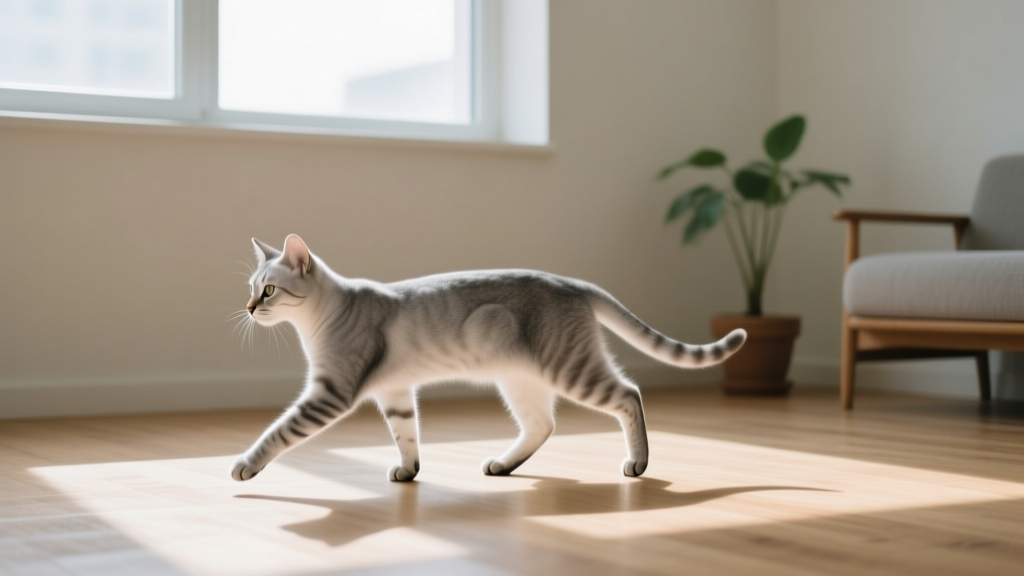
Cat Genetics and Training: A Practical Guide
Best Behavior Starts With Real Biology
Best behavior for real cat owners begins with biology, not blame. Cats are predators, territorial climbers, and sensitive to routine, so litter box issues, scratching, night zoomies, and aggression often signal an unmet need. A genetics-informed plan looks at breed tendencies, age, health, and environment. This article explains how to read cat behavior, match enrichment to temperament, choose litter and food brands that support stability, and use measurable routines such as two 15 minute play sessions daily, one litter box per cat plus one, and 30 minutes of vertical space to reduce stress and support lasting calm behavior and reliable household habits.
Real behavior improvement means changing triggers and rewarding compatible actions, not punishing a cat for being a cat. A cat that urinates outside the box may have a medical problem, dislike litter texture, or feel trapped by box location. A cat that scratches furniture may need a post with correct height, material, and placement. The goal is to make the desired behavior easier than the undesired behavior while protecting the cat welfare.
How Cat Genetics Shapes Temperament
Domestic cats have 19 chromosome pairs and a genome of roughly 2.7 billion base pairs. Temperament is not controlled by a single gene. It is polygenic, meaning many genes influence activity level, sociality, fearfulness, play drive, and tolerance of handling. Breed selection can move these averages, but individual variation remains large. A timid cat from a bold breed can still be rescued by careful socialization, and a social cat from a calm breed can develop frustration if left alone too long.
Breed Differences That Are More Than Stereotypes
Some breed patterns are useful when planning behavior care. Maine Coon and Ragdoll cats often do well with predictable household routines and moderate play, while Bengals, Abyssinians, and Siamese cats may need more hunting simulation and vertical territory. British Shorthairs and Norwegian Forest Cats can be steady but may gain weight if free-fed, so portion control becomes part of behavior management. Sphynx cats often seek warmth and closeness, which can turn into attention-seeking if they are isolated for long hours.
Breed is a risk profile, not a verdict. A shelter cat with unknown parentage may still show a strong breed-like pattern through body type and social behavior. Genetics researchers also study maternal effects and early environment. Kittens separated before 8 weeks, especially before 7 weeks, are more likely to develop bite inhibition problems, poor litter box learning, and fear of people. Waiting until 12 weeks, when available, gives breeders time to socialize and let the litter learn from the mother.
Hybrid and Random-Bred Cats
Hybrid breeds such as Bengal, Savannah, Chausie, and Pixie-bob can carry high arousal, strong climbing needs, and fast learning. These traits are not bad, but they need structure. A Bengal that cannot jump to 60 cm high shelves may become destructive. A Savannah with high prey drive may need secure outdoor enclosures rather than free roaming. Random-bred cats, including domestic shorthairs and domestic longhairs, are not genetically blank. They may have mixed ancestry and can be just as sensitive to environment as purebreds.
Genetics also affects health, and health affects behavior. Pain from hip dysplasia in Maine Coons, urinary issues in Persian-type cats, hyperthyroidism in older cats, or arthritis in senior cats can present as aggression, hiding, or litter box avoidance. A responsible behavior plan always includes a veterinary exam before assuming the problem is only training.
Reading Feline Behavior in the Real World
Behavior becomes predictable when owners learn to read signals before escalation. Cats often give subtle warnings before biting or spraying: tail base twitch, ear rotation, skin rippling, weight shift, or a sudden stare. If you wait until the hiss, you have already lost the first teaching moment. Good behavior starts with accurate observation.
Body Language Signals
- Relaxed forward ears, slow blinking, and a loose tail base usually indicate comfort.
- Low ear carriage, dilated pupils, and a tucked tail suggest fear or defensive stress.
- Rapid tail whipping, crouched posture, and hard staring often precede predatory or aggressive action.
- A rolling cat exposing the belly may be relaxed, but it is not always an invitation for touch.
- Head rubbing against a person or object marks social bonding and territory with scent glands.
Owners should also read vocalization in context. A short chirp at a window may mean frustration with prey outside. A long moan at night can be attention-seeking or reproductive behavior. A yowl from an older cat may signal cognitive dysfunction, hypertension, or pain. Record a 30 second video before a veterinary appointment so the clinician can hear pitch, duration, and timing.
Common Behavior Problems and Their Root Causes
Most cat behavior problems cluster into litter box avoidance, scratching, aggression, anxiety, and inappropriate vocalization. The root causes are usually medical, environmental, social, or learning-based. A cat that pees on a bed may be reacting to a new partner, a litter box placed near a noisy washer, or a substrate it dislikes. A cat that scratches curtains may have been rewarded because the curtain is tall, stable, and near a sleeping area.
- Litter box avoidance: rule out urinary tract infection, crystals, arthritis, fear, or box location.
- Scratching: provide a post at least 61 cm tall and 14 cm diameter with sisal or cardboard.
- Inter-cat aggression: add separate resources, vertical space, and scent swapping before forcing contact.
- Night waking: shift main play and feeding to evening and use automatic timed feeders.
- Window chattering: provide bird watching enrichment but keep windows securely screened.
One of the biggest mistakes is treating symptoms only. Spraying cleaner on a soiled spot may remove odor to humans but not to cats. Enzymatic cleaners from brands like Nature Miracle or Angry Orange can reduce scent markers when used according to label directions. For urine, UV blacklight can reveal old spots at 365 nm. Clean the entire contaminated area, not just the visible edge.
Designing an Environment That Supports Good Behavior
Environment design is the most underused behavior tool. Cats need territory they can move through without conflict. A good setup gives choice: high observation points, hidden resting spots, multiple exits, and resources away from loud appliances. In multi-cat homes, the rule is not just more toys. It is more independent pathways and more separated resources.
| Behavior Goal | Measurement or Rule | Product Examples | Why It Works |
|---|---|---|---|
| Reduce litter box stress | One box per cat plus one, placed in two quiet rooms | Whisker Litter-Robot, PetSafe ScoopFree, Catit Jumbo | Prevents ambush, avoids competition, and keeps clean substrate available |
| Stop furniture scratching | Post height at least 61 cm, base width at least 45 cm | SmartCat Ultimate Scratching Post, Go Cat Scratchers | Cats need stable resistance to fully stretch and mark |
| Manage multi-cat tension | Separate food, water, and litter by at least 3 meters | Feliway MultiCat diffuser, Petkit Smart Feeder | Reduces resource guarding and visual staring near meals |
| Calm night activity | Two 15 minute play sessions plus 10 minutes grooming before bed | Da Bird, Petstages Tower of Cats, Catit Senses 2.0 | Completes the hunt catch play sequence and lowers arousal |
| Support senior comfort | Low entry litter box with 12 cm rim and ramp | Dr. Elsey's Low Entry, PetSafe Breeze | Helps arthritic cats enter without pain or hesitation |
Vertical space matters because height is safety. A 90 cm to 120 cm cat tree gives a cat a place to observe without being trapped. If a child, dog, or another cat blocks the floor, the elevated perch can prevent defensive aggression. Add 30 cm clearance around perches so the cat can turn and escape. Avoid narrow shelves that create bottlenecks.
Light and sound also shape behavior. Cats see in low light but are sensitive to sudden changes. A room that goes from dark to bright too quickly can trigger startle. Keep litter boxes away from noisy refrigerators, washing machines, or foot traffic. If using an automatic feeder, start with a 3 day trial and place it near a wall so the cat has a clear exit.
Training and Enrichment That Actually Work
Training cats is possible, but it works best when the behavior is compatible with feline motivation. A cat can learn to sit, target, come when called, enter a carrier, and wait at a door. The key is short sessions, high-value food, and stopping before frustration. A treat brand like Temptations, Churu, or Wellness Creamy Treats can work for many cats, but find one the individual cat prefers. Some cats do not care for freeze-dried minnows until they are hungry, and others prefer a lickable tube more than kibble.
- Choose one target behavior, such as entering a carrier on a mat.
- Use a marker word like yes or a clicker within 0.5 seconds of the correct action.
- Break the behavior into 3 small steps: look at mat, step on mat, enter carrier.
- Train for 3 minutes, twice a day, not one long session.
- End every session while the cat is still willing, then give a rest or quiet sniff period.
Enrichment should rotate. A cat that ignores a toy on day one may engage with it on day five if it is hidden and moved. Food puzzles such as Catit Senses 2.0 or PetSafe Pawz can increase mealtime activity and reduce boredom. For high-energy cats, a 1.25 meter cat wheel from brands like One Fast Cat can add aerobic exercise, but it must be introduced gradually and never used as punishment or sole enrichment.
Carrier training is one of the most important real behavior investments. Leave the carrier open for 7 to 14 days with a soft bed, a familiar shirt, and a few treats. Feed meals near it. Move meals inside only when the cat is comfortable. If the cat still struggles, use a pheromone spray such as Feliway Optimum on the carrier blanket, allowing 10 minutes to settle before use.
Health, Diet, and Behavior Links
Diet affects energy, digestion, and urinary health. Cats are obligate carnivores and need adequate protein, taurine, arachidonic acid, and vitamin A. Many behavior complaints are improved by consistent feeding rather than special foods. A 7 day transition from old food to new food reduces diarrhea and stress. Brands such as Purina Pro Plan, Royal Canin, Hill's Science Diet, Wellness, and Ziwi Peak are common options, but the best choice depends on the cat age, weight, medical history, and owner budget.
For cats prone to urinary issues, increasing moisture can help. Canned food often contains 70 to 80 percent moisture, while dry food may contain 8 to 12 percent. A 5 kg adult cat may need roughly 250 to 300 ml of water per day depending on environment and food type. If a cat refuses canned food, try warming it 3 seconds, adding a small amount of water, or mixing a lickable treat into the bowl. Always check with a veterinarian for medical diet plans.
Obesity can worsen litter box avoidance and irritability. A cat that cannot jump into a high box may start using lower surfaces. Free-feeding may cause grazing and weight gain, while scheduled meals can improve routine. For weight management, measure food by grams, not scoops. A typical 4 kg indoor adult cat may need around 180 to 220 kcal daily, but exact calories should be set by a veterinarian. Use puzzle feeders to slow intake and provide mental work.
Some behavioral signs have medical causes. Hyperesthesia can cause rippling skin and tail chasing. Feline cognitive dysfunction can create night yowling and house soiling in older cats. Dental pain can make a cat aggressive near the mouth. Ear mites, arthritis, and allergies can increase scratching and biting. A behavior plan without medical screening is incomplete.
When to Seek Professional Help
Seek help when a cat injures a person, other pet, or itself, when spraying continues after cleaning and litter changes, or when sudden aggression appears. A veterinarian should rule out pain first. If medical issues are cleared, consult a certified cat behavior specialist or a veterinary behaviorist. Organizations such as the International Association of Animal Behavior Consultants and the American College of Veterinary Behaviorists can help locate qualified professionals.
Good professionals use behavior modification, not dominance myths. They do not yell, squirt water, or rely on shock collars. They may recommend medication for severe anxiety or inter-cat aggression, but medication is paired with environmental changes. A realistic plan often takes 4 to 12 weeks. Track three data points weekly: number of soiled areas, number of play sessions, and number of aggression incidents. If data do not improve after 3 weeks, reassess the medical workup and environment map.
Best behavior for real households is built on consistency. Keep routines stable, use measurable environmental changes, reward desired actions, and treat sudden behavior shifts as health clues. When owners stop fighting the cat and start designing for feline biology, the home becomes calmer, safer, and far more rewarding for both species.