Burmese Cat Personality and Care Guide
Breed Origins and Recognition
The Burmese cat originated in Burma (now Myanmar) in the early 20th century. Wong Mau, a brown female cat imported to the U.S. in 1930, is the foundation of the modern American Burmese line (Dorothy D. Kline, 1945). The breed was officially recognized by the Cat Fanciers’ Association (CFA) in 1958 and by The International Cat Association (TICA) in 1979.
Temperament and Social Behavior
Burmese cats are famously affectionate, people-oriented, and highly vocal—often described as 'dog-like' in their loyalty. They thrive on interaction and may follow owners from room to room. A 2021 University of Helsinki study found Burmese scored highest among 12 breeds in human-directed sociability (Pärt et al., 2021). Unlike many cats, they rarely tolerate prolonged solitude; separation anxiety can manifest as excessive meowing or destructive behavior.
Physical Traits and Lifespan
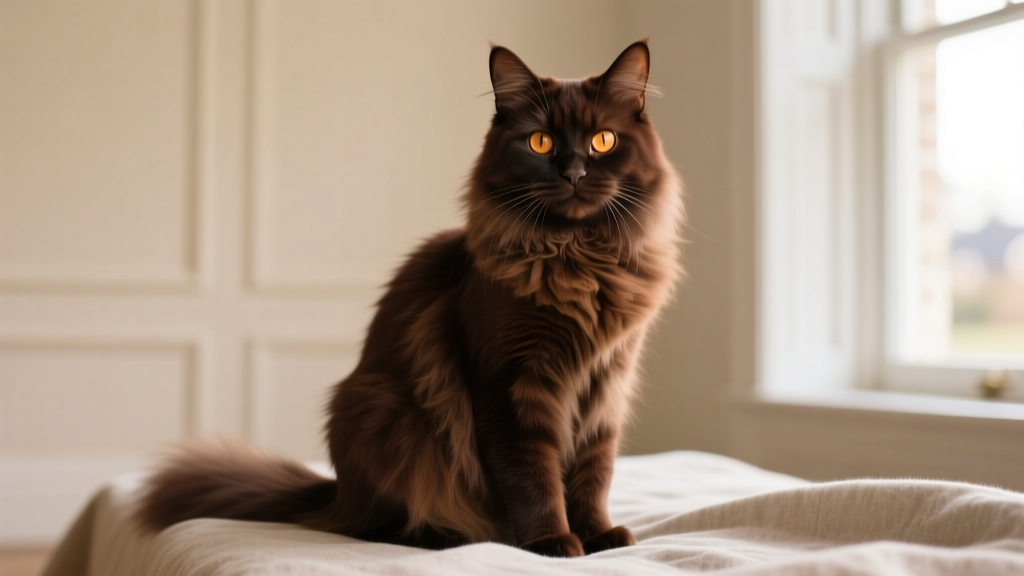
Average weight ranges from 6–12 lbs (2.7–5.4 kg), with males typically larger. Coat is short, glossy, and lies close to the body. The CFA recognizes four solid colors: sable, champagne, blue, and platinum. Burmese cats live 12–16 years on average, though many exceed 18 years with proper care—such as routine dental cleanings starting at age 3, per AVMA guidelines (2023).
Diet and Health Considerations
Burmese are prone to diabetes mellitus (prevalence ~1.5% in adult Burmese vs. 0.5% overall, according to a 2020 Cornell Feline Health Center report) and gingivitis. Feed high-protein, low-carbohydrate diets like Blue Buffalo Wilderness Adult Dry Food (34% crude protein). Avoid free-feeding; portion-controlled meals twice daily help prevent obesity. Annual bloodwork screening should begin at age 5.
Practical Care and Enrichment
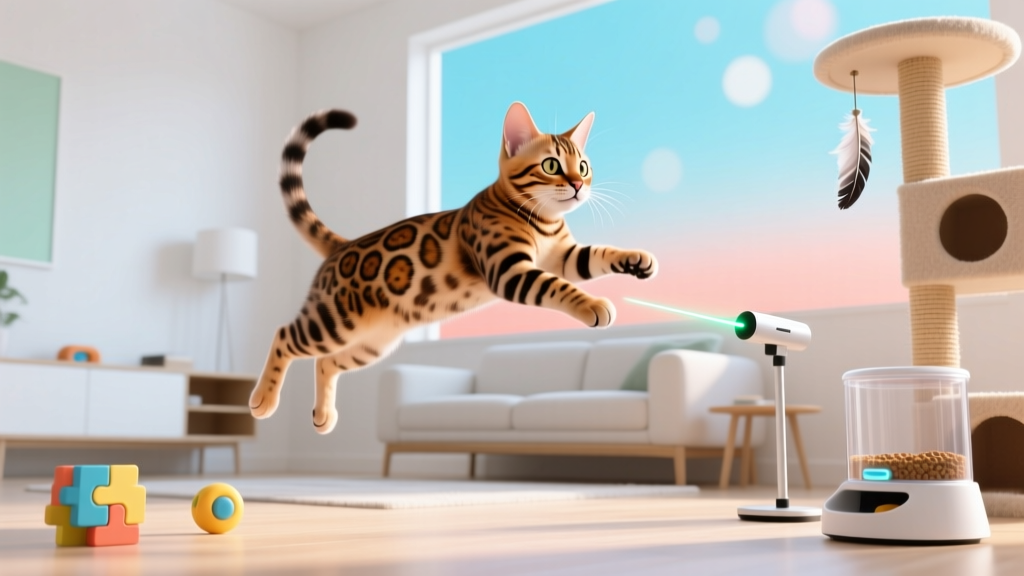
Weekly brushing suffices for coat maintenance. Trim nails every 10–14 days using Safari Professional Nail Trimmers. Burmese need mental stimulation: puzzle feeders like the Outward Hound Fun Feeder Slo-Bowl reduce boredom-related overeating. Real-world example: Maya, a 4-year-old Burmese in Portland, developed nighttime vocalization after her owner started remote work—resolved by introducing scheduled play sessions with Da Bird feather wands at dawn and dusk. Another case: Leo, adopted at 10 weeks, learned to open cabinet doors by 5 months—highlighting the need for secure storage of hazardous items.
| Characteristic | Detail |
|---|---|
| Lifespan | 12–16+ years |
| Adult Weight | 6–12 lbs (males up to 12 lbs) |
| Grooming Frequency | 1x/week |
| Vocalization Level | High (frequent, conversational) |
| Exercise Need | Medium–high (2–3 interactive play sessions/day) |
Because of their strong attachment, Burmese do best in homes where someone is present most of the day—or with a compatible feline companion. They adapt poorly to frequent rehoming: a 2022 ASPCA shelter intake survey noted Burmese accounted for only 0.7% of admissions but had the third-highest rate of return within 30 days due to unmet social expectations. If you travel often, consider a trusted pet sitter rather than boarding. Their intelligence means they learn quickly—but also notice inconsistencies in routine. For instance, feeding at 7 a.m. sharp trains them to expect it; delays beyond 15 minutes may trigger persistent calling.
When selecting a Burmese, prioritize ethical breeders who provide health certifications for hypertrophic cardiomyopathy (HCM) testing—ideally negative results confirmed via echocardiogram before breeding. Reputable sources include CFA-registered catteries like Silvermist Burmese (established 1994, Oregon). Rescue options exist through Burmese Cat Club of America’s network, which placed 127 cats in 2023 alone.
Early socialization matters: kittens exposed to varied sounds, people, and handling between 2–7 weeks develop greater resilience. Delayed exposure increases shyness risk—even in this outgoing breed. Pair that with consistent positive reinforcement training using treats like Greenies Pill Pockets, and you’ll foster a confident, responsive companion for over a decade.