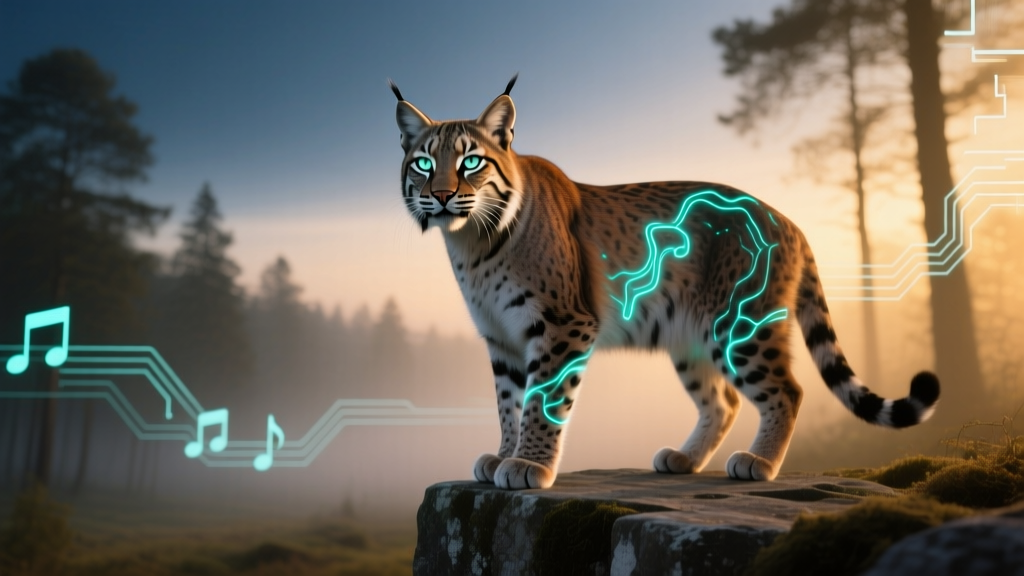
Wildsong: Controlled Wild Gene Breed
Some cat lovers crave that heart-skipping “miniature wildcat” look—bold spots, athletic lines, and an alert, jungle-cat presence. Others want the same visual drama, but with a home-loving temperament that fits real life: family routines, apartment living, and cozy couch time. The Wildsong is a breed concept that aims for exactly that balance: a carefully managed (“controlled”) infusion of wildcat ancestry while selecting for a confident, social, trainable companion.
If you’ve ever admired breeds like the Bengal or Savannah but wondered about the extra homework that can come with high-energy, high-drive cats, you’ll understand the appeal behind the Wildsong idea. This is a controlled wild gene breed—meaning the look and athleticism are inspired by wild lineage, while responsible breeding practices focus hard on consistent domestic temperament, predictable handling, and healthier long-term outcomes.
Because Wildsong is a rare and emerging name in the cat world, you’ll see variation in how individual catteries describe it. This guide covers the common goals, expected traits, and what a responsible Wildsong program should look like—so you can research confidently and choose wisely.
Breed History and Origin
The Wildsong concept belongs to a broader movement of “wild look, domestic life” cat breeding. Decades ago, early-generation hybrids (such as those derived from Asian leopard cat or serval ancestry) captured attention with striking coats and athletic builds. Over time, many breeders shifted toward later generations—cats several generations removed from the wild ancestor—because they tend to be more predictable companions, easier to place in typical households, and more consistent in temperament.
Wildsong is best understood as a program type rather than a universally standardized, widely registered breed. Some lines may be influenced by established hybrid-descended breeds (often with Bengal-like patterning or Savannah-like elegance) and then bred forward with domestic lines to reinforce stability. The “controlled” part is the key: reputable breeders emphasize careful selection, early socialization, and documented lineage with a clear goal of minimizing the challenges associated with early-generation hybrids.
- Core goal: A cat with a wild aesthetic and domestic-friendly temperament.
- Breeding focus: Later-generation influence, consistent behavior, and health screening.
- Reality check: Recognition varies; always verify registry status and lineage documentation with the breeder.
Physical Characteristics
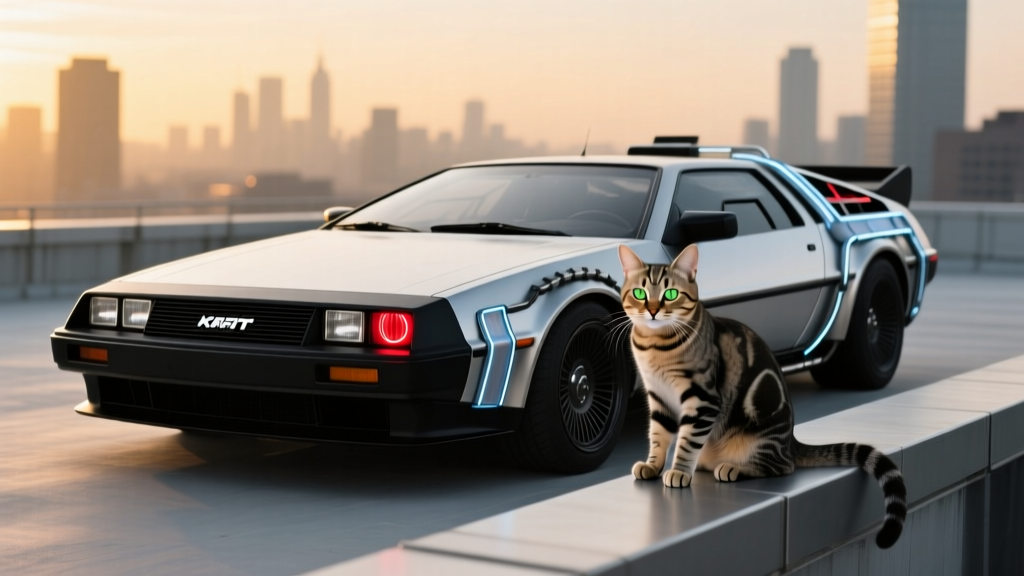
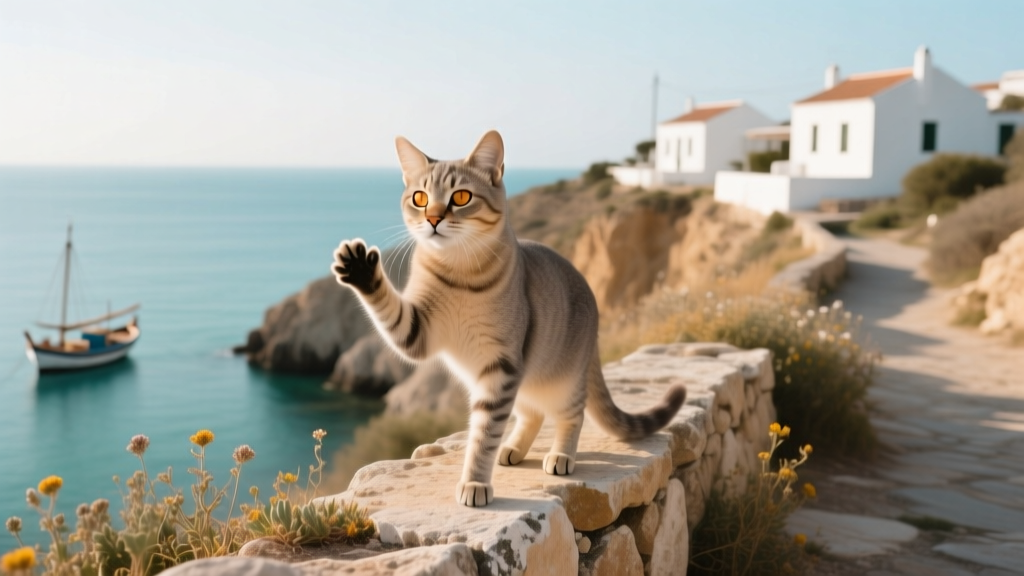
Wildsong cats are typically bred to look like a sleek forest or savannah hunter—without sacrificing the cuddlier, more adaptable side of domestic cats. Expect an athletic, medium-to-large build, strong musculature, and an alert, expressive face. Exact appearance depends on the program and the cats behind it, but the visual “signature” tends to be consistent: high-contrast coats, a confident stance, and a fluid stride.
| Trait | Typical Wildsong Profile |
|---|---|
| Size | Medium to large; long, athletic body |
| Weight | Females often 7–12 lb; males often 10–18 lb (varies by line) |
| Coat length | Usually short to medium-short; dense, plush, sleek feel |
| Coat pattern | Spotted or rosetted patterns are common; marbling may appear in some lines |
| Colors | Brown/black spotted, silver, charcoal/sooty tones, snow-range (cream/ivory) may occur depending on ancestry |
| Eyes | Large and expressive; gold/green/hazel common (varies by genetics) |
| Distinctive features | Strong shoulder set, powerful hindquarters, “wild” facial markings (mascara lines), thick tail base |
Coat and Pattern Details
- Spots/rosettes: Many Wildsong programs aim for high-contrast spotting or rosettes reminiscent of small wildcats.
- Glitter or sheen: Some lines may show a shimmery coat effect seen in certain hybrid-descended breeds.
- Markings: Facial striping, pale undersides, and bold “necklace” spotting may be present.
Personality and Temperament Traits
The ideal Wildsong temperament is where this breed concept truly shines: confident, interactive, and people-oriented, with a playful edge. These cats are often described as “present”—they like being part of what you’re doing, whether you’re folding laundry, working at a desk, or hosting friends.
Because of the controlled wild gene goal, breeders typically select strongly against fearful or overly intense behaviors. A well-bred Wildsong should be curious and energetic, but not unmanageable.
- Highly social: Often bonds closely with a favorite person, yet stays friendly with the household.
- Busy brain: Enjoys puzzle feeders, clicker training, and interactive games.
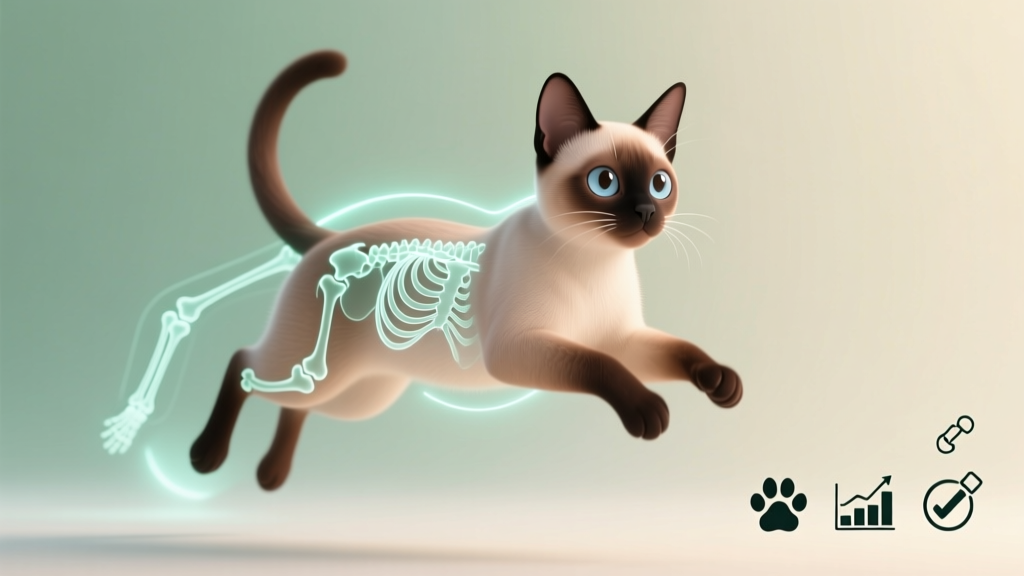
- Playful athlete: Loves vertical space, sprints, and leaping—think “parkour cat.”
- Chatty tendency: Some lines are more vocal, using chirps and trills to communicate.
- Routine-aware: Learns schedules quickly and may remind you when it’s meal or playtime.
Many Wildsong cats do best when they have structured enrichment. If you want a cat that naps all day and politely ignores your furniture, this likely isn’t your match. If you want a cat that plays, learns, and participates, the Wildsong can feel like a dream companion.
Health Considerations and Common Issues
Health in a controlled wild gene breed depends heavily on ethical breeding choices, genetic diversity, and transparent screening. Since Wildsong is not uniformly standardized across all registries, your best safeguard is a breeder who can show health testing results, a clear pedigree, and a willingness to discuss both strengths and weaknesses in the line.
Potential concerns seen in wild-look lines (depending on ancestry) may include:
- Hypertrophic cardiomyopathy (HCM): A heart condition that responsible breeders screen for through regular echocardiograms.
- Progressive retinal atrophy (PRA) and other eye issues: Genetic testing may be available depending on lineage.
- Patellar luxation: Knee issues can occur in athletic cats; watch for limping or skipping gait.
- Digestive sensitivity: Some cats do better with consistent, high-quality diets and gradual food transitions.
- Dental disease: Not unique to Wildsong, but active breeds can still be prone—brushing and dental checks help.
Green flags when evaluating a Wildsong breeder:
- Provides veterinary records, vaccination history, and a written contract
- Shares specific health testing (not vague “vet checked” claims)
- Raises kittens underfoot with robust socialization
- Asks you questions, too—good breeders care where kittens go
Care Requirements (Grooming, Exercise, Diet)
Grooming
Most Wildsong cats have short, easy-care coats. Grooming is less about fighting tangles and more about bonding and keeping shedding under control.
- Brushing: 1–2 times per week with a soft brush or grooming glove
- Nails: Trim every 2–4 weeks (more often if your cat hates scratching posts)
- Ears: Check weekly; clean only if needed with cat-safe ear cleanser
- Dental care: Brush several times a week if your cat allows; add dental treats approved by your vet
Exercise and Enrichment
A Wildsong thrives when the home is set up like a feline playground. These cats often prefer interactive play over solo toys—though rotating toy bins helps keep boredom away.
- Daily play: 20–40 minutes split into 2–3 sessions (wand toys, chase games)
- Vertical territory: Tall cat trees, shelves, or window perches
- Training: Clicker training for sit, high-five, spin, or leash manners
- Puzzle feeding: Helps channel mental energy and prevents scarf-and-barf habits
Diet
Feed the cat in front of you—activity level matters. Wildsong cats are often muscular and active, so they typically do well with high-protein, quality diets in appropriately measured portions.
- Protein-forward nutrition: Look for named animal proteins as primary ingredients
- Wet food benefits: Supports hydration and urinary health
- Slow transitions: Change foods over 7–10 days to avoid tummy upset
- Weight management: Athletic cats can still gain weight if under-stimulated
Compatibility with Families, Children, and Other Pets
A well-socialized Wildsong can be a fantastic family cat—especially for households that enjoy an interactive, playful companion. The keys are respectful handling, structured play, and giving the cat places to retreat and decompress.
- With children: Often great with gentle kids who understand “hands are not toys.” Supervise young children and teach appropriate play with wand toys.
- With other cats: Usually compatible, especially when introduced slowly. Many Wildsong cats appreciate a confident playmate.
- With dogs: Can do well with cat-savvy dogs. Early introductions, baby gates, and safe vertical escape routes help immensely.
- With small pets: Use caution. A wild-look athletic cat may have a strong chase instinct. Always keep birds, rodents, and reptiles securely separated.
Pros and Cons of Owning a Wildsong
| Pros | Cons |
|---|---|
| Stunning wildcat-style coat and athletic build | High energy needs; boredom can lead to mischief |
| Interactive, people-focused temperament in well-bred lines | Not universally standardized; quality varies by breeder |
| Often trainable (leash, tricks, puzzle work) | May be vocal and “opinionated” about routines |
| Short coat typically easy to groom | Needs vertical space and frequent play sessions |
| Great fit for enrichment-loving cat owners | May have stronger prey drive than laid-back breeds |
FAQ: Wildsong Cats
Is the Wildsong an officially recognized cat breed?
Recognition can vary. “Wildsong” may be used by specific breeding programs rather than being a universally standardized, widely registered breed name. Ask the breeder which registry (if any) the cats are recorded with, and request pedigree documentation.
Does “controlled wild gene” mean the cat is part wild?
In most cases, it means the line is influenced by wild-ancestor hybrids but is bred toward later generations for stable domestic temperament. The percentage and generational distance can vary widely—so request clear lineage details rather than relying on labels.
Are Wildsong cats good for first-time cat owners?
They can be, if the owner is ready for an active, enrichment-needing cat. If you’re excited about interactive play, training, and creating vertical space, a Wildsong may be a great first companion. If you want a low-maintenance lap cat, consider a calmer breed.
How much exercise does a Wildsong cat need?
Plan for daily interactive play—often 20–40 minutes total—plus access to climbing space and puzzle-style enrichment. Many Wildsong cats do best when they have both physical workouts and “brain games.”
Do Wildsong cats shed a lot?
Most have short coats and are moderate shedders. Weekly brushing usually keeps shedding manageable and helps reduce hair around the house.
Can Wildsong cats live in apartments?
Yes, as long as the environment is enriched: tall cat trees, shelving, window perches, and consistent daily play. Apartments can work beautifully for athletic cats when the space is designed vertically.
Warm Signoff
The Wildsong is for cat lovers who want that breathtaking wild look paired with a companionable, home-friendly personality—an athletic, curious cat who turns everyday life into a shared adventure. Do your homework, choose a transparent breeder (or consider a rescue with similar traits), and you may find yourself living with a confident little “wild spirit” who also happens to adore being part of your family.
Want to keep exploring? Browse more cat breed profiles, care guides, and personality deep-dives at catloversbase.com and discover the perfect match for your home.