Cyprus Cat: Island Feline Heritage
There’s something irresistibly romantic about an island cat—especially one shaped by centuries of sun, sea breezes, rocky hillsides, and village life. The Cyprus Cat (often associated with the native cats of Cyprus and popularly linked to the “Aphrodite” cat type) carries that storied Mediterranean feel: hardy, athletic, bright-eyed, and wonderfully people-aware.
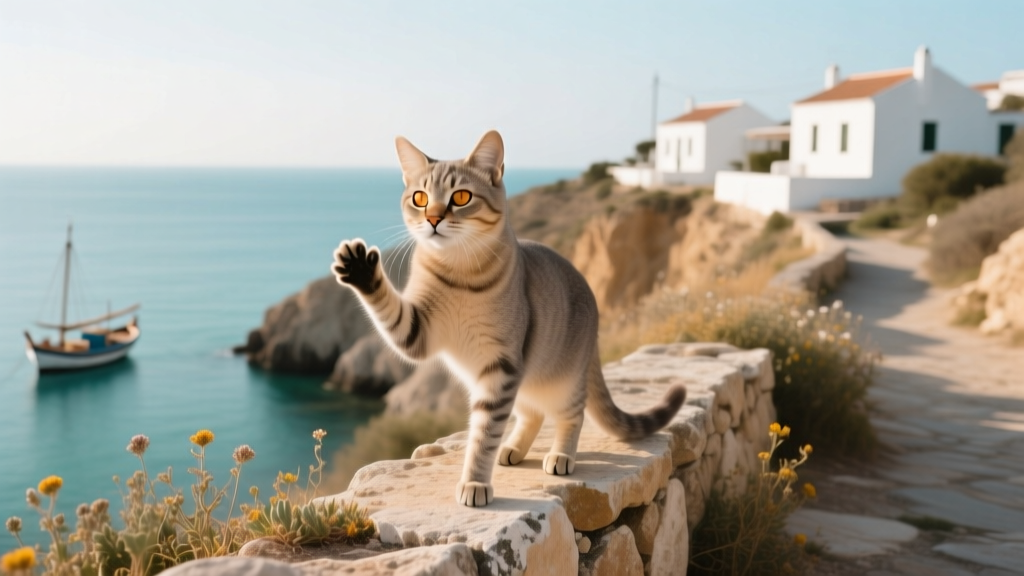
Whether you’ve spotted photos of long-legged Cyprus cats lounging on ancient stone walls or you’re researching a natural breed with deep roots, this island feline has a lot to offer. They’re known for their agile bodies, affectionate nature, and a “working cat” heritage that still shines through in their alertness and stamina.
This guide covers the Cyprus Cat’s history, looks, personality, care needs, and what it’s really like to share your home with one of these spirited island companions.
Breed History and Origin
The Cyprus Cat is tied to the long-standing population of domestic cats that have lived on the island of Cyprus for hundreds—possibly thousands—of years. Cyprus has a famous place in feline history thanks to one of the earliest known cat-and-human burials discovered on the island (often referenced in discussions of cat domestication in the Mediterranean region). While today’s Cyprus cats aren’t the same as ancient cats, the island’s relationship with felines runs deep.
Modern “Cyprus Cat” references typically point to naturally occurring cats from Cyprus with a consistent look and temperament—robust, tall, athletic cats well-suited to the island’s climate. In recent years, some fanciers have worked toward formal recognition of an “Aphrodite” type (named for the island’s mythic ties to Aphrodite). Recognition and standards can vary depending on the organization and region, and many Cyprus cats remain best described as a landrace or natural population rather than a universally standardized pedigree.
What’s consistent is the essence: these are cats shaped by environment and function. They historically served as skilled mousers and guardians of food stores in homes, farms, and monasteries, earning their keep with sharp senses and strong bodies. That practical background is a big reason why the Cyprus Cat is often described as healthy, active, and adaptable.
Physical Characteristics
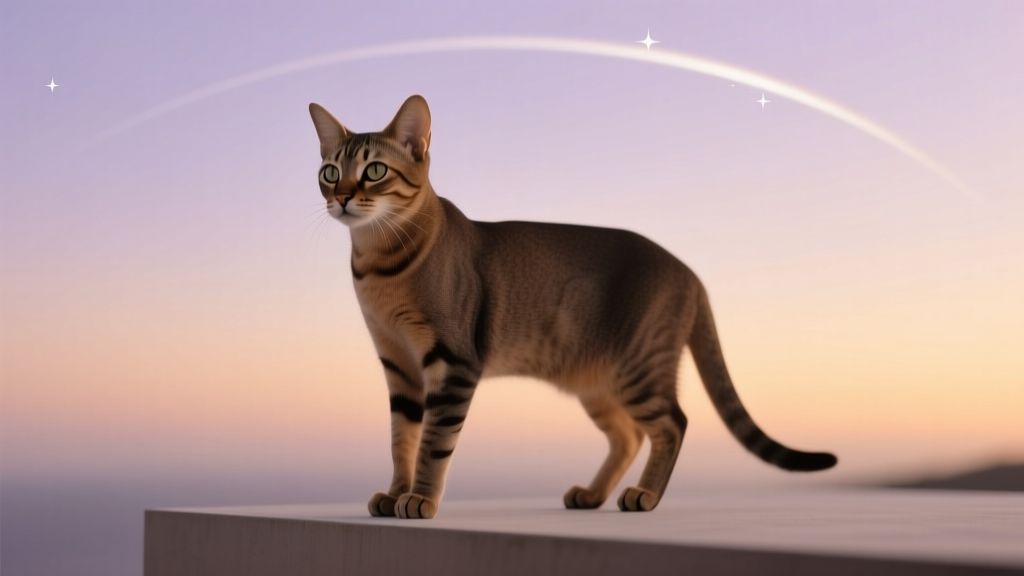
The Cyprus Cat is typically a medium-to-large, long-bodied cat with an athletic build. Think “lean power” rather than bulky heaviness. Many have noticeably long legs and a slightly longer-than-average silhouette, which contributes to their graceful, springy movement.
| Feature | Typical Cyprus Cat Traits |
|---|---|
| Size | Medium to large |
| Weight | Females often ~7–12 lb (3–5.5 kg); males often ~10–16 lb (4.5–7+ kg), depending on lineage, diet, and activity |
| Body Type | Athletic, long-legged, strong frame; built for jumping and climbing |
| Coat Length | Commonly short to semi-long; some lines show a plusher winter coat |
| Coat Texture | Generally soft; may be denser seasonally |
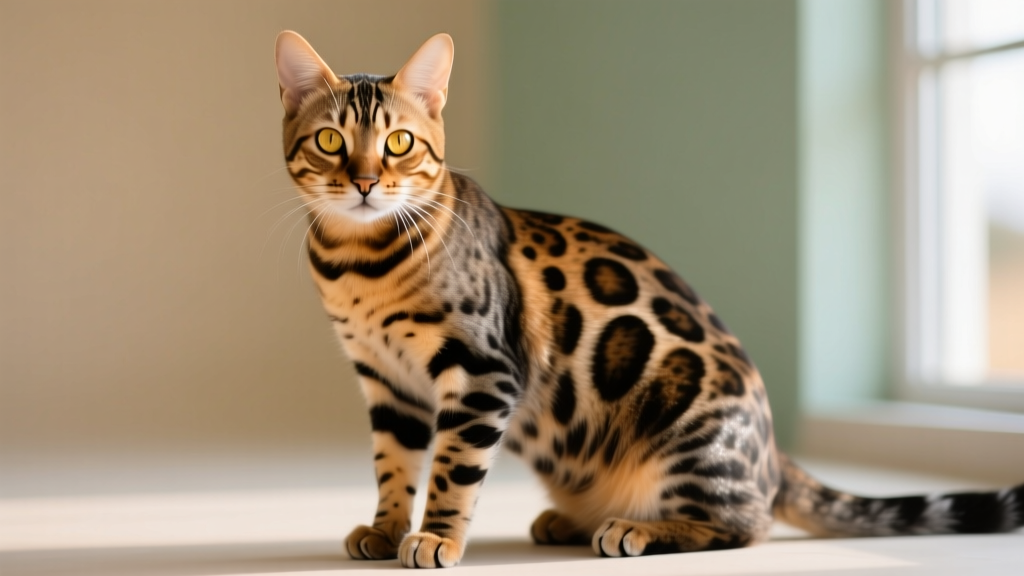
| Colors & Patterns | Wide variety: tabby, solid, bicolor, calico, and more; patterns often reflect natural, mixed island populations |
| Eyes | Expressive and alert; colors vary (often green, amber, gold) |
| Distinctive Features | Long legs, athletic stance, confident posture; “ready-to-go” look typical of active landrace cats |
One thing to love: Cyprus cats often look like they belong outdoors in the best way—balanced proportions, sturdy paws, and a naturally capable physique. Even as indoor companions, they tend to move with purpose and curiosity.
Personality and Temperament Traits
If you’re looking for a cat with presence, the Cyprus Cat rarely disappoints. Many are social, people-oriented, and genuinely interested in what you’re doing—without being clingy 24/7. They can be affectionate and loyal, often choosing a favorite person while still remaining friendly with the rest of the household.
- Smart and observant: Cyprus cats often learn household routines quickly and may “help” with everything from laundry sorting to desk work.
- Energetic and athletic: Expect zoomies, impressive vertical leaps, and a love of climbing.
- Confident: Many carry themselves like they know they’re capable. Shy individuals exist, but the type is often bold and curious.
- Affectionate (on their terms): They may enjoy cuddles and lap time, but usually after they’ve had a chance to play and explore.
- Strong hunter instincts: Even indoors, they may stalk toys with serious focus.
Because the Cyprus Cat is often discussed as a natural breed/landrace, individual temperament can vary depending on early socialization. Kittens raised around people tend to become exceptionally friendly companions.
Health Considerations and Common Issues
Natural landrace cats are often celebrated for overall resilience, and many Cyprus cats are no exception—especially when responsibly bred or well cared for. That said, no cat is “guaranteed healthy,” and any cat can develop medical issues.
Potential health considerations:
- Dental disease: Common in many cats; regular dental care and checkups help prevent painful problems.
- Obesity: Active cats can still gain weight if indoor life doesn’t match their energy needs—portion control matters.
- Parasites (fleas, ticks, worms): Especially relevant if a cat has outdoor access or comes from a street/colony background.
- Viral diseases: FIV/FeLV testing is recommended for rescues or cats with unknown history, along with appropriate vaccination guidance from your vet.
Best wellness approach: annual veterinary exams (twice yearly for seniors), keeping vaccines and parasite prevention current, and supporting joint and muscle health with play and a high-quality diet. If you’re adopting a Cyprus cat from a rescue or importing from abroad, ask for medical records, testing information, and spay/neuter status.
Care Requirements (Grooming, Exercise, Diet)
Grooming
Coat care depends on whether your Cyprus cat is shorthaired or semi-longhaired, but most are fairly manageable.
- Short coats: Brush once a week to remove loose hair and keep the coat glossy.
- Semi-long coats: Brush 2–3 times per week, especially around the chest, belly, and behind the legs where tangles can form.
- Nails, ears, teeth: Trim nails every 2–4 weeks, check ears weekly, and aim for regular tooth brushing (even a few times a week helps).
Exercise and Enrichment
This is an athletic island cat—plan for daily play. A bored Cyprus cat may invent their own fun (usually involving speed, height, and curiosity).
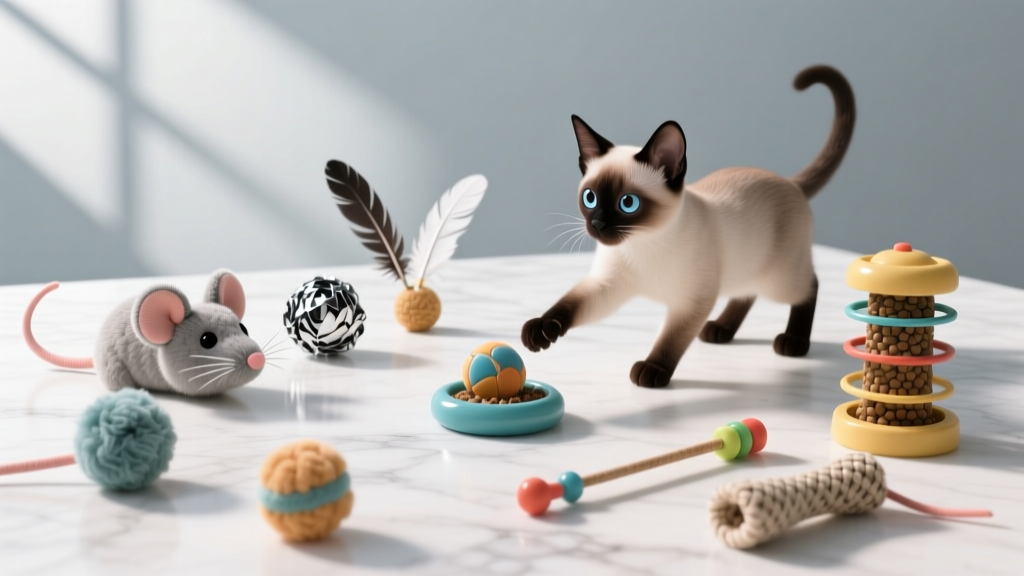
- Interactive play: 15–20 minutes, 1–2 times per day with wand toys, kickers, or toy mice.
- Vertical space: Cat trees, shelving, or window perches are practically a love language for this breed type.
- Puzzle feeders: Great for mental stimulation and slowing fast eaters.
- Safe outdoor options: Catios and harness training can be excellent for adventurous individuals.
Diet
A Cyprus Cat’s lean, muscular build thrives on a protein-forward diet. Choose a complete and balanced cat food (wet, dry, or a combination) appropriate for your cat’s life stage.
- Portion control: Measure meals and adjust based on body condition, not just the label.
- Hydration: Many cats drink more with water fountains; wet food also supports hydration.
- Weight checks: You should be able to feel ribs with light pressure and see a defined waist from above.
Compatibility with Families, Children, and Other Pets
With proper introductions and respectful handling, the Cyprus Cat can be a fantastic family companion. Their social nature often makes them eager to be part of household activity—especially if someone is willing to play.
- With children: Often a strong match for cat-savvy kids who understand gentle touch and boundaries. Their playful energy can be a great fit for an active family.
- With other cats: Many do well, especially if introduced gradually. Confident personalities can mean they like to be “in charge,” so slow introductions help.
- With dogs: Can coexist nicely with calm, cat-friendly dogs. Provide vertical escape routes and a separate feeding area.
- With small pets (birds/rodents): Caution is essential. Their hunting instincts may be strong, so secure enclosures and separate spaces are recommended.
If you’re adopting an adult Cyprus cat from rescue, ask about their history with other animals. A cat who grew up around dogs may be far more relaxed than one meeting a dog for the first time.
Pros and Cons of Owning This Breed
| Pros | Cons |
|---|---|
| Affectionate, people-friendly personality in many lines | Needs daily play and enrichment; may get bored easily |
| Athletic and fun to watch—great climbers and jumpers | Can be too energetic for someone wanting a very low-activity lap cat |
| Often hardy, with a “natural breed” resilience | Not always consistently standardized; appearance and temperament can vary |
| Generally manageable grooming needs | Semi-long coats may require more frequent brushing |
| Typically adapts well to family life when socialized | Strong prey drive may be challenging with small pets |
FAQ: Cyprus Cat (Island Feline Heritage)
Is the Cyprus Cat the same as the Aphrodite cat?
Many people use “Cyprus Cat” to describe native cats from Cyprus, and “Aphrodite” to refer to a more specific type being promoted by some fanciers. Depending on where you live and which registry you reference, you may see different naming conventions. In everyday conversation, they’re often closely linked.
Are Cyprus cats good indoor cats?
Yes—many Cyprus cats thrive indoors as long as they get enough stimulation. Provide climbing space, interactive play, and puzzle toys. Their athletic build and curious nature mean they’ll appreciate an environment that lets them move and explore.
Do Cyprus cats shed a lot?
Shedding varies by coat length and season. Short-coated individuals often shed moderately, while semi-long coats may shed more—especially during seasonal coat changes. Weekly (or more frequent) brushing usually keeps shedding manageable.
How big do Cyprus cats get?
They’re often medium-to-large with long legs and a strong frame. Many males range around 10–16 lb (4.5–7+ kg), with females commonly smaller, though size can vary widely depending on genetics and lifestyle.
Are Cyprus cats rare?
On Cyprus, native cats are common. Outside the island, cats specifically described as Cyprus Cats or Aphrodite-type cats can be harder to find, and availability often depends on rescues, imports, or specialized breeders.
What kind of home is best for a Cyprus Cat?
A home that enjoys an interactive cat—one with time for play, room for climbing, and people who like a companion that follows the action. They can be wonderful for families, active singles, or multi-pet homes with thoughtful introductions.
Warm Signoff
The Cyprus Cat is a celebration of what cats do best: adapt, thrive, bond, and bring a little wild grace into everyday life. With their island heritage, athletic build, and affectionate curiosity, they’re the kind of companion who makes your home feel more alive—one leap, chirp, and head-butt at a time.
If you’re smitten by natural breeds and regional treasures, keep exploring—there’s a whole world of whiskers waiting. Visit catloversbase.com to discover more cat breed profiles and find the feline that fits your life perfectly.